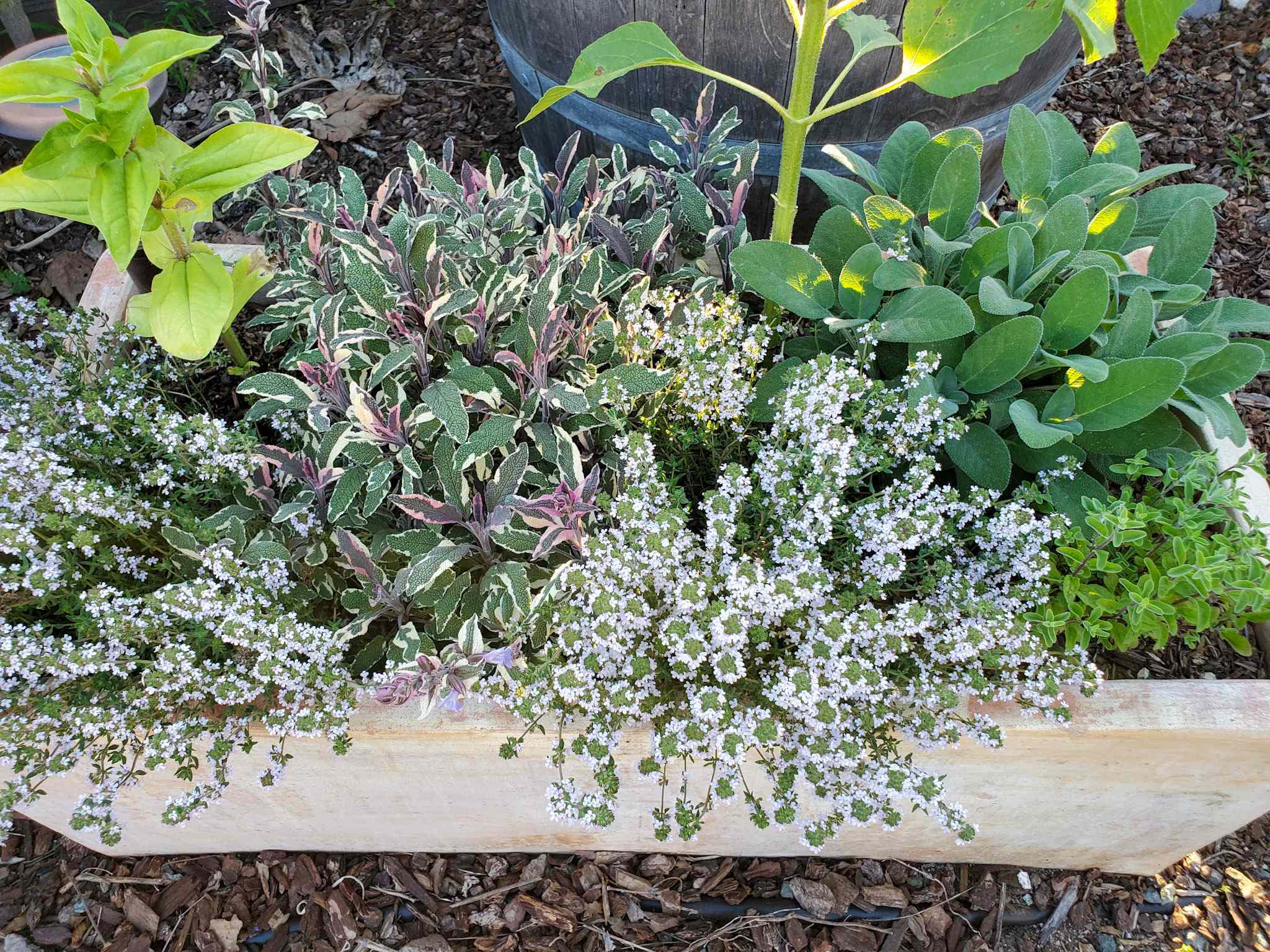

Growing fresh herbs on a windowsill or patio transforms your cooking while saving money on grocery store bundles that wilt in the fridge. Whether you have a sprawling backyard or just a sunny kitchen corner, starting an herb garden takes less than an hour and requires only basic supplies. This guide walks you through every step so your herbs thrive and you’re harvesting fresh flavoring within weeks.
How to Start Your Kitchen Herb Garden
Set up your herb garden in five straightforward steps, from choosing the right spot to planting your first seedlings.
What You Will Need
- Containers with drainage holes (at least 6-8 inches deep)
- Quality potting soil (not garden soil from outdoors)
- Herb seedlings or seeds from a reputable source
- A location with 6+ hours of direct sunlight daily
- A watering can or spray bottle
- Small gardening trowel or spoon
Steps
Select a sunny location
Find the sunniest spot in your home, ideally a south-facing or west-facing window that receives at least 6 hours of direct sunlight. If natural light is limited, a grow light positioned 6-12 inches above the plants works well as a backup. Avoid dark corners and areas with cold drafts from windows or AC units.
Prepare your containers
Choose pots that are at least 6-8 inches deep with drainage holes in the bottom. Clay, ceramic, or plastic all work equally well. If using decorative containers without holes, place a smaller draining pot inside it. Clean containers with a quick rinse to remove any debris before filling.
Fill with quality potting soil
Use commercial potting mix designed for container gardening, never garden soil from your yard. Potting soil drains better and contains the right balance of nutrients. Fill each container to about one inch below the rim, leaving space for water to settle without running off the sides.
Plant your herbs
If using seedlings, gently remove them from their nursery pots and loosen the root ball before placing in the soil. Plant at the same depth they were originally growing. If using seeds, follow packet instructions for depth and spacing. Water gently after planting to settle the soil around the roots.
Water consistently
Water when the top inch of soil feels dry to the touch, usually every 2-3 days depending on heat and humidity. Use room-temperature water and water at the base of the plant rather than over the leaves. Avoid waterlogging, which kills herb roots faster than drought.
Begin harvesting at 3-4 weeks
Once plants have established several sets of true leaves, you can begin pinching off leaves for cooking. Harvest from the top of the plant, working downward, which encourages bushier growth. Regular harvesting actually makes plants fuller and more productive.
- Group herbs with similar water needs together: basil and parsley like consistent moisture, while rosemary and thyme prefer drier conditions between waterings.
- Rotate containers every few days if light comes from one direction only, preventing plants from becoming lopsided and leaning toward the window.
- Start with easy winners like basil, chives, and parsley if you’re new to gardening—these forgive beginner mistakes and grow quickly enough to build confidence.
What to Look For in Herb Garden Supplies
- Container drainage: Drainage holes are non-negotiable for herb success. Without them, water collects at the root zone causing rot. Even one drainage hole per pot is sufficient, but multiple holes ensure water escapes from all edges.
- Potting soil quality: Look for mixes labeled ‘potting soil’ or ‘container mix,’ not regular garden soil. Quality mixes include perlite or vermiculite to improve drainage and aeration, which herbs need to develop strong root systems.
- Sunlight access: Most cooking herbs require 6+ hours of direct sun daily. South and west-facing windows are ideal. If natural light is insufficient, a supplemental grow light on a timer provides consistent illumination.
- Container size: A minimum of 6-8 inches deep allows room for root development. Individual herbs can start in smaller pots, but mature plants benefit from containers at least 8-10 inches across for better moisture retention and nutrient storage.
Terracotta Planter Pots with Drainage Holes
Best for: Anyone starting an herb garden who values aesthetics and function
Terracotta pots offer superior drainage and breathability that herbs love, preventing root rot while maintaining soil moisture balance. Available in sizes from 4 to 12 inches, they’re durable enough to last years and naturally regulate soil temperature. The rustic look complements any kitchen or patio, and the porous material allows you to easily see when soil is drying out by observing color changes.
Check Current Price on Amazon →Miracle-Gro Indoor Potting Mix
Best for: Budget-conscious gardeners who want reliable, ready-to-use soil
This widely available potting mix eliminates guesswork with a balanced formula designed for container plants. It includes nutrients to feed plants for up to six months, reducing the need for separate fertilizing. The lightweight formula makes containers easy to move, and it’s available at most garden centers and online retailers in various sizes.
Check Current Price on Amazon →AeroGarden Sprout LED Grow Light System
Best for: Beginners with limited natural light or those wanting foolproof results
This all-in-one hydroponic system removes soil variables entirely, growing herbs in nutrient-enriched water with an integrated LED light. The automated reminder system tells you when to add water and nutrients, making it impossible to under or over-water. While pricier than traditional gardening, it produces harvestable herbs in weeks and takes up minimal counter space.
Check Current Price on Amazon →Ceramic Self-Watering Herb Planter Pot Set
Best for: Gardeners who travel or forget to water regularly
Premium ceramic pots with integrated self-watering reservoirs maintain consistent soil moisture for 7-10 days between watering. The elegant design suits any decor, and the built-in water gauge removes guesswork. Sets typically include multiple pots perfect for creating a cohesive herb garden display.
Check Current Price on Amazon →Espoma Organic Potting Soil
Best for: Organic gardeners seeking chemical-free soil at competitive pricing
This OMRI-certified organic mix contains natural ingredients including compost and mycorrhizae fungi that enhance nutrient uptake. It’s comparable in price to conventional mixes but without synthetic fertilizers or pesticides. The formula provides excellent drainage while retaining adequate moisture for herb growth.
Check Current Price on Amazon →Gardman Watering Can with Rose Spray Head
Best for: Those who want precise watering control and durability
This traditional brass watering can features a removable rose (spray head) for gentle watering that won’t disturb seedlings or compact soil. The long spout reaches plants in tight spaces, and the sturdy construction withstands years of daily use. Available in various sizes, making it suitable for both large gardens and tabletop herb collections.
Check Current Price on Amazon →Fatsia Misting Spray Bottle
Best for: Herb gardeners who prefer lightweight, precise watering for small collections
This ergonomic spray bottle allows fine misting or steady streams depending on trigger pressure, giving complete control over water application. The clear plastic lets you monitor water levels, and the compact size fits easily on kitchen windowsills. Ideal for daily maintenance watering and leaf misting on humidity-loving herbs like basil.
Check Current Price on Amazon →LED Grow Light Clip Lamp with Full Spectrum
Best for: Apartment dwellers and those with minimal space seeking supplemental lighting
This compact clip-on grow light mounts to shelves, stands, or windowsill edges, providing full-spectrum LED output without taking up counter space. It consumes minimal electricity compared to traditional grow lights and produces little heat, making it safe for small kitchens. The adjustable gooseneck positions light exactly where needed.
Check Current Price on Amazon →Start Harvesting Fresh Herbs This Week
A thriving kitchen herb garden is within reach whether you have a sprawling patio or a single sunny windowsill. The investment is modest—quality pots, good potting soil, and seedlings cost $20-40 to start—but the payoff is substantial. Fresh herbs elevate meals, reduce grocery expenses, and provide the satisfaction of growing your own food. Your first harvest arrives in weeks, not months, making this one of the fastest gardening wins available.
Begin with forgiving herbs like basil, parsley, and chives, which reward consistent care with abundant growth. As you gain confidence, expand into Mediterranean herbs like rosemary and thyme, or explore more delicate varieties like tarragon. The skills you develop with a simple herb garden transfer beautifully to larger growing projects. Every successful harvest builds your gardening knowledge and deepens your connection to the food on your table.
Frequently Asked Questions
How long does it take before I can harvest herbs?
Most herb seedlings produce harvestable leaves within 3-4 weeks of planting. If you’re starting from seeds, add 2-3 weeks for germination and initial growth. Regular harvesting encourages bushier plants that produce even more leaves over subsequent months.
Can I grow herbs in low light conditions?
While herbs prefer 6+ hours of direct sunlight, a supplemental LED grow light can compensate for limited natural light. Position the light 6-12 inches above plants and run it for 12-14 hours daily. Herbs grown under lights may grow more slowly but will still thrive.
What’s the difference between herb seedlings and seeds?
Seedlings are starter plants ready to transplant, producing harvestable leaves in 3-4 weeks. Seeds require starting time (2-3 weeks) but cost less and offer more variety. For beginners, seedlings provide faster gratification, while seeds are economical for long-term growing.
How often should I fertilize my herbs?
Potting mix typically includes nutrients for 4-6 weeks. After that, fertilize every 2-4 weeks with a balanced, water-soluble fertilizer diluted to half strength. Organic herbs may need more frequent feeding since they release nutrients more slowly than synthetics.
Can I grow multiple herbs in one large container?
Yes, grouping herbs with similar watering needs works well. Plant thirsty herbs like basil and parsley together, keeping drier herbs like rosemary and thyme separate. Ensure the container is at least 12 inches deep and wide enough that plants aren’t competing for root space.
As an Amazon Associate, Build & Bloom earns from qualifying purchases. We only recommend products we genuinely think are useful. Prices and availability vary; check Amazon for the latest.
Leave a Reply