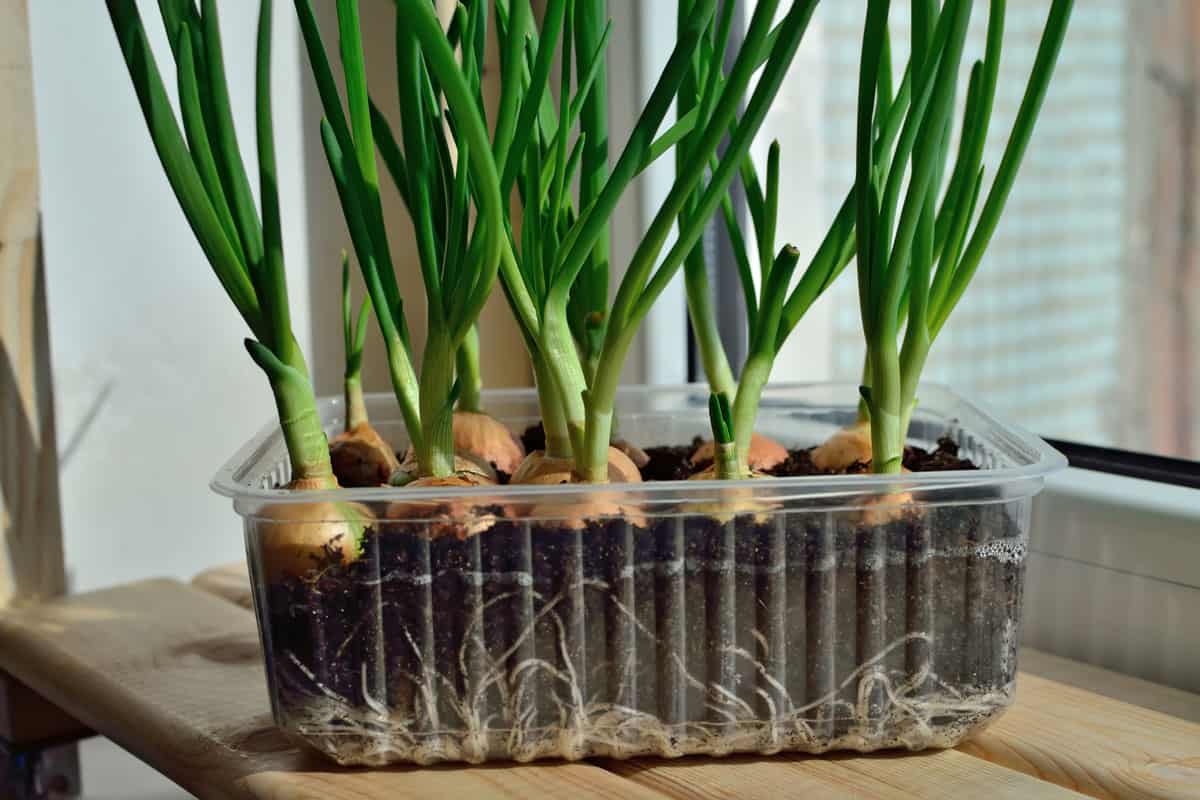

If you’ve been buying onion sets every spring, you’re missing out on bigger harvests and rare varieties. Growing onions from seed takes more planning than sets, but rewards you with stronger plants, larger bulbs, and the ability to choose heirloom varieties that garden centers never stock. The secret is starting early indoors under controlled conditions so your seedlings are robust and ready to transplant when soil warms.
How to Start Onions From Seed
Starting onion seeds indoors gives you a 2-3 month head start on the season. Here’s the step-by-step process from seed to transplant-ready seedling.
What You Will Need
- Onion seeds (short-day or long-day varieties suited to your region)
- Seed starting mix or potting soil
- Seed trays or shallow containers with drainage holes
- Grow lights or fluorescent fixtures
- Watering can with fine spray nozzle or spray bottle
- Heat mat (optional but helpful for germination)
Steps
Prepare Your Seed Starting Setup
Fill shallow trays with moist seed starting mix about 2 inches deep. Onion seeds are tiny, so use quality seed-starting soil that drains well but retains moisture. Set up your grow lights 2-3 inches above the trays. Seeds need consistent warmth (70-75F) to germinate, so a heat mat underneath will speed sprouting by 3-5 days.
Sow Seeds Densely and Press Firmly
Sprinkle onion seeds across the surface of moist soil, spacing them about 1/4 inch apart. Press seeds gently into the soil using your fingers or a small board—onion seeds need contact with soil to germinate, but don’t bury them deeply. Mist the surface with water until damp.
Cover and Maintain Moisture
Cover trays with a humidity dome or plastic wrap to keep moisture constant during germination. Check daily and mist if the surface starts to dry. Germination typically occurs in 7-10 days. Once sprouts emerge, remove the cover and turn on your grow lights immediately.
Provide 14-16 Hours of Daily Light
Onion seedlings need strong, consistent light to develop sturdy stems and prevent legginess. Position grow lights 2-3 inches above the seedlings and run them 14-16 hours per day. Keep seedlings at 65-70F during the day. Too little light produces weak, stretched plants that won’t thrive after transplanting.
Thin Seedlings Once They’re 1 Inch Tall
When seedlings develop their first true leaves, thin them to 1/2 inch to 1 inch apart by carefully removing overcrowded neighbors with scissors. This prevents competition for nutrients and allows remaining seedlings to develop strong root systems. Don’t pull seedlings out—cutting them prevents root disturbance.
Water Consistently Without Overwatering
Keep soil consistently moist but not waterlogged. Water from below by placing trays in a water bath for 15 minutes, or water gently at soil level. Overwatering causes damping off disease. As seedlings grow, you can reduce watering frequency slightly once the soil surface is dry to the touch.
Harden Off and Transplant at 4-6 Inches
At 8-10 weeks from seed, when seedlings reach 4-6 inches tall and have developed 2-3 true leaves, they’re ready to transplant outdoors. Spend 7-10 days hardening them off by gradually exposing them to outdoor sun, wind, and temperature fluctuations. Plant seedlings 4-6 inches apart in full sun beds with rich, well-draining soil.
- Use a soil thermometer to confirm your heat mat is maintaining 70-75F—this temperature range produces the fastest germination
- Fertilize seedlings every 2 weeks with half-strength liquid fertilizer once they develop true leaves, since seed starting mix has minimal nutrients
- Start seeds 10-12 weeks before your last frost date if you’re in a short-season area; long-season growers can start 8-10 weeks early
What to Look For in Onion Seed Starting Equipment
- Seed Starting Mix Quality: Choose a sterile, soilless mix specifically formulated for seeds—avoid garden soil or compost which can harbor disease. Look for ingredients like peat moss, coconut coir, and perlite that provide drainage while retaining moisture. Quality seed starting mixes drain faster than regular potting soil, preventing damping off.
- Grow Light Spectrum: LED or fluorescent grow lights with a full spectrum (5000-6500K color temperature) produce stronger, sturdier seedlings than regular incandescent bulbs. Lights should be adjustable so you can keep them 2-3 inches above seedling tops as they grow. Avoid cheap clip lights that get too hot.
- Tray Drainage and Reusability: Select rigid plastic or ceramic trays with adequate drainage holes rather than soft-sided options that degrade quickly. Reusable trays save money over time and are easier to sanitize between seasons. Avoid trays without drainage, which lead to root rot and fungal issues.
- Seed Variety Selection: Choose long-day onion varieties if you live north of 35 degrees latitude, and short-day varieties for southern regions—this determines bulbing success. Heirloom and specialty varieties available as seeds offer flavors and colors impossible to find as sets. Check your USDA zone to select varieties bred for your day length.
Jump Start 2-Tier Grow Light System
Best for: Anyone serious about seed starting indoors
This two-tier fluorescent grow light system provides adequate light intensity and adjustable height for multiple seed trays. The sturdy metal construction and timer-ready design make it ideal for onion seedlings that need 14-16 hours of consistent daily light. Two 4-foot shelves let you start hundreds of seedlings simultaneously without taking up much space.
Check Current Price on Amazon →Sunblaster T5 LED Grow Light Strip
Best for: Gardeners with small spaces or limited budgets
This compact LED strip light is energy-efficient and produces the full spectrum needed for sturdy seedling growth. At 2 feet long, it’s perfect for a single seed tray or two small trays side by side. The dimmable design lets you adjust intensity as seedlings grow, and it runs cool enough to position just 2-3 inches above plants.
Check Current Price on Amazon →Burpee Seed Starting Kit
Best for: First-time seed starters needing all-in-one solution
This complete kit includes seed trays, humidity domes, soil blocks, and a detailed guide—everything needed to start onion seeds without buying multiple products. The trays nest for compact storage, and the included compressed soil tablets expand with water for a mess-free start. Perfect for learning the basics before upgrading to professional systems.
Check Current Price on Amazon →Viagrow Premium Seed Starting Mix 10-Quart Bag
Best for: Gardeners who want the best ingredient quality
This professional-grade soilless mix uses coconut coir, perlite, and worm castings to provide superior drainage while maintaining moisture consistency. The perlite content prevents damping off disease, while added mycorrhizae support root development. Each bag contains enough mix for approximately 15-20 seed trays, making it economical for serious seed starters.
Check Current Price on Amazon →Outsunny 48-Inch Seedling Heat Mat
Best for: Gardeners needing consistent germination warmth
This waterproof heat mat maintains the 70-75F temperature range that accelerates onion seed germination by several days. At 48 inches, it fits standard seed trays and is thermostat-controlled to prevent overheating. The durable design lasts multiple seasons, making it a worthwhile investment for anyone starting seeds annually.
Check Current Price on Amazon →Bonnie Plants Organic Onion Seeds Variety Pack
Best for: Gardeners wanting to experiment with multiple onion types
This variety pack includes three different onion varieties—short-day, long-day, and storage types—letting you discover which varieties thrive in your climate and taste preferences. Each packet contains enough seeds for multiple sowings. The organic certification and detailed planting instructions make this ideal for home gardeners seeking quality seed stock.
Check Current Price on Amazon →Hydrofarm Jump Start Seedling Heat Mat 2X20
Best for: Window sill gardeners with minimal space
Measuring just 20×20 inches, this compact heat mat fits perfectly under a single standard seed tray on a windowsill or shelf. The thermostat maintains optimal germination temperatures while using minimal electricity. Waterproof construction allows watering directly over the mat without damage, and the slim profile suits small apartments or limited growing spaces.
Check Current Price on Amazon →Johnny’s Seeds Professional Grade Onion Seed Collection
Best for: Serious gardeners and small-scale farmers
Johnny’s curates premium onion varieties selected for germination rates, disease resistance, and yield potential. Each seed lot is tested for purity and viability, ensuring consistent results. The collection includes detailed variety guides and succession planting recommendations. Premium pricing reflects superior genetics and testing standards that professional growers depend on.
Check Current Price on Amazon →Growing Onions From Seed Gives You More Control and Bigger Harvests
Starting onions from seed requires patience and proper setup, but delivers results impossible with store-bought sets. By starting indoors 8-10 weeks before your last frost, providing consistent light and warmth, and hardening off seedlings before transplanting, you’ll grow bulbs 20-30% larger than those from sets. The real payoff is accessing rare heirloom varieties that garden centers never stock and enjoying the satisfaction of growing onions from beginning to end.
Invest in quality seed starting mix, reliable grow lights, and a heat mat if your home is cool—these three elements are non-negotiable for success. Start with proven varieties suited to your region’s day length, maintain consistent moisture without overwatering, and thin seedlings ruthlessly to prevent competition. Once you master onion seed starting, you’ll wonder why you ever bought sets again.
Frequently Asked Questions
Can I start onion seeds directly in the garden instead of indoors?
Direct seeding onions outdoors works in long-season climates with 120+ frost-free days, but produces smaller bulbs than transplants. Indoor starting gives you a 2-3 month head start, resulting in significantly larger mature bulbs. Most home gardeners see better results starting seeds indoors 8-10 weeks before their last frost date.
Why are my onion seedlings getting tall and thin (leggy)?
Legginess results from insufficient light or lights positioned too far above seedlings. Move grow lights to 2-3 inches above plant tops and provide 14-16 hours of light daily. Also reduce watering slightly and lower temperatures to 65-70F—these conditions encourage compact, stocky growth instead of stretched stems.
How often should I water onion seedlings?
Water when the soil surface becomes dry to the touch, typically every 2-3 days depending on humidity and heat mat use. Overwatering is the most common mistake and causes damping off disease. Watering from below by setting trays in a water bath for 15 minutes provides consistent moisture while reducing disease risk.
What’s the difference between long-day and short-day onion varieties?
Long-day varieties form bulbs when day length reaches 14-16 hours (ideal for northern climates), while short-day varieties bulb at 12-14 hours (ideal for southern regions). Planting the wrong day-length type means seedlings grow large but never bulb properly. Check your latitude and select varieties bred for your region’s photoperiod.
Can I reuse seed starting mix from last year?
Reusing old seed starting mix risks introducing fungal spores that cause damping off disease. Always use fresh, sterile seed starting mix for new seeds. However, used mix is excellent for potting up seedlings or amending garden beds once it’s been stored dry for several months.
As an Amazon Associate, Build & Bloom earns from qualifying purchases. We only recommend products we genuinely think are useful. Prices and availability vary; check Amazon for the latest.
Leave a Reply