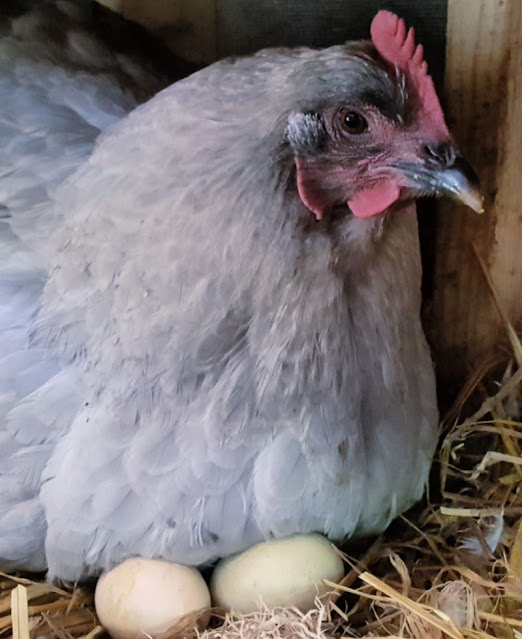

If you’re raising backyard chickens but don’t have electricity or don’t want to invest in an incubator, letting a broody hen do the work is nature’s most reliable hacking method. A single broody hen can hatch 12-15 eggs naturally, staying on the nest almost continuously while turning the eggs and maintaining perfect temperature. This guide walks you through setting up, managing, and supporting your broody hen through the complete hatching cycle.
How to Support Your Broody Hen Through Natural Egg Hatching
A broody hen instinctively knows how to incubate eggs, but you’ll need to create the right environment and monitor progress. Here’s the complete process from selection through hatch day.
What You Will Need
- A broody hen (a chicken showing nesting behavior, sitting tightly on eggs)
- Fertilized eggs from your flock or a trusted source (12-15 eggs)
- A separate nesting box or brooding cage in a quiet, protected location
- Bedding material like straw or wood shavings for the nest
- Food and water containers positioned within reach of the nesting hen
- Thermometer to monitor ambient temperature (65-75°F is ideal)
Steps
Identify and Isolate Your Broody Hen
Select a hen that’s actively broody, meaning she’s sitting tightly on a nest, refusing to leave, and fluffing her feathers defensively when disturbed. Move her to a separate brooding setup away from other chickens to prevent interference and egg breakage. This dedicated space reduces stress and lets her focus entirely on incubation.
Prepare a Safe Nesting Area
Create a quiet, draft-free nesting box lined with several inches of soft bedding. The box should be large enough for the hen to turn comfortably but small enough that eggs stay grouped together. Ensure proper ventilation without direct wind, and position it where predators cannot reach, such as inside a secure coop.
Place Fertile Eggs Under the Hen
Gently slide fertilized eggs under the broody hen during late evening when she’s most docile. Aim for 12-15 eggs depending on her size and body coverage. Mark the eggs lightly with pencil or crayon on one side so you can monitor if the hen turns them naturally (this is her job, not yours).
Provide Daily Food and Water Access
Place food and water containers just outside the nesting box so the hen can eat and drink without leaving the eggs for extended periods. Most broody hens will take brief breaks once or twice daily. Check containers daily and refill with fresh supplies to keep her nourished and hydrated throughout the 21-day cycle.
Monitor Temperature and Humidity
Keep the brooding area between 65-75°F ambient temperature; the hen’s body will provide the necessary incubation heat (around 99-102°F). While a broody hen self-regulates humidity through her body moisture, ensure the area isn’t too dry. Sprinkle nesting material lightly if conditions seem arid.
Candle Eggs Around Day 7-10
Using a light source, hold each egg up to see inside and check for development (a dark spot with blood vessels indicates fertility). Remove any clear or dead eggs to prevent them from spoiling and contaminating others. This step helps confirm eggs are viable and developing on schedule.
Minimize Disturbance After Day 18
During the final three days (lockdown period), stop candling and reduce visits to the nesting area. Chicks are internally pipping and repositioning for hatch. Excessive handling or disturbance can interfere with the hatching process and cause injury.
Allow Natural Hatching Without Intervention
Starting around day 21, chicks will begin hatching. Resist the urge to help unless a chick is clearly struggling after 24 hours of pipping. The broody hen will accept and warm newly hatched chicks instinctively. Once chicks are fluffy and mobile (usually 12-24 hours after hatch), they’ll follow her and begin eating on their own.
- A proven broody hen in a secure setup has a higher hatch rate than many electric incubators because she actively tends the eggs, adjusts positioning, and maintains ideal conditions automatically.
- If your hen leaves the nest for extended periods or stops being broody mid-cycle, have a backup plan like a heat lamp setup; some hens go broody but lose interest partway through.
- Keep detailed records by marking a calendar or notebook with hatch date and checking off candling results; this helps you predict hatch day and catch any problems early.
What to Look For in Broody Hen Setup Equipment
- Nesting Box Design: Choose a box that’s 12-14 inches square with solid sides and adequate ventilation holes. The box should be low-profile enough that a hen can enter easily but contained so eggs don’t roll away. Avoid wire-bottom boxes; a hen needs soft, enclosed bedding.
- Bedding Material Quality: Select absorbent, dust-free bedding like pine shavings or straw that won’t harbor bacteria or ammonia. Avoid cedar and treated wood, which can harm respiratory health. Fresh bedding supports sanitation and prevents disease.
- Feeding and Watering System: Look for waterers and feeders that are stable and difficult to tip, with capacity for multiple days if needed. Elevated feeders reduce bedding contamination. Gravity-feed or automatic systems reduce the need for constant refilling.
- Predator Protection and Security: Ensure the brooding setup is fully enclosed with no gaps larger than 1/4 inch to exclude predators, rats, and snakes. Solid construction and locking latches protect both the hen and eggs during the vulnerable 21-day period.
Grandpa’s Feeders Chicken Nesting Box with Ventilation
Best for: Broody hens and natural egg incubation
A fully enclosed wooden nesting box specifically designed for broody hens, featuring multiple ventilation holes to prevent moisture buildup without creating drafts. The 14-inch square interior provides ample room for the hen to turn and adjust eggs naturally. Solid construction and hinged top allow easy access for egg checking and bedding maintenance. This box creates the ideal dark, secure environment that encourages broody behavior and protects eggs from light and predators throughout the 21-day hatch cycle.
Check Current Price on Amazon →Little Giant Still Air Incubator Brooder Setup
Best for: Backup heat if broody hen abandons nest
While a broody hen is preferable, having a backup still-air setup ensures you won’t lose chicks if your hen goes broody unexpectedly. This all-in-one unit includes a heating element, thermostat, and egg turner capability, allowing seamless transfer of eggs if the broody hen stops sitting. The clear sides let you monitor without opening the unit, reducing temperature fluctuations during the critical final days.
Check Current Price on Amazon →Petsmart Premium Pine Shavings Bedding
Best for: Affordable, dust-free nesting material
Quality pine shavings provide soft, absorbent bedding that supports natural nesting behavior. The dust-free formula prevents respiratory irritation to both hen and developing chicks. One large bag covers multiple nesting boxes and lasts through the full 21-day cycle with spot cleaning. Pine shavings are safe, readily available, and cost-effective compared to specialty brooding substrates.
Check Current Price on Amazon →Millside Poultry Waterer Fountain 1 Gallon
Best for: Easy-access water management
A gravity-fed waterer that sits just outside the nesting box, reducing the need for constant refilling. The 1-gallon capacity ensures water availability throughout the day and night without disturbing the broody hen. Simple design prevents tipping, and the base is easy to clean. This reliable setup minimizes daily interventions while keeping your hen properly hydrated during the incubation period.
Check Current Price on Amazon →Start Your Natural Hatching Journey Today
Using a broody hen to hatch eggs is one of the most rewarding and reliable ways to increase your flock without electricity or expensive equipment. A good broody hen brings 21 days of nature’s wisdom to your homestead, making incubation nearly foolproof when you provide basic security, food, water, and monitoring. The process teaches you about chicken behavior, instinct, and the miracle of life while keeping costs low and stress minimal.
Begin by identifying a broody hen and setting up a secure, quiet nesting space this season. With the right setup and supportive care, you’ll watch chicks hatch naturally and grow under their mother’s attentive care. This time-tested method has worked for homesteaders and farmers for centuries, and it can work beautifully for you too.
Frequently Asked Questions
How do I know if my hen is actually broody?
A broody hen will sit tightly on the nest for extended periods, puff her feathers out defensively, refuse to leave even for food, and make brooding clucks. She may pull out her own feathers to increase contact with eggs. These signs indicate she’s hormonally ready and will naturally incubate eggs for 21 days.
Can I use unfertilized eggs or eggs from the grocery store?
No, unfertilized eggs will never hatch. You need fertilized eggs from your flock (if you have a rooster) or from a trusted breeder or hatchery. Grocery store eggs are always unfertilized and have been refrigerated, which damages the embryo.
What if my broody hen leaves the nest before day 21?
This occasionally happens and is called ‘going broody.’ If eggs cool below 95°F for more than a few hours, development stops and embryos may die. Keep a backup heat lamp setup ready, or gently return her to the nest if she wanders. Some hens lose interest mid-cycle; planning ahead prevents losing the entire clutch.
Should I help chicks hatch or let them do it themselves?
Let them hatch naturally. Helping (called ‘assisting’) can cause bleeding, membrane damage, and death. The only exception is if a chick has been actively pipping for 24+ hours with no progress. The broody hen will care for newly hatched chicks instinctively without your intervention.
How long after hatching can I separate chicks from the broody hen?
Leave chicks with the broody hen for at least 6-8 weeks. She’ll teach them to eat, drink, dust bathe, and stay warm. Separating too early causes stress and starvation. When chicks are fully feathered and the hen naturally reduces brooding, they’re ready for independent living.
As an Amazon Associate, Build & Bloom earns from qualifying purchases. We only recommend products we genuinely think are useful. Prices and availability vary; check Amazon for the latest.
Leave a Reply