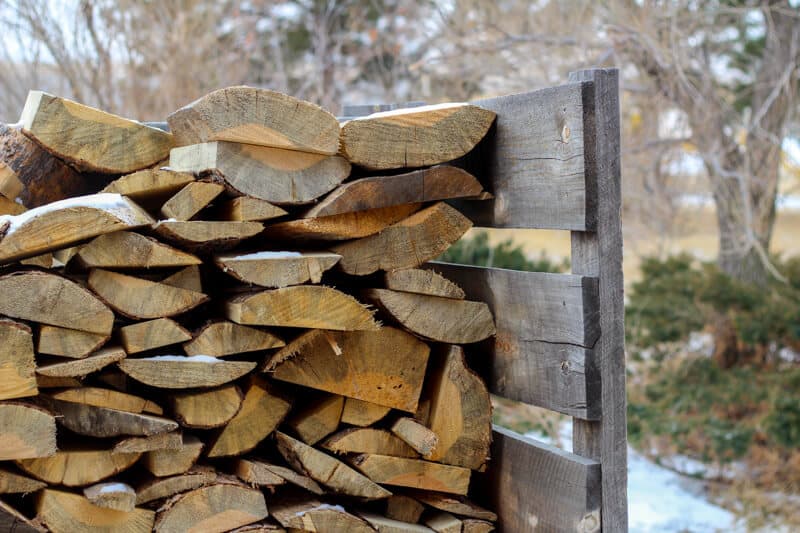

If you’re exploring off-grid living or looking to reduce your homestead’s energy bills, wood heating probably crossed your mind. But before you invest thousands in a stove or fireplace system, you need honest answers: Will it actually save money? How much work is involved? And is it practical for your property and climate? Let’s break down the real costs and benefits.
Key Factors in Evaluating Wood Heat for Your Homestead
Wood heating economics depend on several interconnected factors. Understanding each one helps you make a decision based on your specific situation, not general assumptions.
Key Concepts
- Firewood availability: whether you have trees on your property, access to free wood, or must purchase cords
- Labor requirements: chainsaw operation, splitting, stacking, and year-round maintenance time
- Climate and heating season: how many months you’ll actually need heat and your region’s winter intensity
- Equipment costs: initial investment in a quality stove, chimney, installation, and maintenance
- Heat distribution: how effectively the system covers living space and reduces reliance on backup heating
- Storage capacity: adequate covered space to season and store 2-3 cords of properly dried wood
Principles
Calculate Your True Firewood Costs
Start by determining your firewood source. If cutting from your own land, factor in equipment wear, fuel, and 40-80 labor hours per cord. If purchasing, get local pricing (typically $150-400 per cord depending on region and seasoning). Homesteaders often underestimate labor value, making ‘free’ wood far more expensive than it appears. Compare this total against your current heating costs to see if economics make sense.
Assess Your Climate and Heating Needs
Wood heat works best in climates requiring 4+ months of heating. In mild climates, you’ll run the stove only occasionally, meaning low fuel consumption doesn’t justify equipment investment. Calculate your home’s square footage and insulation level, then research whether wood heat alone can maintain livable temperatures or if you’ll need backup systems. Poorly insulated homes waste firewood; improving insulation first often delivers better returns.
Evaluate Available Space and Storage
Wood must be seasoned 6-12 months before burning, meaning you need covered storage for 2-3 cords minimum. Inadequate storage forces you to burn wet wood, which reduces heat output by 50% and increases creosote buildup in chimneys. Measure available space under porches, in barns, or in dedicated woodsheds. If your property lacks this space, wood heating becomes logistically difficult.
Account for Realistic Time Investment
Wood heating requires daily attention during heating season: loading the stove, managing air vents, cleaning ash, and monitoring temperatures. Add seasonal tasks like chimney sweeping (annual or more), equipment repairs, and split-wood management. If you work full-time off-property, this labor burden may outweigh savings. Homesteaders with flexible schedules and on-site presence handle this better.
Research Installation and Equipment Costs
A quality wood stove costs $1,500-4,000; chimney installation adds $2,000-5,000. Professional installation, hearth pad, and safety clearances are non-negotiable expenses. Calculate payback period: if you save $1,200 annually on heating, a $6,000 system takes 5 years to break even before repair costs. Factor in replacements, chimney cleaning ($150-300 annually), and potential repairs ($300-1,000 over 10 years).
Compare Heat Output to Your Home’s Needs
A quality wood stove produces 50,000-90,000 BTU per hour. Calculate your home’s heating demand using square footage and insulation R-value to determine if wood heat can be your primary system or serves supplemental purposes only. Large, drafty homes may need multiple stoves or auxiliary heating, increasing costs. Newer high-efficiency stoves recapture more heat but carry premium price tags.
Make Your Cost-Benefit Decision
Compile total costs: firewood (including your labor), equipment, installation, maintenance, and chimney cleaning over 10 years. Divide by annual fuel cost savings to find true payback period. Wood heating makes sense if you have free firewood, enjoy the work, live in a cold climate, and stay long-term. It rarely pencils out in mild climates or for absentee homeowners, regardless of romantic appeal.
- Seasoned firewood is non-negotiable: wet wood wastes fuel, produces 50% less heat, and causes dangerous chimney creosote buildup. Plan to cut wood 12-18 months before burning.
- Improve home insulation first: upgrading attic insulation, sealing air leaks, and adding weatherstripping often delivers faster heating cost reduction than adding a wood stove.
- Start small with a backup system: use wood heat to supplement your primary heating for one winter to validate the work commitment before major investment.
What to Look For in Wood Heating Equipment
- Efficiency Rating: EPA-certified wood stoves achieve 70-90% efficiency, meaning less wood burned for equivalent heat. Older stoves and fireplaces waste 60-80% of heat up the chimney. Efficiency directly impacts annual firewood consumption and long-term costs.
- BTU Output and Size: Stove output ranges from 40,000 to 100,000 BTU/hour. Match output to your home’s square footage and insulation; oversized stoves cycle on/off constantly and waste fuel, while undersized units run continuously without heating adequately.
- Burn Time Between Loads: Quality stoves hold a fire for 8-12 hours, allowing overnight burning without attention. Budget models may burn 4-6 hours, requiring multiple daily loads. Longer burn times reduce daily labor and provide consistent heat.
- Build Quality and Longevity: Cast iron and steel construction from established manufacturers (20+ years in business) indicates durability. Cheap imports have high failure rates. Research warranty length and parts availability; quality stoves last 20-30 years with maintenance.
Drolet Escape 1800-I Wood Stove
Best for: Homesteaders wanting reliable EPA-certified heating
The Drolet Escape 1800-I is an EPA-certified wood stove delivering 65,000 BTU/hour with 82% efficiency, heating 1,000-2,000 sq ft effectively. Its cast-iron construction, 8-10 hour burn time, and reversible flue connection make it adaptable to various installations. Owner reviews highlight consistent heating performance and durability spanning 15+ years.
Check Current Price on Amazon →US Stove Company Ashley Wood Stove
Best for: Budget-conscious homesteaders seeking baseline functionality
The Ashley delivers 50,000 BTU/hour heating at a lower price point than premium brands. While non-EPA certified, it offers straightforward operation and basic heat output sufficient for supplemental heating or smaller cabins. Steel construction requires more maintenance than cast iron but remains serviceable for 10-15 years with proper care.
Check Current Price on Amazon →Napoleon Wood Burning Stove NL60
Best for: First-time wood heat users wanting ease of use
The Napoleon NL60 features a glass door for viewing flames, easy-to-use air controls, and 60,000 BTU output. Its intuitive design lets beginners adjust heating without guesswork. Cast-iron grates and simple ash removal appeal to those unfamiliar with wood stove operation. Many users praise its learning curve advantage over complex high-efficiency models.
Check Current Price on Amazon →Jotul F 500 Oslo Wood Stove
Best for: Homesteaders prioritizing efficiency and aesthetics
The Jotul F 500 delivers 88% efficiency with 75,000 BTU/hour output and Scandinavian design that complements any home interior. Soapstone thermal mass absorbs and radiates heat slowly after fires die, extending warmth into cooler hours. Premium construction promises 30+ year lifespan, making it a long-term investment for serious wood heat advocates.
Check Current Price on Amazon →Is Wood Heating Right for Your Homestead?
Wood heating can deliver real savings and off-grid independence, but only if your specific situation aligns with its demands. Before investing thousands in equipment, honestly assess your firewood access, available labor time, climate zone, and home insulation. Homesteaders with free or cheap firewood sources, cold winters, and flexibility to manage daily stove duties often find it worthwhile. Those in mild climates, with limited time, or without nearby wood sources typically discover the romance fades when facing split-wood reality.
Start your wood-heat journey by calculating your true firewood costs (including labor), researching local installation expenses, and testing the commitment for one winter with a rental stove or smaller system before major investment. Talk to neighboring homesteaders who heat with wood; their honest feedback about labor, equipment reliability, and actual savings trumps any marketing promise. If the numbers work and you genuinely enjoy the work, quality wood stoves deliver decades of reliable heating and independence from grid power and fossil fuel price swings.
Frequently Asked Questions
How much does it cost to install a wood stove?
Professional installation typically runs $2,000-5,000 including chimney, flashing, hearth pad, and safety clearances. DIY installation saves $500-1,500 in labor but requires proper knowledge to meet building codes. Factor this into your overall cost-benefit analysis before purchasing equipment.
Can I use wood heat as my only heating system?
Yes, but only if your home is well-insulated, your climate requires consistent winter heating, and you’re present daily to maintain fires. Most homesteaders find wood heat works best as a primary system supplemented by backup electric or propane heating for emergencies or overnight absences.
How much firewood does a homestead need annually?
Average consumption ranges 3-8 cords per year depending on stove efficiency, climate, home size, and insulation. EPA-certified stoves burning seasoned wood need less; older stoves and wet wood dramatically increase consumption. Calculate your specific need based on heating-degree-days in your region.
What’s the difference between seasoned and unseasoned wood?
Seasoned wood (dried 6-12 months) contains 15-20% moisture and burns hot, producing maximum BTU output. Unseasoned wood has 30-50% moisture, wastes energy evaporating water, produces less heat, and deposits dangerous creosote in chimneys. Always burn seasoned wood only.
Do I need a chimney sweep if I burn wood?
Yes, annual or bi-annual chimney sweeping is essential safety maintenance. Creosote buildup from burning creates fire hazards and reduces draft efficiency. Professional sweeping costs $150-300 yearly but prevents expensive damage and potential fires.
As an Amazon Associate, Build & Bloom earns from qualifying purchases. We only recommend products we genuinely think are useful. Prices and availability vary; check Amazon for the latest.
Leave a Reply