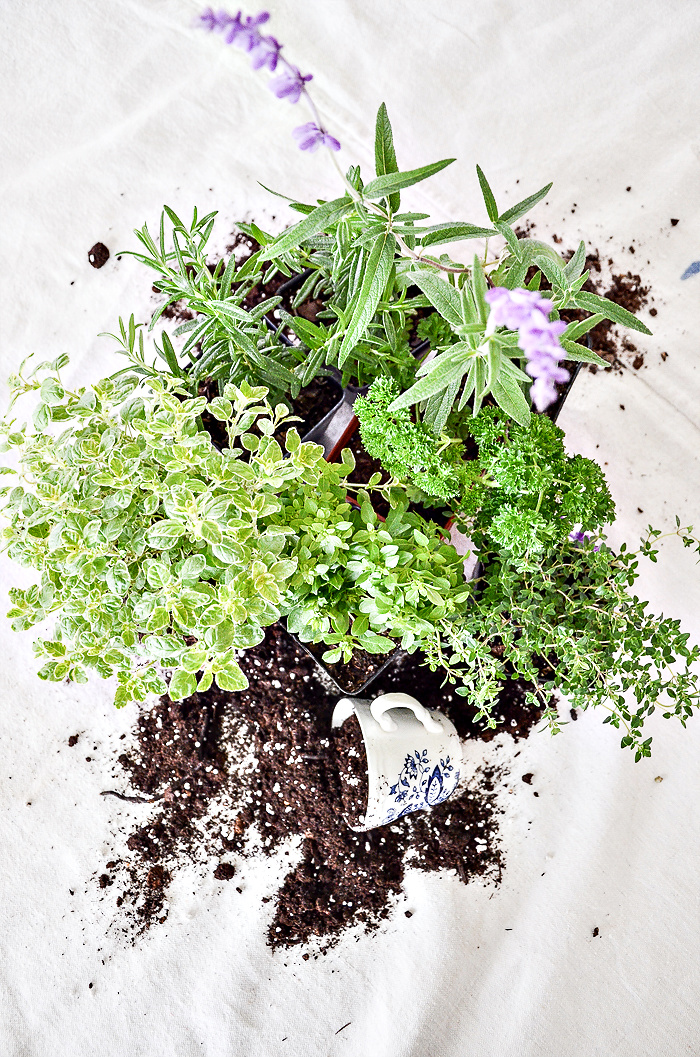

Growing herbs in containers is one of the easiest ways to have fresh, homegrown seasoning at your fingertips—whether you have a sprawling garden or just a sunny windowsill. Container gardening eliminates soil quality worries, takes up minimal space, and gives you complete control over watering and sunlight. If you’ve wanted to start an herb garden but thought you needed lots of land, this method proves you wrong.
How to Start Your Herb Container Garden
Creating a thriving herb container garden requires just a few essential steps. Follow this process to get your herbs established and producing within weeks.
What You Will Need
- Containers with drainage holes (at least 6-8 inches deep for most herbs)
- Quality potting soil or seed-starting mix (not garden soil)
- Herb seedlings or seeds suited to your climate zone
- A sunny location with 6-8 hours of direct sunlight daily
- Watering can with a fine spray nozzle
- Optional: small stakes or supports for taller varieties
Steps
Select Your Containers
Choose containers that are at least 6-8 inches deep with drainage holes in the bottom. One herb can live in a 6-inch pot, but larger containers (10-12 inches) allow for multiple plantings or faster growth. Make sure containers are clean and ready to fill.
Fill with Quality Potting Mix
Pour potting soil into your container until it’s about three-quarters full. Pat it down lightly to remove air pockets, then moisten the soil with water before planting. Avoid using garden soil, which compacts in containers and prevents proper drainage.
Plant Your Herbs
Place your seedling or seed into the soil at the same depth it was previously growing. For seeds, follow packet instructions for planting depth. Space multiple herbs according to their mature size, keeping faster-growing varieties away from slower ones.
Water Thoroughly
Water immediately after planting until water drains from the bottom holes. Most herbs prefer consistently moist (but not waterlogged) soil. Check soil daily and water when the top inch feels dry to the touch.
Position in Sunlight
Place containers where they receive 6-8 hours of direct sunlight daily. South or west-facing windowsills work best indoors. If natural light is limited, consider a grow light positioned 6-12 inches above the plants.
Establish a Feeding Schedule
After 4-6 weeks of growth, begin feeding with a balanced, water-soluble fertilizer every 2-3 weeks. Potting soil has limited nutrients, so regular feeding encourages vigorous growth and prevents yellowing leaves.
Harvest Regularly
Begin pinching or cutting leaves once plants have at least 6-8 true leaves. Regular harvesting encourages bushier growth and prevents flowering, which extends the productive season. Never remove more than one-third of the plant at once.
- Group herbs by water needs—keep mint (thirsty) separate from rosemary (drought-tolerant) to avoid over or underwatering
- Rotate containers weekly to ensure even light exposure and prevent one-sided, leggy growth
- Deadhead flowers on basil and oregano to redirect energy into leaf production rather than seed production
What to Look For in Herb Container Garden Supplies
- Drainage Capability: Containers must have drainage holes in the bottom to prevent root rot. Look for multiple small holes rather than one large hole for better water distribution.
- Container Size and Material: Terracotta breathes well but dries quickly; plastic retains moisture longer. Most herbs need 6-8 inches minimum depth. Larger containers (10-14 inches) are more forgiving for beginners.
- Potting Soil Quality: Premium potting mixes contain perlite or bark for drainage and won’t compact over time. Avoid ‘garden soil’ or ‘topsoil’ which are too heavy for containers and retain excess water.
- Sunlight Access: Most culinary herbs need 6-8 hours of direct sun daily. If natural light is insufficient, a small LED grow light provides affordable supplemental lighting for indoor gardeners.
Bloem Eco Planter Container 10-Inch Pot with Drainage
Best for: Anyone starting their first herb container garden
These durable resin containers feature built-in drainage holes and come in neutral colors that suit any decor. The 10-inch diameter gives herbs plenty of room to establish strong root systems, and the lightweight design makes repositioning for optimal sunlight effortless. They’re affordable enough to buy several, perfect for growing a diverse herb collection.
Check Current Price on Amazon →Pennington Nursery Plastic 6-Inch Pots (Pack of 10)
Best for: Budget-conscious beginners growing single herbs
This 10-pack of basic plastic containers costs just a few dollars total, making it perfect for starting multiple herb experiments without major investment. Each pot has drainage holes and measures 6 inches across, suitable for basil, parsley, chives, and other medium herbs. The lightweight plastic is easy to move and clean between seasons.
Check Current Price on Amazon →Miracle-Gro Indoor Potting Mix (8 Qt Bag)
Best for: New gardeners needing reliable, ready-to-use soil
This premium potting mix is specifically formulated for indoor container plants with built-in plant food and moisture control. The blend includes sphagnum peat moss, perlite, and fertilizer, eliminating the guesswork of mixing components yourself. One 8-quart bag fills approximately five 6-inch pots.
Check Current Price on Amazon →Cliton Terracotta Plant Pots 8-Inch Handcrafted Set
Best for: Gardeners wanting attractive, sustainable containers
These handcrafted terracotta pots add rustic beauty to windowsills and patios while providing excellent drainage and air circulation for herb roots. Terracotta naturally breathes, preventing moisture buildup, though it dries faster than plastic and may need more frequent watering. The 8-inch size accommodates multiple herbs or one large plant.
Check Current Price on Amazon →Start Your Herb Container Garden This Week
Container herb gardening removes every barrier to growing fresh herbs at home. With just a few dollars invested in a pot, soil, and seedlings, you’ll have years of harvests at your fingertips. Whether you’re growing a single basil plant on a kitchen windowsill or establishing a full herb collection across your patio, the same principles apply: good drainage, adequate sunlight, and consistent moisture create thriving herbs.
The best time to start is today. Grab a container, fill it with quality potting soil, plant your first herb seedling, and place it where it’ll get plenty of light. Within weeks, you’ll be harvesting fresh herbs for cooking—and you’ll wonder why you didn’t start sooner. Each successful harvest will inspire you to expand your collection and try new varieties.
Frequently Asked Questions
What herbs are easiest for container gardening beginners?
Basil, mint, parsley, and chives are the most forgiving herbs for beginners. They grow quickly, tolerate variable watering, and don’t need intense sunlight. Rosemary and thyme are slightly more demanding but still beginner-friendly once established.
How often should I water my herb containers?
Check soil daily by inserting your finger one inch deep. Water when it feels dry at that depth, usually every 1-3 days depending on temperature, humidity, and container size. Overwatering causes root rot faster than underwatering, so err on the side of slightly dry.
Can I grow herbs indoors under artificial light?
Yes, absolutely. Most culinary herbs need 6-8 hours of light daily, which can come from LED grow lights positioned 6-12 inches above plants. A simple shop light with standard bulbs also works, though LED is more energy-efficient.
Should I grow different herbs in the same container?
You can, but group herbs by water and sunlight needs. Mint and basil (thirsty) shouldn’t share with rosemary (drought-tolerant). Tall herbs like basil and dill can shade smaller plants like thyme, so consider height when planning combinations.
How long before I can harvest herbs from seedlings?
Most seedlings begin producing harvestable leaves within 3-4 weeks. Avoid heavy harvesting in the first month to let the plant establish a strong root system. Once the plant has 8-10 leaves, you can safely pinch off the top third regularly.
As an Amazon Associate, Build & Bloom earns from qualifying purchases. We only recommend products we genuinely think are useful. Prices and availability vary; check Amazon for the latest.
Leave a Reply