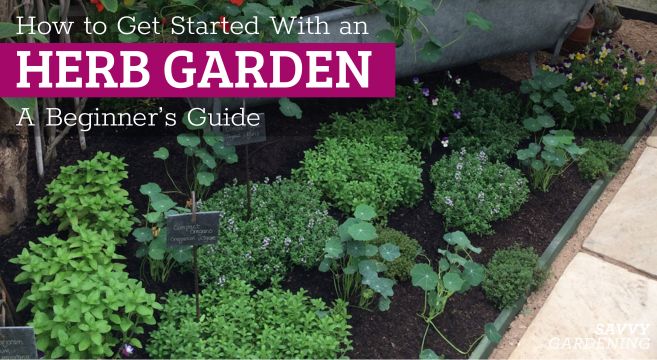

You’ve seen fresh herbs at the farmers market and thought, ‘I could grow that.’ The truth is, herb gardening is one of the easiest ways to start your homestead journey. Unlike vegetables that demand fussy timing or ornamental plants that need pampering, culinary herbs are forgiving, fast-growing, and deliver real results in weeks. Whether you have a sunny windowsill, a patio corner, or a full garden bed, this guide walks you through everything you need to get your first herbs thriving.
How to Start Growing Herbs as a Beginner
Herb gardening requires minimal equipment and space. Follow these eight steps to plant, nurture, and harvest your first homegrown herbs.
What You Will Need
- Containers with drainage holes (6-12 inches deep minimum)
- Potting soil or seed-starting mix
- Herb seeds or seedlings from a nursery
- A location with at least 6 hours of sunlight daily
- A watering can or spray bottle
- Optional: small trowel or spoon for planting
Steps
Choose Your Herbs Wisely
Select beginner-friendly herbs that tolerate neglect and grow quickly. Basil, mint, parsley, chives, and oregano are ideal starting points because they germinate fast, require minimal fussing, and deliver harvests within 3-6 weeks. Avoid slow-growing herbs like rosemary or lavender until you gain confidence.
Prepare Your Containers
Use pots with drainage holes in the bottom to prevent waterlogged roots, which is the number one killer of beginner herb plants. Fill each container with fresh potting soil, leaving about an inch of space from the rim. Tap the soil gently to remove air pockets but avoid compacting it too firmly.
Plant Seeds or Seedlings
If starting from seeds, follow packet instructions for depth and spacing. Most herb seeds go just 1/4 inch below soil surface. If using nursery seedlings, gently remove them from their original pot and place them in your prepared container at the same depth they were growing before. Water lightly to settle the soil.
Position for Maximum Light
Place your containers in a location receiving at least 6 hours of direct sunlight daily. A south- or west-facing windowsill indoors works well, or a sunny patio spot outdoors. Insufficient light causes leggy, weak growth. If natural light is limited, consider a small grow light positioned 6 inches above the plants.
Water Consistently but Not Excessively
Check soil moisture by touching it with your finger. Water when the top half-inch feels dry, but never let the pot sit in standing water. Most herbs prefer slightly moist soil, not soggy. In hot weather, daily watering may be necessary; in cooler seasons, every 2-3 days may suffice.
Provide Air Circulation
Good airflow prevents fungal diseases and encourages stronger growth. If growing indoors, position plants near a window that opens or use a small fan on low speed. Outdoors, simply avoid crowding pots too closely together. Thin seedlings if they sprout too densely.
Pinch Back Growing Tips
Once plants develop 4-6 true leaves, pinch off the top growing tip with your fingers. This encourages bushier, fuller growth instead of tall, leggy stems. Continue pinching back flower buds on herbs like basil to redirect energy into leaf production, which is what you’re harvesting.
Harvest Regularly to Promote Growth
Begin harvesting when plants are established and leafy, typically 3-4 weeks after planting. Pinch or cut outer leaves and stems from the top down, never removing more than one-third of the plant at a time. Regular harvesting actually stimulates bushier growth and extends the productive season.
- Start with just 3-4 herb types in your first season. Success builds confidence more than ambitious variety that becomes overwhelming.
- Group plants by water needs: basil and mint prefer consistent moisture, while oregano and thyme like drier conditions between waterings.
- Save money by starting from seeds indoors 6-8 weeks before your last frost if you have outdoor garden space, then transplant to the garden.
What to Look For in Beginner Herb Growing Supplies
- Drainage and Depth: Containers must have holes in the bottom and be at least 6 inches deep for most culinary herbs. Shallow containers dry out too quickly; missing drainage causes root rot. Terra cotta is forgiving because it breathes, but plastic works fine if you monitor watering closely.
- Soil Quality: Use potting soil or seed-starting mix, not garden soil from outdoors. Commercial mixes are sterile, well-draining, and formulated for container growth. Budget options work fine for beginners; expensive premium blends offer minimal advantage unless you’re growing year-round.
- Light Source: Natural sunlight from a south-facing window is ideal and free. If natural light is under 6 hours daily, invest in an affordable LED grow light positioned correctly. Insufficient light is the most common beginner failure point, so prioritize this.
- Seed or Seedling Quality: Buy seeds from reputable companies with recent harvest dates, or purchase vigorous seedlings from established nurseries. Cheap, old seeds germinate poorly and waste effort. Starting with healthy seedlings gives beginners a faster success rate and reduces frustration.
Terracotta Pot with Saucer Set (6-inch, pack of 3)
Best for: First-time herb growers
Terracotta’s porous nature naturally prevents overwatering, the biggest beginner mistake. These classic 6-inch pots are ideal for single basil, mint, or parsley plants, and the included saucers catch drainage water. The set of three lets you grow three different herbs simultaneously, keeping costs down while giving you variety. Terracotta is forgiving, durable, and blends into any kitchen or garden aesthetic. The natural material warms in sunlight, which many herbs prefer.
Check Current Price on Amazon →Miracle-Gro Potting Mix (8 qt bag)
Best for: Cost-conscious beginners
This standard potting soil works reliably for all culinary herbs at an affordable price point. The 8-quart bag fills multiple containers and stays fresher longer than smaller packages. It drains well, retains adequate moisture, and comes from a trusted brand. No need to splurge on premium organic mixes when starting out; this baseline option sets you up for success without unnecessary expense. Many experienced gardeners use this same product.
Check Current Price on Amazon →Johnny’s Selected Seeds Herb Collection (basil, parsley, chives, mint)
Best for: New gardeners wanting variety
This curated four-herb seed pack removes the guesswork of choosing which varieties to try first. Each packet contains the easiest, most reliable varieties for beginners, and Johnny’s provides clear, detailed growing instructions tailored to each herb. The seeds are fresh and have high germination rates, dramatically increasing your success odds compared to discount seed sources. Starting with proven varieties builds confidence and prevents early frustration.
Check Current Price on Amazon →Seedlings Direct Herb Starter Kit (includes 4 plants, soil, pots)
Best for: Gardeners wanting immediate results
Skip the waiting period and start with established seedlings ready to grow. This kit includes four healthy herb plants, quality potting soil, and proper containers, eliminating the guesswork on soil quality or pot selection. You’ll harvest fresh herbs in days rather than weeks. Perfect for impatient beginners or anyone gifting to a new gardener who wants fast gratification. The kit’s pre-selected herbs are chosen for compatibility and beginner success.
Check Current Price on Amazon →Start Your Herb Garden This Week
Herb gardening is the perfect entry point into growing your own food. The barrier to entry is genuinely low: a pot, soil, seeds or seedlings, sunlight, and water. Within weeks, you’ll harvest fresh basil for pasta, mint for tea, or parsley for any meal. The sense of accomplishment far exceeds the minimal effort required. Most beginners who succeed with herbs go on to try vegetables or expand their growing operation, discovering a rewarding hobby they didn’t expect.
Start small and intentional. Choose three herbs you actually cook with, give them proper drainage and light, and water when soil dries out. Resist the urge to buy fifty different varieties or complex equipment. The products recommended above cover everything you need without unnecessary expense or complication. Once you’ve harvested your first batch of homegrown herbs, you’ll understand why gardeners talk about growing their own food with such enthusiasm. Let this guide be your starting point, not your ending point.
Frequently Asked Questions
How long until I can harvest herbs after planting seeds?
Most fast-growing culinary herbs like basil, parsley, and chives are ready to begin light harvesting in 3-4 weeks from seed. If you start with seedlings from a nursery, you can harvest within 1-2 weeks. Always wait until plants have developed several true leaves before harvesting to avoid stunting growth.
Can I grow herbs indoors on a regular kitchen windowsill without a grow light?
Yes, if your window receives at least 6 hours of direct sunlight daily. South- or west-facing windows work best. In winter or low-light homes, a basic LED grow light costs under fifty dollars and dramatically improves success. Without adequate light, herbs become weak and leggy regardless of other care.
What’s the most common mistake beginners make with herbs?
Overwatering is the number one killer. Herb roots rot in soggy soil faster than they dry out. Check soil moisture daily with your finger; water only when the top half-inch feels dry. Terracotta pots or containers with large drainage holes help prevent this problem.
Can I grow multiple herbs in one large pot, or should each have its own container?
Individual pots are simpler for beginners because different herbs have different water and drainage needs. Mint is thirsty, oregano prefers drier conditions. As you gain experience, you can experiment with herb companions, but start with one herb per pot for the highest success rate.
Do herb plants produce year-round, or is there an off-season indoors?
Indoors under consistent light and warmth, many herbs produce year-round, though growth slows in winter. Basil specifically hates cold and performs best spring through fall. Most home gardeners find their indoor herb production drops in winter unless they use a grow light. Outdoors, harvest seasons depend on your climate zone.
As an Amazon Associate, Build & Bloom earns from qualifying purchases. We only recommend products we genuinely think are useful. Prices and availability vary; check Amazon for the latest.
Leave a Reply