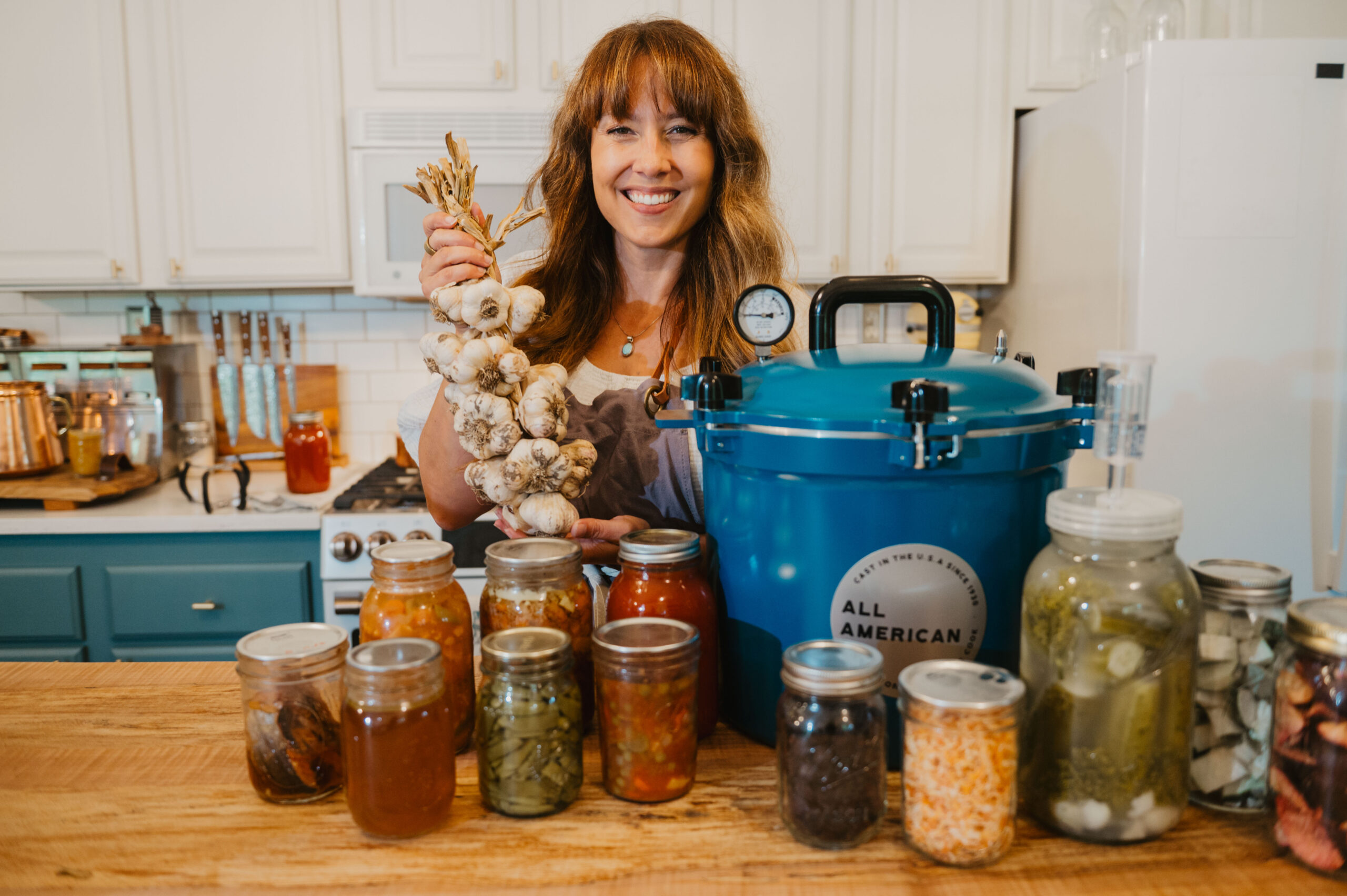

Staring at a bumper crop of tomatoes, beans, or berries and wondering which preservation method will actually work? The mistake most homesteaders make is using the wrong technique for the wrong food—which can waste your harvest or worse, create food safety issues. The good news is that matching your produce to the right preservation method is straightforward once you understand the principles behind each technique.
Understanding Food Preservation Methods and Food Types
Each preservation method works by stopping microbial growth through different mechanisms. Understanding these principles helps you choose correctly for every food you grow.
Key Concepts
- Acidity level – Foods with pH below 4.6 (tomatoes, citrus, berries) are high-acid; foods above this (beans, corn, leafy greens) are low-acid
- Water content – High-moisture foods like cucumbers and fruits need different treatment than low-moisture foods like beans and grains
- Heat sensitivity – Some foods preserve better with gentler methods; others require high-temperature processing
- Microbial threats – Understanding which organisms you’re protecting against determines your method effectiveness
- Desired shelf life – Some methods preserve for months; others for years
Principles
Assess Your Food’s Acidity
Determine whether your produce is naturally high-acid or low-acid. High-acid foods like tomatoes, pickles, jams, and most fruits can be safely preserved using a water bath canner, which reaches 212 degrees Fahrenheit. Low-acid foods like beans, corn, meats, and most vegetables require pressure canning to reach 240+ degrees and eliminate botulism spores. This is the most critical decision point for safety.
Choose Water Bath Canning for High-Acid Foods
Water bath canning is the gentlest heat processing method, perfect for jams, jellies, pickled vegetables, and high-acid fruits. The boiling water destroys yeasts, molds, and bacteria that spoil food. This method is straightforward, requires minimal equipment, and works reliably for foods that already have protective acidity built in. Process times typically range from 5 to 25 minutes depending on the recipe.
Apply Pressure Canning for Low-Acid Foods
Low-acid foods demand pressure canning because boiling water alone cannot reach the temperature needed to destroy Clostridium botulinum spores. A pressure canner forces steam into a sealed vessel, reaching 240-250 degrees Fahrenheit. This method handles beans, corn, root vegetables, and meat safely. Process times are longer (typically 20-90 minutes) but the shelf stability extends to one year or more when done correctly.
Use Freezing for Maximum Nutrient Retention
Freezing stops microbial growth by making water unavailable to bacteria and fungi, but it doesn’t kill existing organisms. This method works beautifully for berries, stone fruits, vegetables, and prepared dishes when you can maintain consistent freezer temperature. Freezing preserves nutrients better than heat methods but requires ongoing energy input. Properly frozen foods last 8-12 months for best quality.
Apply Drying for Shelf-Stable Lightweight Storage
Drying removes water until moisture content drops below 20%, preventing microbial growth. Herbs, peppers, tomatoes, and fruits dry effectively using low heat over 6-24 hours. This method concentrates flavors, reduces storage space, and requires no energy after processing is complete. Dried foods last 6-12 months in airtight containers. Use this for herbs, hot peppers, tomatoes, and fruits especially.
Consider Fermentation for Probiotics and Flavor
Fermentation uses salt and beneficial bacteria to create an acidic environment that preserves food while building probiotics. Cabbage becomes sauerkraut, cucumbers become pickles, and leafy greens become nutrient-dense sides. The process takes days to weeks, requires cool storage, and creates living foods with extended shelf life. Fermented foods last several months refrigerated and add digestive benefits.
Match Method to Intended Use and Timeline
Consider how you plan to use the food. If you want jam ready to spread this week, water bath canning works. If you’re building a year-round pantry of shelf-stable foods, pressure canning and drying excel. If you want maximum nutrition and can use foods within months, freezing is ideal. If you want fermented vegetables for digestion support, fermentation is worth the wait.
Document Your Process and Results
Record which method you used, processing time, date, and how long foods actually lasted in storage. This data helps you refine future preservation seasons and troubleshoot any issues. Note flavor changes, texture outcomes, and whether the method worked well for that particular food. Over time, this becomes your personal preservation playbook.
- Start with high-acid foods like tomatoes and berries using water bath canning—they’re the safest entry point and most forgiving method
- Never skip the ‘headspace’ requirement (leaving 1/4 to 1 inch of air space) when canning; this allows for expansion and proper sealing
- Invest in reliable thermometers and timers; accurate temperature and timing are non-negotiable for food safety in pressure canning
What to Look For in Food Preservation Equipment
- Canner Type and Capacity: Water bath canners hold 7-10 quart jars; pressure canners hold 4-7 quarts. Consider your typical batch size and storage space. Pressure canners are heavier-duty and more expensive but handle both high-acid and low-acid foods.
- Gauge Type and Accuracy: Weighted gauges are low-maintenance and reliable; dial gauges require annual testing but give precise readings. Both work well—choose based on whether you prefer simplicity or real-time monitoring.
- Material and Durability: Stainless steel canners resist corrosion better than aluminum and last decades with proper care. Look for thick-bottomed models that heat evenly and distribute temperature consistently.
- Ease of Use and Cleaning: Simple designs with removable racks and wide mouths are easier to load and clean. Some models have convenient features like pour-spout design or stay-cool handles that add value.
Presto 01745 23-Quart Pressure Canner
Best for: Serious homesteaders preserving mixed foods
This large-capacity pressure canner handles both water bath and pressure canning tasks, making it the most versatile choice for homesteaders who preserve year-round. With a weighted gauge that requires no calibration, it reaches 15 PSI reliably and processes up to 7 quarts at once. The sturdy construction and aluminum body heat quickly and distribute temperature evenly. At this price point, it delivers professional-grade performance for hobbyists and serious gardeners alike.
Check Current Price on Amazon →Ball Home Canning Water Bath Canner Kit
Best for: First-time canners starting with jams and pickles
This complete kit includes the water bath canner, jar rack, lid lifter, bubble remover, and headspace measuring tool. Everything a beginner needs arrives in one box, eliminating guesswork about what to buy. The 21-quart capacity handles large batches, and the flat bottom sits securely on any cooktop. Water bath canning is the safest entry point to food preservation, and this kit makes the process foolproof.
Check Current Price on Amazon →All American 910 10-Quart Pressure Canner
Best for: Budget-conscious gardeners wanting reliability
This American-made pressure canner uses a dial gauge and offers solid durability without premium pricing. The 10-quart capacity handles most home preservation batches, and the aluminum construction heats quickly. While it requires annual gauge testing (about $10), the straightforward design has no complicated parts to fail. Long-term value is excellent for homesteaders planning to preserve for decades.
Check Current Price on Amazon →Mirro 92122A 22-Quart Pressure Canner
Best for: High-volume preservers managing large harvests
The oversized 22-quart capacity processes up to 7 quarts at once, cutting processing sessions in half for large-scale homesteads. The dial gauge provides real-time PSI monitoring, and the heavy-gauge aluminum ensures even heating across your largest batches. This is the choice for families preserving 50+ pounds of produce annually or those who help neighbors and friends preserve their harvests.
Check Current Price on Amazon →Choosing Your Preservation Method: Final Recommendations
The best preservation method isn’t about choosing one technique to rule them all—it’s about matching each food to the method where it thrives. Start with water bath canning if you grow tomatoes, berries, or cucumbers; it’s the gentlest, safest entry point. Add pressure canning once you’re confident and want to preserve low-acid foods like beans and root vegetables. Layer in freezing for out-of-season smoothies and fermentation for living foods that support digestion. Most successful homesteaders use all five methods, rotating between them based on what they’re harvesting and how they want to use it.
Your first investment should be quality canning equipment—either a water bath canner to start or a pressure canner if you plan to preserve mixed foods. Read through the USDA Complete Guide to Home Canning before your first session, and follow tested recipes exactly rather than experimenting. Document what works; your personal preservation notes become more valuable than any article as you dial in the methods that fit your garden, kitchen, and family’s needs. The goal isn’t perfection—it’s building resilience and self-sufficiency one jar at a time.
Frequently Asked Questions
Is it safe to use a water bath canner for low-acid foods like beans?
No—water bath canning reaches only 212 degrees Fahrenheit, which is insufficient to destroy botulism spores in low-acid foods. Always use a pressure canner for beans, corn, meats, and most vegetables. Using the wrong method creates serious food safety risks.
How long do home-canned foods actually last?
Properly canned foods last 1-5 years when stored in a cool, dark place. Water bath canned jams and pickles stay best for 1-2 years. Pressure canned vegetables and meats maintain quality for 3-5 years. Quality degrades gradually after these timeframes, though they remain safe if properly sealed.
Can I adjust processing times for altitude?
Yes—altitude significantly affects boiling point and pressure needed. Above 1,000 feet elevation, increase water bath processing time or increase pressure canner PSI according to USDA guidelines. Skipping altitude adjustments can result in under-processing and food spoilage.
What’s the difference between hot pack and raw pack canning?
Hot pack means heating food before filling jars; raw pack means filling jars with unheated food. Hot pack canning produces better color and texture, reduces floating, and sometimes allows shorter processing times. Raw pack is faster prep but may require longer processing and higher pressure settings.
Do I need special jars, lids, and rings for canning?
Yes—use only canning jars rated for preservation; regular jars may shatter under pressure. Lids and rings are consumables; always use new lids each time (rings are reusable). Mixing jar types or reusing lids risks seal failure and food spoilage.
As an Amazon Associate, Build & Bloom earns from qualifying purchases. We only recommend products we genuinely think are useful. Prices and availability vary; check Amazon for the latest.
Leave a Reply