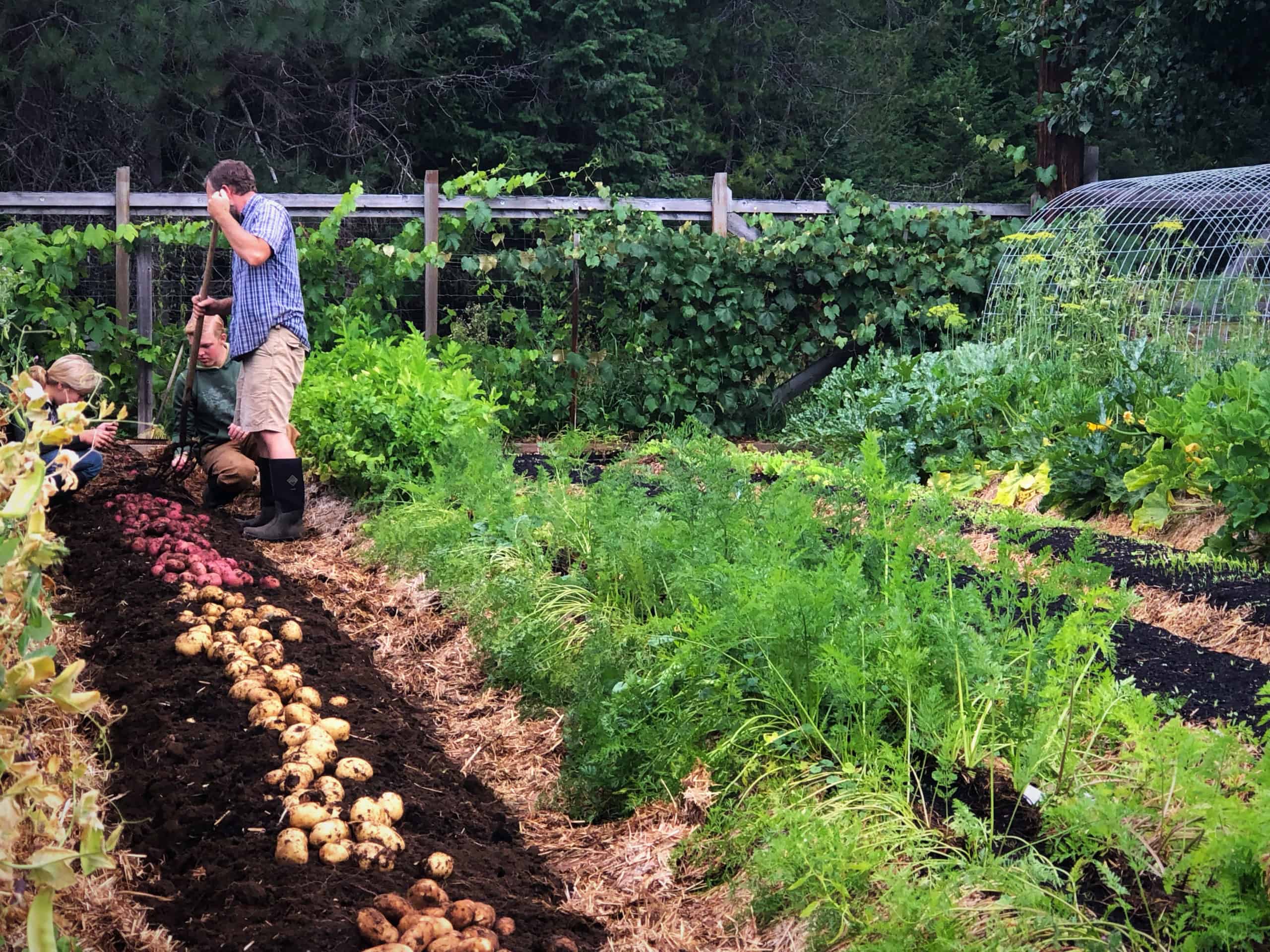

Growing your own vegetables transforms grocery bills and dinner quality, but many first-time gardeners struggle with poor yields, pest damage, or plants that simply won’t thrive. The difference between a struggling garden and a flourishing one often comes down to understanding a few core principles: site selection, soil preparation, crop timing, and plant maintenance. This guide walks you through the entire process so you can harvest abundant, nutritious vegetables from your own homestead.
How to Start and Maintain a Productive Vegetable Garden
Growing vegetables successfully requires planning before you plant. Follow these steps to establish a garden that produces reliably throughout the growing season.
What You Will Need
- A garden site with at least 6-8 hours of direct sunlight daily
- Garden soil amended with compost or aged manure (3-4 inches depth for raised beds or in-ground plots)
- Vegetable seeds or seedlings appropriate for your USDA hardiness zone
- Watering system (soaker hose, drip irrigation, or hand-watering can)
- Basic hand tools: garden spade, hoe, and trowel
- Mulch material such as straw or wood chips
Steps
Select and Prepare Your Garden Location
Choose a spot that receives full sun (6-8 hours minimum) and has good air circulation to prevent fungal diseases. Clear away grass, weeds, and debris. If starting in-ground, loosen the soil 8-12 inches deep and work in 3-4 inches of compost or well-rotted manure to improve structure, drainage, and nutrient content. For raised beds, build or position your frame and fill with a quality soil-compost blend.
Plan Your Garden Layout by Crop Type
Group plants by water needs and growth habit. Tall crops like tomatoes and poles beans should be placed on the north side so they don’t shade shorter plants. Plant cool-season crops (lettuce, spinach, peas) in spring and fall, and warm-season crops (tomatoes, peppers, squash) after the last frost date. Leave adequate spacing between plants as noted on seed packets to allow air flow and room for growth.
Start Seeds or Plant Seedlings at Proper Depth
Follow seed packet instructions for planting depth and spacing. Most seeds should be covered with soil at a depth equal to 2-3 times their diameter. For seedlings, plant at the same soil level as they were in their containers, except tomatoes which can be planted deeper. Water gently after planting to settle soil around seeds or roots without creating hard-packed conditions.
Establish a Consistent Watering Schedule
Most vegetables need 1-1.5 inches of water per week from rain or irrigation combined. Water deeply in early morning to reduce disease pressure and allow foliage to dry before nightfall. Stick your finger 2 inches into the soil; if it feels dry, it’s time to water. Use drip irrigation or soaker hoses to deliver water directly to soil and minimize waste, or hand-water at the base of plants.
Apply Mulch to Suppress Weeds and Regulate Moisture
Spread 2-3 inches of organic mulch around plants, keeping it 3-4 inches away from plant stems to prevent rot and disease. Mulch maintains soil temperature, retains moisture, breaks down to improve soil structure, and reduces weed competition. Reapply mulch as needed throughout the season as it decomposes.
Feed Plants with Balanced Nutrients During Growth
Heavy feeders like tomatoes, squash, and cabbage benefit from additional nutrients beyond what’s in the initial soil. Apply a balanced organic fertilizer (such as a 5-5-5 NPK ratio) every 3-4 weeks, or use fish emulsion every 2 weeks during active growth. Follow product instructions for application rates and methods to avoid over-fertilizing, which promotes foliage at the expense of fruit.
Monitor for Pests and Diseases Early and Often
Walk through your garden 2-3 times per week to spot problems before they spread. Check leaf undersides for insects, look for yellowing or spotted foliage, and remove affected leaves or plants promptly. Encourage beneficial insects and birds, practice crop rotation to break pest cycles, and use organic pest management methods first before considering chemical options.
Harvest at Peak Ripeness and Deadhead to Extend Production
Pick vegetables when they’re mature but still tender–this encourages plants to produce more fruit rather than going to seed. Remove any diseased, damaged, or over-ripe produce. Deadheading spent flowers on beans, squash, and cucumbers signals plants to continue flowering and fruiting rather than putting energy into seed production, extending your harvest window significantly.
- Test your soil before the first season using an inexpensive kit or professional lab test. Knowing your soil’s pH and nutrient levels allows you to amend precisely, avoiding expensive over-fertilization.
- Keep a simple garden journal recording planting dates, varieties, weather, and harvest timing. After one season, you’ll have valuable data for next year’s planning and will identify what grows best in your specific climate.
- Succession plant cool-season crops every 2-3 weeks from early spring through early summer, and again 8-10 weeks before your first fall frost. This gives you fresh lettuce, spinach, and peas throughout the season rather than one overwhelming harvest.
What to Look For in Garden Equipment and Supplies
- Soil Quality and Composition: Look for compost or garden soil that’s dark, crumbly, and rich in organic matter. Avoid soil that’s compacted, contains many weed seeds, or smells like ammonia. Test bags should specify a mix suitable for vegetables with adequate drainage.
- Hand Tool Durability: Choose tools with solid handles (wood or fiberglass) and metal heads that won’t rust or bend easily. Quality tools are more comfortable to use and last many seasons. Stainless steel or powder-coated carbon steel resists corrosion better than bare metal.
- Watering System Efficiency: Drip irrigation and soaker hoses deliver water slowly to soil, reducing waste and disease pressure compared to overhead watering. Look for systems with adjustable flow rates and timer compatibility so you can automate regular deep watering.
- Fertilizer Balance and Source: Organic fertilizers from fish emulsion, seaweed, or composted materials release nutrients slowly and improve soil biology. Check the NPK ratio on the label and choose products suited to your crop types–leafy greens need different ratios than fruiting plants.
Miracle-Gro Garden Soil for Vegetables
Best for: Any homestead vegetable gardener starting or amending beds
This nutrient-enriched garden soil contains aged bark, sphagnum peat moss, and perlite for excellent drainage and aeration. Formulated specifically for vegetable growing with added plant food, it provides vegetables with essential nutrients for the first 6 months of growth. Works equally well for in-ground gardens, raised beds, and container planting. Each bag covers approximately 8 cubic feet, making it economical for most garden sizes.
Check Current Price on Amazon →Fiskars Digging Spade with Fiberglass Handle
Best for: Budget-conscious gardeners who want reliable hand tools
This lightweight digging spade features a sharp, sturdy steel blade and comfortable fiberglass handle that won’t splinter or crack. The ergonomic design reduces strain during extended digging and soil preparation. Fiskars tools offer exceptional durability without the premium price tag of specialty brands. The smooth blade cuts through soil and compost cleanly, making initial bed preparation faster and easier.
Check Current Price on Amazon →Rain Bird Drip Irrigation Soaker Hose Kit
Best for: First-time gardeners who want simple, effective watering
This complete soaker hose kit includes 50 feet of porous hose, stakes, connectors, and an end cap for easy setup in raised beds or in-ground gardens. Water seeps slowly directly to soil, reducing evaporation and fungal disease while delivering water where plants need it most. Simple to install without special tools–just attach to a standard outdoor faucet and turn on. Perfect for consistent daily watering without daily effort.
Check Current Price on Amazon →Dramm ColorStorm Watering Can with Copper Rose
Best for: Gardeners who appreciate quality tools and hand-watering
This American-made watering can features a rust-proof galvanized steel body, comfortable grip, and removable brass mesh rose for fine, gentle watering that won’t damage seedlings. The 2-gallon capacity reduces refill frequency, while the wide mouth opening makes filling and cleaning effortless. Available in multiple colors to match garden aesthetics. Built to last decades with proper care, making it a true investment piece.
Check Current Price on Amazon →Jobe’s Organics Vegetable Fertilizer Spikes
Best for: Gardeners seeking convenient, organic nutrient delivery
These easy-to-use spikes deliver balanced organic nutrients directly to plant roots without mixing or measuring liquids. Simply push spikes into soil near plant bases; they dissolve slowly over 8 weeks, providing continuous feeding. Made from organic ingredients including bone meal and potassium sulfate, they support healthy growth without synthetic chemicals. A 6-pack covers multiple plants and lasts an entire season with reapplication.
Check Current Price on Amazon →Lee Valley Japanese Hori Hori Weeding Knife
Best for: Serious gardeners who value precision and craftsmanship
This traditional Japanese weeding knife features a sharpened stainless steel blade that excels at removing weeds with minimal soil disturbance. The double-edged design allows both pushing and pulling cuts, while depth markings on the blade guide precise planting depth. Includes a quality leather sheath. The narrow profile works in tight spaces between vegetables and reaches deep taproots that hand-pulling leaves behind.
Check Current Price on Amazon →Espoma Organic Tomato-tone Fertilizer
Best for: Tomato, pepper, and fruiting vegetable growers
This granular organic fertilizer is specifically formulated with a 3-4-6 NPK ratio designed for tomato and pepper production, promoting fruiting rather than excessive foliage. Contains kelp meal, feather meal, and beneficial microbes that improve soil structure and nutrient availability. Simply sprinkle around plant bases and water in; one 4-pound bag treats multiple plants throughout the season. Approved for certified organic growing.
Check Current Price on Amazon →Gilmour Raised Bed Soaker Hose with Timer
Best for: Gardeners who want fully automated watering for raised beds
This premium soaker hose system includes 100 feet of porous hose, programmable digital timer, connectors, and stakes for complete automated watering. Set watering duration and frequency, then let the timer handle daily irrigation while you handle other homestead tasks. Saves time and ensures consistent moisture levels that optimize vegetable growth. Digital display shows programming status and battery backup prevents missed waterings during power outages.
Check Current Price on Amazon →Start Your Vegetable Garden This Season
Growing vegetables at home is one of the most rewarding homestead projects you can undertake. The combination of fresh, nutritious food, lower grocery bills, and the satisfaction of harvesting something you planted and tended creates a powerful incentive to keep improving your skills each year. By following the core steps outlined here–selecting a sunny location, building rich soil, timing your plantings correctly, and maintaining consistent care–you’ll transform from uncertain beginner to confident grower within a single season.
Invest in quality soil and basic hand tools first, then add watering conveniences as your garden expands. Keep notes about what works in your specific climate and location, because the best garden is the one adapted to your unique conditions. Each harvest teaches you something new, and every growing season builds on the last. Your future self–and your dinner table–will thank you for starting today.
Frequently Asked Questions
When should I plant my vegetables if I’m a beginner?
Start with cool-season crops like lettuce, spinach, and peas in early spring (as soon as soil is workable) or late summer for fall harvest. After your area’s last spring frost date, plant warm-season crops like tomatoes, peppers, and squash. Check your USDA hardiness zone online to find your frost dates, then plan backward from there.
How much sun do vegetables really need?
Most vegetables need 6-8 hours of direct sunlight daily for best production. Leafy greens tolerate 4-6 hours, while fruiting crops like tomatoes and peppers need the full 8+ hours. If your garden gets less than 6 hours, focus on lettuce, spinach, kale, and shade-tolerant herbs rather than struggling with sun-hungry crops.
What’s the best way to improve poor soil?
Add 2-4 inches of compost or aged manure annually, worked into the top 8-12 inches of soil. This improves structure, drainage, water retention, and nutrient content simultaneously. You can also grow a cover crop like clover in off-season to add organic matter when tilled in. Soil testing reveals specific deficiencies so you can amend precisely.
How do I know if my plants need water or fertilizer?
Water when the top 2 inches of soil feel dry to the touch; yellow lower leaves often signal overwatering while wilting indicates thirst. Slow growth despite adequate water suggests low nutrients; nutrient deficiency causes pale foliage or unusual leaf coloration. A soil test removes guesswork about fertilizer needs.
Can I garden in containers if I don’t have ground space?
Yes, most vegetables grow in containers 12+ inches deep and wide. Use quality potting soil (not garden soil) and ensure pots have drainage holes. Container plants need more frequent watering and feeding than in-ground gardens since nutrients and water leach faster. Tomatoes, peppers, lettuce, and herbs thrive in containers on patios, decks, or porches.
As an Amazon Associate, Build & Bloom earns from qualifying purchases. We only recommend products we genuinely think are useful. Prices and availability vary; check Amazon for the latest.
Leave a Reply