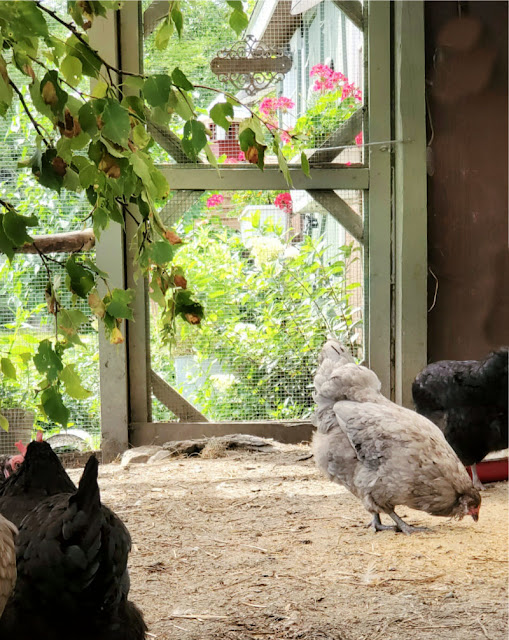

Free-ranging chickens face constant threats from predators—foxes, raccoons, hawks, and snakes can devastate your flock in minutes. While chickens need outdoor access for foraging and exercise, leaving them exposed is a recipe for disaster. A properly built predator-proof run gives your birds the safety and freedom they need. This guide walks you through constructing a robust mobile or stationary chicken run that actually stops determined predators, not just slows them down.
Building a Predator-Proof Chicken Run
The key to predator protection is layered defense: sturdy framing, underground barriers, and secure entry points. Follow these steps to build an enclosure that works.
Materials You Will Need
- 2×2 or 2×4 lumber for the frame (untreated or exterior-grade)
- Hardware cloth (1/2-inch mesh, not chicken wire) for all walls and top
- Wood screws or galvanized fasteners (3-inch minimum length)
- Hinged door with a sliding bolt latch or carabiner closure
- Dig tools (shovel or spade) for burying perimeter barriers
- Wood sealant or exterior paint (optional, for weather protection)
Steps
Design and measure your run
Plan dimensions based on your flock size (minimum 4 square feet per bird inside, 8-10 square feet if stationary). Sketch the layout on paper, noting door placement and any obstacles. Mark the footprint on your ground using stakes or chalk. A rectangular design is strongest and easiest to build.
Cut and assemble the frame
Cut lumber to size and lay out the bottom perimeter. Square the corners using the 3-4-5 measurement method. Assemble the frame by driving long screws through corner joints, using at least two fasteners per joint. Build the roof frame separately if your run will have a peaked or angled top for rain drainage.
Attach hardware cloth to all sides
Unroll hardware cloth and cut pieces to fit each wall section. Starting from the top of the frame, staple the cloth every 2-3 inches, pulling it taut as you go. Overlap seams by at least 3 inches and staple through the overlap. Cover the entire top as well—aerial predators like hawks and owls require overhead protection.
Bury the perimeter barrier
Dig a trench around the run’s base, 12-18 inches deep. Extend hardware cloth at least 12 inches underground, angling it outward in an L-shape. This prevents digging predators like foxes and raccoons from tunneling beneath. Backfill soil and tamp firmly. For mobile runs, secure the cloth with stakes instead of burying.
Install a secure door mechanism
Mount a hinged door using heavy-duty hinges. The door must open and close completely with no gaps. Install a sliding bolt latch on the inside that requires intentional action to open—raccoons are clever and can defeat simple latches. Test the door repeatedly to ensure it closes smoothly and locks securely every time.
Inspect and reinforce weak points
Walk the entire perimeter looking for gaps, torn cloth, or loose fasteners. Pay special attention to corners and door frames where predators test for weaknesses. Staple down any loose edges of hardware cloth. Check that no wood is splintered or rotting, which could be exploited or deteriorate quickly.
Add roofing and weatherproofing
If using a peaked roof, attach roofing material like corrugated plastic or metal panels. This keeps rain out and provides shade. For extra protection in harsh climates, apply exterior wood sealant to all lumber. This prevents rot and extends the run’s lifespan significantly.
- Use 1/2-inch hardware cloth, not 1-inch chicken wire—raccoons can reach through larger mesh and grab birds. Hardware cloth is stronger and predator-resistant.
- Place your run in a well-drained location away from dense brush where predators can hide. Visibility deters many attacks before they happen.
- Do a monthly predator-proofing inspection, especially before winter. Harsh weather can loosen fasteners and create gaps that weren’t there before.
What to Look For in Chicken Run Materials
- Hardware Cloth Gauge and Mesh Size: Choose 1/2-inch mesh (not 1-inch chicken wire) in at least 19-gauge thickness. Smaller mesh prevents raccoons and snakes from reaching through. Thicker gauge resists tearing and predator clawing.
- Lumber Grade and Treatment: Use untreated or exterior-grade wood rated for ground contact if burying posts. Pressure-treated lumber (if allowed locally) lasts longest. Avoid creosote-treated wood where chickens will live, as it’s toxic.
- Fastener Type and Corrosion Resistance: Buy galvanized, stainless steel, or exterior-rated screws—not standard nails. Corrosion-resistant fasteners won’t rust, weaken, or stain your run. Use 3-inch screws for secure framing joints.
- Door Latch Security: Avoid simple hook-and-eye latches; raccoons can manipulate them. Choose sliding bolts, carabiner clips, or padlocks that require deliberate two-step action to open. Test that your chosen latch is truly raccoon-resistant.
Kencove Farm Fence 1/2-Inch Hardware Cloth (25-foot roll)
Best for: Building predator-proof runs with maximum protection
This 1/2-inch galvanized hardware cloth is the industry standard for predator-proof poultry runs. The smaller mesh stops raccoons, snakes, and small predators from reaching through, while galvanized coating resists rust and extends outdoor lifespan. It staples securely to wood frames and can be buried underground for perimeter defense. At 25 feet, one roll covers a substantial run. Chicken keepers consistently choose this brand for reliability and predator protection.
Check Current Price on Amazon →Midwest Air Filter 1/2-Inch Hardware Cloth (25-foot roll)
Best for: Budget-conscious builders looking for basic predator protection
This galvanized hardware cloth offers the essential 1/2-inch mesh at a lower price point than premium brands. It provides solid predator resistance and adequate durability for most residential applications. While the finish may not last quite as long in extreme climates, it’s reliable for 3-5 years of outdoor use. Ideal for smaller runs or first-time builders testing their building skills.
Check Current Price on Amazon →Yardgard Premium 1/2-Inch Hardware Cloth (100-foot roll)
Best for: Large-scale operations and permanent installations
This heavy-duty galvanized hardware cloth comes in a 100-foot roll, making it perfect for building multiple runs or very large enclosures. The premium galvanized coating offers extended rust resistance and durability in harsh weather. The larger roll size reduces waste and is more economical per linear foot than smaller rolls. Best for homesteaders planning permanent, long-lasting structures.
Check Current Price on Amazon →Kreg Jig K4 Pocket Hole System
Best for: First-time builders wanting strong, invisible joints
This pocket hole jig system simplifies frame assembly by creating hidden, super-strong joints without visible fasteners. The K4 includes drill bits, screws, and step-by-step instructions perfect for beginners. Building a square, strong frame is easier and faster with this tool. It also works for future DIY projects around the homestead.
Check Current Price on Amazon →GRK Fasteners #10 x 3-Inch Exterior Wood Screws (1-lb box)
Best for: Securing hardware cloth and framing with corrosion-resistant fasteners
These galvanized exterior-grade screws are designed for outdoor wood projects and won’t rust or weaken over time. The 3-inch length is ideal for securing frame corners and hardware cloth attachment. One box contains approximately 65 screws, enough for most backyard chicken runs. GRK is trusted by professional builders for reliability.
Check Current Price on Amazon →Strap Hinge with Padlock Latch System (Heavy-Duty)
Best for: Securing run doors with tamper-proof closures
This heavy-duty strap hinge system includes a secure sliding bolt and padlock mounting point, preventing clever raccoons from opening doors. The strap design distributes load across a wider area, preventing door sag. Installation is straightforward with pre-drilled holes. Padlock compatibility adds an extra security layer for nighttime protection.
Check Current Price on Amazon →Flexrake Staple Gun and 1/2-Inch Staples (3000-count)
Best for: Attaching hardware cloth quickly and securely to wood frames
A pneumatic or manual staple gun with 1/2-inch staples makes securing hardware cloth dramatically faster than hand-nailing. This kit includes 3000 staples, more than enough for a large run. Staples hold cloth tighter than nails and are less likely to loosen over time. Essential tool for efficient, professional-looking work.
Check Current Price on Amazon →Makita 18V LXT Compact Cordless Drill (with two batteries)
Best for: Fast, professional-quality frame assembly with minimal fatigue
This cordless drill driver handles long exterior screws with ease, making frame assembly quick and consistent. Two batteries ensure you never run out of power mid-project. The compact design is ideal for working in tight spaces around the chicken run frame. A worthwhile investment for any serious homestead builder tackling multiple projects.
Check Current Price on Amazon →Build Your Predator-Proof Run This Weekend
A predator-proof chicken run is one of the best investments you can make for your flock’s safety and your peace of mind. Unlike hasty builds, a properly constructed run with hardware cloth, buried perimeter barriers, and secure doors will protect your birds for years. The upfront effort—measuring, framing, burying, and inspecting—pays dividends every single day your chickens remain safe. Most runs can be completed in a weekend with basic tools and materials under $300.
The materials matter more than fancy design. Use 1/2-inch hardware cloth, bury your perimeter, and install a door latch that actually stops determined predators. Test your run’s security by trying to find gaps yourself—if you can find a way in, so can a raccoon. Once your run is complete, do monthly inspections to catch new threats before they compromise your flock. Your chickens will reward you with eggs, pest control, and the contentment that comes from thriving outdoor birds.
Frequently Asked Questions
Can I use regular chicken wire instead of hardware cloth?
No. Chicken wire has 1-inch hexagonal mesh that raccoons can reach through and tear. Hardware cloth with 1/2-inch square mesh is essential for predator protection. Raccoons will exploit chicken wire’s weakness within days.
How deep should I bury the hardware cloth?
Bury at least 12 inches deep in an L-shape, angling 12 inches outward underground. This stops digging predators like foxes from tunneling under. Check monthly for settling and ensure no cloth is exposed above soil.
Do I need a roof if my run is against a fence?
Yes. Hawks and owls can attack from above, and rain will damage unprotected wood. Even a simple angled roof with hardware cloth covering prevents aerial predators and extends the run’s lifespan significantly.
What’s the best door latch for a chicken run?
Use a sliding bolt latch or carabiner clip that requires two deliberate actions to open—raccoons are clever and can defeat simple hooks. A padlock adds extra security. Test your chosen latch multiple times daily for reliability.
Can I build a mobile predator-proof run?
Yes, but mobility reduces burying options. Use long stakes to anchor the perimeter hardware cloth instead of burying it. Move the run daily or every other day to fresh grass and prevent predator patterns from forming.
As an Amazon Associate, Build & Bloom earns from qualifying purchases. We only recommend products we genuinely think are useful. Prices and availability vary; check Amazon for the latest.
Leave a Reply