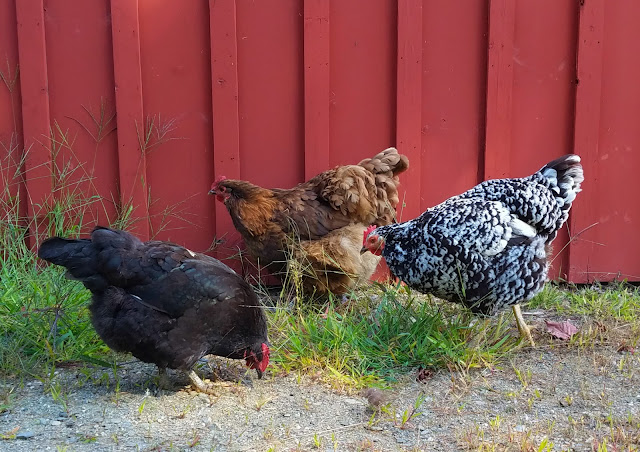

Starting a backyard flock is exciting, but choosing the wrong chicken breeds can lead to frustration, poor egg production, or stressed birds that don’t thrive in your climate. Whether you’re in a cold northern climate, a hot southern region, or somewhere in between, the right breed makes all the difference between a productive, happy flock and one that struggles. Understanding the key factors that determine breed suitability will help you select chickens that lay consistently, survive your weather, and fit your space constraints.
Key Factors for Choosing Your Chicken Breed
Success with backyard chickens starts with matching breed traits to your specific situation. Consider these five core criteria when evaluating potential breeds for your homestead.
Comparison Criteria
- Climate tolerance – Cold-hardy breeds for northern climates; heat-tolerant breeds for southern regions
- Egg production level – High producers (250+ eggs/year) vs. moderate producers (150-200 eggs/year)
- Temperament and docility – Friendly, calm breeds suitable for families vs. more independent foragers
- Space requirements – Bantam breeds for compact setups vs. standard breeds needing more room
- Dual-purpose potential – Meat and egg production vs. egg-only or ornamental varieties
Selection Process
Assess Your Climate Zone
Determine your average winter low and summer high temperatures. Cold-hardy breeds like Wyandottes, Cochins, and Australorps have dense feathering and smaller combs that resist frostbite. Heat-tolerant breeds like Leghorns, Sussex, and Brahmas handle extreme heat better. If you experience both extremes, choose dual-climate breeds like Rhode Island Reds or Plymouth Rocks that perform reasonably in various conditions.
Define Your Egg Production Goals
Decide if you need chickens primarily for egg production or if ornamental value matters equally. High-production breeds like Leghorns, Rhode Island Reds, and Australorps lay 250-300 eggs annually but may be less broody or friendly. Moderate producers like Wyandottes and Sussex offer better personality while still providing 200+ eggs yearly, making them ideal for families.
Consider Space Available
Measure your available coop and run space in square feet. Standard breeds need 3-4 square feet inside the coop and 8-10 square feet in the run per bird. Bantam breeds require half that space, making them perfect for urban backyards or limited setups. Oversizing space improves health and reduces aggression, so always choose larger breeds if you have room.
Evaluate Temperament for Your Household
Research breed personality traits that match your family situation. Broody, brooding breeds like Cochins and Silkies are excellent mothers but go broody frequently. Active foragers like Leghorns provide entertainment and pest control but are flighty. Docile, calm breeds like Wyandottes, Orpingtons, and Australorps are ideal for families with children and hand-feeding.
Factor in Brooding and Meat Purpose
If you want your flock to reproduce naturally or need meat birds eventually, choose breeds with strong brooding instincts like Cochin, Silkie, or Orpington. Pure egg-layer breeds like Leghorns rarely go broody. Dual-purpose breeds like Wyandotte, Rhode Island Red, and Plymouth Rock offer reasonable egg production with acceptable meat value if needed.
Research Health and Disease Resistance
Look up breed-specific health issues and disease susceptibilities. Some breeds are prone to respiratory issues in damp climates, while others handle humidity well. Talk to local homesteaders or extension agents about which breeds thrive historically in your specific region. Healthy breed selection prevents costly veterinary problems down the line.
Start with Proven Dual-Purpose Breeds
If you’re uncertain, begin with adaptable breeds like Wyandottes, Australorps, or Rhode Island Reds that perform reasonably across multiple categories. These breeds tolerate various climates, produce 200+ eggs yearly, have docile temperaments, and maintain good health records. Once you gain experience, expand to specialty breeds suited to your specific preferences.
- Purchase chicks or pullets from reputable hatcheries with health guarantees rather than random sources, ensuring you receive true-to-type, disease-free birds that match breed descriptions
- Join local poultry clubs or online forums specific to your region to get real-world experience from homesteaders who raise chickens in your exact climate
- Introduce breeds gradually to your existing flock by housing new birds separately for 4-6 weeks before full integration to prevent pecking order violence and disease transmission
Essential Equipment for Raising Your Chosen Breed
- Chicken Coop Size and Design: The coop is your foundation for success. Standard breeds need minimum 3-4 square feet per bird inside; bantams need 2 square feet. Ensure proper ventilation to prevent respiratory issues, predator-proof construction with hardware cloth, and roosting bars sized appropriately for your breed’s weight and leg span.
- Feed and Water Systems: Different breeds have varying feed consumption and water needs based on size and production level. High-production layers like Leghorns eat more protein-rich feed than moderate producers. Automatic waterers prevent contamination while feeders keep waste minimal. Size feeders to your breed and flock size for efficiency.
- Nesting Boxes and Bedding: Standard breeds need 12×12 inch boxes; bantams need 10×10 inch boxes. Deep bedding prevents egg breakage and keeps nesting areas clean. Quality bedding materials like pine shavings support bird health and egg cleanliness. Plan for one box per 3-4 hens to reduce competition and stress-related laying problems.
- Climate Control and Shelter: Cold-hardy breeds still benefit from wind breaks and dry shelter during extreme winter. Heat-tolerant breeds need shade structures and ventilation during summer heat waves. Insulation, reflective roofing, and proper drainage protect your specific breed from weather extremes and reduce disease risk.
Snaplock Chicken Coop with Run – 5 to 8 Hens
Best for: Beginners choosing standard breeds
A fully enclosed, predator-proof chicken coop with integrated run designed for standard-sized breeds. Features solid wood construction with hardware cloth, four nesting boxes sized for standard breeds, and removable trays for easy cleaning. The run provides 24 square feet of protected foraging space, meets space requirements for most popular backyard breeds, and includes hinged roof access for convenient egg collection and maintenance.
Check Current Price on Amazon →Advantek Penthouse Chicken Coop – Bantam Size
Best for: Urban backyards with limited space
Compact coop specifically designed for bantam and small-breed chickens with smaller nesting boxes and roosting bars. Provides sufficient space for 3-4 bantam birds while maintaining proper ventilation and predator protection. Lightweight aluminum frame makes it portable for rotating pasture while maintaining structural integrity. Includes removable droppings tray and features easy-access doors for daily care.
Check Current Price on Amazon →Pawhut Wooden Chicken Coop and Run Combo
Best for: Budget-conscious homesteaders starting small flocks
Affordable chicken coop suitable for 3-4 standard-breed chickens with basic but functional design. Includes integrated run, two nesting boxes, and roosting bars at appropriate height for standard birds. Wood construction with hardware cloth protection keeps predators out while allowing ventilation. Simple design makes assembly straightforward for beginners while meeting minimum space and safety requirements.
Check Current Price on Amazon →Precision Pet Extreme Chicken Run with Coop
Best for: Large flocks and serious homesteaders
Heavy-duty galvanized steel construction protecting larger flocks of 8-10 standard-breed chickens. Extra-large nesting boxes accommodate heavier breeds like Wyandottes and Orpingtons. Superior predator protection with reinforced corners and locking mechanisms. Removable trays for manure management, adjustable roosting bars for different breed sizes, and maximum ventilation options support diverse breed health requirements.
Check Current Price on Amazon →omlet Eglu Cube Chicken Coop with Run
Best for: First-time flock owners selecting beginner-friendly breeds
Modern plastic and aluminum coop designed for easy daily management and breed observation. Suitable for 4-6 standard-breed chickens or 8-10 bantams. Pop door operates on automatic timer, making breed-specific care easier for working families. Excellent ventilation design accommodates diverse breeds from heat-sensitive to cold-tolerant varieties. Lightweight design allows frequent relocation for sanitation.
Check Current Price on Amazon →Tractor Supply Familiar Farms Chicken Coop – 4 Hen
Best for: Small backyard flocks on moderate budgets
Mid-range wooden coop with thoughtful design details that balance affordability with functionality for standard breeds. Includes two nesting boxes with roll-out egg doors for convenient collection, adequately sized roosting bars, and integrated run providing 16 square feet of protected space. Hardware cloth protection and solid wood construction support healthy living conditions across various chicken breeds.
Check Current Price on Amazon →Prevue Pet Products Chicken Coop – Portable
Best for: Mobile homesteaders rotating pasture and breeds
Lightweight, fully enclosed mobile coop suitable for 3-4 standard or 6-8 bantam breed chickens. Wheels enable easy daily movement for fresh pasture and sanitation management. Protective netting provides visibility while maintaining predator security. Compact size doesn’t compromise ventilation or roosting space, making it ideal for farmers who change breed setups seasonally.
Check Current Price on Amazon →Kerbl Chicken House Deluxe – Large Capacity
Best for: Established homesteads with multiple diverse breeds
European-engineered coop accommodating 10-12 standard-breed chickens or mixed-size flocks with specialized breed areas. Dual compartment design allows separate housing for broody hens, young pullets, or different breed groups during integration. Premium hardware cloth, insulation options, and multiple roosting bars accommodate various breed sizes and temperaments. Heavy-duty hinges and locks ensure multi-year durability.
Check Current Price on Amazon →Start Your Breed Selection Journey Today
Choosing the right chicken breed transforms your backyard from a frustrating experiment into a thriving ecosystem. Whether you prioritize cold hardiness, egg production, gentle temperament, or space efficiency, understanding these core selection criteria guides you toward breeds that will thrive in your specific conditions. The most successful homesteaders match breed characteristics to their climate, space, and goals rather than chasing trendy breeds that may struggle in their region.
Begin by assessing your climate zone, measuring your available space, and honestly evaluating whether you want a productive layer, a broody mother hen, a calm family pet, or a combination of traits. Contact local poultry keepers and your extension office for region-specific recommendations, then invest in quality housing that accommodates your chosen breed’s size and temperament needs. With proper planning and the right breed selection, you’ll enjoy years of reliable egg production, entertaining backyard characters, and the satisfaction of raising chickens that genuinely thrive in their homestead environment.
Frequently Asked Questions
What’s the best chicken breed for beginners in cold climates?
Wyandottes and Australorps are excellent beginner choices for cold climates because they tolerate freezing temperatures, produce 200+ eggs annually, have calm temperaments ideal for families, and maintain good health in harsh winters. Both breeds are forgiving of management mistakes while rewarding attentive homesteaders.
How many chickens should I start with when trying a new breed?
Start with a minimum of three chickens to prevent bullying and loneliness, but begin with no more than 6-8 birds if you’re new to a specific breed. This allows you to observe breed-specific behaviors, health issues, and production without overwhelming yourself while learning their particular needs.
Can I mix different chicken breeds in the same coop?
Yes, mixing breeds works well if you introduce them properly and choose compatible temperaments. Avoid combining extremely aggressive breeds with docile ones, and ensure coop and run space accommodate larger and smaller breeds simultaneously. Introduce new birds gradually through a separate housing phase to prevent pecking order violence.
Which breeds are best for families with young children?
Cochins, Orpingtons, Silkies, and Wyandottes are exceptionally calm and broody breeds that tolerate handling and become pet-like with regular interaction. Avoid highly flighty breeds like Leghorns and Australorps if child-friendly temperament is important; they’re productive but less interactive.
How do I know if a breed will actually thrive in my region?
Contact your local cooperative extension office or poultry club and ask which breeds have the longest history of success in your specific area. These resources track regional disease patterns, climate challenges, and proven performers, giving you insider knowledge that online research can’t replicate.
As an Amazon Associate, Build & Bloom earns from qualifying purchases. We only recommend products we genuinely think are useful. Prices and availability vary; check Amazon for the latest.
Leave a Reply