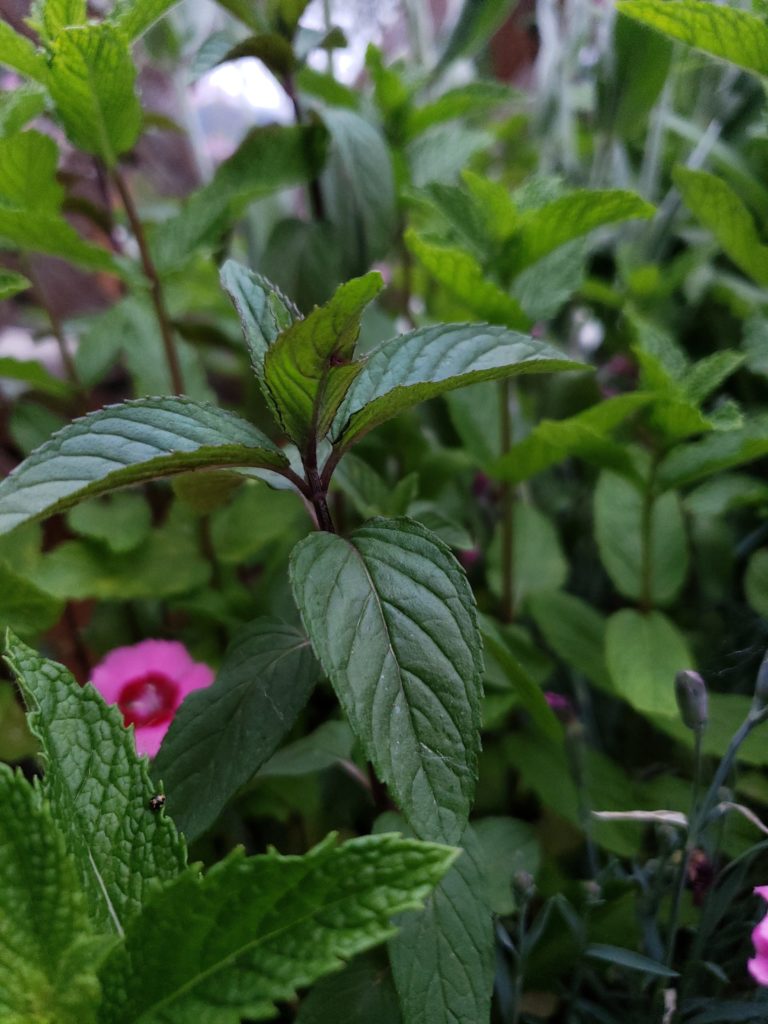

Growing your own herbal tea garden transforms a simple sunny windowsill or garden corner into a year-round source of fresh, homegrown tea. Instead of buying expensive herbal tea blends at the store, you’ll harvest leaves whenever you need them–reducing costs while guaranteeing freshness and quality. Whether you have limited space or a full backyard, you can create a productive tea garden that supplies chamomile, peppermint, lemon balm, and more.
How to Plant and Grow Your Herbal Tea Garden
Building a functional tea garden requires choosing the right herbs, preparing proper containers, and providing basic ongoing care. Follow these steps to establish a thriving tea herb collection.
What You Will Need
- 4-6 herbal tea plant seedlings or seeds (chamomile, peppermint, lemon balm, lavender, ginger, or stevia)
- Containers with drainage holes–at least 6-8 inches deep for most herbs
- Quality potting soil formulated for container gardening
- Garden spade or small trowel for planting
- Watering can or spray bottle for consistent moisture
- Sunny location with 6-8 hours of direct sunlight daily
Steps
Select Your Tea Herbs
Choose 4-6 herbs that thrive in your climate and grow well in containers. Chamomile, peppermint, lemon balm, and lavender are reliable choices for beginners and produce abundant harvestable leaves. If you live in a warm climate, consider ginger or stevia. Research each herb’s sunlight and water needs before purchasing seedlings.
Prepare Your Containers
Select containers with drainage holes to prevent root rot–this is non-negotiable for container herb gardening. If using pots you already own, drill several quarter-inch holes in the bottom. Space containers so each plant has room to spread without crowding. Larger containers retain moisture longer, which benefits most tea herbs.
Fill Containers with Potting Soil
Add quality potting soil to your containers, leaving about 1-2 inches from the rim. Don’t use garden soil; potting mix is specifically formulated for drainage and aeration in containers. Gently firm the soil with your hands, but avoid compacting it too densely, as herb roots need oxygen to thrive.
Plant Your Seedlings or Seeds
If using seedlings, dig a hole slightly larger than the root ball and place the plant at the same depth it was growing in its nursery pot. If planting seeds, follow packet instructions for depth and spacing. Water gently after planting to settle the soil around roots. Seeds typically germinate in 7-14 days depending on the herb variety.
Position in Full Sun
Place containers in a location receiving 6-8 hours of direct sunlight daily. A south-facing windowsill is ideal indoors; outdoors, a garden bed or patio with afternoon sun works well. Herbs grown in insufficient light become leggy and produce fewer harvestable leaves.
Water Consistently and Monitor Moisture
Water when the top inch of soil feels dry to the touch. Most tea herbs prefer consistent moisture but not waterlogged conditions. Adjust frequency based on season–summer heat requires more frequent watering, while winter needs less. Always water at soil level to avoid wetting foliage, which can invite fungal issues.
Begin Light Harvesting at 6-8 Weeks
Once seedlings have established 4-6 true leaves and are 6-8 inches tall, you can pinch off small amounts for tea. Regular pinching encourages bushier growth and increases leaf production. Never remove more than one-third of the plant at once, as this stresses younger plants and reduces future yields.
Maintain and Fertilize Monthly
Once established, apply a balanced, diluted liquid fertilizer every 4 weeks during the growing season to replenish nutrients leached through watering. Watch for common pests like spider mites or whiteflies; spray affected plants with water or use organic insecticidal soap. Deadhead flowers to redirect energy toward leaf production for better tea harvests.
- Group plants with similar water needs together–peppermint and lemon balm prefer wetter conditions than lavender or rosemary, so organize containers accordingly to simplify watering routines.
- Start with just 3-4 herbs your first season, then expand once you understand their individual growth patterns and harvesting cycles in your specific location.
- Dry harvested leaves on a screen in a warm, dark place for 1-2 weeks, then store in airtight containers away from sunlight to preserve flavor and medicinal properties for months.
What to Look For When Setting Up Your Tea Garden
- Container Size and Drainage: Choose containers at least 6-8 inches deep with multiple drainage holes. Larger containers (10+ inches) retain moisture longer, reducing watering frequency. Ensure drainage holes are genuinely open and unobstructed before planting.
- Potting Soil Quality: Use premium potting mix formulated for container gardening, not heavy garden soil. Look for ingredients like peat moss, perlite, or coconut coir that ensure proper drainage and aeration. Quality soil reduces disease risk and supports stronger root development.
- Seedling vs. Seed Selection: Beginners succeed faster with established seedlings rather than seeds, as they’re closer to harvest-ready size. If purchasing seeds, choose reputable seed companies with high germination rates. Check expiration dates to ensure viability.
- Sunlight Requirements: Most tea herbs need 6-8 hours of direct sunlight daily. Before setting up your garden, observe your intended location’s light throughout the day. If natural light is limited, consider affordable grow lights to supplement and enable year-round indoor gardening.
Gardman Terracotta Pots with Saucers – Set of 5
Best for: Starting a complete herbal tea garden collection
This classic 6-inch terracotta pot set includes matching saucers for water drainage and display. Terracotta breathes naturally, allowing soil to dry between waterings and preventing root rot–essential for herb longevity. The neutral appearance suits any indoor or outdoor aesthetic, and the variety of pot sizes lets you accommodate different herb growth rates. Durable construction withstands seasons of regular watering and handling.
Check Current Price on Amazon →Bloem Earthearn Plastic Planter Pots – 6 Pack
Best for: Cost-conscious gardeners and renters
These lightweight plastic planters offer excellent drainage at a fraction of terracotta costs. The 6-inch diameter accommodates chamomile, peppermint, and lemon balm comfortably. UV-resistant material withstands outdoor sun exposure, and the lack of weight makes repositioning plants effortless if adjusting light exposure. Ideal for apartment dwellers and gardeners testing their tea gardening commitment before investing in premium containers.
Check Current Price on Amazon →Espoma Organic Potting Mix – 8 Quart Bag
Best for: First-time gardeners prioritizing plant health
This certified organic potting soil contains natural ingredients including peat moss, perlite, and beneficial mycorrhizae that support root development. The balanced formula drains well while retaining adequate moisture for tea herbs. Espoma’s inclusion of yucca extract provides natural wetting properties that help water penetrate evenly throughout the container. One 8-quart bag fills approximately five 6-inch containers, making it economical for starter gardens.
Check Current Price on Amazon →Scheurich Ceramic Plant Pot with Integrated Saucer
Best for: Aesthetic-focused gardeners and indoor windowsill displays
This handcrafted ceramic planter features a modern speckled glaze and integrated saucer that catches excess water elegantly. Superior insulation properties help regulate soil temperature in fluctuating indoor conditions. The 7-inch diameter suits larger herbs like mature peppermint or ginger plants. Premium construction ensures longevity, and the sophisticated design transforms your tea garden into a decorative focal point rather than utilitarian gardening equipment.
Check Current Price on Amazon →Ferry Heirloom Herb Seed Collection – Culinary & Tea Varieties
Best for: Gardeners wanting diverse tea herb options from seeds
This curated seed collection includes chamomile, lemon balm, peppermint, lavender, and stevia–five essential tea garden staples in one purchase. Ferry seeds are known for exceptional germination rates and genetic purity. Starting from seeds costs significantly less than purchasing individual seedlings and allows you to grow multiple plants from each seed packet. Perfect for expanding beyond initial seedlings or sharing plants with friends.
Check Current Price on Amazon →AquaGlobe Automatic Watering Stakes – Pack of 2
Best for: Busy gardeners and consistent moisture management
These glass watering globes slowly release water as soil dries, maintaining optimal moisture levels for 7-10 days. Simply fill with water and insert into soil near the plant’s base. Eliminates daily watering guesswork and prevents over- or under-watering that damages herb plants. Affordable insurance against inconsistent moisture that ruins developing herb gardens, especially during warm seasons or busy work schedules.
Check Current Price on Amazon →Burpee Organic Herb Seedlings – 4 Pack
Best for: Impatient gardeners wanting immediate harvests
This pre-grown seedling pack includes four established herbs (typically chamomile, peppermint, lemon balm, and basil) ready to transplant into containers. Each seedling is 6-8 weeks old, meaning you can begin light harvesting within days rather than waiting 6-8 weeks for seeds to germinate and develop. Burpee seedlings arrive healthy and acclimated, with higher transplant success rates than mail-order seeds.
Check Current Price on Amazon →AeroGarden Harvest Elite with Herb Kit
Best for: Premium indoor tea gardeners seeking hydroponics convenience
This countertop hydroponic system grows six plants simultaneously using water and nutrient solutions instead of soil–producing herbs 30% faster than traditional methods. Pre-seeded herb pods (chamomile, mint, basil included) eliminate guesswork, and automatic LED lights optimize growth in any location regardless of natural sunlight. Smart reminder alerts notify you when to add water or nutrients. Premium pricing justified by year-round reliability, faster harvests, and minimal maintenance for serious tea enthusiasts.
Check Current Price on Amazon →Start Growing Your Own Herbal Tea Today
Creating a productive herbal tea garden requires only basic supplies, modest space, and commitment to consistent watering. Within 6-8 weeks, you’ll transition from hopeful planter to confident harvester, enjoying fresh chamomile, peppermint, and lemon balm whenever you want a soothing cup. The satisfaction of brewing tea from plants you nurtured transforms a simple gardening project into genuine self-sufficiency–eliminating packaging waste while ensuring absolute freshness and quality control.
Whether you invest in beautiful ceramic containers for a living room windowsill or choose budget plastic pots for a shady apartment corner, the fundamentals remain identical: adequate drainage, quality soil, consistent moisture, and sufficient sunlight. Begin with 3-4 reliable herbs, master their individual needs, then expand your collection based on what thrives in your specific conditions. Your future self–sipping homegrown herbal tea on a cold winter evening–will thank present-day you for starting this rewarding garden today.
Frequently Asked Questions
Can I grow herbal tea plants indoors without a window?
Yes, but you’ll need supplemental grow lights providing 14-16 hours of light daily. Affordable LED grow light panels designed for indoor gardening are widely available and consume minimal electricity. Position lights 6-12 inches above plants and adjust height as they grow for optimal photosynthesis.
How often should I harvest tea herbs to maintain plant health?
Begin light harvesting once plants reach 6-8 inches tall with established leaves. Pinch off small amounts 2-3 times weekly once established; never remove more than one-third of the plant at once. Regular harvesting actually encourages bushier growth and increases total leaf yield throughout the season.
What’s the best way to dry and store harvested tea herb leaves?
Rinse leaves gently and pat dry with paper towels. Spread on a clean screen or cheesecloth in a warm, dark, well-ventilated location for 1-2 weeks until leaves crumble easily. Store completely dried leaves in airtight glass jars away from sunlight; properly dried herbs retain flavor and medicinal properties for 6-12 months.
Can I grow multiple herbs in a single large container?
Yes, but only pair herbs with identical water and sunlight requirements. Peppermint and lemon balm work well together (both prefer consistent moisture), while lavender pairs with rosemary (both prefer drier conditions). Space plants 6-8 inches apart to prevent crowding and allow adequate air circulation.
Do herbal tea plants need fertilizer, and how often?
Container-grown herbs benefit from monthly fertilization during active growing seasons (spring and summer) since potting soil nutrients deplete with regular watering. Use balanced liquid fertilizer diluted to half-strength; over-fertilizing reduces flavor intensity and encourages weak foliage. Reduce or eliminate fertilizing in fall and winter when growth naturally slows.
As an Amazon Associate, Build & Bloom earns from qualifying purchases. We only recommend products we genuinely think are useful. Prices and availability vary; check Amazon for the latest.
Leave a Reply