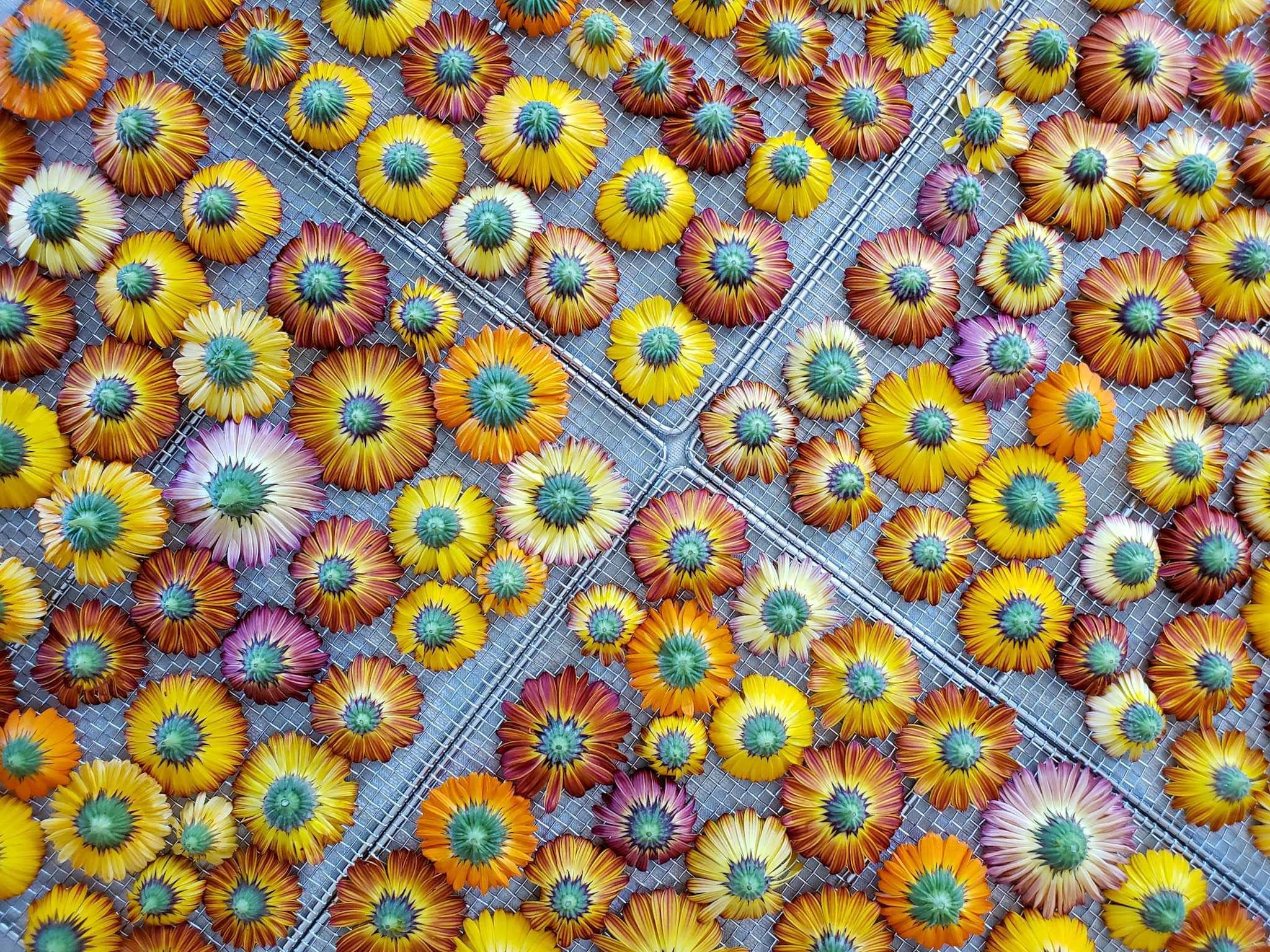

Calendula (pot marigold) is one of the most rewarding medicinal plants for homesteaders, but many growers aren’t sure when to harvest or how to preserve the flowers for maximum potency. If you’ve got calendula blooming in your garden and want to actually use it instead of just admiring it, this guide walks you through the entire process from seed to finished dried product.
How to Grow, Harvest, and Dry Calendula
Calendula is incredibly forgiving and produces for months with minimal care. Follow these steps to grow a thriving patch and preserve your harvest for year-round use.
What You Will Need
- Calendula seeds or seedlings
- Garden bed or containers with well-draining soil
- Pruning shears or sharp scissors
- Drying rack, screen, or clothesline with clips
- Paper bags or glass jars for storage
- Warm, dark, well-ventilated space (shed, garage, or closet)
Steps
Plant calendula in full sun
Choose a location with at least 6-8 hours of direct sunlight daily. Calendula tolerates poor soil and doesn’t need rich amendments; in fact, overly fertile soil encourages leaf growth over blooms. Space plants 12-18 inches apart and water until established, then water moderately during dry spells.
Encourage continuous blooming by deadheading
Once flowers appear (usually 6-8 weeks from seed), pinch off spent blooms regularly to signal the plant to produce more flowers. This simple step extends your harvest window from a few weeks to several months of continuous flowering.
Harvest flowers in early morning
Pick calendula blooms when they’re fully open but still firm, ideally in the early morning after dew has dried. Cut entire flower heads at the base using pruning shears or scissors. Avoid harvesting during extreme heat or right after rain, as wet flowers are prone to mold.
Prepare flowers for drying
If harvesting whole flower heads, gently remove the individual petals from the green center. Discard the bitter green parts and keep only the bright orange or yellow petals. Rinse gently if needed and pat dry with a soft cloth.
Dry using your preferred method
Spread petals in a single layer on a drying rack or clean screen in a warm, dark, well-ventilated space. Alternatively, tie petals loosely in small bundles with twine and hang upside down. Drying typically takes 5-7 days; petals are ready when they crumble easily between your fingers.
Store dried calendula properly
Transfer completely dried petals to airtight glass jars or paper bags stored in a cool, dark place away from direct light. Properly dried calendula maintains potency for 1-2 years. Label jars with the harvest date for reference.
Use your dried calendula
Brew a tea by steeping 1-2 tablespoons of dried petals in hot water for 5-10 minutes. Create an infused oil by covering dried petals with carrier oil and letting sit for 2-4 weeks. Use infused oil as a base for salves, or add to bath soaks for skin benefits.
- Harvest calendula flowers just before they fully mature for the highest concentration of beneficial compounds.
- Bundle petals loosely when hang-drying to allow air circulation on all sides and prevent spotting or mold.
- Save seeds from a few flowers at the end of the season to replant next year; calendula self-seeds readily in many climates.
Essential Tools for Growing and Harvesting Calendula
- Quality pruning shears: Sharp, clean-cutting shears make harvesting easier and reduce plant damage. Dull tools crush stems and can introduce disease.
- Drying racks or screens: Allows air circulation on both sides of petals, essential for preventing mold. Mesh screens work well and are affordable.
- Airtight glass storage containers: Protects dried calendula from light, moisture, and air exposure, which degrade potency over time.
- Seeds or starter plants: Choose high-quality seeds from reputable suppliers to ensure you get true medicinal-grade calendula, not ornamental varieties.
Felco F-2 Classic Manual Hand Pruner
Best for: Serious gardeners and herbalists
The gold standard in pruning shears, Felco’s F-2 delivers precision cuts with minimal effort. Its sharp bypass blade cleanly severs calendula stems without crushing tissue, reducing disease risk and promoting faster healing. Ergonomic design reduces hand fatigue during extended harvesting sessions. Made in Switzerland with replaceable parts that keep these shears functional for decades. Perfect for herbalists who harvest regularly and demand professional-grade tools.
Check Current Price on Amazon →Amazon Basics Pruning Shears with Comfort Grip
Best for: Beginning gardeners on a tight budget
A no-frills option that handles calendula harvesting without breaking the bank. The stainless steel blades cut cleanly enough for occasional to moderate harvesting, and the comfortable grip reduces hand strain. While not as durable as premium alternatives, these shears represent solid value for hobbyist herbalists just starting their calendula journey.
Check Current Price on Amazon →Burpee Calendula Seeds Organic Mixed Colors
Best for: First-time calendula growers
Burpee’s organic calendula mix delivers reliable germination and vigorous plants that produce abundant blooms. This trusted seed company provides clear instructions and grows calendula specifically bred for productivity. Mixed colors add garden interest while maintaining the same medicinal properties. Perfect for beginners who want proven genetics without researching multiple seed sources.
Check Current Price on Amazon →Nifty Homestead Herb Drying Rack with Hanging Design
Best for: Herbalists with limited counter space
This compact hanging drying rack maximizes air circulation while taking up minimal space. Four suspended mesh trays allow simultaneous drying of multiple batches, speeding up your workflow during peak harvest season. The stainless steel frame resists rust, and it folds for easy storage. Ideal for small homesteads, apartments, or anyone wanting a dedicated drying setup.
Check Current Price on Amazon →Rubbermaid Brilliance Airtight Food Storage Container Set
Best for: Long-term herb storage at reasonable cost
These clear glass containers with airtight lids keep dried calendula fresh and potent for up to two years. The glass allows you to see contents at a glance, and the snap-locking lids create a true seal against moisture and air. Available in multiple sizes to fit your needs, and dishwasher safe for easy cleaning between batches.
Check Current Price on Amazon →Okatsune 103-8mm Japanese Secateurs Professional Grade
Best for: Professional herbalists and serious enthusiasts
Japanese-engineered precision meets ergonomic excellence in these professional secateurs. The sharp bypass blades deliver ultra-clean cuts that minimize plant stress, while the premium construction uses high-carbon steel for lasting sharpness. Slightly larger than hand pruners, they handle thicker calendula stems and woody growth with ease. A lifetime investment for dedicated herbalists.
Check Current Price on Amazon →Prep Naturals Herb Drying Screen Set Stainless Steel
Best for: Small-space gardeners and apartment herbalists
This simple yet effective drying screen set features food-grade stainless steel mesh on wooden frames. Stack multiple screens to dry several batches simultaneously while staying compact. Lightweight and portable, these screens work indoors near a window or in any warm, dry space. A minimalist approach to drying that doesn’t require special equipment.
Check Current Price on Amazon →Cosori Premium 6-Tray Food Dehydrator with Timer
Best for: High-volume herbalists wanting precise control
For those serious about large-scale calendula drying and preservation, this food dehydrator removes guesswork. Six trays accommodate substantial harvests, while precise temperature control (95-158F) optimizes the drying process for maximum potency retention. A built-in timer and even heat distribution ensure consistent results batch after batch. Ideal for herbalists planning to dry multiple medicinal plants year-round.
Check Current Price on Amazon →Start Your Calendula Harvest This Season
Growing and preserving calendula is genuinely simple once you understand the basic process. With reliable seeds, proper drying methods, and good storage containers, you’ll have a year-round supply of fresh-dried petals for tea, salves, and infusions. The hardest part is usually resisting the temptation to use your entire harvest all at once, since calendula stores beautifully for up to two years when kept in cool, dark conditions.
Start with quality seeds and the right harvesting tools this growing season. Your future self will thank you when you’re brewing a soothing cup of homegrown calendula tea in the middle of winter, knowing exactly where every ingredient came from. Calendula is forgiving enough for complete beginners yet rewarding enough to keep experienced herbalists engaged year after year.
Frequently Asked Questions
Can I harvest calendula flowers multiple times from the same plant?
Yes, absolutely. Regular harvesting encourages the plant to produce more blooms throughout the season. Deadheading (removing spent flowers) signals the plant to keep flowering, sometimes extending bloom time from weeks to several months.
What’s the best time of year to start growing calendula?
Sow calendula seeds in spring after the last frost, or in fall for winter blooms in mild climates. The plant prefers cool to moderate temperatures and can tolerate light frosts, making it ideal for spring and fall gardens.
How do I know when dried calendula petals are fully dry?
Petals are ready when they crumble easily between your fingers and contain no moisture when bent. They should feel papery and brittle. If they’re leathery or bend without breaking, they need more drying time to prevent mold in storage.
Can I use fresh calendula petals instead of dried ones?
Fresh petals work for immediate use in teas, infusions, or poultices, but they spoil quickly and have shorter shelf life. Drying concentrates the beneficial compounds and allows long-term storage, making it the preferred preservation method for herbalists.
What’s the difference between calendula and regular marigolds?
Calendula (Calendula officinalis) is the medicinal pot marigold, while ornamental marigolds (Tagetes species) are a different plant altogether. Ornamental marigolds lack the same beneficial compounds and aren’t suitable for medicinal use, so always verify you’re growing true calendula.
As an Amazon Associate, Build & Bloom earns from qualifying purchases. We only recommend products we genuinely think are useful. Prices and availability vary; check Amazon for the latest.
Leave a Reply