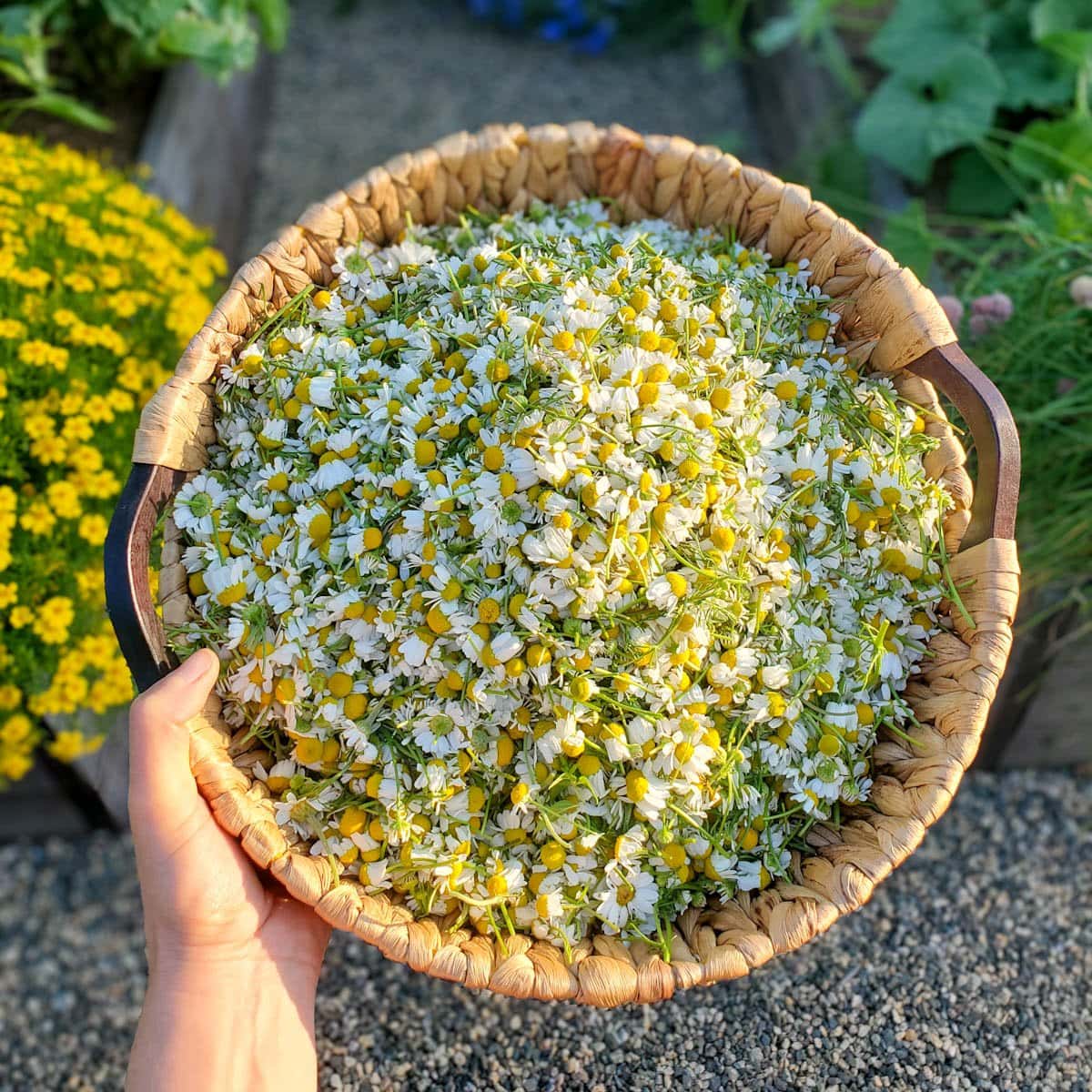

If you’ve ever dreamed of growing your own herbal remedies but thought it required a green thumb or complicated setup, chamomile is about to become your new favorite plant. This delicate but resilient herb produces cheerful daisy-like flowers that make soothing tea, promote relaxation, and support skin health—all from a few seeds and basic garden care. Whether you’re planting in a backyard bed, containers, or even indoors, growing chamomile is one of the most rewarding and low-maintenance herb projects you can start this season.
How to Grow Chamomile from Seed to Harvest
Growing chamomile requires only sunlight, soil, water, and seeds. The process takes roughly 60-90 days from planting to first flowers, and a single plant produces blooms continuously throughout the growing season.
What You Will Need
- Chamomile seeds (German or Roman varieties)
- Well-draining garden soil or potting mix
- Containers with drainage holes or prepared garden bed
- Watering can or hose with gentle spray setting
- Garden markers or stakes to label plants
- Full sun location (at least 6-8 hours daily)
Steps
Prepare Your Growing Space
Choose a location with full sunlight and well-draining soil. Chamomile tolerates poor soil but abhors waterlogging, so amend heavy clay with compost or perlite. If growing in containers, fill with quality potting mix leaving about an inch from the rim. Space plants or container clusters 12-18 inches apart to allow air circulation.
Sow Seeds Directly or Start Indoors
Chamomile seeds are tiny and need light to germinate, so scatter them directly on soil surface without covering. Press gently to ensure seed-to-soil contact. Water with a fine mist to avoid washing seeds away. For an indoor head start 6-8 weeks before your last frost, use seed trays and keep soil consistently moist but not soggy until sprouts emerge in 7-14 days.
Maintain Consistent Moisture During Germination
Keep soil evenly moist during the first 2-3 weeks as seedlings establish. Water gently in the morning to reduce disease risk. Once plants reach 2-3 inches tall and develop true leaves, reduce watering frequency. Chamomile is drought-tolerant once established, so err on the side of dryness rather than wetness to prevent root rot.
Thin Seedlings and Transplant if Needed
When seedlings develop their first true leaves, thin crowded plants to 9-12 inches apart by removing the weakest specimens. If you started seeds indoors, transplant hardened-off seedlings outside after the last frost danger passes. Handle delicate seedlings by their leaves rather than stems to avoid damage.
Support Growth with Minimal Fertilizer
Chamomile rarely needs feeding and actually produces more flavorful flowers in lean soil. If plants look pale or weak, apply a diluted balanced fertilizer once mid-season. Avoid nitrogen-heavy feeds, which promote foliage at the expense of flowers. Pinch back growing tips when plants reach 6 inches tall to encourage bushier, more productive growth.
Monitor and Control Pests Naturally
Chamomile is remarkably pest-resistant, but watch for aphids or spider mites in hot, dry conditions. Spray infested plants with water or apply neem oil if problems persist. The plant’s natural compounds actually repel many garden pests, making it an excellent companion plant for vegetables.
Harvest Flowers When Fully Open
Begin harvesting once flowers are fully open and daisy-like in appearance, usually 60-90 days after planting. Pinch or snip flower heads in the morning after dew dries but before afternoon heat. Harvest every 2-3 days to encourage continuous blooming throughout the season. A single plant yields dozens of flowers over its lifetime.
Dry and Store for Maximum Potency
Spread fresh flowers on screens or cloth in a warm, dark, well-ventilated space away from direct sunlight. Drying takes 1-2 weeks depending on humidity. Flowers are ready when papery and completely brittle. Store dried chamomile in airtight glass jars away from light. Properly dried flowers retain potency for up to one year.
- Plant chamomile in succession every 3 weeks for continuous blooms and harvests throughout the season—treat it as a cut flower garden herb.
- Roman chamomile forms low ground cover mats and self-seeds reliably, while German chamomile grows taller and more vigorously; choose based on your space and preference.
- Chamomile thrives in cooler spring and fall weather; in hot climates, provide afternoon shade during summer peaks to extend the flowering window.
What to Look For in Chamomile Growing Equipment
- Seed Quality and Variety: Purchase seeds from reputable suppliers with current-year harvest dates and germination rates above 70%. German and Roman varieties have different growth habits; German is taller and more vigorous for tea production, while Roman forms compact mats. Choose based on available space and harvesting plans.
- Container Size and Drainage: Use containers at least 6-8 inches deep with multiple drainage holes to prevent waterlogging. Terracotta, plastic, or fabric pots all work; terracotta dries faster in humid climates while plastic retains moisture longer. A single mature chamomile plant needs 6-8 inches of diameter minimum.
- Soil Composition and Amendments: Chamomile prefers light, well-draining soil; avoid heavy clay or moisture-retentive mixes. Look for potting soils containing perlite, coarse sand, or bark. If using garden soil, amend with 25-30% perlite or compost to improve drainage and prevent root rot in wet seasons.
- Drying and Storage Solutions: Invest in food-grade airtight glass jars for long-term storage and drying screens or food dehydrators for efficient harvest processing. Glass preserves chamomile’s medicinal compounds better than plastic, and proper ventilation during drying prevents mold while retaining volatile oils.
Ferry Seeds Chamomile German Heirloom Seeds
Best for: Gardeners seeking reliable, high-germination chamomile for tea and medicine production
Ferry Seeds offers certified heirloom German chamomile with excellent germination rates and detailed growing instructions. These seeds produce the most flavorful and medicinally potent chamomile variety, standing 18-24 inches tall with prolific flower production. Trusted by homesteaders for over 150 years, Ferry provides consistent quality and thrives in most climates. Each packet contains enough seed for multiple plantings throughout a season.
Check Current Price on Amazon →Burpee Chamomile Seeds Value Pack
Best for: Beginners and budget-conscious gardeners wanting multiple plantings
Burpee’s bulk chamomile seed pack provides excellent value with enough seeds for succession planting throughout the season. Germination rates are reliable at 65-70%, suitable for garden and container growing. The packet includes basic care instructions and works well for home tea production or medicinal use. Great for gardeners planning to experiment with different planting locations and timing.
Check Current Price on Amazon →Jiffy Professional Seed Starter Mix 10-Quart
Best for: First-time growers starting chamomile indoors from seed
Jiffy’s seed starter mix provides the ideal light, fluffy medium for chamomile germination without the risk of damping-off disease. Pre-moistened and pH-balanced, this mix eliminates guesswork for indoor seed starting. The 10-quart size covers multiple seed trays and allows backup plantings. Professional greenhouses use this formula, ensuring your chamomile seedlings get an expert start before transplanting outdoors.
Check Current Price on Amazon →Gardman Garden Potting Soil with Perlite 40L
Best for: Container growers seeking well-draining, affordable growing medium
This 40-liter bag of potting soil with integrated perlite provides the precise drainage chamomile demands without requiring additional amendments. Cost-effective for filling multiple containers, it contains beneficial nutrients for early growth. The perlite content ensures roots never sit in moisture, preventing the root rot that kills more chamomile plants than any other cause. Enough for four 10-inch pots or one large garden bed.
Check Current Price on Amazon →Growing Chamomile Is Easier Than You Think
Chamomile represents one of the most forgiving herbs you can grow, whether you’re a seasoned gardener or stepping into herb cultivation for the first time. The combination of reliable seeds, proper drainage, consistent moisture during establishment, and patience yields a plant that repays your effort with months of beautiful flowers perfect for tea, medicine, or simply brightening your garden. Start with quality seeds and well-draining soil, and you’ve solved 80% of the equation before your first seedling emerges.
The real magic happens when you harvest those first flowers and steep them into golden tea, knowing exactly where every cup came from. Growing chamomile transforms you from a consumer of dried herbs into a producer of your own medicine and wellness products. Begin this season with even a single container, and by next year you’ll be wondering why you didn’t start sooner. Your future self—the one sipping homegrown chamomile tea during stressful evenings—will thank you.
Frequently Asked Questions
How long does it take chamomile to flower after planting seeds?
German chamomile typically flowers 60-90 days after seed sowing, depending on temperature and light. Roman chamomile develops more slowly at 90-120 days. Warmer temperatures and longer daylight accelerate flowering, while cool spring or fall conditions slow development. Early blooms may appear as single flowers; the heaviest flowering occurs after 100+ days.
Can I grow chamomile indoors under grow lights?
Yes, chamomile grows well indoors under LED or fluorescent grow lights providing 14-16 hours daily. Use cool-white lights for seedlings and warm-white for flowering plants. Maintain temperatures between 60-75 degrees Fahrenheit and provide airflow from a small fan. Indoor plants may flower smaller than outdoor ones due to lower light intensity, but quality remains excellent for tea and medicine.
Is dried chamomile safe for medicinal use, or should I consult a doctor?
Chamomile is widely recognized as safe by the FDA and herbalists when consumed in moderate amounts. However, pregnant women, people allergic to ragweed, or those taking blood thinners should consult healthcare providers before medicinal use. Home-dried chamomile intended for internal consumption should be clean and stored properly. When in doubt about health applications, seek professional medical advice.
Why are my chamomile plants yellowing or drooping?
Yellowing typically indicates overwatering or poor drainage—the most common chamomile killer. Allow soil to dry slightly between waterings and ensure containers have drainage holes. Drooping may also signal nutrient deficiency, though chamomile rarely needs feeding. Transplant to fresh, well-draining soil if rot is suspected. Root rot is irreversible, so prevent it by maintaining lean, dry conditions.
Can I harvest chamomile flowers multiple times from the same plant?
Absolutely. Regular harvesting encourages more blooms rather than seed production, extending flowering for months. Pick flowers every 2-3 days when fully open for continuous productivity. A single well-maintained plant produces dozens of flowers throughout its growing season. Pinching back flower heads is actually beneficial, as it redirects energy to new flower development rather than seed maturation.
As an Amazon Associate, Build & Bloom earns from qualifying purchases. We only recommend products we genuinely think are useful. Prices and availability vary; check Amazon for the latest.
Leave a Reply