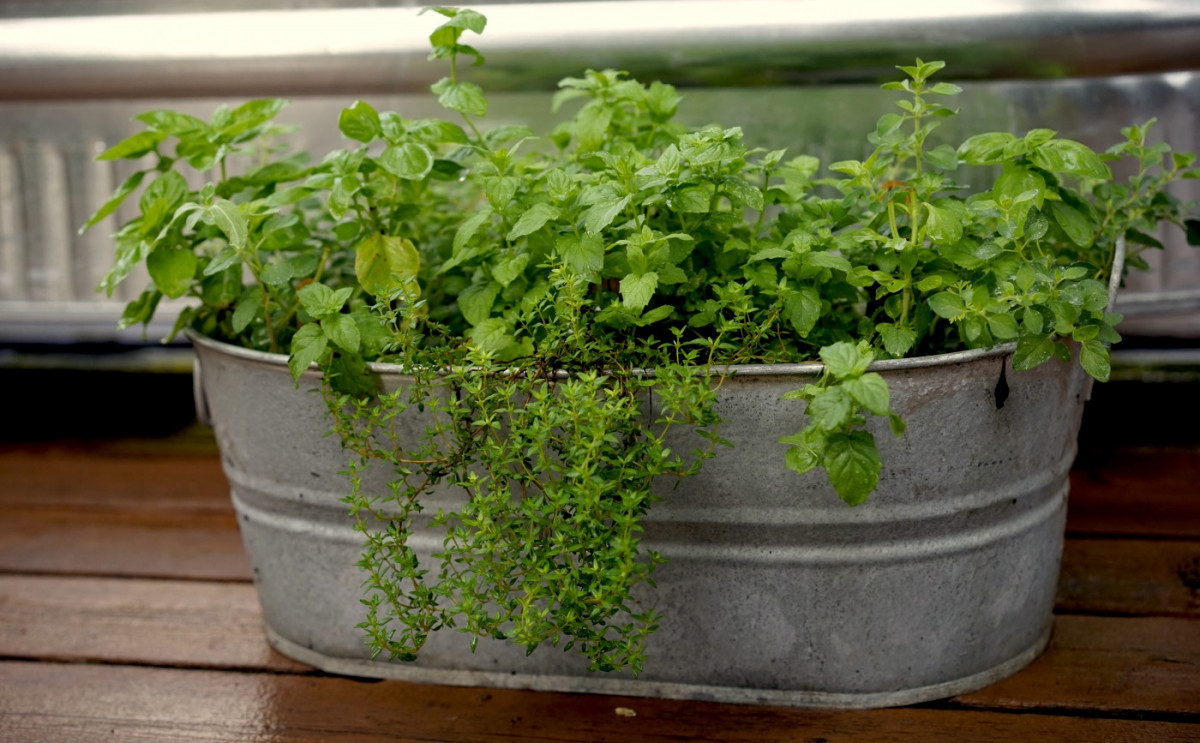

If you love fresh herbs but feel limited by apartment living or a tiny yard, you’re not alone. Many home cooks want the convenience of homegrown basil, parsley, and mint without dedicating precious square footage. The good news: with smart spacing techniques and the right containers, you can grow enough herbs for daily cooking in surprisingly little room. This guide shows you exactly how.
How to Maximize Herb Production in Minimal Space
Growing abundant herbs in small areas requires three core strategies: vertical thinking, container selection, and plant pairing. Follow these steps to create a productive herb garden that fits anywhere.
What You Will Need
- Vertical planter or tiered shelf system for stacking containers
- Small containers or pots (4-6 inches) with drainage holes
- Quality potting soil formulated for containers
- Grow light or access to 6+ hours of direct sunlight daily
- Watering can or drip irrigation kit
- Herb seedlings or seeds (compact varieties recommended)
Steps
Choose Your Vertical Structure
Select a space-efficient growing system such as a tiered plant stand, wall-mounted planter, or hanging pocket organizer. Position it where it receives maximum light–a sunny windowsill, balcony, or spot near a south-facing wall. If natural light is limited, position your vertical structure within 12-18 inches of a grow light source to ensure adequate illumination for herb growth.
Prepare Your Containers
Use individual pots with drainage holes to prevent root rot, sizing them appropriately for mature plant size–typically 4-6 inches for herbs like basil, thyme, and oregano. Fill each container with fresh potting soil, leaving about an inch of space at the top. Avoid garden soil; potting mixes drain better and are lighter for vertical arrangements.
Select Complementary Herb Varieties
Pair herbs strategically based on their light and water needs. Fast-growing herbs like basil work well with slower varieties like rosemary. Combine Mediterranean herbs (thyme, oregano) that prefer drier conditions in one zone, and place moisture-loving herbs (mint, parsley) in another area. This allows you to water efficiently without overwatering drought-tolerant plants.
Plant Your Herbs
Sow seeds directly into prepared soil following packet depth instructions, or transplant seedlings into containers at their proper depth. Press soil gently around stems and water until soil is moist but not soggy. Label each pot with the herb name and planting date for easy reference.
Arrange Containers Vertically
Position taller plants (like tall basil varieties) at the back or top of your structure and shorter plants (thyme, oregano) toward the front or bottom so sunlight reaches all foliage. Leave adequate spacing between containers for air circulation, which prevents fungal issues and promotes healthy leaf growth.
Establish a Watering Routine
Check soil moisture daily by inserting your finger an inch deep–water when the top inch feels dry. Container herbs dry faster than ground plantings, especially in warm or windy locations. Water at the base of plants to keep foliage dry and reduce disease risk. Consider installing a simple drip system or self-watering containers for consistency.
Provide Supplemental Light if Needed
If your space receives fewer than 6 hours of direct sunlight, position a grow light 12-18 inches above the tallest plants and run it for 12-14 hours daily. LED grow lights consume minimal electricity and produce little heat, making them ideal for indoor vertical gardens and windowsill arrangements.
Harvest Regularly to Encourage Growth
Begin harvesting leaves once plants have established 3-4 sets of true leaves. Pinch off the top 1/4 inch of stems regularly–this triggers bushier growth and prevents flowering, keeping leaves tender and flavorful. Regular harvesting also maximizes your yield from limited space.
- Group herbs by water needs: place basil and parsley together since both enjoy consistent moisture, while separating them from drought-tolerant Mediterranean herbs like rosemary and thyme.
- Rotate your containers every 2-3 days if using a grow light to ensure even light exposure on all sides and prevent plants from leaning toward the light source.
- Use self-watering containers or add a layer of mulch on soil to reduce watering frequency and maintain consistent moisture levels in vertical arrangements.
What to Look For in Vertical Herb Growing Systems
- Space Efficiency: Choose systems that stack vertically or mount on walls to maximize growing area without expanding your footprint. Tiered stands and hanging organizers deliver the most herb-growing capacity in compact spaces.
- Drainage Capability: Ensure your system accommodates containers with drainage holes and directs excess water away from floors or furniture. Systems with integrated trays or saucers prevent water damage while maintaining proper drainage.
- Light Access and Positioning: Select systems that position plants at varying heights to receive optimal light distribution, or that have space for integrating grow lights without obstruction. Systems near windows or with adjustable shelving offer the most flexibility.
- Durability and Material Quality: Look for rust-resistant materials like powder-coated metal or high-quality plastic that withstand moisture and regular watering. Sturdy construction supports the weight of soil-filled containers without wobbling or tipping.
Bonanza 4-Tier Metal Plant Stand
Best for: Maximizing herb yield in any space
This heavy-duty four-tier plant stand provides 4 shelves with generous spacing for herb containers of varying sizes. The sturdy metal construction supports up to 50 pounds per shelf, making it ideal for holding multiple potted herbs. Each tier is accessible for watering and harvesting, and the compact footprint fits apartments, patios, and balconies. The tiered design ensures even light distribution when positioned near a window, and grow lights mount easily above or between shelves.
Check Current Price on Amazon →Bloem Brady 20-Inch Self-Watering Planter
Best for: Hands-off herb growing
This self-watering container eliminates daily watering guesswork, perfect for busy growers or travel-prone herb enthusiasts. The built-in reservoir system maintains consistent soil moisture for 7-10 days, reducing root rot risk and plant stress. At 20 inches tall, it accommodates multiple herb seedlings or trailing varieties. The neutral terracotta color fits any decor, and drainage holes ensure excess water escape. Ideal for windowsill or container garden setups where consistent watering is difficult.
Check Current Price on Amazon →Gardman Wall-Mounted Herb Planter Pocket
Best for: Minimal space and tight budgets
This fabric wall-hanging organizer provides 7 individual pockets for growing compact herbs vertically against any wall or fence. The lightweight design requires minimal installation and fits balconies, patios, or interior walls near windows. Each pocket drains independently, preventing waterlogging while allowing shared watering time. At under 30 dollars, it’s an affordable entry point for vertical herb gardening. The weather-resistant fabric withstands moisture and temperature fluctuations in most climates.
Check Current Price on Amazon →AeroGarden Harvest Elite 360 with LED
Best for: Compact spaces with built-in lighting
This countertop hydroponic system eliminates soil and grows 6 herbs simultaneously in a 17-inch diameter footprint. The integrated full-spectrum LED grow light delivers optimized wavelengths for robust herb growth, operating 14-16 hours daily automatically. Water levels are monitored electronically, alerting you when nutrients or water need topping. The system handles basil, parsley, mint, and dill exceptionally well. While pricier, it produces harvest-ready herbs in 3 weeks with zero mess and minimal intervention–ideal for apartments with limited natural light.
Check Current Price on Amazon →Lechuza Cube Self-Watering Pot 10 Inch
Best for: Premium indoor herb displays
This sleek self-watering container combines European design with practical functionality, featuring a water level indicator and root protection system that prevents overwatering. The textured finish and available colors (anthracite, white, espresso) complement modern interiors while serving as functional herb growing vessels. At 10 inches wide, each pot accommodates larger herb varieties like basil or rosemary while providing 2-3 weeks of moisture retention. Multiple pots stack vertically or arrange on shelves to create a sophisticated herb garden display.
Check Current Price on Amazon →Espresso 600W LED Grow Light with Dimmer
Best for: Supplemental lighting for indoor herbs
This full-spectrum LED grow light delivers energy-efficient illumination for indoor herb gardens in low-light apartments or basements. The dimmable function allows precise control over light intensity based on plant stage and available ambient light, extending to 18-hour daily cycles. At 600W equivalent, it covers roughly 4 square feet of growing area without excessive heat. The aluminum cooling fins prevent overheating during extended operation. Compatible with standard socket adapters, it installs easily above tiered shelving or vertical planters.
Check Current Price on Amazon →LUSTER Leaf Watering Wand with Brass Nozzle
Best for: Precise watering of vertical herb gardens
This long-reach watering wand extends 30 inches, making it easy to water herbs on tall shelves or hanging arrangements without awkward stretching. The brass nozzle provides fine mist or soaker settings, allowing gentle watering that prevents soil compaction and foliage damage. The lightweight aluminum shaft and ergonomic handle reduce fatigue during regular watering sessions. Ideal for apartment gardeners with space constraints who need reliable, controlled watering for multiple tiered containers.
Check Current Price on Amazon →Burpee Premium Organic Potting Mix 10 Qt
Best for: Cost-effective soil foundation for container herbs
This premium potting soil is specifically formulated for container growing, offering excellent drainage and moisture retention balance needed for herb cultivation. Fortified with beneficial microbes and mycorrhizae, it promotes stronger root development and nutrient uptake from the start. The 10-quart bag fills approximately 4-5 containers of typical herb pot size, making it economical for setting up a multi-container vertical garden. OMRI-certified organic ingredients align with chemical-free growing preferences.
Check Current Price on Amazon →Your Compact Herb Garden Awaits
Growing abundant fresh herbs in small spaces is entirely achievable with the right approach. The key lies in thinking vertically, choosing space-efficient containers, and matching herb varieties to your light conditions. Whether you’re using a tiered stand on a balcony, wall-mounted pockets in a hallway, or a hydroponic system on your kitchen counter, you can harvest fresh basil, parsley, mint, and more year-round. The setup takes a few hours, but the payoff–kitchen herbs at arm’s reach whenever you cook–lasts for months.
Start with the vertical structure that best fits your space and budget, add quality potting soil and seedlings, and establish a simple watering routine. The products listed above cover every piece of the puzzle, from shelving systems to grow lights to self-watering containers. Within 3-4 weeks, you’ll have enough fresh herbs to elevate every meal. Small space, zero excuses, infinite fresh herb possibilities.
Frequently Asked Questions
How much sunlight do container herbs actually need?
Most culinary herbs require 6-8 hours of direct sunlight daily for optimal growth and flavor development. In spaces with less natural light, supplement with a grow light positioned 12-18 inches above plants for 12-14 hours daily. Slower-growing herbs like rosemary and oregano tolerate light levels as low as 4-5 hours, while fast-growing basil prefers the full 6-8 hours.
Can I grow herbs indoors year-round on a windowsill?
Yes, most culinary herbs thrive indoors on sunny windowsills, especially south-facing windows. In winter months with limited daylight, add a compact grow light to extend growing time. Ensure adequate air circulation by cracking a window occasionally or using a small fan to prevent fungal issues. Rotate containers every 2-3 days to promote even growth.
Which herbs grow best together in tight spaces?
Mediterranean herbs (rosemary, thyme, oregano, sage) pair well since they prefer drier soil and lower watering frequency. Separate them from moisture-loving herbs like basil, parsley, mint, and cilantro. Group fast-growers like basil with slower varieties like rosemary to manage harvesting schedules and prevent overcrowding.
How often should I fertilize container herbs?
Container herbs deplete nutrients faster than ground plants due to regular watering and harvesting. Apply a balanced liquid fertilizer every 2-3 weeks during the growing season, following product label rates. Alternatively, amend potting soil with slow-release fertilizer at planting time to reduce fertilizing frequency. Reduce fertilization in winter when growth naturally slows.
What’s the best way to prevent pests in indoor herb gardens?
Inspect new plants before bringing them indoors, and isolate any showing pest signs for 1-2 weeks. Maintain good air circulation with occasional fan use, and wipe leaves monthly with a damp cloth to remove dust and prevent mite infestations. If pests appear, isolate affected plants and spray with insecticidal soap or neem oil, following product instructions carefully.
As an Amazon Associate, Build & Bloom earns from qualifying purchases. We only recommend products we genuinely think are useful. Prices and availability vary; check Amazon for the latest.
Leave a Reply