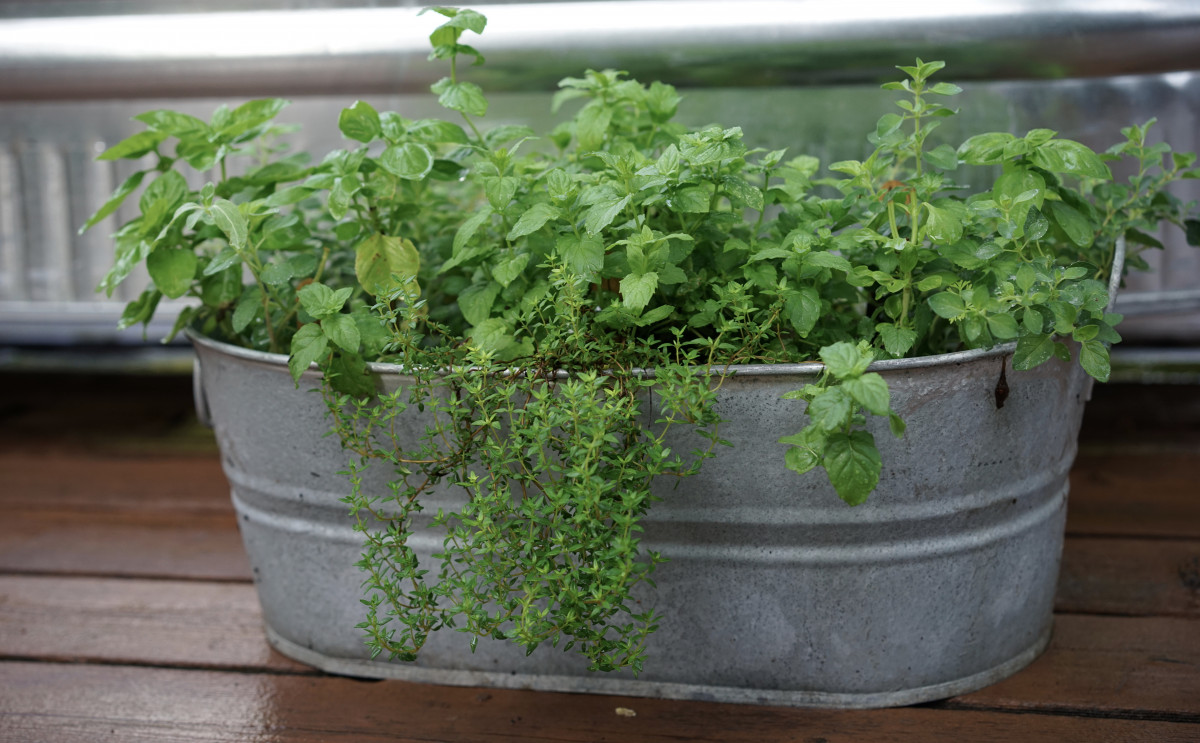

As temperatures drop, your outdoor herb garden faces a harsh reality: tender perennials like basil, rosemary, and mint either die back or struggle through dormancy. But you don’t have to lose your fresh herb supply. With the right setup and care routine, you can keep herbs thriving indoors all winter long, harvesting fresh leaves whenever you need them. This guide walks you through the exact process to transition your herbs successfully and maintain healthy growth through the cold months.
How to Overwinter Herbs Indoors Successfully
The key to keeping herbs alive indoors is providing adequate light, proper temperature, and adjusted watering. Follow these steps to create the ideal overwintering environment.
What You Will Need
- Grow lights or a south-facing window with 12+ hours of natural light daily
- Shallow containers with drainage holes and a saucer to catch excess water
- Well-draining potting soil (not garden soil)
- A small spray bottle for misting to increase humidity
- Thermometer to monitor indoor temperature (aim for 50-70 degrees F)
- Pruning shears for harvesting and maintenance cuts
Steps
Prepare your plants before the first frost
Dig up herbs from your garden or prepare container plants for the transition indoors. Choose the healthiest plants with strong stems and vibrant foliage. Remove any dead leaves or damaged growth, and trim the plant back by about one-third to encourage bushier indoor growth. Check the soil thoroughly for pests and insects before bringing anything inside.
Repot into containers with proper drainage
Transfer herbs into small pots with drainage holes if they’re not already potted. Use fresh potting soil rather than garden soil, which compacts too easily indoors and retains excess moisture. Leave about half an inch of space between the soil surface and the rim to allow for watering. Position a saucer underneath to protect your indoor surfaces from water damage.
Set up an adequate light source
Place plants in a south-facing window if available, where they’ll receive the most natural light. If natural light is limited, install a grow light positioned 6-12 inches above the plants and run it for 12-16 hours daily. Rotate plants weekly if using a single light source to ensure even growth. Herbs need bright light to prevent leggy, weak growth during winter dormancy.
Adjust your watering schedule for indoor conditions
Water less frequently than you did outdoors since indoor plants evaporate moisture more slowly and growth slows in winter. Check soil moisture with your finger before watering; the top inch should feel slightly dry. Water when needed until it drains from the bottom, then empty the saucer. Most herbs only need water once every 7-10 days indoors, depending on humidity and temperature.
Maintain humidity around the plants
Indoor heating systems create dry air that stresses herbs. Mist plants lightly every few days with a spray bottle to increase humidity, or group pots together to create a microclimate. Monitor for spider mites and other pests that thrive in dry conditions. Alternatively, place pots on a tray filled with pebbles and a small amount of water, ensuring the pot sits above the water line.
Keep temperature consistent and cool
Most herbs prefer temperatures between 50 and 70 degrees Fahrenheit indoors. Keep plants away from heating vents, radiators, and cold drafts from windows. Cooler nighttime temperatures actually benefit herb growth. Avoid placing pots near temperature fluctuations like doors or heating sources, which stress the plants and slow growth.
Harvest regularly to encourage bushiness
Begin harvesting once plants are established indoors and showing new growth. Pinch off the top two sets of leaves regularly to encourage branching rather than tall, spindly growth. This regular harvesting keeps plants compact, improves air circulation around foliage, and gives you fresh herbs for cooking throughout winter. Remove any yellowing or diseased leaves immediately.
- Start the overwintering process at least 4-6 weeks before your first frost so plants have time to acclimate indoors before winter stress begins
- Basil, cilantro, and parsley are easiest for beginners; rosemary and bay leaf are tougher but possible with excellent light and cool temperatures
- Group herbs with similar water and light needs together to simplify care and create a humid microclimate that benefits all plants
What to Look For in Indoor Herb Growing Equipment
- Grow Light Intensity and Spectrum: Herbs need at least 200-400 micromoles of light intensity. Full-spectrum LED lights that emit both blue and red wavelengths support vegetative growth and flavor development. Look for lights rated for seedlings and herbs specifically, not general household lighting.
- Container Drainage and Size: Drainage holes are non-negotiable for preventing root rot. Containers should be 4-6 inches deep for most herbs. Avoid oversized pots that hold excessive moisture; herbs prefer slightly snug quarters. Ensure saucers catch water without allowing pots to sit in standing water.
- Adjustability and Timer Features: Lights with adjustable height allow you to maintain proper distance as plants grow. Built-in timers or compatible smart plugs eliminate manual switching and ensure consistent 12-16 hour light cycles. Dimmable lights let you adjust intensity based on plant response.
- Footprint and Space Efficiency: Consider your available windowsill or shelf space. Compact grow light bars work for 2-4 pots, while larger panels suit 8+ plants. Vertical stacking or shelving units maximize production in small spaces like apartments or studios.
Barrina LED Grow Light Panel (2 Pack)
Best for: Serious herb gardeners wanting reliable full-spectrum growing
These T5 LED panels deliver 200+ PPFD at 12 inches and feature full-spectrum diodes ideal for vegetative growth. The adjustable hanging system lets you position lights at the perfect height as herbs grow. At 18 watts per panel, they’re efficient and generate minimal heat. Two panels can cover 8-12 herb pots, making this the most practical solution for a dedicated indoor herb garden. Excellent for rosemary and other finicky herbs that demand strong light.
Check Current Price on Amazon →AeroGarden Harvest 360
Best for: Beginners who want an all-in-one system
This hydroponic system includes built-in LED lights, automatic watering, and pre-seeded herb pods. Simply plug it in and follow the app-guided care instructions. The 360-degree light coverage supports 6 plants simultaneously. While more expensive upfront, it eliminates guesswork about watering and lighting schedules. Perfect for apartment dwellers without access to natural light or space for separate grow setups.
Check Current Price on Amazon →Vivosun 24-Inch LED Grow Light with Stand
Best for: Novices needing an affordable complete package
This kit includes the grow light, adjustable stand, and power cord in one purchase. The 24-inch width fits standard shelves and covers 4-6 herb pots effectively. Full-spectrum LEDs support healthy herb growth, and the 8-level dimmer lets you adjust intensity as needed. The included stand eliminates installation hassle. A transparent, easy-to-understand manual makes setup straightforward for first-time growers.
Check Current Price on Amazon →LUX LED Grow Light Bar with Smart Controller
Best for: Perfectionist growers wanting precision control
LUX lights feature smartphone app control, allowing you to set custom light cycles and intensity remotely. The modular design chains multiple bars together for larger gardens. Full-spectrum RGB tuning optimizes growth stages, and built-in efficiency monitoring tracks energy use. While premium-priced, this system offers the highest level of customization and data tracking for serious indoor gardeners.
Check Current Price on Amazon →Your Indoor Herb Garden Awaits
Overwintering herbs indoors transforms winter from a season of culinary deprivation into an opportunity for year-round fresh flavor. The process is straightforward: provide bright light for 12-16 hours daily, maintain consistent cool temperatures, adjust watering to slower indoor evaporation rates, and harvest regularly to encourage growth. With any of the grow light solutions above, you’ll create an environment where basil, rosemary, mint, and other tender perennials thrive through the coldest months.
Start small with 2-3 favorite herbs if you’re new to indoor growing, then expand your collection as you gain confidence. The investment in proper lighting pays dividends immediately when you snip fresh basil for pasta or rosemary for roasted vegetables in January. By spring, your overwintered herbs will be established, vigorous plants ready to produce abundantly both indoors and outdoors. Winter herb scarcity is optional; abundance is just a grow light away.
Frequently Asked Questions
Can I use a regular household lamp for growing herbs indoors?
Regular incandescent or CFL bulbs provide insufficient spectrum for healthy herb growth and waste energy as heat. While they add some light benefit in south-facing windows, dedicated full-spectrum grow lights are essential for true indoor overwintering success. Standard bulbs lack the blue and red wavelengths herbs need for robust photosynthesis.
Why are my overwintered herbs getting tall and spindly?
Leggy growth indicates insufficient light reaching the plant. Move lights closer (6-12 inches from foliage), extend the light cycle to 14-16 hours, or upgrade to higher-output lights. Prune regularly to encourage bushier development, and ensure adequate air circulation with a small fan to strengthen stems.
How often should I fertilize overwintering herbs indoors?
Reduce fertilizer frequency to once monthly during winter since growth slows significantly. Use a balanced, water-soluble fertilizer diluted to half strength. Overfeeding causes salt buildup in indoor soil that stresses plants. Resume normal feeding schedules in spring as day length increases and growth accelerates.
Which herbs are easiest to overwinter indoors?
Mint, parsley, chives, and cilantro adapt well to indoor conditions and tolerate lower light. Basil grows quickly indoors with good light but is less cold-tolerant. Rosemary, oregano, and thyme require bright light and cooler temperatures but survive with proper care. Avoid overwintering annuals like borage that don’t survive indoor dormancy.
Should I separate my herbs into individual pots or keep them together?
Separate them into individual pots for better control over watering and light exposure. Different herbs have slightly different moisture and temperature preferences; keeping them separate ensures each gets ideal conditions. Grouping similar herbs (like basil with basil) works if they share identical care needs, but individual pots reduce disease risk and simplify harvesting.
As an Amazon Associate, Build & Bloom earns from qualifying purchases. We only recommend products we genuinely think are useful. Prices and availability vary; check Amazon for the latest.
Leave a Reply