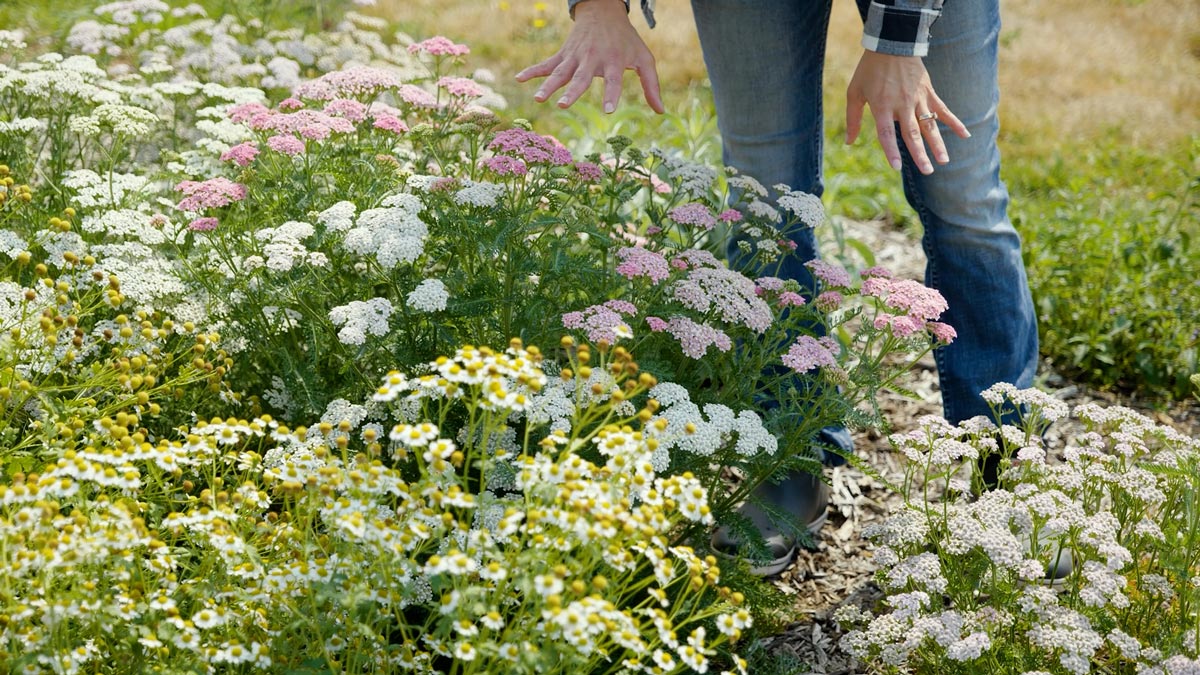

If you’ve ever wanted to grow your own healing herbs but felt overwhelmed by where to start, you’re not alone. Many beginners assume medicinal gardening requires specialized knowledge or rare seeds, but the truth is simpler: with a basic plan and the right location, you can have a thriving medicinal herb garden producing fresh remedies within months. The key is understanding your growing conditions and choosing herbs that actually thrive in your climate rather than guessing.
How to Plan Your Medicinal Herb Garden
Creating a successful medicinal herb garden starts with thoughtful planning before you dig a single hole. Follow these steps to design a garden that produces abundantly and fits your lifestyle.
What You Will Need
- Notepad or digital document for planning and tracking
- Soil test kit to assess pH and nutrient levels
- Garden layout paper or graph paper for sketching bed designs
- Measuring tape to assess sunlight duration and space dimensions
- Compost or organic matter for soil amendment
- Basic hand tools: spade, trowel, and pruning shears
Planning Steps
Assess Your Growing Zone and Microclimate
Determine your USDA hardiness zone by checking your region’s official classification. Beyond zone, observe your specific property: identify which areas receive full sun (6+ hours), partial shade (3-6 hours), and deep shade (under 3 hours). Note temperature fluctuations, wind exposure, and water drainage patterns. Most medicinal herbs prefer full sun and well-draining soil, so document these conditions carefully before selecting plants.
Research Medicinal Herbs Suited to Your Climate
Create a list of 8-12 medicinal herbs that thrive in your zone and match your sun availability. Popular beginner herbs include chamomile, mint, lavender, echinacea, sage, thyme, oregano, and calendula. Cross-reference each herb’s water needs, mature size, and harvesting timeline. Prioritize herbs you’ll actually use: if you don’t drink tea, echinacea may not be ideal for your garden.
Test and Improve Your Soil
Use a soil test kit to measure pH, nitrogen, phosphorus, and potassium levels. Most medicinal herbs prefer slightly acidic to neutral soil (pH 6.0-7.0). Based on test results, amend your soil with compost, aged manure, or lime as needed. Allow amendments to integrate for 2-3 weeks before planting. Healthy, living soil is the foundation of a productive medicinal garden and prevents disease.
Sketch Your Garden Layout
Draw your garden bed to scale on graph paper, including existing structures, trees, and sunlight patterns. Position taller herbs (like echinacea) where they won’t shade shorter plants. Group herbs by water needs: place drought-tolerant Mediterranean herbs (lavender, thyme) together, and moisture-loving herbs (mint, calendula) in another section. Leave adequate spacing between plants based on their mature width to allow air circulation.
Create a Planting Timeline
Determine your region’s last spring frost date and first fall frost date. Map out when to start seeds indoors, transplant seedlings, and direct-sow seeds. Note the harvest window for each herb, as timing affects potency and preservation methods. A simple calendar prevents planting mistakes and ensures you harvest at peak medicinal value.
Establish a Watering and Maintenance System
Decide whether you’ll hand-water, use soaker hoses, or install drip irrigation. Most medicinal herbs need consistent moisture without waterlogging. Create a watering schedule based on your climate’s rainfall patterns and your herbs’ specific needs. Plan pruning and deadheading routines to encourage bushier growth and continuous harvesting throughout the season.
Source Seeds or Seedlings
Order seeds or seedlings 4-6 weeks before your planting date from reputable suppliers. For beginners, quality seedlings eliminate germination uncertainty and provide faster results. If starting from seed, verify germination requirements, as some medicinal seeds need cold stratification or light exposure. Keep detailed records of plant varieties and suppliers for future reference.
- Start small with 5-7 herbs your first year rather than overwhelming yourself. A focused, thriving garden beats a sprawling, neglected one.
- Keep a garden journal documenting planting dates, harvesting yields, and plant performance. This record becomes invaluable for improving your garden each season.
- Group companion herbs together: mint appreciates afternoon shade near taller plants, while lavender and thyme love exposed, dry spots where other herbs might struggle.
What to Look For in Medicinal Herb Garden Supplies
- Soil Test Kits: A reliable soil test reveals pH and nutrient deficiencies before you plant. Look for kits that test nitrogen, phosphorus, potassium, and pH. Mail-in tests from university extension offices offer the most accuracy, while at-home meter kits provide quick results for planning purposes.
- Seed Starting Supplies: If starting from seed, invest in quality seed trays, sterile seed-starting mix, grow lights, and a heated mat. These tools dramatically increase germination rates and produce stocky, healthy seedlings ready for transplanting into your medicinal garden beds.
- Hand Tools and Pruners: Durable garden tools reduce effort and prevent hand fatigue during bed prep and harvesting. Look for ergonomic handles, stainless steel construction, and sharp blades. Quality pruning shears are essential for harvesting herbs at the right growth stage without damaging plants.
- Organic Soil Amendments: Choose certified organic compost, aged manure, peat moss alternatives, or coconut coir to improve soil structure and fertility. Quality amendments ensure your herbs access nutrients without synthetic chemicals, supporting the medicinal integrity of your harvest.
Craftsman Stainless Steel Garden Tool Set with Ergonomic Handles
Best for: Beginners planning and maintaining medicinal herb gardens
This comprehensive set includes a spade, spading fork, trowel, cultivator, and pruning shears with comfortable handles designed to reduce hand strain. Stainless steel construction resists rust and corrosion, ensuring longevity through seasons of soil work and plant care. The ergonomic grip design makes repetitive tasks like bed preparation and harvesting genuinely comfortable, allowing you to focus on your medicinal plants rather than aching hands.
Check Current Price on Amazon →Luster Leaf Rapitest Soil Test Kit
Best for: Gardeners who need quick pH and nutrient assessment
This portable soil test kit measures nitrogen, phosphorus, potassium, and pH without requiring lab submission. Simply add soil and test solution, then compare color results to the included chart. Perfect for medicinal gardeners wanting to amend soil before planting, this kit provides results in minutes and costs a fraction of professional testing while offering reliable guidance for most home gardens.
Check Current Price on Amazon →Burpee Premium Organic Seed Starting Mix
Best for: Cost-conscious gardeners starting medicinal herbs from seed
This sterile, peat-free seed starting mix creates ideal conditions for germination without breaking the budget. Made from sustainably sourced coconut coir and compost, it retains moisture while providing excellent drainage for tender seedlings. The lightweight formula is easy to work with when filling seed trays, and the 10-quart bag stretches across multiple trays, making it economical for large-scale seed starting projects.
Check Current Price on Amazon →Ferry Seeds Heirloom Medicinal Herb Seed Collection
Best for: First-time medicinal gardeners wanting proven, reliable varieties
This curated seed collection includes chamomile, echinacea, sage, thyme, oregano, calendula, and lavender–all proven beginner herbs with high germination rates. Ferry Seeds maintains historical plant varieties with detailed growing instructions on each packet, eliminating guesswork about planting depth and timing. The collection represents tried-and-true medicinal herbs that establish quickly and produce abundant harvests.
Check Current Price on Amazon →Felco Pruning Shears with Rotating Handle
Best for: Serious gardeners harvesting medicinal herbs regularly
Felco’s precision pruning shears deliver clean cuts that don’t bruise delicate herb stems, critical for medicinal quality. The rotating handle reduces wrist strain during extended harvesting sessions, while the replaceable blades and springs ensure years of reliable performance. Professional gardeners and herbalists choose Felco for the superior ergonomics and durability that make frequent harvesting pain-free.
Check Current Price on Amazon →Espoma Organic Potting Mix
Best for: Gardeners preparing rich, living soil for medicinal herbs
This certified organic potting mix combines peat moss, perlite, and plant-based ingredients to create fluffy, nutrient-rich growing medium for both seed starting and container herbs. The formula includes beneficial mycorrhizae and beneficial microbes that establish strong root systems, supporting long-term plant health. Unlike synthetic amendments, Espoma’s organic approach aligns with medicinal gardening principles emphasizing natural, chemical-free cultivation.
Check Current Price on Amazon →AcuRite Digital Moisture Meter
Best for: Gardeners establishing consistent watering routines for medicinal herbs
This digital moisture meter removes guesswork from watering decisions by measuring soil moisture and pH simultaneously. The long probe reaches deep into beds, revealing moisture levels that surface inspection misses. For medicinal gardeners, consistent watering prevents both drought stress and root rot, and this meter helps establish the perfect balance for each herb species in your specific garden conditions.
Check Current Price on Amazon →Bonnie Plants Medicinal Herb Starter Pack
Best for: Impatient beginners wanting immediate results without seed germination
This starter pack arrives with 4-6 established medicinal herb seedlings ready to transplant directly into garden beds or containers. Bonnie’s hardy seedlings skip the germination uncertainty and deliver mature plants within weeks rather than months. Perfect for gardeners who want to focus on garden layout and care routines rather than seed starting, this pack jumpstarts your medicinal garden while building confidence.
Check Current Price on Amazon →Start Your Medicinal Herb Garden Today
Planning a medicinal herb garden isn’t complicated, but it does require intentional preparation. By assessing your growing conditions, selecting suitable herbs, improving your soil, and establishing clear maintenance routines before planting, you’ll create a thriving garden that produces healing herbs year after year. The most successful gardens start small and focused: five well-tended medicinal herbs in prime locations outperform twenty struggling plants scattered across poor soil. Begin with the planning steps outlined above, invest in reliable tools and quality soil amendments, and document your observations as your garden develops. Within a single season, you’ll harvest fresh chamomile tea, echinacea for immune support, and culinary-medicinal herbs like sage and thyme.
The most rewarding aspect of medicinal gardening is watching plants that began as tiny seeds or seedlings mature into productive medicine factories. Your careful planning today translates directly into abundant harvests, reduced time spent on garden maintenance, and deep satisfaction knowing you’re growing your own remedies. Don’t wait for the perfect moment or the complete setup: start with what you have, use the planning framework above, and adjust as you learn your specific garden’s rhythms. Your medicinal herb garden is waiting.
Frequently Asked Questions
How much space do I need for a medicinal herb garden?
You can start productively with as little as 4×4 feet (a single raised bed) or even a few containers on a sunny patio. As you expand, many gardeners eventually use 8×8 or 10×10 foot beds, but beginners should prioritize quality soil and consistent care over acreage. A well-tended small garden produces more usable herbs than a neglected large one.
What’s the best time of year to plant medicinal herbs?
Spring planting (after your last frost date) works best for most regions, giving herbs the full growing season to establish. In mild climates, fall planting is viable. Check your specific herbs’ preferences: some thrive with spring planting, while others prefer fall. Starting from seedlings rather than seeds extends your planting window and increases success rates.
Do medicinal herbs need special soil compared to regular vegetables?
Most medicinal herbs thrive in well-draining, moderately fertile soil similar to vegetable gardens. The key difference: Mediterranean herbs (lavender, thyme, sage) prefer leaner, sandier soil and actually perform better in poor soil, while mint and calendula enjoy richer, moister conditions. Matching soil conditions to each herb’s preferences matters more than special ‘medicinal’ soil formulations.
How do I know when to harvest medicinal herbs for maximum potency?
Harvest most herbs in early morning after dew dries but before heat stresses the plant. Peak potency typically occurs just before flowering for leafy herbs and during full bloom for flowering herbs like calendula and echinacea. A garden journal documenting your harvest dates and plant performance reveals your garden’s specific timing patterns, improving subsequent seasons.
Can I grow medicinal herbs in containers instead of garden beds?
Absolutely. Container gardening works well for medicinal herbs, especially for space-limited gardeners or those wanting mobility and seasonal flexibility. Use quality potting mix, ensure drainage holes, and choose containers sized to mature plant dimensions. Container herbs need more frequent watering than in-ground plants but offer easier harvesting and pest management, making them ideal for beginners.
As an Amazon Associate, Build & Bloom earns from qualifying purchases. We only recommend products we genuinely think are useful. Prices and availability vary; check Amazon for the latest.
Leave a Reply