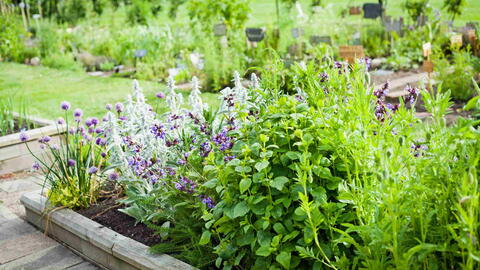

You’ve seen those beautiful herb gardens on Instagram and wondered if you could actually grow fresh basil, oregano, and thyme at home. The good news: starting a culinary herb garden is one of the easiest gardening projects for beginners. Whether you have a sprawling backyard or just a sunny windowsill, you can be harvesting homegrown herbs for your kitchen within weeks. This guide walks you through every step, from site selection to your first harvest.
How to Start Your Culinary Herb Garden
Building a thriving herb garden requires just a few basics: the right location, good soil, appropriate containers or beds, and consistent moisture. Follow these steps to establish a garden that produces fresh herbs all season.
What You Will Need
- Container or garden bed space (at least 12 inches deep for most herbs)
- Potting soil or garden soil mixed with compost (nutrient-rich blend)
- Herb seeds or seedlings (basil, parsley, oregano, thyme, chives recommended for beginners)
- Watering can or hose with gentle spray setting
- Small gardening spade or hand trowel
- Location with 6+ hours of direct sunlight daily
Steps
Select Your Growing Location
Choose a spot that receives at least 6 hours of direct sunlight each day. This can be a garden bed, a set of containers on a patio, a windowsill, or a balcony. Most culinary herbs are sun-lovers and won’t develop strong flavor in shade. Ensure the area has access to water and isn’t exposed to harsh afternoon winds that could dry plants quickly.
Prepare Your Soil
Whether using containers or in-ground beds, fill with a quality potting mix or amended garden soil. Mix in compost to improve drainage and nutrient content. Herbs prefer well-draining soil that doesn’t stay soggy. If starting in-ground, break up compacted soil and work in 2-3 inches of compost. Test that water drains within a few hours of watering.
Choose Your Herbs Wisely
For your first herb garden, start with forgiving varieties: basil, parsley, oregano, thyme, and chives. These germinate quickly, tolerate minor neglect, and have strong culinary appeal. Once comfortable, expand to rosemary, sage, and cilantro. Avoid mixing aggressive spreaders like mint with delicate herbs — mint needs its own dedicated container.
Plant Seeds or Transplants
Follow packet instructions for seed depth and spacing. Most herb seeds plant 1/4 to 1/2 inch deep. If using seedlings from a nursery, dig holes slightly larger than their root ball and plant at the same depth they were originally growing. Gently firm soil around the base and water thoroughly after planting.
Establish a Watering Routine
Water when the top inch of soil feels dry to the touch. Young herbs need consistent moisture but not waterlogged soil. Water early morning to reduce disease risk and allow foliage to dry quickly. As plants mature, they become more drought-tolerant. Container herbs dry faster than in-ground herbs and may need daily watering during hot spells.
Monitor Growth and Remove Weeds
Check plants 2-3 times weekly for weeds, pests, and signs of disease. Remove weeds by hand before they compete with young herbs. Pinch off flower buds on leafy herbs like basil to encourage bushier growth. Early detection of spider mites or aphids prevents major infestations.
Begin Harvesting
Once plants have 6+ true leaves, begin pinching or harvesting gently. Remove leaves from the top down to encourage branching. Regular harvesting actually promotes bushier, more productive plants. Most culinary herbs are ready for first harvest within 3-4 weeks of planting transplants, or 6-8 weeks from seed.
- Start small with 3-4 herb varieties rather than overcommitting. Success with a few plants builds confidence for expansion.
- Group herbs by water needs: basil and parsley like consistent moisture, while oregano and thyme prefer drier conditions between waterings.
- Harvest in the morning after dew dries but before the heat of the day for peak flavor and longest freshness in the kitchen.
What to Look For in Herb Gardening Supplies
- Drainage Capacity: Containers and soil must drain excess water within hours of watering. Poor drainage causes root rot, the leading cause of herb garden failure. Look for pots with drainage holes and amend soil with perlite or compost.
- Soil Quality: Herbs thrive in light, airy, nutrient-rich soil. Avoid heavy clay or garden soil alone. Quality potting mixes combine peat moss, compost, and perlite for ideal moisture retention and drainage balance.
- Seed Viability and Source: Purchase seeds from reputable suppliers with recent harvest dates. Old seeds have low germination rates and waste time and effort. Check expiration dates and choose certified organic or heirloom varieties for best flavor.
- Container Material and Size: Containers should be at least 6-12 inches deep depending on the herb. Terracotta breathes well but dries fast, while plastic retains moisture longer. Ensure containers have adequate drainage holes and sufficient volume for root development.
Miracle-Gro Indoor Potting Mix
Best for: All herb gardeners, especially beginners
This premium potting mix is specifically formulated with nutrients to feed plants for up to 6 months. The combination of sphagnum peat moss, perlite, and compost creates ideal drainage while retaining necessary moisture. It’s lightweight, easy to work with, and has consistent quality across bags. Perfect for containers and raised beds. The nutrient charge means you won’t need to fertilize during the critical early growth phase.
Check Current Price on Amazon →Terracotta Pot with Drainage Hole 6-Inch
Best for: Budget-conscious gardeners and individual herbs
Classic terracotta pots are affordable, attractive, and naturally breathable. This 6-inch size works perfectly for single basil or parsley plants or small oregano specimens. The natural clay material allows soil to dry evenly, reducing overwatering risks. Terracotta is breakable and heavier than plastic, but the aesthetic appeal and durability often justify the investment.
Check Current Price on Amazon →Bonnie Plants Herb Collection Bundle
Best for: First-time herb gardeners wanting instant results
This collection includes pre-started seedlings of four popular culinary herbs: basil, parsley, oregano, and chives. Starting with transplants rather than seeds eliminates germination challenges and delivers harvestable plants within 2-3 weeks. Each plant arrives healthy and ready to transplant into your garden or containers. Perfect for someone wanting immediate gratification without seed-starting complexity.
Check Current Price on Amazon →Ceramic Herb Planter Set with Drainage Insert
Best for: Indoor windowsill gardeners and home decor-conscious growers
This elegant ceramic planter set includes matching pots designed specifically for indoor herb growing. The built-in drainage insert prevents water from pooling while the attractive finish complements any kitchen or dining area. Ceramic holds moisture longer than terracotta, reducing watering frequency. The set typically includes 3-4 pots in coordinating colors, making it ideal for a cohesive windowsill herb garden.
Check Current Price on Amazon →Start Your Herb Garden This Week
Starting a culinary herb garden is simpler and faster than most gardeners imagine. With just six basic elements — sunlight, good soil, containers or beds, water, the right herb varieties, and patience — you’ll be harvesting fresh basil, parsley, and oregano within weeks. The satisfaction of snipping herbs you grew yourself transforms your cooking and connects you to where your food comes from. This isn’t an hobby reserved for experienced gardeners or those with acres of land; container gardens on windowsills and small patio spaces produce abundantly.
Your next step is simple: choose one location with at least 6 hours of sunlight, gather your soil and containers, and select 3-4 beginner-friendly herbs to start. Don’t overthink it or wait for perfect conditions. Herbs are remarkably forgiving plants that thrive on benign neglect compared to other garden vegetables. Within a month, you’ll have fresh herbs on your dinner table and the confidence to expand your garden. Begin today, and by next week you’ll be growing the most flavorful culinary herbs you’ve ever tasted.
Frequently Asked Questions
Can I grow herbs indoors without sunlight?
Herbs strongly prefer 6+ hours of direct sunlight daily for best flavor and growth. Indoor windowsills may work for slower-growing herbs like oregano and thyme, but basil and parsley will become leggy and weak. Grow lights or LED systems designed for plants provide artificial alternatives if natural sunlight isn’t available.
How often should I water my herb garden?
Water when the top inch of soil feels dry to the touch. Most herbs need watering every 2-3 days in warm weather, less in cooler months. Containers dry faster than garden beds. The goal is moist but never waterlogged soil. Overwatering causes root rot and is the leading reason beginner herb gardens fail.
When can I start harvesting from my herb garden?
Herb transplants are ready to harvest within 2-3 weeks of planting once they have 6+ true leaves. Seeds take 6-8 weeks to mature to harvestable size. Begin with small pinches, removing leaves from the top down. Regular, gentle harvesting actually encourages bushier, more productive plants rather than slowing growth.
Which herbs are easiest for beginners?
Basil, parsley, oregano, thyme, and chives are extremely forgiving and fast-growing. Mint is easy but aggressive and should be contained. Avoid cilantro, dill, and rosemary until you have success with simpler varieties, as these demand specific conditions or grow slowly.
Can I grow herbs indoors year-round?
Yes, with adequate light. South-facing windowsills work in warm months, but grow lights become necessary in winter when daylight is limited. Potted herbs brought indoors before the first frost can produce all winter on a sunny kitchen windowsill. Some gardeners maintain year-round harvests by rotating indoor and outdoor plants seasonally.
As an Amazon Associate, Build & Bloom earns from qualifying purchases. We only recommend products we genuinely think are useful. Prices and availability vary; check Amazon for the latest.
Leave a Reply