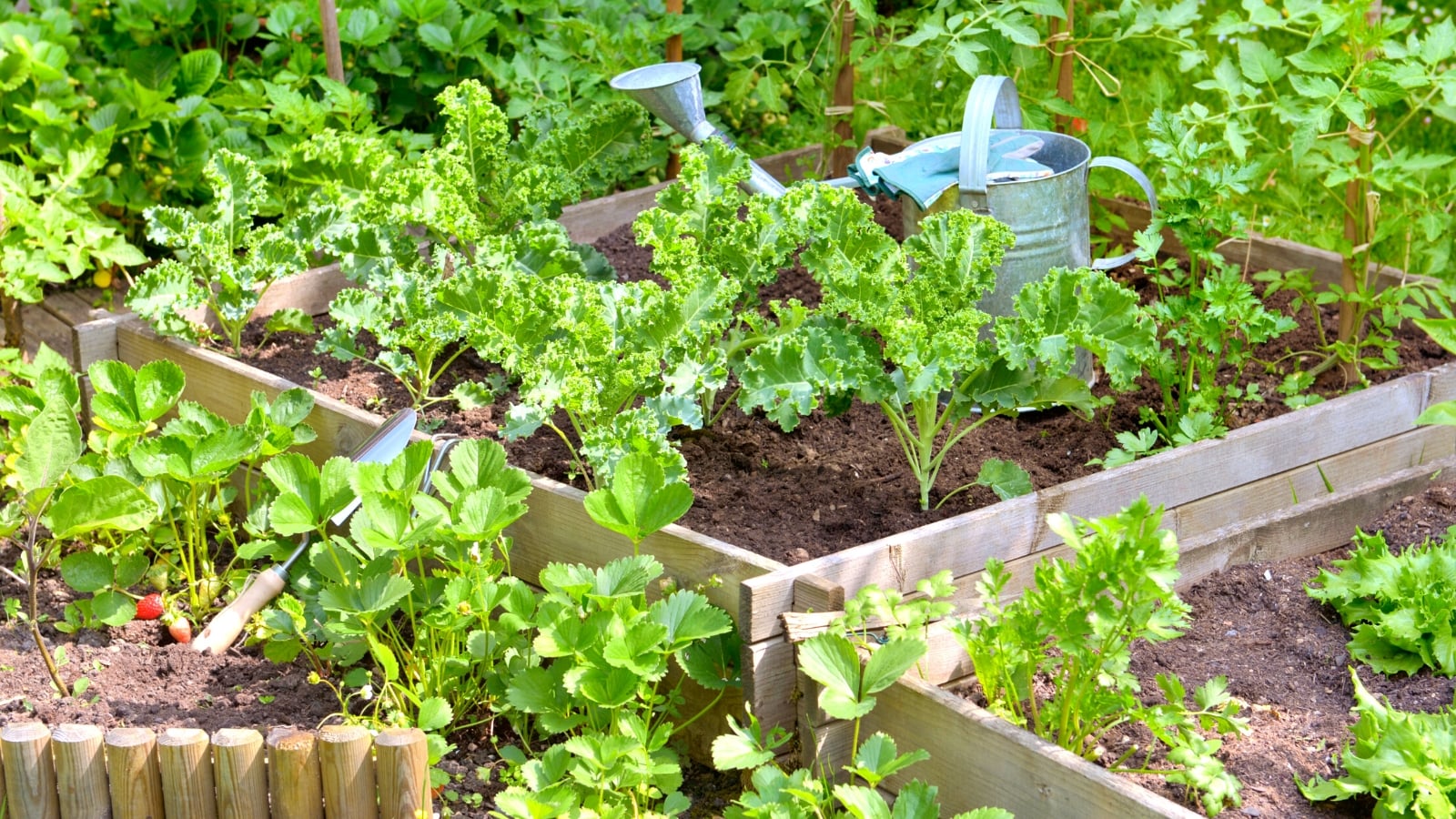

You’ve watched gardening videos and dreamed about homegrown tomatoes, but you’re not sure where to actually start. Between soil amendments, seed catalogs, and confusing gardening jargon, it feels overwhelming. The truth is, starting a vegetable garden is simpler than you think—and you don’t need a large yard or years of experience to grow food that tastes infinitely better than store-bought produce.
How to Plant Your First Vegetable Garden
Follow these practical steps to go from planning to harvest, whether you’re using containers, raised beds, or in-ground space.
What You Will Need
- A location with at least 6-8 hours of direct sunlight daily
- Garden soil or potting mix (3-4 cubic feet for a small garden)
- Compost or aged manure to enrich your soil
- Basic hand tools: spade, hand trowel, and garden fork
- Seedlings or seeds for beginner-friendly vegetables
- A watering can or garden hose with a spray nozzle
Steps
Scout your location
Walk around your yard or outdoor space during different times of day and note where sunlight lands. Most vegetables need 6-8 hours of direct sun. Choose a spot with good drainage (avoid areas where water pools after rain) and reasonably close to your home so you’ll visit it regularly. South-facing locations work best in most climates.
Prepare your soil
Whether working with in-ground beds or containers, remove weeds, grass, and debris from your area. Break up compacted soil with a garden fork. Mix in compost or aged manure at a 1:1 ratio with native soil to boost nutrients and improve drainage. Good soil is the foundation of a thriving garden—don’t skip this step even though it feels tedious.
Choose beginner-friendly vegetables
Select 4-6 vegetables to start, focusing on crops that grow quickly and forgive mistakes. Tomatoes, lettuce, zucchini, peppers, green beans, and basil are reliable winners for new gardeners. Avoid temperamental plants like artichokes or celery until you gain confidence. Check your USDA hardiness zone to ensure varieties will thrive in your climate.
Plant seedlings or seeds
If starting with seedlings (easier for beginners), dig holes slightly deeper than the root ball, space them according to package directions, and gently firm soil around them. If direct seeding, follow spacing and depth instructions on each seed packet. Water gently immediately after planting to settle the soil around roots.
Set up a consistent watering schedule
Water deeply in early morning or late evening to minimize evaporation and disease. Aim for 1-2 inches of water per week, adjusting for rainfall. Stick your finger an inch into soil—if it’s dry, water; if it’s moist, wait. Inconsistent watering causes blossom-end rot and bitter greens, so regularity matters more than volume.
Add mulch to retain moisture
Spread 2-3 inches of organic mulch (straw, shredded leaves, or wood chips) around plants, keeping it a few inches away from stems. Mulch prevents weeds, keeps soil temperature stable, and reduces water loss on hot days. This single step cuts watering frequency in half while suppressing most weeds.
Monitor and adjust
Visit your garden every 2-3 days to check for pests, yellowing leaves, or underwatering signs. Pinch off dead flowers to encourage more blooms. Remove weeds when they’re small rather than battling established ones later. Keep notes on what grows well—this becomes your personal growing guide.
Harvest regularly
Pick vegetables at peak ripeness (lettuce before bolting, peppers when full-sized). Regular harvesting encourages plants to produce more fruit throughout the season. Don’t wait for everything to mature at once; stagger harvests for a longer supply of fresh food.
- Start small—a 4×4 foot raised bed or four 5-gallon containers is more manageable than an ambitious 200 sq ft plot. You can always expand next year after gaining confidence.
- Plant densely with succession crops by replanting lettuce or beans every 3 weeks. This gives you a continuous harvest rather than one big glut of vegetables.
- Use soaker hoses or drip irrigation instead of overhead watering—they deliver water directly to roots, reduce fungal disease, and cut water waste by 50 percent.
What to Look For in Vegetable Gardening Equipment
- Soil quality and composition: Choose loamy garden soil or potting mixes that drain well but retain moisture. Look for products containing compost, coconut coir, or peat moss. Avoid pure clay or sand; amended soil is worth the extra cost and leads to healthier plants.
- Tool durability and handle comfort: Invest in tools with reinforced steel heads and ergonomic wooden or cushioned handles. Cheap plastic tools break quickly and cause hand fatigue. A spade and trowel with good balance will be used hundreds of times over years.
- Container or raised bed size: Containers should be at least 12 inches deep for lettuce/herbs, 18+ inches for tomatoes and peppers. Raised beds ideally measure 4×4 or 4×8 feet with 10-12 inch depth. Larger = more soil = less frequent watering, but also more initial work and expense.
- Watering system efficiency: Soaker hoses and drip lines use 30-50 percent less water than sprinklers and reduce fungal issues. Look for systems with adjustable spray patterns or timers. Hand watering works but demands discipline and consistency.
Gardman Garden Soil 40 lb Bag
Best for: Any beginner garden project
Premium garden soil formulated with compost and aged bark for optimal drainage and nutrient content. Suitable for in-ground beds, raised beds, and containers. Each 40-pound bag covers approximately 13 square feet at 3 inches depth. Arrives ready to use with no mixing required. Customers report excellent germination rates and healthy plant growth through full seasons. Dense formulation prevents settling over time, keeping roots consistently supported throughout the growing cycle.
Check Current Price on Amazon →Fiskars Ergonomic Garden Spade
Best for: Beginner gardeners on a tight budget
Lightweight yet durable spade with a comfortable grip handle and reinforced steel blade. Handles both digging and edging tasks without excessive weight strain. The softgrip handle reduces hand fatigue during longer gardening sessions. Ideal for preparing beds, turning compost, and transplanting larger plants. At under $20, this tool offers exceptional value compared to premium alternatives while maintaining functional durability for years of use.
Check Current Price on Amazon →AeroGarden Harvest Indoor Garden System
Best for: Apartment dwellers or those without outdoor space
Hydroponic system that grows herbs, lettuce, and peppers indoors under LED lights with minimal effort. Features automatic nutrient dosing and water level monitoring. Produces full plants in 3-4 weeks with pre-seeded pods included. Perfect for beginners wanting zero soil mess and guaranteed success. Uses 95 percent less water than traditional gardening and fits on any countertop, making it ideal for renters or small-space gardeners.
Check Current Price on Amazon →Corona ComfortGEL Hand Trowel
Best for: Everyday planting and transplanting
Compact hand trowel with a cushioned grip and precision-forged blade for consistent digging in containers and garden beds. Measures 8 inches long with a sharp, ergonomic tip. The gel handle absorbs impact and reduces hand strain during repetitive tasks. Trusted by professional horticulturists and home gardeners alike. Lightweight enough for one-handed use but sturdy enough for rocky soil conditions.
Check Current Price on Amazon →Raised Garden Bed Kit 4×8 by Frame It All
Best for: Gardeners wanting an organized, elevated garden
Pre-cut composite wood raised bed kit that assembles without tools in under 20 minutes. Measures 4 feet by 8 feet by 11 inches deep, providing ample growing space while minimizing bending. Composite materials resist rot and weathering far longer than cedar. Includes landscape fabric to prevent weed intrusion. Requires approximately 32 cubic feet of soil but eliminates ongoing ground preparation. Many gardeners report this single upgrade increased their yield by 40 percent versus in-ground growing.
Check Current Price on Amazon →Drip Irrigation Kit by DIG Corporation
Best for: Eliminating manual watering and reducing water waste
Complete 100-foot drip system with emitters, tuners, and connectors for gardens up to 600 square feet. Delivers water directly to root zones at soil level, eliminating 30-50 percent water waste compared to sprinklers. Timer option allows scheduled watering even while traveling. Reduces fungal diseases by keeping foliage dry. Installation takes under an hour with included instructions. After one season, most users report saving hundreds of gallons of water while growing healthier plants.
Check Current Price on Amazon →Gardena Watering Computer with Soil Moisture Sensor
Best for: Hands-off gardeners who want precision watering
Smart irrigation timer with integrated soil moisture sensor that waters only when needed, eliminating guesswork. Connects to your existing hose and can control multiple zones simultaneously. Battery-powered with a large LCD display and customizable schedules for different seasons. Automatically adjusts watering based on rainfall and soil conditions. Premium option that prevents overwatering, extends hose life, and reduces utility bills while ensuring plants never suffer drought stress.
Check Current Price on Amazon →5-Gallon Fabric Plant Pot Set by Hydrofarm
Best for: Container gardening in small spaces or patios
Set of three heavy-duty fabric grow pots, each 5 gallons with drainage holes and sturdy handles. Breathable fabric prevents root circling and improves drainage compared to plastic pots. Each pot accommodates one medium plant like a tomato, pepper, or squash. Lightweight and portable for moving plants to capture optimal sunlight. Affordable enough to start a complete container garden for under $30. Perfect for renters or anyone without yard access but with patio or balcony space.
Check Current Price on Amazon →Start Your Garden This Week
Growing vegetables isn’t complicated, mysterious, or expensive—it requires only sunlight, soil, seeds or seedlings, and water. By following these eight steps and investing in quality soil and basic tools, you’ll harvest homegrown food that tastes better and costs less than supermarket produce. The products listed above represent the essentials that make gardening easier and more successful; they address the exact challenges beginners face, from soil preparation to consistent watering.
The best time to start is now. Choose a sunny spot, spend an afternoon preparing your soil, plant 4-6 reliable vegetables, and commit to a weekly garden visit. Your first tomato or zucchini will taste like victory and cost you a few dollars in supplies. Next year, you’ll expand with confidence, experiment with new varieties, and wonder why you waited so long to start. Every expert gardener you admire began exactly where you are today—uncertain but willing to try.
Frequently Asked Questions
How much space do I actually need to start a vegetable garden?
You can begin with as little as a 4×4 foot raised bed or four 5-gallon containers on a patio. This space allows 4-6 vegetable plants and fits most backyards or balconies. Start small, master the basics, and expand next year once you understand your climate and growing patterns.
What’s the best time of year to start a vegetable garden?
Spring (after last frost) and late summer (for fall crops) are ideal in most climates. Check your local USDA hardiness zone and frost dates at planting.ca or your extension office. Cool-season crops like lettuce thrive in spring and fall, while tomatoes and peppers need warm soil (70F+) to thrive.
Can I grow vegetables in containers on my apartment balcony?
Absolutely. Most vegetables grow well in containers with at least 12 inches of depth and good drainage holes. Tomatoes, peppers, lettuce, herbs, and beans all thrive in pots. Containers actually give you control over soil quality and can produce more reliably than in-ground gardens in cramped urban spaces.
How often should I water my vegetable garden?
Most vegetables need 1-2 inches of water per week, delivered as deep waterings rather than frequent shallow sprinkles. Check soil moisture by inserting your finger an inch deep—water if dry, skip if moist. Morning watering is best to reduce fungal disease, and mulch cuts watering frequency by 50 percent.
Do I need expensive fertilizer for my garden?
No. Quality compost mixed into your soil at planting provides most nutrients vegetables need. Top-dress with compost mid-season for a nutrient boost. If plants show deficiencies (yellowing leaves), use a balanced organic fertilizer like fish emulsion. Most beginner gardens succeed without chemical fertilizers if you start with amended soil.
As an Amazon Associate, Build & Bloom earns from qualifying purchases. We only recommend products we genuinely think are useful. Prices and availability vary; check Amazon for the latest.
Leave a Reply