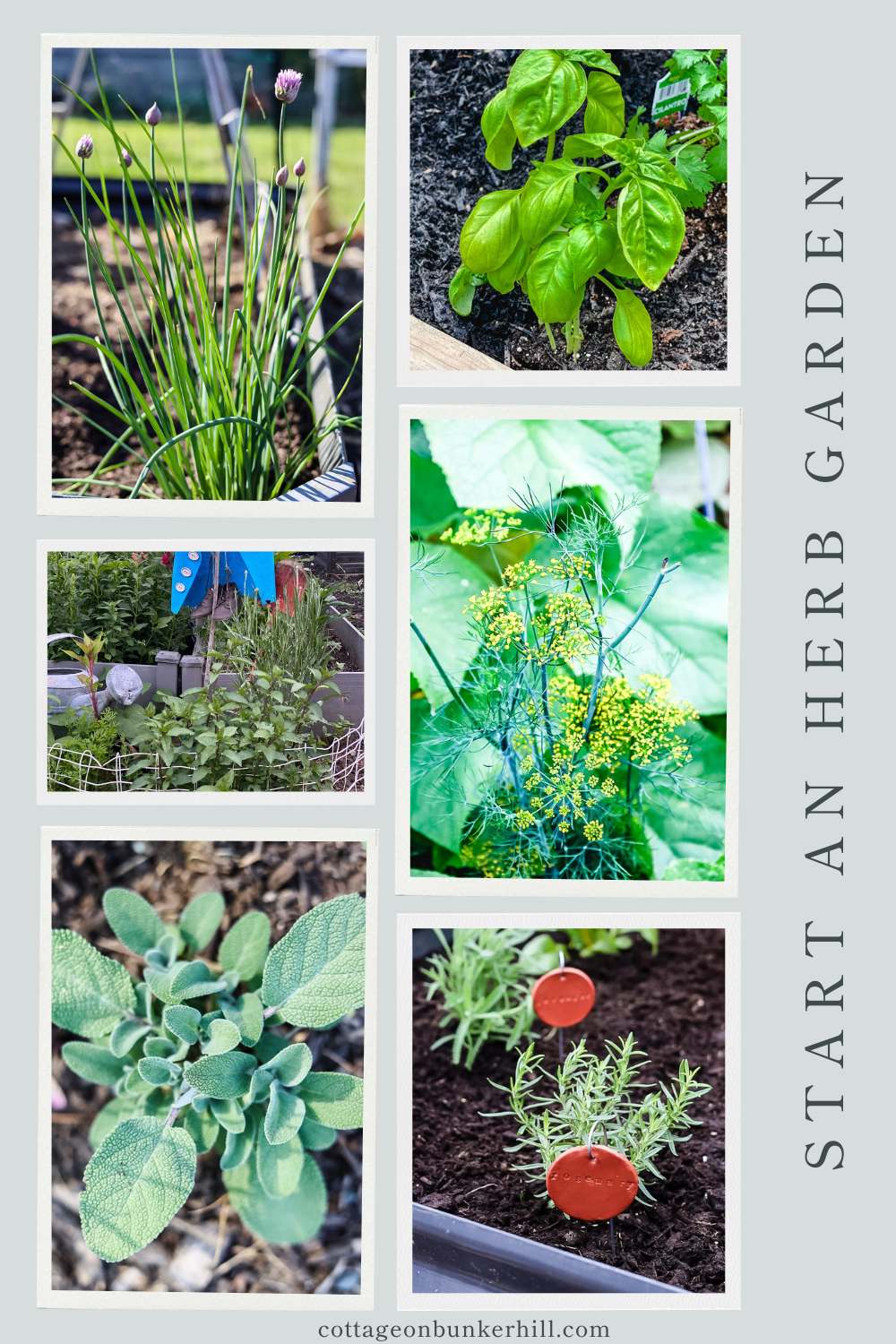

You’ve seen those beautiful herb gardens in magazines and wondered how to create one yourself. The good news: starting an herb garden is one of the easiest gardening projects for beginners, requiring minimal space, equipment, and experience. Whether you have a sprawling backyard, a small patio, or just a sunny windowsill, you can grow fresh herbs within weeks. This guide walks you through every step so you can have homegrown basil, mint, and rosemary ready for your kitchen.
How to Start Your First Herb Garden
Building an herb garden takes just a few hours and requires only basic materials. Follow these steps to set up a thriving collection of culinary herbs.
What You Will Need
- Containers with drainage holes (6-12 inches in diameter depending on herb type)
- Potting soil specifically formulated for containers
- Herb seeds or seedlings from a garden center
- Watering can or spray bottle for gentle watering
- A location with at least 6 hours of direct sunlight daily
- Optional: small pruning shears and plant labels
Steps
Choose Your Growing Location
Select a spot that receives at least 6 hours of direct sunlight each day. South-facing windowsills, patios, and balconies work well. If natural light is limited, herbs still tolerate partial shade (4-5 hours), though they may grow more slowly. Ensure good air circulation to prevent moisture-related issues.
Gather and Prepare Your Containers
Select containers that are 6-12 inches in diameter with drainage holes in the bottom. Terracotta pots are ideal because they breathe and prevent waterlogging, but ceramic or plastic containers work too. If using recycled containers, drill drainage holes to prevent root rot.
Fill Containers with Quality Potting Mix
Use a commercial potting soil blend designed for containers, not garden soil. Fill each container to about an inch below the rim. Potting mix is lighter and drains better than regular soil, creating the ideal environment for herb roots to develop strong and healthy.
Plant Seeds or Seedlings
If using seeds, follow packet instructions for planting depth and spacing. For seedlings, dig a small hole, gently place the plant, and firm soil around it. Most herbs can be started from seedlings for faster results if you’re a beginner.
Water Thoroughly After Planting
Water each container until moisture drains from the bottom holes. This settles the soil and ensures good root contact. Check soil moisture daily by touching the surface; water when the top inch feels dry.
Maintain Consistent Moisture Levels
Water when the top of the soil feels dry to the touch, but avoid waterlogging. Most herbs prefer slightly moist but not soggy conditions. In warm weather, daily watering may be necessary; in cooler seasons, every 2-3 days is typical.
Begin Harvesting When Plants Establish
Once plants have developed 3-4 sets of true leaves, you can begin pinching off leaves for use. Start with small harvests to encourage bushier growth. Regular harvesting prevents flowering and extends the productive life of your herbs.
Feed Monthly During Growing Season
Every 4 weeks during spring and summer, apply a balanced liquid fertilizer at half strength. This replenishes nutrients that containers can’t provide naturally. Reduce feeding in fall and winter when growth slows.
- Start with easy, fast-growing herbs like basil, mint, parsley, and chives if you’re completely new to gardening–these are nearly impossible to kill
- Plant basil and parsley separately from slower growers like rosemary and thyme, as they have different water and feeding needs
- Group containers together to increase humidity and create a microclimate that protects plants from dry air and wind
What to Look For in Herb Garden Containers and Supplies
- Drainage Capability: The single most important factor for container herb gardening. Drainage holes allow excess water to escape, preventing root rot that kills more herbs than any other cause. Even if you love a pot’s appearance, poor drainage will doom your plants.
- Container Size and Material: Containers 6-12 inches in diameter work best for individual herbs. Terracotta is breathable and prevents overwatering mistakes, while plastic is lightweight and retains moisture longer. Choose based on your climate and watering habits.
- Potting Soil Quality: Garden soil is too dense for containers and compacts over time. Purpose-formulated potting mixes are lighter, drain better, and provide proper aeration for healthy herb root development. Look for blends with perlite or vermiculite.
- Sunlight Access: Your growing location matters as much as equipment. Herbs need 6+ hours of direct sun daily. If your brightest spot offers only 4-5 hours, choose shade-tolerant herbs like mint and parsley, or supplement with a grow light.
Terracotta Pots with Drainage (Set of 5) – Standard Clay Plant Pots
Best for: Beginners wanting reliable, classic containers
A versatile set of terracotta pots in various sizes (4-8 inches) perfect for starting your herb garden. Terracotta’s natural porosity helps prevent overwatering by allowing soil to dry slightly between waterings, making it forgiving for beginners. Each pot includes a drainage hole and saucer. Terracotta ages beautifully and works indoors or outdoors. The rustic appearance suits any garden aesthetic.
Check Current Price on Amazon →Espoma Organic Potting Mix (8 Quart Bag)
Best for: New gardeners who want foolproof potting soil
Certified organic potting soil blend specifically formulated for container gardening. Contains mycorrhizae and beneficial microbes that help herbs establish faster and grow stronger. The mix drains well while retaining enough moisture for consistent growth. One 8-quart bag fills approximately four 6-inch containers. No added synthetic chemicals or fillers make it safe for edible herbs.
Check Current Price on Amazon →Bloem Ariana Self-Watering Planter (6 Inch)
Best for: Busy gardeners or those prone to underwatering
Plastic self-watering containers with a built-in reservoir that reduces watering frequency to once weekly. Ideal if you travel or forget to water regularly. The 6-inch size is perfect for basil, parsley, or smaller herbs. Comes in multiple colors and has excellent drainage to prevent soggy soil. More affordable than terra cotta while offering practical automation.
Check Current Price on Amazon →Campania International Aged Limestone Herb Pot (10 Inch)
Best for: Gardeners wanting beautiful, long-lasting containers
Hand-cast from natural limestone with elegant detailing and authentic aged finish. These premium pots last for decades and develop character over time. The 10-inch size accommodates larger herbs like rosemary or oregano. Excellent drainage and substantial weight prevent tipping. Investment piece that elevates any garden’s appearance while performing flawlessly.
Check Current Price on Amazon →Start Your Herb Garden This Week
Starting an herb garden requires only basic materials, minimal space, and a few hours of setup time. The joy of harvesting fresh basil for pasta or mint for tea makes the small effort worthwhile. Begin with easy, forgiving herbs like basil and parsley, invest in containers with good drainage, and commit to regular watering. Within 3-4 weeks, you’ll have established plants producing harvestable leaves.
The satisfaction of growing your own herbs extends beyond fresh flavors–you’ll develop a deeper appreciation for plants and discover that gardening isn’t intimidating or time-consuming. Each successful harvest builds confidence to expand your collection. Whether you’re working with a sunny windowsill or a full patio, an herb garden is the perfect entry point into growing food. Start this week, and by next month you’ll be cooking with herbs you grew yourself.
Frequently Asked Questions
Can I grow herbs indoors without sunlight?
Most culinary herbs need 6+ hours of direct sunlight daily to thrive. If your brightest indoor spot gets only 3-4 hours of light, consider grow lights or choose shade-tolerant herbs like mint and parsley. Indoor hydroponic systems with built-in lights are excellent alternatives for sunlight-limited homes.
How often should I water my herb containers?
Check soil moisture daily by touching the top inch–water when it feels dry. Most herbs prefer slightly moist soil but absolutely cannot tolerate waterlogged conditions. Frequency varies by climate, season, and pot size; expect daily watering in summer heat but only every 2-3 days in cooler months.
What’s the difference between herb seeds and seedlings?
Seeds are cheaper but take 2-4 weeks to germinate and grow. Seedlings (small established plants) cost more but produce harvestable herbs in days or weeks. For beginners, seedlings reduce frustration and deliver faster results, though seeds are rewarding if you’re patient.
Which herbs are easiest for complete beginners?
Basil, mint, parsley, chives, and oregano are nearly impossible to kill and grow rapidly. Avoid slow starters like thyme and rosemary until you’re confident. Start with 2-3 easy varieties to build confidence before expanding your collection.
Can I grow multiple herbs in one large container?
Yes, but only combine herbs with similar water and sunlight needs. Fast-growing water-lovers like basil work together, while drought-tolerant Mediterranean herbs (thyme, rosemary) pair well. Avoid mixing fast and slow growers in the same pot as their needs conflict.
As an Amazon Associate, Build & Bloom earns from qualifying purchases. We only recommend products we genuinely think are useful. Prices and availability vary; check Amazon for the latest.
Leave a Reply