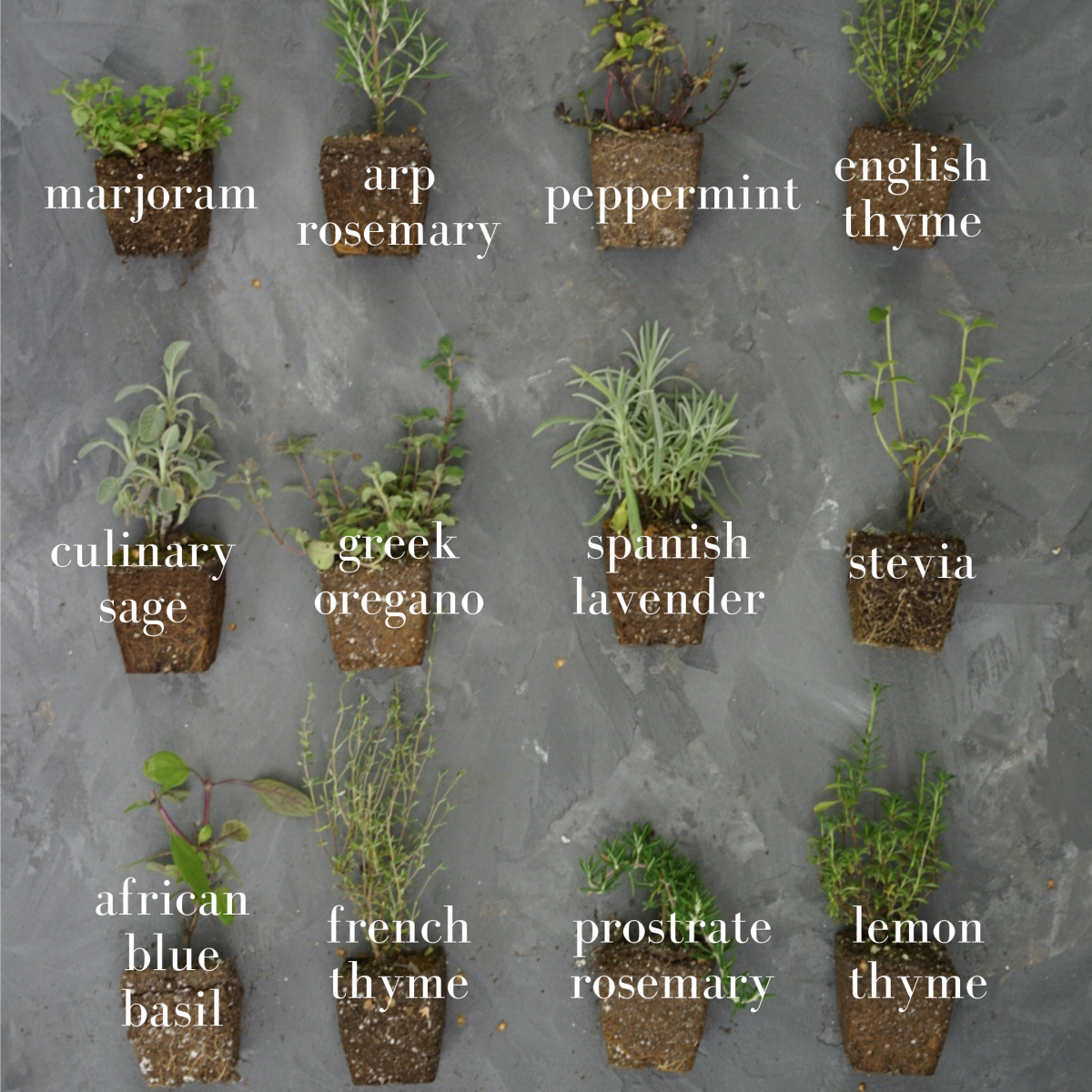

You’ve scrolled through garden inspiration pins and dreamed of snipping fresh basil for your pasta or picking mint for tea—but you’re convinced you don’t have a green thumb. The truth? Growing herbs is one of the easiest entry points into gardening. Whether you have a sprawling backyard, a sunny windowsill, or a small patio, you can grow fresh herbs that will cost a fraction of what you’d spend at the grocery store while tasting infinitely better. This guide walks you through every step, from choosing your first herbs to harvesting your first leaves.
How to Start Your First Herb Garden
Building a thriving herb garden takes just a few hours of setup and minimal ongoing maintenance. Follow these steps to create a productive growing space.
What You Will Need
- Containers with drainage holes (at least 6-8 inches deep for most herbs)
- Quality potting soil or seed-starting mix
- Herb seeds or seedlings from a nursery
- A location with at least 6-8 hours of direct sunlight daily
- Watering can or spray bottle
- Optional: garden markers or labels to identify plants
Steps
Choose Your Growing Location
Find a spot that receives at least 6-8 hours of direct sunlight per day. A south-facing windowsill, balcony, or garden bed works well. If indoor light is limited, consider supplementing with a grow light positioned 6-12 inches above the plants.
Prepare Your Containers
Select containers that are at least 6-8 inches deep with drainage holes in the bottom. You can use traditional ceramic pots, recycled buckets with drilled holes, or fabric grow bags. Ensure each container has adequate drainage to prevent root rot.
Fill Containers with Potting Mix
Use a lightweight potting soil rather than garden soil, which can become compacted and waterlogged in containers. Fill your containers to about an inch below the rim, leaving space for watering. Water the soil lightly before planting to help it settle.
Plant Your Seeds or Seedlings
If starting from seeds, follow packet instructions for planting depth and spacing. If using seedlings from a nursery, gently remove them from their small pots and plant at the same depth. Space plants so they won’t overcrowd as they mature.
Water Thoroughly After Planting
Water gently until soil is moist but not waterlogged. Check soil moisture daily by inserting your finger about an inch deep—it should feel like a wrung-out sponge. Most herbs prefer slightly moist soil but will suffer in waterlogged conditions.
Establish a Regular Watering Schedule
Water when the top half-inch of soil feels dry. In warm weather, this might mean daily watering; in cooler seasons, every 2-3 days. Use room-temperature water and water at the base of plants to keep foliage dry and prevent disease.
Begin Harvesting Within Weeks
Once plants have developed several sets of true leaves (typically 3-4 weeks), you can begin harvesting. Pinch off leaf tips regularly, which encourages bushier growth and extends your harvest. Never remove more than one-third of the plant at once.
- Group herbs by water needs: basil and mint prefer consistently moist soil, while rosemary and sage prefer drier conditions. This makes watering management easier.
- Start with foolproof herbs like basil, parsley, chives, and mint. These are forgiving and grow quickly, building your confidence for more delicate varieties.
- Rotate where you harvest from each plant to encourage even, bushy growth rather than tall, leggy stems. Pinch from the tops and sides.
What to Look For in Herb Garden Containers and Supplies
- Drainage Capability: Drainage holes are non-negotiable for container herb gardening. Without them, water accumulates and roots rot quickly. Look for containers with holes in the bottom, or drill your own if repurposing household items.
- Container Depth: Most herbs need 6-8 inches of soil depth minimum. Shallow containers restrict root development and dry out too quickly. Larger containers also retain moisture better and require less frequent watering.
- Potting Soil Quality: Lightweight potting mixes designed for containers provide better aeration and drainage than garden soil. Look for mixes that include perlite, peat moss, or coconut coir to promote drainage while retaining necessary moisture.
- Seedling vs. Seed Starting Method: Beginners have better success starting with nursery seedlings rather than seeds. Seedlings mature faster, are more forgiving of mistakes, and let you harvest within weeks. Seeds require more precise conditions but are economical if you’re starting many plants.
Bloem Eartheware Pot with Saucer (10 Inch)
Best for: Most herb gardeners seeking reliable, attractive containers
This durable resin pot offers excellent drainage, weighs less than ceramic, and won’t crack in freezing weather. The integrated saucer catches excess water and protects surfaces. Available in multiple colors to suit any decor. At 10 inches, it’s appropriately sized for most herb varieties including basil, parsley, and rosemary. The lightweight design makes it easy to reposition for optimal sunlight without straining your hands or back.
Check Current Price on Amazon →Pennington 10-Quart Premium Potting Soil
Best for: Gardeners starting multiple containers on a budget
This economical potting mix contains essential nutrients and is formulated with perlite for excellent drainage. A 10-quart bag fills multiple containers and costs significantly less than premium brands. It works reliably for herbs, vegetables, and houseplants. The lightweight formula is easy to handle and won’t compact heavily over the season, maintaining good air circulation for healthy root development throughout your growing period.
Check Current Price on Amazon →Ferry’s Herb Seed Collection Kit (6 Variety Pack)
Best for: First-time gardeners wanting easy, reliable herb seeds
This curated starter set includes basil, parsley, chives, mint, oregano, and thyme—all beginner-friendly herbs with high germination rates. Each packet includes detailed planting instructions and maturity timelines. Ferry’s has been breeding quality seeds for over 130 years, so you’re starting with proven genetics. The variety pack lets you experiment without investing in individual seed packets, perfect for discovering which herbs you actually use most in your kitchen.
Check Current Price on Amazon →Lechuza Cubico Self-Watering Planter (12 Inches)
Best for: Busy gardeners who travel or forget to water
This innovative self-watering container features a built-in reservoir that keeps herbs hydrated for up to two weeks between fillings. The system uses capillary technology to deliver water as needed, eliminating overwatering mistakes. Sleek modern design works indoors on shelves or outside on patios. Made from high-quality resin, it’s lightweight and weather-resistant. Ideal for people with inconsistent watering habits or those who travel occasionally.
Check Current Price on Amazon →Miracle-Gro Indoor Plant Food Spikes
Best for: Indoor herb gardeners wanting hassle-free feeding
These nutrient spikes dissolve slowly with each watering, providing consistent nutrition over two months. Simply push spikes into the soil—no mixing, measuring, or mess. Specially formulated for indoor plants with balanced NPK ratios supporting leafy growth. Each pack contains multiple spikes, so you can fertilize several containers throughout the season. Affordable and effective for keeping container herbs producing abundant foliage.
Check Current Price on Amazon →Burpee Starter Plant Seedling Collection (6 Pack)
Best for: Gardeners choosing healthy seedlings over seeds
Burpee’s seedling collection arrives as established young plants ready to transplant into containers. You get basil, oregano, parsley, chives, thyme, and mint—all thriving at transplant size. This bypasses the seed germination stage entirely, letting you harvest fresh herbs within days of planting. Perfect for instant gratification and guaranteed success. Seedlings arrive packed carefully and are acclimated to moderate light before shipping.
Check Current Price on Amazon →AeroGarden Harvest Slim Indoor Garden
Best for: Apartment dwellers and windowsill gardeners with limited space
This compact hydroponic system grows six herbs simultaneously in a footprint smaller than a toaster. LED grow lights provide optimal spectrum for herb growth, and the automated watering system requires filling only once every two weeks. Includes seed pods for basil, parsley, and cilantro. Perfect for kitchen counters, small apartments, or rooms without adequate natural light. Premium option for serious indoor growers who want year-round harvests regardless of season.
Check Current Price on Amazon →Gardman Wooden Herb Planter Box with Trellis
Best for: Gardeners wanting an attractive permanent installation
This cedar-constructed raised planter accommodates multiple herb varieties and includes integrated trellis for climbing herbs or vertical support. Pre-treated wood resists rot and weather damage for years of use. Large capacity holds rich potting mix that retains moisture better than individual pots, reducing watering frequency. Beautiful enough for front patios and decorative enough to enhance curb appeal. A premium investment for serious gardeners ready to commit to a dedicated herb garden space.
Check Current Price on Amazon →Your Fresh Herb Garden Starts Now
Starting an herb garden is genuinely one of the easiest and most rewarding gardening projects for beginners. You don’t need expensive equipment, a large space, or years of experience. Within a few weeks, you’ll be harvesting fresh herbs that elevate your cooking while saving money compared to grocery store purchases. The key is choosing the right containers with drainage, using quality potting soil, and providing adequate light. From there, consistency in watering and regular harvesting are your only requirements.
Start small with 3-4 of your most-used herbs—basil, parsley, chives, and mint are foolproof choices. As your confidence grows and you experience your first successful harvests, you’ll naturally expand to other varieties. Every gardener started exactly where you are now, uncertain but curious. By following this guide and investing in the right foundational supplies, you’re setting yourself up for immediate success. Your herb garden is waiting—begin today.
Frequently Asked Questions
How much sunlight do herbs actually need?
Most culinary herbs need 6-8 hours of direct sunlight daily to thrive. If your space gets less natural light, supplement with a grow light positioned 6-12 inches above plants for 12-14 hours daily. Mint and parsley tolerate partial shade better than basil or rosemary.
Can I grow herbs indoors year-round?
Yes, indoor herb gardening is entirely possible with adequate light and humidity. South-facing windows provide the best natural light; otherwise, invest in a grow light. Indoor humidity can be low, so mist plants occasionally or place saucers of water nearby to create a moister microclimate.
What’s the difference between starting from seeds versus seedlings?
Seeds are economical and give you more variety choices, but require 3-4 weeks to mature before harvesting. Seedlings are ready to harvest within days and are more forgiving for beginners, but cost more per plant. For your first herb garden, seedlings offer faster gratification and higher success rates.
How do I prevent my herbs from getting leggy or tall and thin?
Pinch off the top growth regularly—don’t just harvest from the tips. This encourages lateral branching and bushier plants. Ensure adequate light so plants don’t stretch toward light sources. Rotate containers every few days to promote even growth on all sides.
Can I grow multiple herbs in one container?
Yes, if you match herbs with similar water needs. Basil pairs well with parsley; rosemary works with thyme and oregano. Avoid pairing mint with anything—it grows aggressively and will crowd out neighbors. Ensure the container is large enough that plants don’t shade each other.
As an Amazon Associate, Build & Bloom earns from qualifying purchases. We only recommend products we genuinely think are useful. Prices and availability vary; check Amazon for the latest.
Leave a Reply