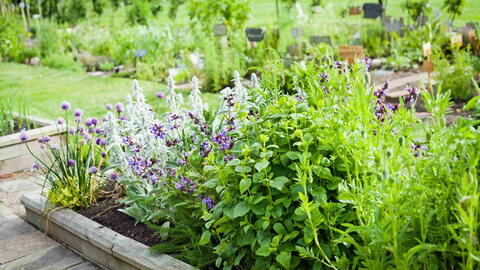

You want fresh herbs at your fingertips, but the thought of starting a garden feels overwhelming. The truth is, growing your own herbs is simpler than you think–even beginners can succeed with the right foundation. Whether you have a sprawling backyard or a sunny kitchen windowsill, this guide walks you through every decision you’ll make in your first herb garden, from selecting the right location to harvesting your first basil.
How to Start Your First Herb Garden
Building a successful herb garden requires thoughtful preparation and consistent care. Follow these steps to create the ideal environment for your herbs to flourish.
What You Will Need
- A sunny location with at least 6 hours of direct sunlight daily
- Garden bed, raised planter, or containers with drainage holes
- Quality potting soil or garden soil enriched with organic matter
- A watering can or drip irrigation system
- Hand trowel and basic gardening gloves
- Herb seedlings or seeds (basil, parsley, thyme, oregano, rosemary recommended for beginners)
Steps
Scout Your Location
Observe your available space throughout the day to identify where sunlight is strongest and most consistent. Most culinary herbs require a minimum of six hours of direct sun; eight or more hours is ideal. Mark your chosen spot and note any afternoon shade, wind patterns, or proximity to water sources, as these factors will influence both plant health and maintenance frequency.
Prepare Your Growing Container or Bed
Whether using a raised bed, in-ground plot, or container garden, ensure your structure provides adequate drainage. Drill or create drainage holes in any container bottoms to prevent waterlogging. Fill your bed or pots to within one inch of the rim, leaving space for watering without overflow.
Amend Your Soil With Organic Matter
Mix compost, aged manure, or peat moss into your base soil at a ratio of roughly one part amendment to two parts existing soil. This enriches nutrients and improves drainage and water retention. Herbs prefer slightly loose, well-aerated soil that won’t compact over time, so incorporate this amendment thoroughly with a hand tool or tiller.
Choose and Plant Your Starter Herbs
Select herb varieties suited to your climate and culinary needs. Basil, parsley, chives, and mint are nearly foolproof for beginners. Purchase seedlings rather than seeds for faster results and higher success rates. Space plants according to their mature width, typically 6-12 inches apart, and plant at the same depth they occupied in their nursery containers.
Establish a Consistent Watering Schedule
Water newly planted herbs thoroughly, then maintain moisture without waterlogging. Check soil moisture by pressing your finger one inch below the surface; water when it feels dry at that depth. In hot or dry climates, daily watering may be necessary; cooler regions may need water every two to three days. Early morning watering reduces disease and conserves water.
Mulch Around Plants
Apply a two-inch layer of organic mulch around the base of each plant, leaving space near the stem to prevent rot. Mulch regulates soil temperature, reduces moisture loss, and suppresses weeds. Use wood chips, straw, or pine needles depending on your local availability and aesthetic preference.
Monitor Growth and Pinch Back Shoots
Within 2-3 weeks, your herbs will begin producing new growth. Pinch back the top leaves of bushy herbs like basil to encourage fuller, bushier plants rather than single tall stems. This also delays flowering and keeps foliage tender and flavorful. Remove any yellowing or diseased leaves immediately.
Begin Harvesting and Repeat Planting
Once herbs have reached six inches tall, you can begin harvesting leaves for cooking. Never remove more than one-third of the plant at once to maintain vigor. As seasons change, succession plant new herbs every two to three weeks to ensure continuous harvest and fresh supply year-round.
- Plant herbs with similar water needs together–Mediterranean varieties like rosemary and thyme are drought-tolerant, while basil and parsley prefer consistently moist soil.
- Use a soil thermometer to verify your location is warm enough; most culinary herbs want soil temperatures above 50 degrees Fahrenheit.
- Label plants with stakes or markers immediately after planting so you can identify them as they grow and know exactly what you’re harvesting.
What to Look For in Herb Garden Supplies
- Container Drainage: Look for pots and planters with pre-drilled drainage holes or the ability to add them. Poor drainage is the most common reason herb gardens fail, causing root rot and fungal disease.
- Soil Quality: Choose soils labeled for containers or vegetables rather than landscape mulch. Quality potting soil includes perlite or coconut coir for aeration and often contains slow-release fertilizers suited to growing herbs.
- Light Compatibility: If starting an indoor herb garden, select a location near a south-facing window or invest in a grow light that provides 12-16 hours of light daily and can be positioned 6-12 inches above plants.
- Tool Durability: Invest in ergonomic, stainless steel hand tools that won’t rust or break under regular use. Quality trowels and pruning shears will serve your garden for decades if maintained properly.
Bloem Terrapot Raised Garden Bed Kit
Best for: Beginners wanting a complete, maintenance-free setup
This modular raised bed system offers excellent drainage, durable resin construction, and simple assembly in minutes. The 4×4 size accommodates six to eight herb plants with room to spare. Pre-drilled corners and stackable design make expansion effortless. Weather-resistant material means your investment lasts multiple seasons without rot or rust. Includes integrated weed barrier and fits standard garden spaces on patios or in yards.
Check Current Price on Amazon →Gardening Know How Fabric Grow Bags 5-Pack
Best for: Cost-conscious gardeners and renters
These soft-sided fabric pots are an economical way to start multiple herb containers. Each 5-gallon bag features excellent drainage and air pruning of roots, preventing circling and promoting stronger growth. Lightweight and portable, they transition easily from patio to garden. Fabric construction allows water and air penetration while roots remain healthy. Perfect for apartment dwellers or anyone wanting to test herbs before permanent planting.
Check Current Price on Amazon →Miracle-Gro Indoor Grow Light Garden Kit
Best for: Indoor gardeners without access to sufficient sunlight
This all-in-one kit includes an LED grow light, hydroponic seed pods, and nutrient capsules designed specifically for herbs and vegetables. The three-tier design maximizes vertical space in apartments or small homes. Adjustable light cycles and automatically filled water reservoirs remove guesswork from indoor gardening. Perfect for year-round herb cultivation even in low-light conditions or winter climates.
Check Current Price on Amazon →Espoma Organic Potting Mix 8 Quart Bag
Best for: Gardeners prioritizing soil quality without premium pricing
This certified organic potting mix contains aged bark, sphagnum peat moss, and perlite in ideal proportions for container herbs. Enhanced with mycorrhizae and beneficial microbes, it supports strong root development from day one. The 8-quart size fills multiple herb containers or raised beds affordably. Contains no synthetic fertilizers, making it ideal for edible gardens where you want clean, chemical-free growing medium.
Check Current Price on Amazon →Which herbs are easiest for absolute beginners?
Basil, parsley, chives, mint, and oregano are nearly foolproof and germinate reliably from either seed or seedling. These varieties tolerate inconsistent watering better than delicate herbs like cilantro or dill, making them forgiving choices while you develop your gardening intuition and routine.
Can I grow herbs year-round in a cold climate?
Most outdoor herbs enter dormancy in winter, but you can extend the season with row covers or move tender varieties indoors near a sunny window. For true year-round supply in cold climates, establish an indoor herb garden using grow lights or a sunny south-facing windowsill as a backup to your outdoor garden.
As an Amazon Associate, Build & Bloom earns from qualifying purchases. We only recommend products we genuinely think are useful. Prices and availability vary; check Amazon for the latest.
Leave a Reply