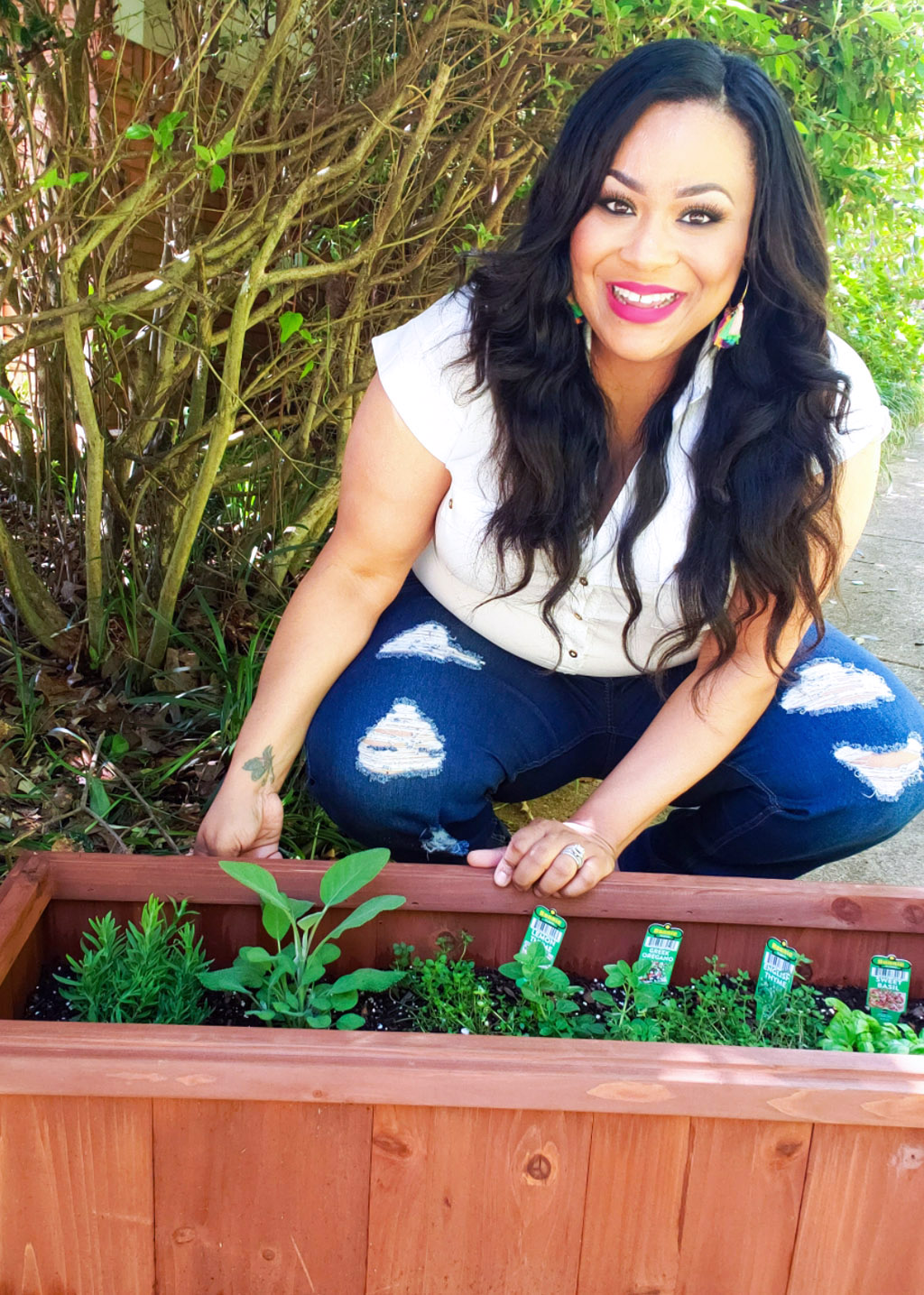

Growing your own herbs transforms cooking while reducing grocery costs and giving you access to fresher flavors than store-bought alternatives. Whether you have a sprawling backyard or just a sunny patio, starting an outdoor herb garden is simpler than most people think — and you don’t need special gardening experience to succeed. This guide walks you through every decision and action needed to go from zero to a thriving herb garden.
How to Start Your Outdoor Herb Garden
Follow these steps to establish a productive herb garden that will reward you with fresh basil, oregano, thyme, and more throughout the growing season.
What You Will Need
- Container or raised bed (at least 6-8 inches deep for most herbs)
- Quality potting soil or garden soil mixed with compost
- Herb seedlings or seeds from a reliable source
- Watering can or hose with adjustable spray nozzle
- Garden spade or trowel for digging and transplanting
- Optional: plant markers or labels to identify varieties
Steps
Select a location with adequate sunlight
Most culinary herbs require 6-8 hours of direct sunlight daily. Scout your outdoor space — patio, garden bed, or balcony — and identify areas that receive strong morning or afternoon sun. Avoid locations shaded by trees or buildings for most of the day, as insufficient light creates weak, leggy plants that won’t produce abundant foliage.
Prepare your containers or beds
If using containers, choose vessels with drainage holes on the bottom to prevent waterlogging. If building a raised bed, construct it on level ground in your sunny spot. Ensure your growing space has adequate dimensions — individual pots should be at least 6-8 inches deep, while communal beds work best at 12 inches deep to accommodate root systems comfortably.
Fill with appropriate soil mixture
Pour in quality potting soil or a blend of garden soil mixed 50/50 with compost. Herbs prefer well-draining soil, so avoid heavy clay-based mixes. Fill containers or beds to within 1-2 inches of the rim, then gently water the soil to settle it. This creates an ideal base for root development and nutrient availability.
Plant seedlings or seeds at proper spacing
For seedlings, follow the spacing guidelines on plant labels — typically 6-12 inches apart depending on variety. Dig holes slightly deeper than the seedling’s root ball, place the plant, and gently firm soil around it. If using seeds, plant according to packet directions, usually covering them lightly with soil. Water gently to avoid displacing seeds or damaging delicate seedlings.
Establish a consistent watering schedule
Water your herb garden when the top inch of soil feels dry to the touch. Most herbs prefer slightly moist but not soggy conditions. Water early in the morning if possible to reduce disease risk. Container gardens typically need watering more frequently than in-ground beds, especially during hot months.
Monitor growth and pinch back regularly
Once herbs reach 4-6 inches tall, begin pinching off the top growth by removing the uppermost leaves and stem tips. This encourages bushier, fuller plants that produce more usable foliage. Regular harvesting actually improves plant shape and productivity, so don’t hesitate to cut what you need for cooking.
Address pests and nutrient needs
Watch for common herb pests like aphids or spider mites, addressing them early with insecticidal soap if needed. Feed monthly with a balanced, diluted fertilizer during the growing season. Most herbs aren’t heavy feeders, but container plants benefit from supplemental nutrients since water drains away soil reserves.
- Plant fast-growing herbs like basil separately from slow-growers like rosemary, since they have different water and nutrient requirements
- Start with 4-5 hardy varieties like basil, oregano, thyme, and rosemary if you’re a beginner — these forgive minor mistakes
- Harvest at least 30% of growth regularly; this stimulates bushier development and extends your productive season
What to Look For When Choosing Herb Garden Supplies
- Drainage capability: Containers must have drainage holes to prevent root rot from water pooling. Avoid decorative pots without drainage, or place a draining pot inside a decorative cover.
- Soil quality and composition: Use potting soil formulated for containers or a compost-amended blend. Avoid dense garden soil alone, which compacts and restricts water movement. Quality soil is your most important investment for healthy herbs.
- Container size and depth: Minimum 6-8 inches deep for most herbs, though deeper is better. Larger containers retain moisture longer and accommodate bigger root systems as plants mature.
- Sunlight access and location: Most culinary herbs need 6-8 hours of direct daily sun. Test your chosen spot throughout the day before committing, especially if near buildings or deciduous trees that change shade seasonally.
Bloem Exo Round Planter with Drainage
Best for: Herb gardeners starting with containers
This durable recycled plastic planter offers reliable drainage with a removable insert system, making it ideal for outdoor herb cultivation. Available in 12-16 inch diameters, it accommodates multiple herb plants and resists weather degradation. The lightweight design makes repositioning easy as sunlight patterns change seasonally, and the neutral color complements any outdoor aesthetic while prioritizing function over form.
Check Current Price on Amazon →Terracotta Standard Pot with Drainage Holes
Best for: Budget-conscious gardeners and single herb specimens
Classic terracotta pots offer excellent drainage and breathability for herb roots at an unbeatable price point. Available from 6-12 inches in diameter, they work perfectly for individual herb plants or small groupings. The porous material helps prevent waterlogging, though they dry faster than plastic, requiring more frequent watering in hot climates.
Check Current Price on Amazon →Miracle-Gro Indoor/Outdoor Potting Mix
Best for: First-time gardeners needing reliable soil
This pre-mixed potting soil eliminates guesswork about soil composition and provides built-in nutrients to support initial growth. The blend combines peat moss, compost, and perlite for ideal drainage and moisture retention. Each bag covers multiple containers, making it economical for starting several herb plants simultaneously.
Check Current Price on Amazon →Proven Winners Premium Potting Soil
Best for: Serious gardeners prioritizing plant health
Professional-grade potting soil with mycorrhizae and beneficial microbes promotes stronger root development and nutrient absorption compared to basic mixes. The premium formulation retains moisture longer, reducing watering frequency while improving plant vigor. Slightly more expensive than standard mixes, but justifiable for gardeners committed to maximizing herb yields.
Check Current Price on Amazon →Start Your Herb Garden Today
Beginning an outdoor herb garden requires minimal investment and expertise — just sunny space, appropriate containers, quality soil, and seedlings. The supplies outlined here cover every essential from planting to ongoing care, ensuring you have everything needed for success. Most people complete initial setup in an afternoon and harvest fresh herbs within 3-4 weeks, making this one of the fastest ROI gardening projects available.
Remember that the best garden is the one you’ll actually use and maintain. Start small with 4-5 favorite herbs rather than overwhelming yourself with variety, then expand as you gain confidence. Your outdoor herb garden will reward consistency with abundant, fresh flavors that transform everyday cooking while deepening your connection to growing food yourself.
Frequently Asked Questions
Can I grow herbs indoors if I don’t have outdoor space?
Yes, most culinary herbs grow indoors under grow lights or in south-facing windows. Container gardening principles remain identical, though indoor herbs require 12-16 hours of light daily and more careful humidity management. Many gardeners start seeds indoors under lights, then transplant seedlings outdoors once weather permits.
How often should I water outdoor herbs?
Water when the top inch of soil feels dry, typically every 2-3 days in warm weather or weekly in cooler seasons. Container herbs dry faster than in-ground beds and need more frequent watering. Morning watering is ideal, reducing disease risk and allowing foliage to dry before evening.
Should I start with seeds or seedlings?
Seedlings are easier for beginners and produce harvestable growth within 3-4 weeks, while seeds require 6-8 weeks and more careful attention. For first-time gardeners, seedlings reduce frustration and ensure success. Once confident, seeds become more economical for growing multiple plants of the same variety.
What’s the best time to start an outdoor herb garden?
Spring after the last frost date is ideal for most regions, allowing the full growing season for plant establishment. In warm climates, fall planting works well since cooler temperatures reduce stress. If starting in summer, provide afternoon shade and consistent watering to help plants adjust.
Can herbs grow in partial shade?
Most culinary herbs prefer 6-8 hours of direct sun and decline in dense shade. However, mint, parsley, and chives tolerate 4-6 hours of sun. Choose an afternoon-sun location if full-day sun isn’t available, prioritizing quality over quantity of light exposure.
As an Amazon Associate, Build & Bloom earns from qualifying purchases. We only recommend products we genuinely think are useful. Prices and availability vary; check Amazon for the latest.
Leave a Reply