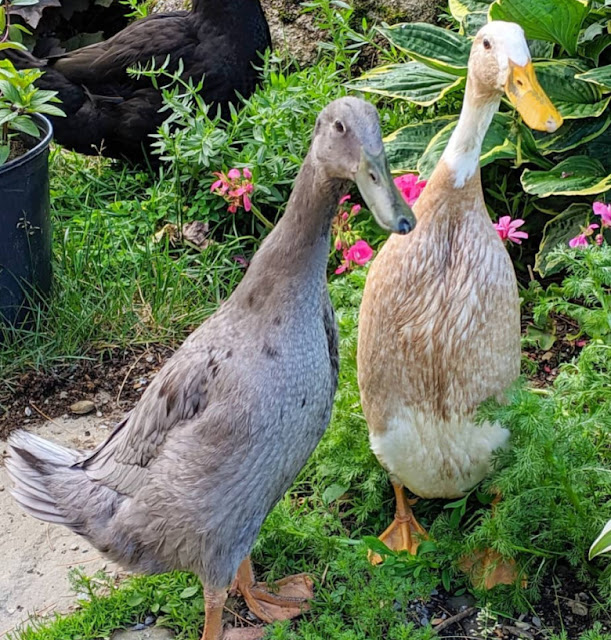

If you’ve seen those comical upright ducks waddling through homestead videos, you’re looking at Indian Runners–one of the most productive egg-laying duck breeds available. Whether you’re planning to transition from chickens or starting your first poultry flock, understanding what makes Indian Runners unique helps you decide if they’re right for your property, how many you’ll need, and what infrastructure they actually require.
7 Key Characteristics That Define Indian Runner Ducks
Indian Runners stand apart from other duck breeds in several fundamental ways. Here’s what you need to know about their behavior, productivity, and care needs.
Key Concepts
- Egg production capacity — Indian Runners lay 150-200+ eggs annually, averaging one egg per duck daily during peak season
- Physical appearance — Distinctive upright posture (45-60 degree angle), tall narrow body, and penguin-like stance; weigh 3.5-4.5 pounds
- Foraging instinct — Exceptional bug and pest hunters that reduce feed costs by 20-30% with access to open ground
- Temperament — Active, curious, and less broody than meat duck breeds; social within flocks but can be nervous around humans
- Water requirements — Unlike chickens, they need swimming water for health and reproduction; eggs from ducks without water access have lower fertility
- Housing needs — Minimal shelter compared to chickens; primarily need predator-proof coop and weather protection
Principles
Egg Production Peaks in Spring and Fall
Indian Runners follow photoperiod cycles, laying most heavily when daylight increases in spring and decreases predictably in fall. Peak production occurs March through June, with a secondary spike in September-October. Winter production drops significantly but doesn’t stop entirely, unlike many breeds. Expect 4-6 eggs weekly in winter versus 7 per duck weekly during peak season.
Foraging Reduces Your Feed Bill Significantly
These ducks are obsessive hunters of slugs, snails, insects, and grubs. A small flock foraging on a quarter-acre can reduce commercial feed costs by 25-30%. They’ll methodically patrol garden beds and grassland, consuming thousands of pests daily. However, they’ll also eat vegetable seedlings, so garden rotation or fencing is essential if you want to protect crops.
Water Access Directly Impacts Fertility and Hatchability
Ducks that only have drinking water (no swimming water) produce eggs with 20-40% lower fertility rates. Swimming water allows them to lubricate feathers and reproductive systems properly. Even a large livestock water trough or shallow kiddie pool suffices; elaborate ponds aren’t necessary, though ducks with true ponds show slightly better production.
They’re Prey Animals That Require Predator Management
Indian Runners’ small frame (under 5 pounds) makes them vulnerable to hawks, foxes, raccoons, and mink. Unlike larger duck breeds, they cannot fight off aerial or ground predators effectively. A sturdy enclosed run with overhead netting or a covered coop is non-negotiable, especially during free-range hours. Nighttime predator attacks are common and often fatal.
Social Structure Means You Need Minimum Groups
Indian Runners are flock animals and become stressed or aggressive when kept individually. Minimum viable flock is three birds, though five to eight is ideal for stability. A single drake can service 5-8 females; larger ratios reduce fertility. Single-sex flocks are fine but require more active management of social dynamics.
Climate Tolerance Requires Seasonal Adjustments
Indian Runners handle cold weather better than expected due to their dense feathering and oil glands. They’re susceptible to heat stress above 85 degrees Fahrenheit, especially if humidity is high. In hot climates, provide shade, water misters, and ensure swimming water stays cool. Deep litter bedding in coops helps insulate against extreme cold.
Lifespan and Productivity Timeline Affects Economics
Peak egg production runs from age 6 months to 3-4 years. A single Indian Runner produces 500-800 eggs over a lifetime, making them cost-effective over time. However, they require upfront housing investment and daily care. Factor in 8-10 year lifespan when calculating whether your flock pays for itself through egg sales or household consumption.
- Start with 3-5 birds if you’re new to ducks; one drake with four females provides gender balance without excess males fighting
- Install a simple wire predator exclusion run (4×8 feet) that rotates to new ground weekly to maximize foraging while preventing losses
- Collect eggs twice daily during peak season to prevent nest sitting, which triggers broodiness and stops production temporarily
Essential Setup for Raising Indian Runner Ducks
- Housing Structure: Indian Runners need a secure coop that protects from predators but requires less insulation than chicken coops. Minimum 3-4 square feet per bird inside, 8-10 square feet in outdoor run. Elevated coops or those with solid floors and small-mesh hardware cloth work best.
- Water System: Beyond drinking water, provide swimming access through kiddie pools, livestock troughs, or natural ponds. Ducks foul water quickly, so consider drain systems or frequent water changes. Moving water misters help in hot climates.
- Feed and Supplements: Layer or waterfowl pellets specifically formulated for ducks (not chicken feed) provide proper nutrition for egg production. Grit, oyster shell, and greens supplementation improve shell quality and overall health.
- Nesting and Bedding: Provide 1-2 nesting boxes per 3-4 females filled with straw or shavings. Deep litter bedding (8-12 inches) in coops aids insulation and composting, though requires monthly management to prevent ammonia buildup.
Omlet Outdoor Run with Roof
Best for: Small flocks needing secure, movable protection
The Omlet run combines predator-proof mesh construction with integrated roof protection against aerial predators like hawks. Designed for ducks and chickens, it features secure latches and wheels for daily rotation to fresh foraging ground. Easy assembly and durable materials withstand seasons of use. This eliminates the most time-consuming aspect of duck keeping: constant vigilance against losses. Perfect for 3-6 birds with adjacent coop.
Check Current Price on Amazon →Rubbermaid Stock Tank 100 Gallon
Best for: Duck owners needing large, durable water containers
This polyethylene tank provides ample water volume for a small flock to swim and drink from. Molded handles allow repositioning, and the dark color heats water in sunlight during cool seasons. Unlike kiddie pools that deteriorate, stock tanks last 10+ years. Pair with a simple drain valve (sold separately) to manage water changes efficiently without manually lifting heavy containers.
Check Current Price on Amazon →Little Giant 50 Gallon Kiddie Pool
Best for: Cost-conscious homesteads on tight budgets
An affordable alternative to dedicated waterfowl pools, this durable plastic pool holds sufficient water for 4-6 ducks to bathe and swim. Bright colors prevent birds from treating it as a roosting spot. Replace annually or every two seasons depending on wear. Perfect starter option to test whether your flock uses swimming water before investing in permanent systems.
Check Current Price on Amazon →Purina Game Bird Pellets 50lb
Best for: Duck owners seeking waterfowl-specific nutrition
Purina’s waterfowl formulation provides balanced protein and essential nutrients for both meat and laying ducks. The 50-pound bag covers a small flock for 3-4 weeks at standard feeding rates. Contains added niacin critical for duck leg health and swimming ability. Widely available at feed stores, making restocking reliable. Works as primary diet or supplemented with kitchen scraps and foraged greens.
Check Current Price on Amazon →Is an Indian Runner Duck Flock Right for Your Homestead?
Indian Runner ducks deliver exceptional egg production for small homesteads willing to invest in predator protection and swimming water access. Their foraging instinct reduces feed costs, their upright posture amuses observers, and their consistency outperforms most chicken breeds. If you have a quarter-acre or larger, can construct or purchase a secure run, and can manage weekly water changes, a flock of 3-6 birds pays for itself in eggs within 18-24 months. They’re also quieter than roosters and friendlier than geese, making them ideal for suburban homesteads with nearby neighbors.
The main hurdles aren’t complexity–it’s predator management and understanding that they’re waterfowl, not chickens. Treat them accordingly, provide the water and protection they need, and Indian Runners become one of the most reliable protein sources on your property. Start with 3-5 birds, observe which housing and feeding systems work for your space, then scale up if successful. Most homesteaders who raise Indian Runners wish they’d started sooner.
Frequently Asked Questions
How many eggs does one Indian Runner duck actually lay per year?
A healthy Indian Runner in optimal conditions (good nutrition, adequate light, swimming water access) lays 150-200+ eggs annually, averaging 3-4 per week year-round with seasonal fluctuations. Peak production occurs spring through early summer. Individual variation exists; some exceptional birds exceed 250 eggs, while others produce closer to 120.
Can Indian Runners survive without a pond or pool?
They survive without swimming water but don’t thrive. Fertility drops 20-40%, health issues increase, and egg production declines. A kiddie pool or 100-gallon stock tank provides sufficient water. Ducks are waterfowl and genuinely need swimming access for reproductive and feather health.
What’s the minimum space required for a small flock?
Minimum viable setup: 4×4 feet secure coop (for 3-4 birds overnight), plus 8×8 feet outdoor run, plus access to open foraging ground (quarter-acre ideal but not required). In smaller yards, rotate runs weekly to prevent ground degradation and parasite buildup.
Are Indian Runners good mothers for hatching eggs?
Indian Runners are poor broody birds, rarely going broody at all compared to Khaki Campbells or Muscovies. If you want to hatch eggs, use an incubator or pair Indian Runner eggs with a broody chicken hen or other duck breed. This is a trade-off: they lay consistently but won’t naturally incubate.
How do I protect Indian Runners from hawks and foxes?
Provide enclosed runs with overhead mesh or netting, never allowing free-range without supervision. Move runs daily to fresh ground. Lock birds in secure coop by dusk; 95% of predator losses occur at night. Electric fencing around perimeter deters foxes. Ducks’ small size makes them vulnerable to predators that ignore larger chickens.
As an Amazon Associate, Build & Bloom earns from qualifying purchases. We only recommend products we genuinely think are useful. Prices and availability vary; check Amazon for the latest.
Leave a Reply