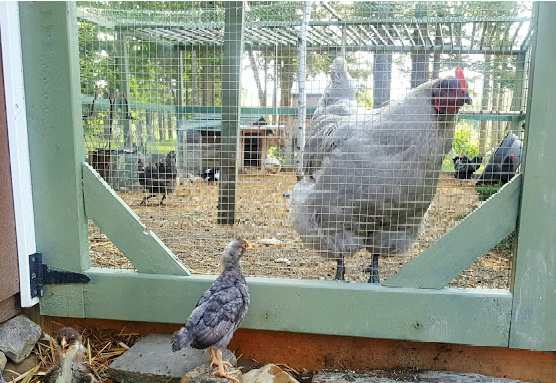

Adding new chickens to your established flock feels risky—and for good reason. Existing birds naturally defend their territory, and introducing newcomers too quickly can result in serious injuries or death. The key is patience and a staged approach that lets your birds adjust gradually. By following a proven four-step method, you’ll minimize stress on all your chickens and create a peaceful, integrated flock in just a few weeks.
How to Introduce New Chickens to Your Flock
The safest way to introduce new chickens uses a staged process that spans 2-4 weeks. Each phase builds on the last, allowing your birds to become familiar with each other before sharing the same space.
What You Will Need
- A separate pen or enclosure for quarantine and initial housing (can be a dog crate, small coop, or divided area)
- A visual barrier like wire mesh or hardware cloth to allow sight contact without direct interaction
- The main coop and run where your established flock roosts
- Feeding and watering stations to observe eating behavior during introduction
- A predator-proof enclosed space for supervised mingling (existing run or temporary pen)
Steps
Quarantine New Chickens Separately for 1 Week
Place new chickens in a separate pen away from your existing flock for at least 7 days. This quarantine period prevents disease transmission and allows the new birds to recover from the stress of travel. Feed and water them daily in their isolated space, and observe them for signs of illness or injury before any introduction takes place.
Create Visual Contact Through a Barrier for 3-7 Days
Move the new chickens’ pen adjacent to your existing flock’s run or coop so they can see each other through a fence or mesh barrier. The established birds will be curious and may peck at the barrier—this is normal exploration behavior. Allow 3-7 days of this visual contact so both groups become accustomed to each other’s presence without physical contact.
Conduct Supervised Free-Range Time for 3-7 Days
Release both groups into a larger, enclosed space (like your run or a temporary pen) where they can interact under your watchful eye. Stay nearby during these sessions to break up serious fights if they occur. Start with just 15-30 minutes and gradually extend the time. The establishing birds may chase or peck at newcomers—intervening is only necessary if blood is drawn or a bird appears trapped.
Integrate Into the Coop at Night
Once daytime interactions seem calm, place the new chickens directly into the main coop after dark when all birds are roosting. Chickens settle more peacefully at night and accept newcomers more easily in low light. The next morning, watch carefully as they wake and interact, but expect some pecking as the pecking order re-establishes itself. Provide extra feeding and watering stations to reduce competition.
Monitor the Flock for 1-2 Weeks Post-Integration
Continue observing daily interactions for signs of excessive bullying, isolation, or injury. Ensure new chickens can access food and water without being driven away. Most flocks establish a new hierarchy within 5-7 days after the night integration. Separate any bird that is severely wounded or constantly isolated, and try reintroduction later if necessary.
- Never introduce just one new chicken—always add at least two so they have a buddy and aren’t solely targeted by the existing flock.
- Time your introductions for spring or early summer when daylight hours are longest and you can supervise outdoor interactions easily.
- Add younger pullets or juvenile birds to flocks with fewer dominance conflicts than introducing adult hens to an established group.
Essential Equipment for Introducing New Chickens
- Separate Quarantine Enclosure: A dedicated space keeps new arrivals isolated from your main flock during the initial 1-2 week quarantine period. This prevents disease transmission and gives newcomers a stress-free adjustment zone.
- Hardware Cloth or Wire Mesh Barrier: Allows visual contact while preventing physical fighting during the barrier phase. Strong, durable mesh withstands pecking and won’t rust, ensuring a clear view between flocks.
- Multiple Feeding Stations: Reduces competition for food during introduction, ensuring all birds—especially lower-ranking newcomers—can eat without being chased away. Prevents malnutrition during the stressful transition period.
- Portable Run or Pen: A movable enclosure gives you a controlled space for supervised free-range interactions. Flexibility to position it near your main coop helps manage the visual contact and mingling phases.
Precision Pet Products Chicken Coop Enclosure Kit
Best for: Homesteaders needing a dedicated quarantine space for new birds
This complete kit provides a safe, predator-proof enclosure perfect for isolating new chickens during the quarantine phase. The run includes both covered roost area and open mesh sections, allowing easy cleaning and observation. Made from durable wood and welded wire, it resists predators and weather while remaining portable enough to position near your existing coop for the visual contact phase.
Check Current Price on Amazon →Agfarm Hardware Cloth 1/2 Inch Mesh 24 Inches x 25 Feet
Best for: Budget-conscious keepers using existing enclosures
Roll out this durable hardware cloth to create an instant barrier between your new and existing flock. The 1/2-inch mesh is small enough to prevent small predators while large enough for good visibility. At an affordable price point, you get commercial-grade galvanized steel that won’t rust, even in wet conditions. Perfect for DIY pen modifications during the introduction phases.
Check Current Price on Amazon →Little Giant Durable Plastic Poultry Feeder Base
Best for: First-time chicken keepers managing multiple feeding stations
This lightweight, durable feeder base is easy to fill, clean, and reposition during the supervised free-range and integration phases. The wide base prevents tipping, and the elevated design keeps feed cleaner. Buy multiple units to create several feeding stations, reducing competition and stress during introduction. Made from impact-resistant plastic that lasts for years.
Check Current Price on Amazon →Omlet Outdoor Run with Roof 6.5 x 4.5 x 4 Feet
Best for: Premium-minded homesteaders wanting a long-term integration solution
Omlet’s elevated run combines sleek Scandinavian design with serious functionality. The attached roof provides shade and weather protection during supervised interactions, while the spacious footprint gives multiple chickens room to interact without feeling cramped. Its modular design means you can connect it to your main coop for gradual transitions, making it ideal for long-term integration management.
Check Current Price on Amazon →Fencemaster Poultry Netting 48 Inches x 164 Feet with Posts
Best for: Keepers setting up temporary pens for supervised interactions
This complete portable fencing system includes posts and netting, giving you everything needed for a quick temporary enclosure. Roll it out for supervised free-range sessions, then pack it away when done. The 48-inch height contains most standard chickens, and the lightweight plastic is easy for one person to manage. Far cheaper than building permanent structures.
Check Current Price on Amazon →Harris Farms Gravity Waterer 5-Gallon with Float Valve
Best for: Homesteaders avoiding dehydration stress during introduction
Keep water constantly available during your introduction phases with this reliable gravity waterer. The 5-gallon capacity means fewer refills, and the automatic float valve maintains proper water level. Easy to clean and refill, it works great for both isolated pens and outdoor supervised sessions. Red color helps chickens locate water during stressful transitions.
Check Current Price on Amazon →Tanaiste Portable Dog Pen Yards Outdoor Pet Playpen 8 Panels
Best for: Keepers with limited space needing adaptable separation options
This eight-panel modular pen is flexible enough to create quarantine spaces, visual barriers, or temporary holding areas. Lock panels at different angles to fit your existing setup, and reconfigure as needed for each introduction phase. Lightweight aluminum doesn’t rust, and panels stack flat for storage. Great for supplementing existing coops without major construction.
Check Current Price on Amazon →Copele Professional Galvanized Poultry Drinker System 4L with Stand
Best for: Serious homesteaders wanting hygienic watering during stressful periods
This commercial-grade European system delivers fresh, clean water while minimizing contamination—critical when stress makes birds more susceptible to illness. The stainless steel construction handles rough use, and the elevated stand prevents bedding contamination. Easily supports multiple drinking points, ensuring every bird stays hydrated during the introduction process.
Check Current Price on Amazon →Patience Pays Off When Introducing New Chickens
Introducing new chickens to your established flock doesn’t have to be traumatic for any of your birds. By following the four-step process of quarantine, visual contact, supervised free-range time, and careful coop integration, you’re setting up success. The investment of a few weeks in gradual introduction prevents the stress, injuries, and losses that come from rushing the process. Your chickens will thank you with a calmer, more productive flock.
The equipment you choose—whether it’s a dedicated quarantine pen, hardware cloth barriers, or additional feeding stations—makes the process manageable and stress-free for both you and your birds. Start with a reliable enclosure and barrier materials, then build on those basics as you progress through each phase. Every homestead is different, so adapt these steps to your space and flock temperament, and you’ll successfully expand your chicken family for years to come.
Frequently Asked Questions
How long does it take to safely introduce new chickens?
The complete process typically takes 2-4 weeks. The quarantine phase lasts 1 week, visual contact 3-7 days, supervised free-range 3-7 days, and full integration occurs over the next 1-2 weeks. Patience during each phase prevents serious injuries and ensures a lasting, peaceful flock.
What if my established flock is extremely aggressive toward newcomers?
Extend each phase by several extra days to allow more gradual adjustment. If pecking draws blood or a newcomer is constantly isolated, separate the flocks and try again in 1-2 weeks. Sometimes introducing younger pullets or birds closer in size to your flock helps reduce dominance aggression.
Can I introduce one new chicken to my flock?
Avoid introducing a single bird whenever possible. One new chicken becomes the target of the entire flock’s pecking order bullying. Always add at least two new birds so they have each other for support and companionship during the stressful transition.
Should I separate chickens at night during the introduction phases?
Yes, until you perform the night integration step. Keep newcomers in a separate pen at night during the visual contact and supervised free-range phases. The night integration (when you first place them in the main coop after dark) is a deliberate, final step—not something to do prematurely.
How do I know when my flock is fully integrated?
Your flock is successfully integrated when there is no excessive pecking, all birds eat and drink together without conflict, and newcomers roost peacefully in the main coop at night. Most flocks establish a new pecking order within 5-7 days of night integration, though full social comfort may take 2-3 weeks.
As an Amazon Associate, Build & Bloom earns from qualifying purchases. We only recommend products we genuinely think are useful. Prices and availability vary; check Amazon for the latest.
Leave a Reply