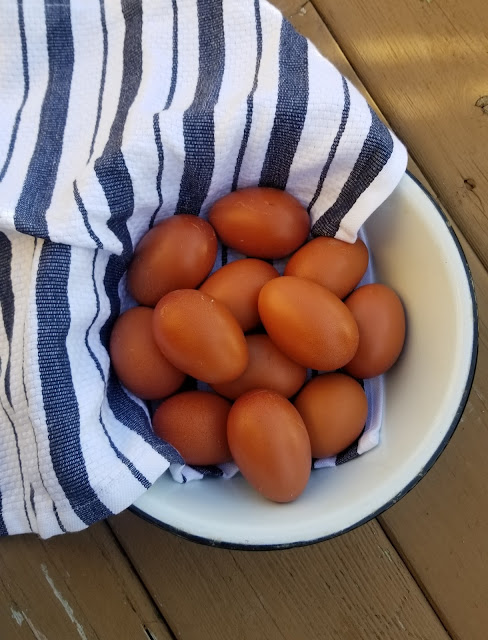

You’ve seen those gorgeous dark chocolate-brown eggs on social media and want to know if Marans chickens are worth adding to your backyard flock. Whether you’re drawn to their striking appearance, their legendary egg color, or their reputation as calm foragers, understanding the breed’s characteristics, care requirements, and productivity will help you decide if they’re the right fit for your homestead.
Understanding Marans Chickens: Key Breed Characteristics
Marans are a medium-to-large French heritage breed known for consistent production of deeply colored eggs and their friendly, docile nature. Here are the essential characteristics that define this breed.
Key Concepts
- Heritage breed origin – Marans originated in the Marans region of France in the 1920s, developed by crossing local chickens with Brahmas and Cochins
- Egg color genetics – The breed’s signature dark brown eggs result from a natural pigment deposited during shell formation, independent of yolk color
- Personality and temperament – Known for broody tendencies, curiosity, and tendency to bond with their caretaker, especially in small flocks
- Climate adaptation – Originally bred for temperate French coastal climates; they tolerate cold well but need shade and ventilation in heat
- Lifespan and productivity – Live 6-8 years with peak egg production in years 1-3, laying 150-200 medium-to-large brown eggs annually
Principles
1. Recognize the Two Main Varieties
The Black Copper Marans features a dark, iridescent green-black body with copper-red neck and saddle feathers, while the Blue variety displays slate-blue plumage with similar copper accents. Both lay equally dark eggs, though Black Copper birds are more common in North America. Occasionally you’ll encounter Cuckoo and White varieties, which are less standardized but equally productive.
2. Understand Egg Production Timeline
Marans typically begin laying at 16-20 weeks of age, with pullets (first-year hens) producing medium brown eggs that deepen in color as they mature. Egg darkness peaks during their second and third years, then gradually lightens as hens age. Expect roughly 3-4 eggs per week during peak season, with production dropping significantly in winter unless supplemental lighting is provided.
3. Assess Space and Housing Needs
These are active foragers that thrive with outdoor access but adapt reasonably to confinement. Plan for a minimum of 3-4 square feet per bird inside the coop and 8-10 square feet in the run. Marans appreciate roosting bars and nesting boxes at slightly lower heights than some breeds due to their size, and they’re prone to broodiness, so providing distraction through foraging opportunities helps manage this tendency.
4. Plan for Predator Protection
Their calm, curious nature makes them vulnerable to predation. Ensure your coop has secure latches and hardware cloth (not just chicken wire) buried 6 inches underground to prevent digging predators. Marans’ darker coloring offers some camouflage during free-range time, but supervised foraging periods are recommended in areas with aerial predators like hawks.
5. Recognize Common Health Considerations
As a larger breed with feathered legs (in some lines), Marans are susceptible to mite infestations and leg mites that hide in their feathering. Regular health checks, dust bathing areas, and preventative parasite management are essential. They’re otherwise hardy birds with no breed-specific genetic issues, though sourcing from reputable breeders reduces health complications.
6. Account for Seasonal Performance Changes
Like all chickens, Marans experience molt (usually August-November in Northern Hemisphere) during which egg production pauses for 2-3 months. During winter, naturally shorter daylight hours trigger hormonal changes that reduce laying. Supplemental lighting (14-16 hours daily) and adequate nutrition can maintain production, but many homesteaders accept the natural rest period.
- Source chicks or juveniles from breeders who prioritize egg color consistency, as hatcheries sometimes cross-breed lines that produce lighter eggs; ask specific questions about expected Marans egg color from parent stock
- Provide multiple nesting boxes in quiet, low-light areas to discourage aggression and reduce egg-eating habits that sometimes develop in broody flocks; a 3:1 ratio of hens to nesting boxes is ideal
- Marans love pest control and will actively hunt insects and grubs; their foraging nature reduces feed costs while providing natural parasite management for your property
Essential Supplies for Raising Marans Chickens
- Secure Coop Design: A well-ventilated coop with predator-proof construction is non-negotiable. Look for hardware cloth mesh, solid wood construction, and lockable doors that close automatically at dusk. Size should accommodate 3-4 square feet per bird with adequate roosting space.
- Nesting Boxes and Bedding: Marans need comfortable, private nesting areas to encourage laying and reduce egg damage. Standard 12×12-inch boxes work well; fill with wood shavings or straw. Multiple boxes reduce competition and territorial behaviors.
- Predator-Proof Run or Containment: Either a fixed run with underground barriers or mobile range netted enclosure prevents predator access during free-range time. Marans are foragers but vulnerable to hawks and ground predators, so supervised outdoor time is safer than unsupervised ranging.
- Quality Layer Feed and Supplements: A 16-18% protein layer pellet or crumble formulation supports consistent egg production and shell quality. Oyster shell calcium supplement (free-choice) helps maintain dark egg shell integrity, especially important for maintaining the breed’s signature color.
Hanover 6×8 Wooden Chicken Coop with Run
Best for: Small backyard flocks of 4-6 Marans
This durable wooden coop provides 20+ cubic feet of interior space with integrated hardware cloth run, predator-proof latches, and cleaning access doors. The slatted roosting bars are appropriately spaced for medium-sized birds, and the sloped roof sheds water effectively. The attached run offers protected outdoor time while eliminating predator vulnerability. Suitable for moderate climates with good ventilation.
Check Current Price on Amazon →Prevue Pet Products 465 Chicken House
Best for: Hobbyists starting with 3-4 birds
A more compact coop option that protects birds from predators while remaining portable. The sloped roof and adequate ventilation support healthy airflow. Interior roosting bars and nesting boxes accommodate smaller flocks, making it ideal for those testing whether Marans fit their lifestyle before investing in larger infrastructure. Easier to clean and maintain than larger models.
Check Current Price on Amazon →The Coops Amish Chicken Shed 8×12
Best for: Serious homesteaders with larger flocks
This premium hand-built wooden structure accommodates 12-15 chickens with ample roosting and nesting areas. Heavy-duty construction with hardware cloth throughout, automatic door opener option, and professional ventilation system. The expansive design reduces stress and aggression in larger flocks while providing comfortable space for heritage breeds like Marans. Long-lasting investment for permanent installations.
Check Current Price on Amazon →Omlet Eglu Go Mobile Chicken Coop
Best for: First-time chicken keepers
This innovative plastic coop combines ease of cleaning with predator protection and mobility. The integrated pop-up door is operated manually or with optional automatic opener, minimizing predator vulnerability at dawn/dusk. Lightweight yet durable, it can house 3-4 chickens comfortably and includes a protective run. Color options blend into yards, and maintenance requires only routine water rinsing.
Check Current Price on Amazon →Keter Elevated Chicken Coop Plastic Box
Best for: Budget-conscious homesteaders
Elevated design prevents predator digging while providing ventilation underneath. The plastic construction resists rot and requires minimal maintenance compared to wood. Includes built-in nest boxes and roosting bars for 3-4 birds. While not as spacious as premium options, it offers genuine predator protection at an accessible price point, making it excellent for testing the Marans breed before larger investment.
Check Current Price on Amazon →Grandpa’s Feeders Metal Feeder with Legs
Best for: Easy outdoor feeding
Heavy-duty galvanized metal construction prevents rust and lasts decades with minimal maintenance. The elevated design with protective legs reduces waste and keeps feed dry while discouraging predator access. Accommodates multiple birds simultaneously without crowding, making it ideal for Marans flocks that eat simultaneously. Capacity holds enough feed for several days, reducing daily refilling chores.
Check Current Price on Amazon →Automatic Chicken Coop Door Opener by Chickcozy
Best for: Busy homesteaders
This solar-powered automatic door opener eliminates manual dawn/dusk routines while maximizing protection against nocturnal predators. Light-sensor activation adjusts to seasonal daylight changes automatically. Retrofit-compatible with most coops, it reduces stress-related issues in Marans flocks while guaranteeing nobody forgets the evening lock-up. Battery backup ensures operation during cloudy periods.
Check Current Price on Amazon →Manna Pro Oyster Shell Supplement
Best for: Maintaining egg shell quality
Free-choice oyster shell calcium is essential for Marans producing daily eggs, particularly those dark-shelled varieties. This crushed limestone product prevents soft-shell eggs and maintains the breed’s signature dark brown coloring while supporting overall hen health. Simply fill a separate feeder and let birds self-regulate intake as needed. Affordable per-bird cost with significant impact on egg quality.
Check Current Price on Amazon →Is a Marans Chicken Right for Your Homestead?
Marans chickens offer an exceptional combination of productivity, personality, and visual appeal that makes them excellent for homesteaders seeking more than basic egg production. If you have secure housing, adequate space for foraging, and appreciation for a heritage breed with quirky behaviors like broodiness and social curiosity, Marans will reward you with years of stunning dark brown eggs and calm companionship. Their calm temperament makes them suitable for families, while their foraging instincts reduce feed costs and contribute to pest management on your property.
The investment in proper housing and predator protection is essential but worth the effort—these are vulnerable birds that thrive only with attentive care. Start with three to four juveniles from a reputable breeder who prioritizes egg color genetics, establish a secure coop before bringing birds home, and plan for the reality that they’re broody and may go on strike during molt. If you can commit to these requirements and embrace the natural rhythm of seasonal egg production, Marans will become treasured members of your homestead, delivering those Instagram-worthy chocolate eggs while asking little beyond security, quality feed, and genuine care.
Frequently Asked Questions
How dark are Marans eggs really, and does the color affect the yolk?
Marans eggs range from medium brown to nearly chocolate-colored depending on genetics and age, with color darkening as hens mature. The pigment is deposited only on the shell exterior and doesn’t affect yolk color, which remains standard yellow-orange. First-year pullets lay lighter brown eggs that deepen noticeably by their second year.
Can I keep Marans in hot climates?
Marans are moderately heat-tolerant but originate from temperate France, so they perform best in climates with temperatures below 85°F regularly. In hot regions, provide shade, ventilation, cool water, and dust-bathing areas to help them regulate body temperature. Consider breeding lines selected for heat tolerance or supplementing flock with heat-hardy breeds if you’re in consistently hot climates.
Will a Marans rooster be aggressive toward my family?
Roosters vary individually, but Marans are generally calmer than some breeds when raised from chicks and handled frequently. However, males can become territorial during breeding season. If you’re raising Marans primarily for eggs, omitting roosters entirely eliminates aggression risk while maintaining egg production without fertilization.
How many Marans should I start with for a backyard flock?
A minimum of three hens prevents bullying and provides social enrichment for this moderately social breed. For a family eating 6-8 eggs weekly, three to four Marans at peak production covers your needs. Flocks of 5-8 hens provide redundancy if one becomes broody or ill, while remaining manageable for backyard space and feed costs.
Where can I source quality Marans chicks or juveniles?
Reputable hatcheries like Meyer Hatchery, Murray McMurray, and Cackle Hatchery offer Marans, though not all maintain dark egg genetics. Local breeders are often the best source for birds producing consistently dark eggs. Join chicken-keeping forums or contact your local poultry association for breeder referrals and to see birds before purchasing.
As an Amazon Associate, Build & Bloom earns from qualifying purchases. We only recommend products we genuinely think are useful. Prices and availability vary; check Amazon for the latest.
Leave a Reply