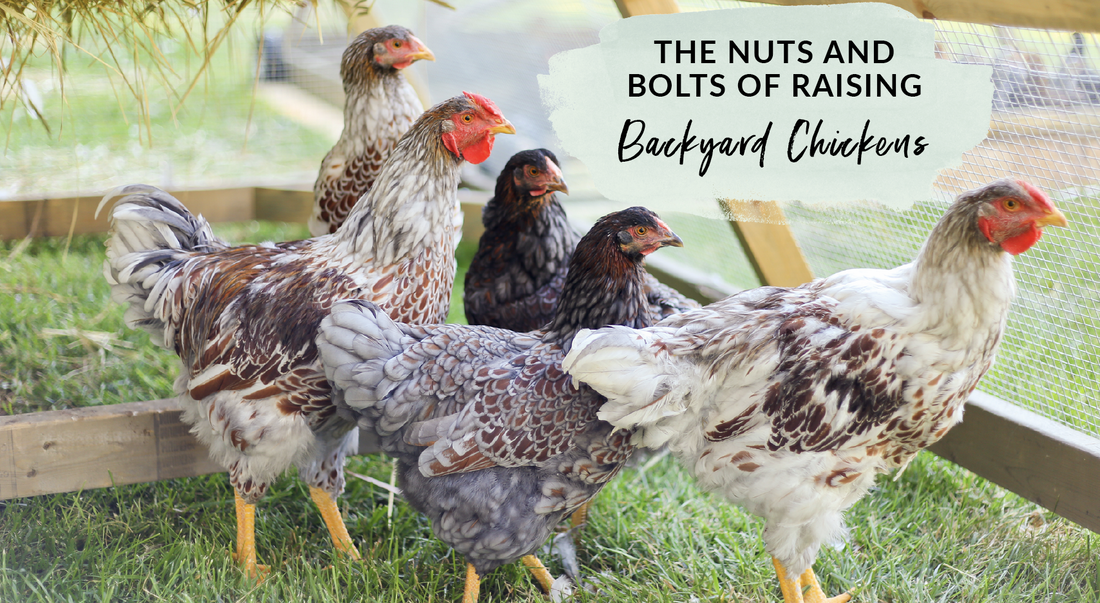

You’ve decided to raise backyard chickens, but you’re overwhelmed by conflicting advice online. How much space do they really need? Which breeds actually lay well? What does daily care look like, and what could go wrong? This guide breaks down the non-negotiable foundations that separate thriving flocks from struggling ones, covering everything from coop design to disease prevention.
Core Principles of Successful Backyard Chicken Keeping
Before purchasing a single bird, understanding these five core concepts will set you up for success. Each principle addresses a common pain point that first-time keepers discover too late.
Key Concepts
- Housing requirements: minimum 3-4 square feet per bird inside the coop and 8-10 square feet in the outdoor run
- Breed selection: cold-hardy vs. heat-tolerant varieties, egg production rates, and temperament matching your climate
- Daily care schedule: feeding, watering, egg collection, and predator monitoring routines
- Nutrition fundamentals: layer feed composition, calcium supplementation, and fresh water management
- Health monitoring: recognizing signs of illness, parasites, and establishing relationships with poultry veterinarians
Principles
Calculate Your Coop Space Correctly
The most common mistake is underestimating housing needs. Cramped quarters lead to aggression, poor egg production, and disease spread. Count your expected flock size and multiply by 3-4 square feet of interior coop space, then add 8-10 square feet per bird for an outdoor run. A flock of five birds needs a coop roughly 20 square feet inside with an additional 50-square-foot run. Don’t cut corners here; your birds will live in this space daily.
Choose Breeds Suited to Your Climate and Goals
Not all chicken breeds perform equally in every environment. Cold climates demand breeds with smaller combs and dense feathering, while hot regions need lighter birds with better heat tolerance. Consider your primary goal: maximum egg production, meat, ornamental appearance, or dual-purpose birds. Research breeds specific to your USDA hardiness zone and talk to local keepers about what thrives in your area. This decision affects your success rate more than most people realize.
Establish Non-Negotiable Daily Care Routines
Chickens thrive on consistency. Create a daily schedule that includes morning coop opening, feed and water replenishment, afternoon monitoring, and evening lockdown. Set phone reminders if needed. This routine takes 15-20 minutes daily and prevents most problems before they start. Skipped waterings lead to stress and reduced production; irregular feeding attracts predators and rodents. Treat this as a non-negotiable commitment, not a casual hobby.
Understand Proper Nutrition and Supplementation
Layer feed provides the foundation, but it’s incomplete without additional calcium and greens. Crushed oyster shells supplement dietary calcium for strong eggshells, while grit aids digestion. Fresh vegetables, kitchen scraps, and pasture access keep birds healthy and engaged. Water quality matters as much as food; clean water should be available constantly. Change water daily and use feeders that prevent contamination from droppings.
Learn Health Prevention Before Crisis Strikes
A proactive health approach saves money and heartbreak. Watch daily for behavioral changes, reduced egg production, or physical abnormalities. Common issues include parasites (lice, mites, worms), respiratory diseases, and predator injuries. Quarantine new birds before introducing them to your flock. Maintain clean bedding and dry conditions to prevent fungal and bacterial infections. Having a poultry veterinarian’s contact information before problems arise means faster treatment.
Predator-Proof Your Setup Before Threats Appear
Hawks, foxes, raccoons, and weasels target backyard flocks relentlessly. A solid roof prevents aerial predators, while buried hardware cloth stops diggers. Run openings must close automatically at dusk or be monitored constantly. Free-ranging birds without supervision face predictable losses. Design your coop with predator defense as the primary concern, not an afterthought. Many keepers learn this lesson expensively.
Plan for Seasonal Changes and Molting Periods
Chicken productivity follows natural cycles. Most breeds molt annually, reducing or stopping egg production for 8-12 weeks. Winter daylight triggers reduced laying regardless of breed. Prepare mentally for these normal fluctuations. Provide extra protein during molt to support feather regrowth. Supplemental lighting during winter maintains production if desired, but understand this is extending natural cycles. Understanding these rhythms prevents panic about ‘sick’ birds that are simply molting.
- Start with five to eight birds maximum for your first flock; this size is manageable while providing enough eggs to justify the effort and learn from losses without devastating impact
- Join a local backyard chicken club or online community before bringing birds home; experienced keepers in your region know breed-specific challenges and have solved problems you’ll face
- Invest in good predator protection first, not fancy feeders; 80% of flock losses happen to birds without proper housing security, making this your most critical infrastructure investment
What to Look For in Chicken Keeping Equipment
- Coop Construction Quality: Look for predator-proof designs with 1/2-inch hardware cloth (not chicken wire), solid roofing, and adequate ventilation. The structure should provide at least 3-4 square feet per bird and allow you to access all areas for cleaning and health checks without contorting yourself.
- Waterer Design and Material: Effective waterers keep chickens hydrated while preventing contamination from bedding and droppings. Choose designs that are easy to refill daily, don’t tip over easily, and can be cleaned thoroughly. Capacity should match your flock size and climate (hot weather demands larger reservoirs).
- Feeder System Efficiency: Feeders should minimize waste by allowing birds to eat without scattering grain everywhere. Look for raised designs that prevent bedding contamination and keep rodents from accessing food. Capacity depends on flock size and how frequently you can refill.
- Nesting Box Comfort and Accessibility: Hens need private, dark spaces to lay eggs comfortably. Choose designs with adequate bedding retention, proper sizing (roughly 12×12 inches), and easy access for egg collection and cleaning. One box per three birds is standard, but extras prevent territorial disputes.
Prevue Pet Products Chicken Coop with Run
Best for: New keepers wanting an all-in-one solution
This predator-proof coop and run combination provides 40+ square feet of protected space, suitable for 4-6 chickens. Features a sturdy wooden frame with 1/2-inch hardware cloth, removable roosts for easy cleaning, and nesting boxes with external access for egg collection. The integrated run prevents constant predator vigilance while allowing fresh air and natural light. Assembly takes 3-4 hours but results in a professional-grade setup that outlasts cheaper alternatives.
Check Current Price on Amazon →Little Giant Plastic Poultry Waterer
Best for: Keepers seeking affordable, reliable hydration
This 5-gallon gravity-fed waterer delivers clean drinking water for 8-12 birds daily without daily refills. The plastic construction resists corrosion better than metal, while the simple design prevents tip-overs and bedding contamination. Available in multiple sizes for different flock capacities. Temperature-resistant design functions in winter and summer, making it a year-round workhorse that pays for itself through simplicity and durability.
Check Current Price on Amazon →Grandpa’s Feeders Large Chicken Feeder
Best for: New keepers wanting zero-waste feeding
This 30-pound capacity pan feeder features a grill design that prevents chickens from scattering feed while minimizing waste by 40-50% compared to traditional feeders. The low-profile design works with any coop and requires no installation. Pan material is galvanized steel, resisting weather and lasting for years. Cleaning takes two minutes under running water, keeping your flock healthy by preventing mold growth in stored feed.
Check Current Price on Amazon →Omlet Outdoor Run and Coop Large
Best for: Keepers prioritizing aesthetics and convenience
This British-engineered system combines sleek aluminum design with modular expansion capability, supporting up to 10 birds. The coop features automatic pop-door with timer functionality, integrated nesting boxes, and perches positioned for natural behavior. Run sections add or remove easily, and the entire unit moves on wheels for fresh grazing rotation. Premium pricing reflects reduced maintenance and longevity (15+ years), making it a long-term investment that looks beautiful in any backyard.
Check Current Price on Amazon →Harris Farms Egg Holder Nesting Box
Best for: Keepers focused on comfortable egg laying
These individual nesting boxes mount anywhere in your coop structure and provide dark, private spaces that encourage consistent laying. The molded plastic construction resists bedding degradation better than wood, while the angled roof prevents roosting on top. Dimensions of 12x12x14 inches match natural hen preference. Package includes mounting hardware, and multiple boxes cost-effectively add capacity for growing flocks.
Check Current Price on Amazon →Manna Pro Oyster Shell Layer Supplement
Best for: Keepers serious about eggshell quality
Crushed oyster shell provides the essential calcium that layer feed lacks, preventing soft-shelled eggs and supporting hen bone health. This 5-pound package mixes easily into daily feed or offers separately for self-feeding. Natural mineral composition absorbs efficiently compared to limestone alternatives. One package lasts 5-6 chickens approximately 2-3 months, making calcium supplementation affordable and essential.
Check Current Price on Amazon →Southland Holding Poultry Drinker Nipples
Best for: Keepers wanting automated watering solutions
These drinker nipples attach to any water line or bucket, creating a low-maintenance hydration system requiring no daily waterer refills. Installation involves drilling holes and inserting nipples (30-minute job). Each nipple delivers 0.5ml per peck, matching natural drinking behavior while preventing spillage and contamination. This system works year-round with proper winterization, transforming daily watering from a chore into a once-weekly maintenance task.
Check Current Price on Amazon →Automatic Coop Door Opener by Coops and Cotes
Best for: Keepers with unpredictable schedules
This motorized door opener eliminates dawn and dusk routine stress by automatically opening at sunrise and closing at sunset using light-sensitive sensors. Battery-powered operation requires no electrical wiring, while the backup manual override ensures function during power loss. Installation takes one hour on most coops. Keepers report this single purchase transforms chicken keeping from rigid daily commitment to flexible hobby with consistent security.
Check Current Price on Amazon →Start Your Flock With Confidence
Backyard chicken keeping transforms from overwhelming to manageable once you understand the core principles. Success hinges on three non-negotiables: predator-proof housing with adequate space, consistent daily care routines, and proactive health management. Every experienced chicken keeper you meet learned these lessons through trial, error, and expensive losses. You can skip that phase by investing time in planning before your first bird arrives.
Start with a realistic flock size (5-8 birds), choose breeds suited to your climate, build proper infrastructure, and join a local community for region-specific advice. The equipment you choose matters less than your commitment to daily care and continuous learning. Most chicken-keeping problems aren’t mysteries—they’re predictable consequences of skipped steps or rushed decisions. Follow these foundations, avoid common shortcuts, and you’ll join the thousands of backyard keepers who enjoy fresh eggs, natural pest control, and surprisingly entertaining yard companions for years.
Frequently Asked Questions
How many chickens should I start with?
Begin with five to eight birds. This size allows you to learn management basics while providing enough birds to sustain motivation if losses occur. It’s manageable for most backyards and generates 3-5 eggs daily during peak season, a realistic household benefit. Larger starting flocks overwhelm new keepers with unexpected complexity.
Can chickens stay outside year-round in cold climates?
Yes, but only with cold-hardy breeds and proper housing. Choose breeds with smaller combs (less frostbite risk), provide insulated coops with ventilation (not sealed, which causes moisture problems), and ensure unfrozen water access. Winter egg production drops dramatically without supplemental lighting, so plan accordingly. Cold-climate keepers often use heat lamps for comfort rather than survival.
What’s the most common reason backyard flocks fail?
Inadequate predator protection and inconsistent daily care. Predators eliminate entire flocks overnight, while missed feedings or waterings stress birds into disease susceptibility. Both issues are preventable with planning, making them the leading causes of failure among otherwise willing keepers.
How do I know if my chicken is sick?
Watch for reduced egg production, behavioral changes (lethargy, isolation), physical signs (discharge, limping, ruffled feathers), or appetite loss. Early intervention prevents spread to the flock. Quarantine sick birds immediately and consult a poultry veterinarian rather than trying internet diagnosis, which often misidentifies treatable conditions.
Do backyard chickens really save money on eggs?
Rarely in year one. Initial coop and equipment costs ($300-800) offset egg savings. By year two-three, when infrastructure is amortized, modest savings appear if you minimize feed waste and limit predator losses. Most keepers keep chickens for fresh eggs, pest control, and companionship rather than economic return, though they’re a pleasant bonus.
As an Amazon Associate, Build & Bloom earns from qualifying purchases. We only recommend products we genuinely think are useful. Prices and availability vary; check Amazon for the latest.
Leave a Reply