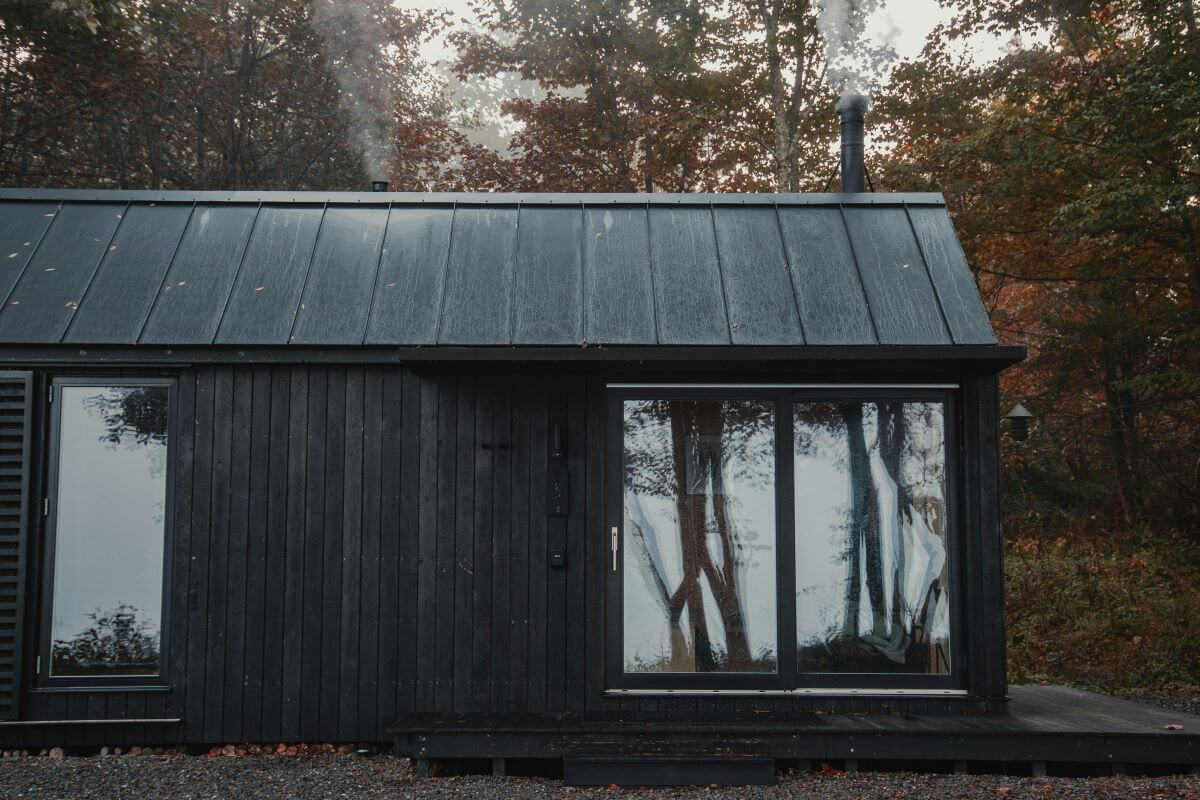

The off-grid dream sounds romantic until you’re shivering in winter without backup heating or watching your battery bank drain faster than expected. Moving off-grid requires honest self-assessment and detailed planning—not just romantic notions of independence. This guide walks you through the critical decisions that separate successful off-grid homesteads from abandoned projects.
7 Essential Planning Principles for Off-Grid Living
Before purchasing property or investing in systems, evaluate these core areas. Each one directly impacts your comfort, safety, and financial sustainability.
Key Concepts
- Energy audit of your current consumption patterns and seasonal variations
- Water source assessment including testing, availability year-round, and backup options
- Climate analysis for your region including temperature extremes and weather patterns
- Budget framework covering initial setup, maintenance, and emergency reserves
- Skills inventory of what you already know versus what requires training
- Property evaluation checklist for sun exposure, water access, and isolation factors
Planning Principles
Audit Your Current Energy Use Realistically
Track your electricity consumption for at least three months, noting seasonal variations. Off-grid systems must handle your peak usage periods, not averages. Account for heating, cooling, water heating, and appliances you actually use daily. Many people drastically underestimate their real consumption and end up with undersized systems that create constant frustration.
Evaluate Water Availability and Quality
Identify potential water sources: well, spring, rain collection, or surface water. Have water tested for contaminants before committing. Calculate seasonal variations—springs dry up, rainfall patterns shift. Plan for backup sources and storage capacity to survive dry periods. Water is non-negotiable; inadequate water supply is a primary reason off-grid attempts fail.
Understand Your Region’s Microcliimate and Solar Potential
Research average cloud cover, frost dates, wind patterns, and temperature extremes for your specific location. Use solar mapping tools to assess roof/ground exposure. Understand winter daylight hours and summer heat patterns. These factors determine whether solar, wind, or hydro power is viable and how much system capacity you’ll actually need versus marketing claims.
Calculate True Setup and Operating Costs
Create a detailed budget including: renewable energy system, water systems, backup power, propane or fuel storage, emergency repairs, annual maintenance, replacement parts, and a 12-month cash reserve. Many people spend $20,000-$50,000 just on energy systems alone. Factor in professional installation costs and don’t assume DIY will save money when mistakes are expensive.
Assess Your Skill Level and Training Needs Honestly
Off-grid living requires competency in system maintenance, basic plumbing, electrical troubleshooting, and equipment repair. Identify knowledge gaps now. Take workshops, read manuals, watch tutorials, and practice before you need these skills during a crisis. Your ability to maintain systems directly impacts reliability and safety.
Evaluate Property Characteristics Beyond ‘Looking Nice’
Look for: southern exposure for solar, natural water sources, tree cover for winter wind protection, adequate drainage to prevent moisture damage, distance from neighbors, access for emergency vehicles, and room for system expansion. Poor property choice means fighting against your environment constantly rather than working with it.
Create a Transition Timeline with Contingencies
Plan to test systems before full commitment. Some people establish part-time off-grid living first, maintaining grid connection initially while troubleshooting. Build in a 6-month learning period before completely disconnecting. Have backup plans for extended system failures. Rushing the transition creates dangerous situations.
- Connect with established off-grid homesteaders in your target region before buying property—they’ll give you honest feedback about what’s actually sustainable there, not just theoretical advice.
- Oversize your renewable energy system capacity by 25-50% beyond calculated needs; system efficiency degrades over time and unexpected high-demand periods will occur regularly.
- Maintain detailed records of your system performance for the first two years; this data prevents costly mistakes when expanding or troubleshooting problems later.
What to Look For in Off-Grid System Components
- Solar Panel Quality and Efficiency Rating: Look for monocrystalline panels with 18-22% efficiency ratings and 25-year warranties. Panel quality directly impacts your system’s output in less-than-ideal conditions. Cheap panels degrade faster and deliver less power per square foot of roof space.
- Battery Bank Capacity and Chemistry Type: Lithium systems offer better efficiency and lifespan but cost more; lead-acid is budget-friendly but requires more maintenance. Calculate your days of autonomy needed (typically 3-5 days minimum). Battery capacity should match your actual usage patterns, not just marketing claims.
- Inverter Size and Pure Sine Wave Output: Inverters must handle your peak power draw plus 20% headroom. Pure sine wave output is essential for sensitive electronics; modified sine wave damages appliances. Larger capacity provides reliability cushion but costs more—right-size based on actual needs.
- Water Storage and Filtration System Redundancy: Plan for storage equal to 30-60 days of usage minimum. Install multiple filtration stages (sediment, activated carbon, UV sterilization) and keep backup filters in stock. Redundancy means one failed component doesn’t leave you without water.
Renogy 400W Monocrystalline Solar Panel Kit with 40A MPPT Controller
Best for: Primary power generation for small to medium off-grid systems
Renogy’s solar kit provides efficient monocrystalline panels with integrated MPPT charge controller for maximum power conversion. The 400W configuration serves as a solid foundation for many off-grid applications. Panels feature durable aluminum frames rated for snow/wind loads, and the MPPT controller optimizes charging in variable light conditions. Includes mounting hardware and comprehensive documentation. This is the core equipment for any renewable energy system.
Check Current Price on Amazon →LiFePO4 Lithium Battery 48V 100Ah (LiTime Brand)
Best for: Long-term energy storage with minimal maintenance
LiTime’s lithium battery pack provides 4.8kWh capacity with 6000+ cycle lifespan, making it ideal for permanent off-grid installations. Lithium chemistry eliminates daily maintenance required by lead-acid alternatives. Features built-in battery management system, low self-discharge rate, and compatibility with standard inverters. Higher upfront cost is offset by longevity and efficiency. Essential for reliable 24/7 power access.
Check Current Price on Amazon →Victron Energy Phoenix 48/3000 Pure Sine Wave Inverter
Best for: Affordable pure sine wave power conversion
Victron’s 3000W inverter delivers pure sine wave output at an accessible price point. Handles typical household loads including refrigerators, pumps, and power tools. Features automatic standby mode for battery preservation and remote monitoring capability. Built-in transfer switch capabilities for backup generator integration. Proven reliability in off-grid applications with strong technical support community.
Check Current Price on Amazon →Flotec 4-Stage Point-of-Use Water Filtration System with UV
Best for: Multi-stage water purification for collected or well water
Flotec’s 4-stage system combines sediment filtration, activated carbon, and UV sterilization to handle variable water source quality. Compact countertop design fits limited space in off-grid kitchens. Includes replacement filter cartridges good for 6-12 months depending on source water quality. Essential backup to primary filtration for systems relying on collected rainwater or untested sources.
Check Current Price on Amazon →Generac PWRcell Modular Battery Expansion Pack 5kWh
Best for: Scalable storage expansion without full system replacement
Generac’s modular battery design lets you start small and expand capacity as needs grow. Each 5kWh unit adds independently, avoiding expensive complete replacements. Lithium-based chemistry with 10-year warranty. Compatible with existing inverters and charge controllers. Ideal for homesteaders who want to upgrade gradually rather than make one massive investment.
Check Current Price on Amazon →Champion Power Equipment 7500W Portable Generator
Best for: Emergency backup power during extended cloudy periods
Champion’s dual-fuel generator runs on gasoline or propane for flexible fuel storage. 7500W output handles most household loads and can recharge batteries during low solar production periods. Quiet operation (74dB) compared to standard models. Automatic choke and electric start reduce cold-weather complications. Essential backup for off-grid systems during winter or storm periods.
Check Current Price on Amazon →Victron Energy BMV-712 Battery Monitor with Color Display
Best for: Real-time system monitoring and battery health tracking
Victron’s battery monitor provides precise state-of-charge, voltage, current, and power consumption data. Color display shows trends and alerts for abnormal conditions. Prevents over-discharge damage by warning before battery depletion. Essential diagnostic tool for troubleshooting system issues and optimizing usage patterns. Pays for itself through prevented battery damage.
Check Current Price on Amazon →Ekwb High-Volume Water Storage Tank 250 Gallon Food-Grade
Best for: Primary water storage and emergency reserves
Food-grade polyethylene construction prevents contamination and lasts 20+ years. 250-gallon capacity provides 2-5 days of household water supply depending on usage. Includes inlet/outlet fittings compatible with standard plumbing. Heavy-duty base prevents tipping. Colors available for above-ground or semi-buried installation. Adequate water storage is fundamental—this tank size balances capacity with manageable space requirements.
Check Current Price on Amazon →Start Planning Your Off-Grid Transition Today
Moving off-grid isn’t a romantic impulse—it’s a carefully orchestrated system of equipment, knowledge, and realistic expectations. The planning process takes months, not weeks. Start by auditing your current energy and water use, researching your specific region’s capabilities, and honestly assessing your skill level and budget. Connect with established off-gridders in your climate zone before making any purchases; their experience prevents expensive mistakes.
The good news: off-grid living is absolutely achievable when approached systematically. Thousands of homesteaders successfully maintain renewable energy systems, independent water supplies, and comfortable homes without grid connection. Your success depends on thorough planning, right-sized equipment, and ongoing education. Use this guide to evaluate each critical area before making any commitments. The months you invest in planning now will save thousands in corrective expenses later.
Frequently Asked Questions
How much money do I need to go off-grid?
Budget ranges from $15,000-$30,000 for a minimal system on existing property to $80,000-$150,000+ for comprehensive installation with batteries, backup systems, and water treatment. Most realistic off-grid transitions cost $40,000-$60,000. Add property purchase costs if buying land. Build emergency reserves equal to 12 months of system maintenance costs.
Can I go fully off-grid in a cloudy climate?
Yes, but it requires larger solar arrays, more battery storage, and reliable backup power sources like wind turbines or a generator. Expect higher system costs and more active monitoring. Many cloudy-climate off-gridders maintain hybrid systems with generator backup for winter months rather than pursuing 100% solar independence.
What’s the biggest mistake people make when planning off-grid?
Underestimating actual energy consumption and overestimating their ability to live with reduced power. Test your system before fully committing. Most people discover their true needs differ dramatically from theoretical calculations only after living off-grid for several months.
Do I need a well or can I use rainwater collection?
A well provides reliable year-round water independent of weather patterns, making it the preferred primary source. Rainwater collection works as supplementary storage but shouldn’t be your only source due to seasonal variation and regulatory restrictions in some areas. Many successful systems use both: well water plus rainwater storage.
How often do off-grid systems need maintenance?
Monthly: visual inspections and battery water checks (if lead-acid). Quarterly: filter replacements and system performance reviews. Annually: professional equipment servicing and full battery load testing. Regular maintenance prevents costly failures and extends equipment lifespan by years.
As an Amazon Associate, Build & Bloom earns from qualifying purchases. We only recommend products we genuinely think are useful. Prices and availability vary; check Amazon for the latest.
Leave a Reply