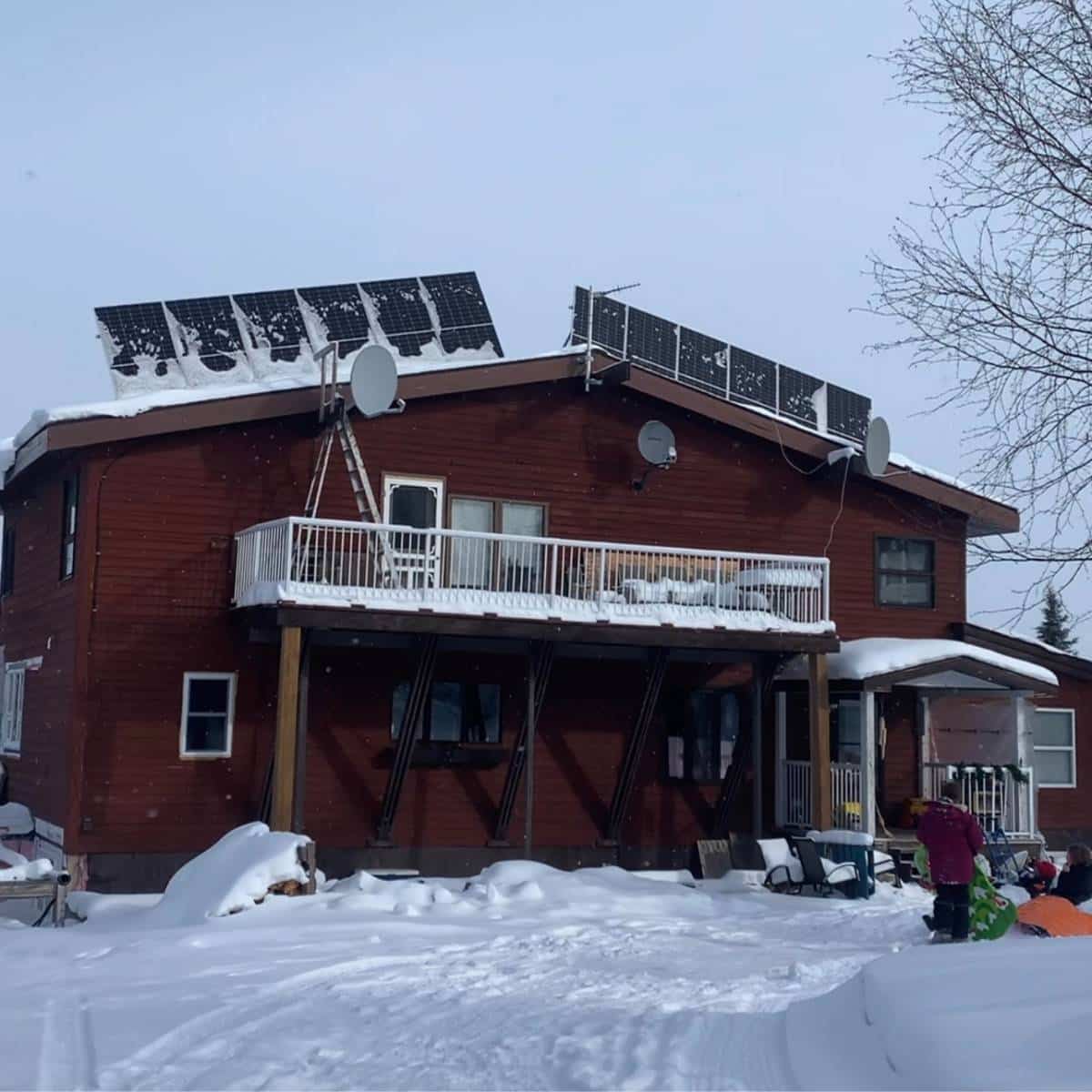

The dream of off-grid living appeals to many people seeking independence, lower utility costs, and a closer connection to nature—but without proper planning, the transition can quickly become overwhelming. Whether you’re drawn to solar power, well water, or growing your own food, successful off-grid living depends on understanding the core systems you’ll need to build and maintain. This guide breaks down the practical steps for beginners to transition away from municipal utilities and toward genuine self-sufficiency.
How to Transition to Off-Grid Living
Off-grid living isn’t a single decision but a series of interconnected systems. Follow these steps to build a sustainable setup.
What You Will Need
- Land assessment tools (soil test kit, water divining rod or professional survey)
- Renewable energy equipment (solar panels, wind turbine, or micro-hydro system)
- Water sourcing and storage (well drilling equipment, cistern, or rainwater collection system)
- Backup power system (battery bank and inverter)
- Gardening and food preservation supplies (seeds, composting materials, canning equipment)
- Off-grid shelter (cabin, earthship, or conventional home with heavy insulation)
Steps
Assess Your Land and Resources
Before investing in any infrastructure, thoroughly evaluate your property. Test soil quality and pH levels for gardening, locate water sources (groundwater depth, surface water access, seasonal rainfall patterns), and map sun exposure for solar potential. Document seasonal weather patterns, frost dates, and microclimate variations. This foundation determines what systems are viable and where they should be positioned for maximum efficiency.
Plan Your Power Generation System
Choose your primary energy source based on your location and resources: solar panels for consistent sunlight areas, wind turbines for windy regions, or micro-hydro systems if you have flowing water. Calculate your household’s baseline power consumption by listing all appliances and their usage hours. Size your system to handle peak demand plus 25-30% buffer. Include a backup generator or battery bank to cover cloudy days or calm weather.
Secure a Reliable Water Source
Identify how you’ll access fresh water daily. Options include drilling a well, installing a rainwater collection system, accessing a natural spring, or combinations of these methods. Have any well water professionally tested for contaminants. Install filtration and storage capacity to handle dry seasons—aim for storage equal to 6 months of usage. Calculate daily household needs (typically 1-2 gallons per person per day for drinking and cooking, more if irrigating gardens).
Build Adequate Storage and Backup Systems
Install battery banks to store excess power generated during peak production hours. Size cisterns or tanks for water storage with covered, food-grade containers. Create redundant systems for critical needs: multiple water sources, backup power via generator, and emergency food supplies. This redundancy ensures you can weather extended cloudy periods, dry seasons, or equipment failures without crisis.
Establish Food Production Capability
Begin with raised garden beds, composting systems, and perennial plants suited to your climate. Start small—even 500 square feet can produce significant food supplemented by food preservation methods like canning, freezing, or root cellar storage. Include fruit trees and berry bushes that provide harvests for years with minimal maintenance. Research heirloom seed saving to maintain crop diversity across seasons.
Develop Waste Management Systems
Plan for greywater recycling (kitchen and shower water for garden irrigation), composting toilets or septic systems, and garbage reduction through recycling and composting. Off-grid living means you’re responsible for all waste—there’s no municipal pickup. Design systems that cycle nutrients back into your land rather than accumulating as trash or polluting groundwater.
Upgrade Your Shelter for Energy Efficiency
Maximize insulation, seal air leaks, and install high-performance windows to reduce heating and cooling loads. Consider passive solar design with southern-facing windows, thermal mass for temperature regulation, and natural ventilation. These improvements directly reduce your power and water consumption, making off-grid systems smaller and more affordable.
Practice and Build Your Skills Before Full Transition
Spend time learning essential skills while still connected to utilities: food preservation, basic carpentry, equipment maintenance, gardening, and troubleshooting power systems. Spend weekends or extended visits on your land developing competence with your systems. This learning period prevents costly mistakes and builds confidence before you fully disconnect from municipal services.
- Start with a detailed energy audit of your current home to understand realistic power consumption, then plan your off-grid system 25-30% larger than baseline needs to accommodate seasonal variation and future expansion.
- Consult with local off-grid living communities or experts before purchasing equipment—regional variations in climate, water tables, and building codes significantly impact which systems work best in your area.
- Build redundancy into every critical system: multiple water sources, backup power, and diverse food production methods ensure resilience when individual components fail.
What to Look For in Off-Grid Equipment
- Solar Panel Efficiency and Durability: Look for monocrystalline panels with 18-22% efficiency ratings and 25-30 year performance warranties. Panel quality directly impacts how much power you generate in limited sunlight conditions, which is critical for off-grid reliability.
- Battery Bank Capacity and Chemistry: Choose between lithium-ion (lighter, higher cycle count, expensive) or lead-acid (heavier, proven reliability, affordable). Match total capacity to 3-5 days of usage to survive extended cloudy periods without running a backup generator.
- Water Storage Food-Grade Rating: Ensure all cisterns and tanks are food-grade and UV-protected to prevent algae growth and contamination. Size storage for 6 months minimum to handle seasonal dry periods and unexpected supply disruptions.
- Inverter Capacity and Pure Sine Wave Output: Select an inverter rated 25-30% above your peak load to handle startup surges from motors and appliances. Pure sine wave inverters protect sensitive electronics better than modified sine wave alternatives.
Renogy 400W Solar Panel Kit with Inverter
Best for: Beginners starting their off-grid power system
The Renogy 400W system includes four 100W monocrystalline panels, a 60A MPPT charge controller, and a 2000W pure sine wave inverter. This complete kit provides reliable daily power generation with 20+ year durability and includes detailed installation guides. The MPPT controller maximizes power conversion in low-light conditions, and the pure sine wave inverter protects sensitive electronics. Customers report 8-10 hours of usable power daily in moderate sunlight regions.
Check Current Price on Amazon →Battle Born LiFePO4 12V 100Ah Lithium Battery
Best for: First-time off-gridders building a battery bank
This 12.8V lithium battery delivers 1,280Wh of usable capacity with 5,000+ cycle lifespan—roughly 13+ years of daily use. Built-in battery management system protects against overcharging and deep discharge. Significantly lighter than lead-acid alternatives (25 lbs vs. 50+ lbs) and requires no maintenance. Stackable design allows expanding capacity as your system grows. Higher upfront cost pays back through longevity and reduced replacement cycles.
Check Current Price on Amazon →Victron Energy Blue Smart 12/16 Charger
Best for: Off-gridders with backup generators or multiple power sources
This compact 16A charger accepts input from generators, wind turbines, or utility power during connection periods. Three-stage charging protects battery health and maximizes lifespan. Bluetooth connectivity via smartphone app monitors charging status remotely. Significantly cheaper than integrated systems while maintaining professional-grade performance. Works with both lithium and lead-acid batteries for flexible system expansion.
Check Current Price on Amazon →Norwesco 1500 Gallon Water Cistern Tank
Best for: Off-gridders establishing rainwater or well-fed storage
This polyethylene cistern provides 1,500 gallons of food-grade water storage, ideal for a family of 4 to survive 1-2 weeks without rainfall or well access. UV-protected plastic resists algae growth and prevents light penetration. Includes inlet, outlet, and overflow fittings for integration with gutters or well pumps. Durable construction handles temperature swings from freezing to 120F. Properly installed underground or protected from direct sun extends lifespan to 20+ years.
Check Current Price on Amazon →Windy Nation 400W 12V Wind Turbine Generator
Best for: Off-gridders in consistently windy locations as power supplement
Designed for rural locations with average wind speeds of 12+ mph, this turbine generates supplemental power during cloudy periods and nighttime. Compact footprint (3.6 foot rotor) suits smaller properties compared to utility-scale turbines. Includes charge controller and mounting hardware for pole or roof installation. Combined with solar, wind creates year-round power consistency—solar peaks in summer, wind peaks in winter. Requires 20+ foot clearance from trees and obstacles.
Check Current Price on Amazon →All American 921 Pressure Canner
Best for: Off-gridders building food security through home canning
This 21.5-quart aluminum pressure canner safely preserves low-acid foods (vegetables, meats, soups) that can’t be safely preserved via water bath alone. Operates on any heat source including wood stoves, camp stoves, or propane—no electricity required. Holds seven quart jars and maintains exact pressure for recipe accuracy. Heavy-duty construction lasts decades with simple maintenance. Critical equipment for off-gridders reducing reliance on purchased food.
Check Current Price on Amazon →Sawyer MINI Water Filter with Straw
Best for: Backup water purification and emergency preparedness
This ultralight 0.1-micron water filter removes 99.99% of bacteria and parasites from natural water sources. Compact size (3 inches long) fits in pockets or emergency kits. Works with gravity feeding or direct suction from streams—no electricity required. Filter lasts for 100,000 gallons before replacement, and replacement cartridges cost under $30. Essential backup when primary water systems require maintenance or fail unexpectedly.
Check Current Price on Amazon →Gardman Raised Garden Bed with Cloches Set
Best for: Beginners establishing food production quickly
This 8x2x2 foot cedar raised bed with protective cloches enables year-round growing even in harsh climates. Untreated wood lasts 5-7 years and composts naturally when retired. Cloches trap warmth extending growing season 4-6 weeks on each end. Requires minimal water due to intensive planting density and mulching. Perfect entry point for building food production skills before expanding to larger gardens or fruit trees.
Check Current Price on Amazon →Start Your Off-Grid Journey Today
Off-grid living is achievable for anyone willing to invest time in planning and learning. Begin by thoroughly assessing your land’s resources—sun exposure, water availability, wind patterns, and soil quality. These foundations determine which systems are feasible and cost-effective. Invest first in power generation (solar or wind) and water security (well or cistern), then expand into food production and advanced systems. Most importantly, approach the transition gradually while still connected to utilities so you can troubleshoot and build competence without emergency pressure.
The equipment and systems you install today will sustain your independence for decades. Choose quality components rated for long-term use, build redundancy into critical systems, and don’t rush the process. Connect with local off-grid communities, read technical guides for your chosen systems, and practice essential skills like food preservation and equipment maintenance while you still have access to backup resources. Off-grid living rewards patience and preparation with genuine self-sufficiency and freedom from utility corporations.
Frequently Asked Questions
How much money should I budget for off-grid conversion?
Entry-level systems cost $15,000-30,000 for small cabins (solar + battery + well/rain collection). Full homestead systems average $40,000-80,000 depending on property size, land condition, and equipment quality. Budget 20-30% more for unexpected issues like soil remediation or deeper wells. Spread costs across 2-3 years if possible to manage cash flow.
Can I still connect to the grid while building my off-grid system?
Yes—remaining grid-connected during transition reduces risk and provides backup during system failures. Many off-gridders maintain grid connection initially, then switch to full independence once battery bank and power generation prove reliable. This hybrid approach lets you learn system operation without emergency pressure.
What permits or regulations apply to off-grid living?
Building codes, zoning laws, and septic regulations vary dramatically by location. Some rural counties have minimal restrictions; others prohibit off-grid systems entirely. Research local regulations before purchasing land. Hire a local contractor familiar with off-grid requirements and work with county assessors to ensure compliance.
How do I handle emergencies without municipal services?
Build redundant systems (multiple water sources, backup power), maintain emergency supplies (food, medicine, fuel for 3-6 months), and develop communication plans since 911 response times are longer in remote areas. Establish relationships with nearby off-gridders for mutual aid during major failures or medical emergencies.
Is off-grid living worth the effort and expense?
Benefits include utility independence, lower monthly costs ($50-200 vs. $300-600 on-grid), environmental alignment, and property value appreciation in some markets. Downsides include initial capital investment, ongoing maintenance skills required, and lifestyle adjustments (water rationing, weather-dependent power). It’s worthwhile for people prioritizing independence and willing to trade convenience for self-sufficiency.
As an Amazon Associate, Build & Bloom earns from qualifying purchases. We only recommend products we genuinely think are useful. Prices and availability vary; check Amazon for the latest.
Leave a Reply