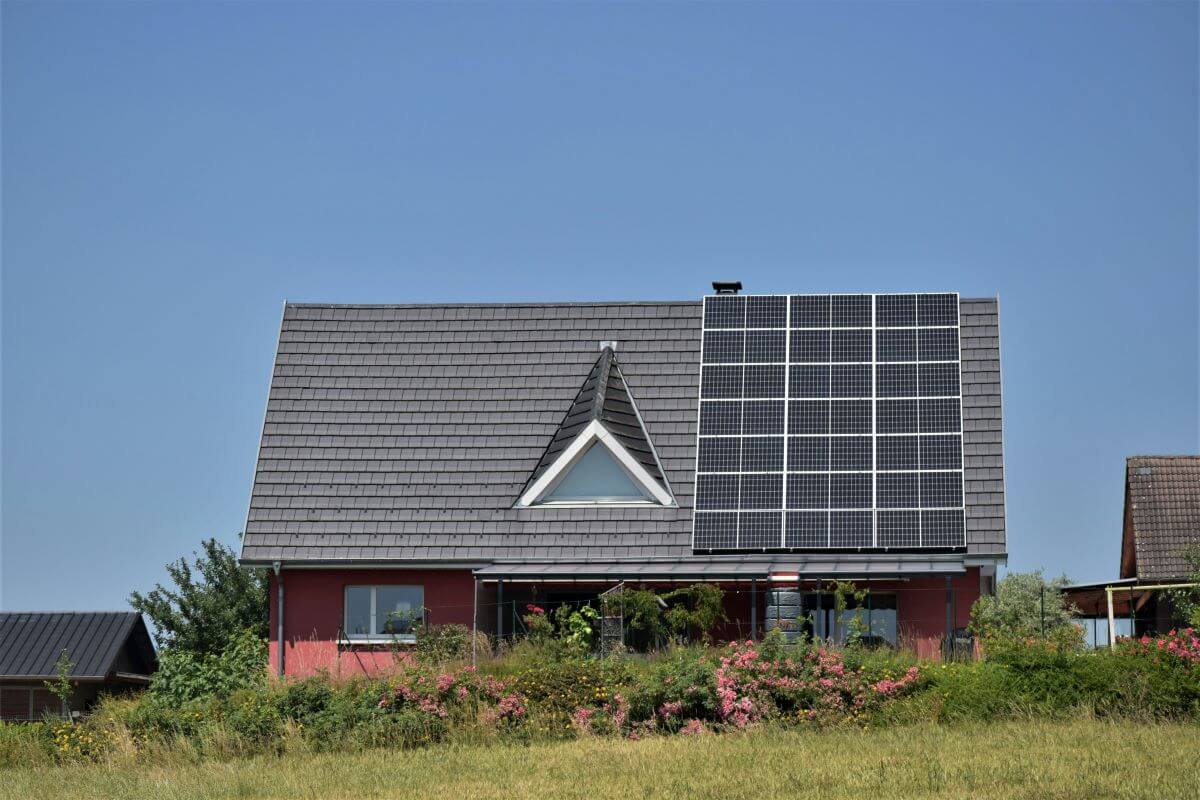

If you’re dreaming of homestead independence, you’ve hit the core challenge: most rural property lacks municipal connections for power, water, and sewage. Understanding your utility options before you buy land or break ground is essential. The good news is that modern off-grid systems are more reliable and affordable than ever. This guide breaks down the three utility pillars so you can design a homestead that actually works for your lifestyle and budget.
Understanding Your Off-Grid Utility Options
Off-grid living means replacing three conventional systems with self-contained alternatives. Each system operates independently and requires different equipment, maintenance, and initial investment.
Key Concepts
- Electricity generation source (solar panels, wind turbine, or micro-hydro system)
- Energy storage solution (battery bank for power continuity)
- Water source identification (groundwater, surface water, or precipitation)
- Water treatment and storage infrastructure
- Waste management approach (septic system or composting alternative)
Principles
Assess Your Electricity Needs
Calculate your daily power consumption in kilowatt-hours by listing appliances, their wattage, and daily usage hours. This determines how many solar panels or alternative generators you’ll need. Off-grid systems typically require oversizing capacity to handle seasonal variations and cloudy periods. Include essential loads (refrigeration, water pumps, heating) separately from optional loads for priority during low-production periods.
Choose Your Primary Electricity Source
Solar photovoltaic systems work best in sunny regions with 4+ peak sun hours daily. Wind turbines require consistent wind speeds above 10 mph and minimal turbulence. Micro-hydro systems need flowing water year-round with sufficient elevation drop. Most off-grid homes combine two sources for reliability. Your location’s climate and geography determine which technology makes financial sense.
Plan Your Battery Storage System
Battery banks store excess electricity for nighttime and cloudy days. Lithium batteries offer longer lifespan and better efficiency but cost more upfront. Lead-acid batteries are cheaper initially but require more maintenance and replacement sooner. Size your battery capacity to handle 3-5 days of autonomy without solar input. Proper ventilation and temperature control extend battery life significantly.
Identify Your Water Source and Quality
Groundwater from drilled wells provides consistent supply but requires testing and sometimes treatment for minerals or contaminants. Rainwater harvesting captures precipitation from roof surfaces but needs filtration and seasonal supplementation. Spring water offers reliable flow if available on your property. Test any water source for bacteria, nitrates, and pH before committing to a system. Water quality determines your treatment needs and long-term costs.
Design Your Water Storage and Distribution
Install storage tanks sized for your household’s daily consumption plus emergency reserves. Gravity-fed systems work if your tank sits higher than usage points. Pressurized systems require a pump and pressure tank for consistent water delivery. Include sediment filters, carbon filters, or UV treatment based on source water quality. Winterization matters in cold climates to prevent pipe freezing.
Select Your Waste Management Approach
Septic systems treat wastewater through bacterial breakdown in underground tanks, then drain to a leach field. They require proper spacing from wells and water sources. Composting toilets eliminate black water entirely, reducing system complexity and maintenance. Greywater from sinks and showers can irrigate landscaping if properly filtered. Local regulations often mandate specific approaches, so check codes before planning.
Account for Seasonal Variations and Backup
Off-grid systems experience seasonal production swings. Winter sun is weaker, water sources may freeze, and usage patterns change. Plan for a backup generator running on propane or biodiesel for emergency situations. Over-size your primary system by 20-30% to handle worst-case scenarios. Regular maintenance prevents system failures during critical periods.
- Run a one-year utility audit on your current home to understand realistic consumption patterns before sizing off-grid equipment
- Consult local building departments and septic inspectors before finalizing any design to ensure code compliance and avoid expensive retrofits
- Start with one proven system (usually solar electricity) before adding complexity; successful off-grid homes are built incrementally
What to Look For in Off-Grid System Components
- Solar Panel Efficiency and Durability: Modern panels achieve 18-22% efficiency with 25-30 year warranties. Look for monocrystalline panels over polycrystalline for better space efficiency. Verify frames resist corrosion and mounting systems handle your local wind loads. Certified panels from established manufacturers ensure parts availability for decades.
- Battery Chemistry and Cycle Life: Lithium iron phosphate (LiFePO4) batteries offer 5,000+ cycles versus 1,000-2,000 for lead-acid. Calculate total cost of ownership over 20 years rather than initial price. Check temperature operating ranges match your climate. Built-in battery management systems (BMS) protect investment and extend lifespan significantly.
- Water Pump Reliability and Efficiency: Submersible well pumps should be sized to your flow needs (typically 5-15 gallons per minute for households). Variable speed pumps adapt to demand and save energy. Sealed bearings prevent contamination from entering groundwater. Match pump voltage to your electrical system (12V, 24V, or 48V) to minimize conversion losses.
- Septic or Treatment System Capacity: Size septic tanks for 1.5x your estimated daily wastewater volume. Aerobic treatment units provide better effluent quality than passive systems but require electricity and maintenance. Verify leach field soil conditions through percolation tests. Inspect tanks every 3-5 years to manage solids and prevent system failure.
Renogy 400W 48V Complete Off-Grid Solar Kit
Best for: Households wanting an integrated solar solution with battery storage
This comprehensive kit includes 400W of monocrystalline solar panels, a 50A MPPT charge controller, four 12V 200Ah LiFePO4 batteries (48V total), and mounting hardware. The lithium battery chemistry provides 6,000+ cycles with built-in battery management. Specifications include 9.6kWh usable capacity, suitable for moderate off-grid loads. The controller features WiFi monitoring for remote system oversight. Renogy’s 25-year panel warranty and extensive technical support make this ideal for beginners and experienced installers alike.
Check Current Price on Amazon →Victron Energy SmartSolar MPPT 150/35 Charge Controller
Best for: Cost-conscious builders upgrading existing panels with better charging control
This 35-amp charge controller handles up to 500V input from solar arrays, delivering maximum power point tracking efficiency. The compact DIN rail design fits standard electrical boxes. Victron’s proven reliability and compatibility with all battery types (lead-acid, lithium, LiFePO4) make it versatile for various budgets. Temperature sensors optimize charging algorithms for your climate. Bluetooth connectivity enables real-time monitoring via smartphone. At a lower price point than integrated kits, this works excellently as a controller upgrade component.
Check Current Price on Amazon →Goal Zero Yeti 3000X Portable Power Station
Best for: Newcomers starting small or testing before full system investment
This 3,072Wh lithium battery system pairs with any 200W solar panel array (sold separately) for simple off-grid experimentation. Touch-screen display shows real-time energy flow, remaining capacity, and load estimates. Eight output ports (USB-A, USB-C, AC outlets) support most household devices. Compact enough to transport, yet capable enough for cabin weekends or emergency backup. Goal Zero’s learning curve is minimal, making it perfect for decision-making before permanent installation.
Check Current Price on Amazon →LG Chem RESU 10H Lithium Battery Module
Best for: High-performance systems demanding maximum efficiency and longevity
This 10kWh lithium module combines with LG’s inverter systems for seamless integration. Engineered for 4,000+ charge cycles with 94% round-trip efficiency. The compact, wall-mountable design saves floor space versus traditional battery banks. Factory-matched components eliminate compatibility issues between battery and inverter. LG’s 10-year warranty reflects confidence in durability. Premium pricing reflects superior performance metrics, making it ideal for permanent installations where reliability justifies investment.
Check Current Price on Amazon →Shurflo 4008-101-E65 12V Demand Water Pump
Best for: Off-grid water systems prioritizing reliability and modest power consumption
This 12V demand pump delivers 0.7 GPM at 45 PSI, ideal for small cabin systems or RV integration. Sealed diaphragm design operates quietly with minimal vibration. Draw only 3.3 amps when pressurized, efficient for small solar arrays. Built-in check valve prevents siphoning. Temperature range of -40F to 140F handles extreme climates. Replacement membranes cost under $40, making long-term ownership economical compared to larger 24V or 48V alternatives.
Check Current Price on Amazon →Aqua-Pure 3M Whole House Water Filter System AP902
Best for: Off-grid homes requiring sediment and chlorine removal from any source
This 20-micron sediment filter removes sand, silt, and rust from well or rainwater systems. Handles up to 5 GPM flow rate without pressure loss. Spin-on cartridge replacement takes minutes without tools. NSF/ANSI Standard 42 certification ensures safety for all household uses. The clear housing lets you monitor when replacement is needed visually. Works before your pressure tank to protect downstream plumbing. Cost per year of operation runs approximately $60 in replacement cartridges.
Check Current Price on Amazon →Generac PWRcell Modular Battery System
Best for: Serious off-gridders wanting expandable, scalable energy storage
This modular 5kWh battery stack expands to 15kWh by adding pod modules without replacing core equipment. Each pod contains integrated battery management and paralleling circuits for safety and efficiency. PowerManager software optimizes charging from solar, grid (if available), or generator. 10-year warranty with 70% capacity guarantee demonstrates manufacturer confidence. Industrial-grade reliability suits full-time residential off-grid applications. Expansion capability means right-sizing without overbuying initially.
Check Current Price on Amazon →Earthwise 1000-Watt Portable Inverter Generator
Best for: Off-grid backup power for essential loads during extended cloud cover
This ultra-quiet 4-stroke propane generator runs at 53dB, suitable for residential areas where noise matters. 1000W continuous output handles well pumps, refrigerators, and small power tools. Propane fuel stores indefinitely without degradation, unlike gasoline. Automatic choke and electric start provide reliability in cold climates. 3-gallon tank provides 6-8 hours runtime at half load. Compact 29-pound design transports easily between properties or stores without taking space.
Check Current Price on Amazon →Start Your Off-Grid Journey Today
Off-grid living transforms from impossible dream to practical reality when you understand your three utility systems. Electricity, water, and waste management each require thoughtful planning, but modern equipment makes independent living reliable and affordable. Start by assessing your actual needs, testing your property’s resources, and consulting with experienced builders who understand your local regulations. Many successful off-gridders built incrementally, starting with solar electricity before adding water infrastructure.
Your journey begins with knowledge and realistic expectations. The guides and products above provide a foundation, but your specific system will reflect your location’s climate, your household’s consumption patterns, and your budget priorities. Connect with off-grid communities online and locally to learn from others’ successes and mistakes. With planning and patience, you can build a homestead that provides genuine independence from municipal utilities.
Frequently Asked Questions
How much does a complete off-grid system cost?
Complete off-grid installations range from $15,000 for small cabin systems to $50,000+ for full-capacity homes. Solar and battery components comprise 60-70% of costs, while water systems add another 15-20%. Well drilling and septic installation vary wildly by geography. Budget for professional installation, permitting, and inspections adding 20-30% to material costs. Many people build incrementally, starting with solar and adding water systems later.
Can I use off-grid systems with an existing grid connection?
Yes, hybrid systems pair off-grid components with grid backup for maximum reliability. Battery-based hybrid inverters seamlessly switch between solar, batteries, and grid power. This approach reduces energy consumption from the grid while maintaining reliability, often through net metering arrangements. Hybrid systems cost less than full off-grid since you size for 60-70% of load rather than 100%, while the grid covers seasonal shortfalls.
What maintenance do off-grid systems require?
Solar panels need annual cleaning to remove dust and debris. Batteries require periodic voltage checks and terminal cleaning, especially lead-acid types. Water systems need filter changes every 6-12 months depending on source quality. Septic systems should be inspected and pumped every 3-5 years. Most maintenance tasks take a few hours annually; plan for small component replacements every 5-10 years as part of budgeting.
How do I know if my property is suitable for off-grid living?
Test your site for solar production using free online tools (PVWatts), wind speed data from NOAA, and water availability through geological surveys. Soil percolation tests determine septic viability. Visit comparable off-grid homes in your region for realistic expectations. Contact your county planning department about setback requirements and system regulations. Many rural properties work fine; a few critical limitations (heavy shade, poor drainage, minimal water) make some unsuitable.
What’s the lifespan of off-grid equipment?
Modern solar panels last 25-30 years with 80%+ efficiency retained. Lithium batteries provide 15-20 years at 80% capacity. Lead-acid batteries last 5-7 years. Inverters and charge controllers need replacement every 10-15 years. Water pumps and filtration components vary widely by type and usage. Plan for gradual equipment replacement rather than total system failure, similar to maintaining conventional utilities.
As an Amazon Associate, Build & Bloom earns from qualifying purchases. We only recommend products we genuinely think are useful. Prices and availability vary; check Amazon for the latest.
Leave a Reply