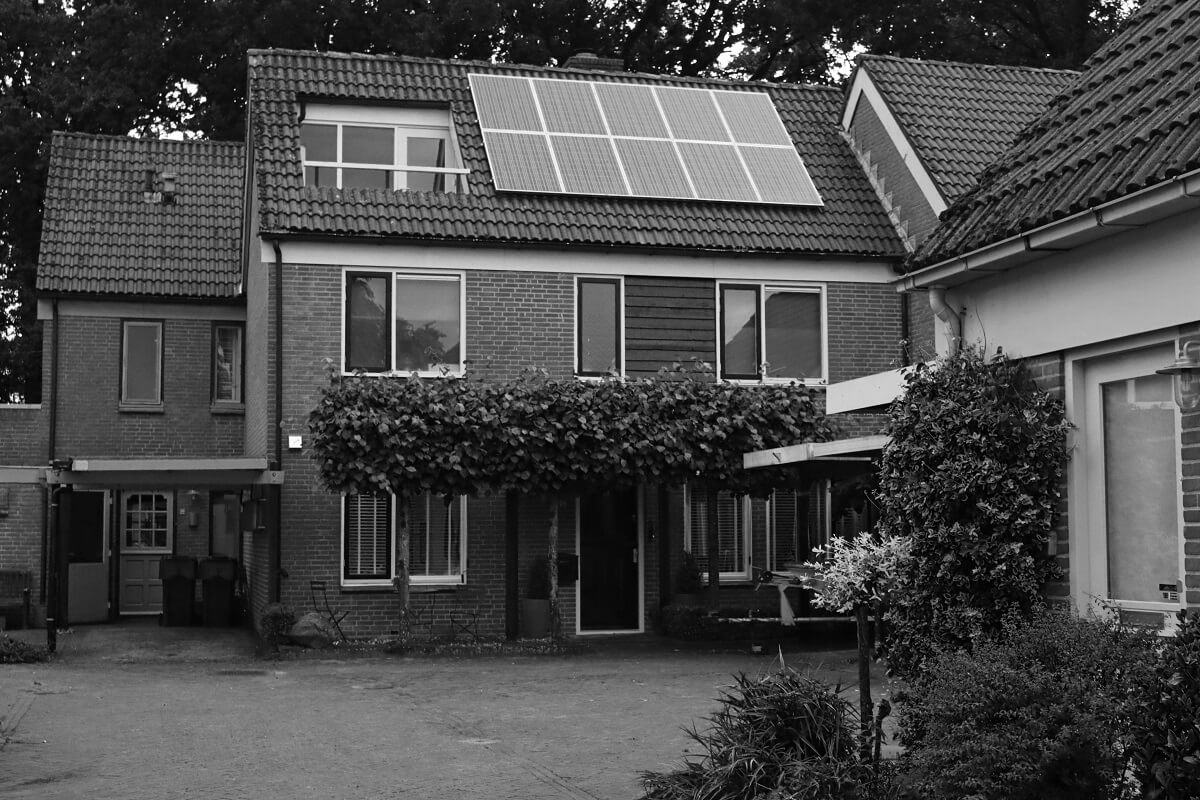

Deciding between off-grid and grid-tied solar isn’t just about installing panels–it’s about choosing your entire energy future. Many homesteaders face this critical decision without understanding how these systems actually work differently, what trade-offs come with each, and which matches their property, budget, and lifestyle. This guide breaks down the real differences so you can make a decision you won’t regret.
Key Criteria for Comparing Off-Grid vs Grid-Tied Solar
To evaluate which solar system fits your homestead, examine these five core areas side by side.
Comparison Criteria
- Energy independence vs. utility connection status and reliability requirements
- Battery storage needs, costs, and maintenance obligations
- Installation expenses, permits, and long-term financial investment
- Geographic location, sun exposure, and grid availability
- Scalability, future expansion plans, and lifestyle flexibility
Key Differences to Evaluate
Energy Independence and Self-Sufficiency
Off-grid systems produce, store, and use your own electricity with zero connection to utility companies. This means complete freedom from rate hikes and outages, but you’re entirely responsible for managing your power supply. Grid-tied systems connect to the utility and draw power whenever you need it, offering simplicity and reliability but keeping you dependent on external infrastructure. Off-grid requires careful daily monitoring; grid-tied operates transparently in the background.
Battery Storage Requirements and Costs
Off-grid systems must include substantial battery banks to store excess solar production for nighttime and cloudy days. These batteries are expensive (often 30-50% of total system cost), require regular maintenance, and need replacement every 10-15 years. Grid-tied systems rarely need batteries because the grid acts as your storage–excess power feeds back to utilities for credits. This eliminates the largest hidden expense and ongoing maintenance burden of off-grid living.
Total Installation and Long-Term Investment
Grid-tied systems are significantly cheaper upfront, typically costing 40-60% less than comparable off-grid setups. You can often start small and expand over time. Off-grid requires a complete, properly-sized system from the start to ensure reliability, demanding larger capital investment before you even begin generating power. Calculate your payback period realistically: grid-tied usually breaks even in 5-8 years, while off-grid may take 10-15 years or longer.
Location Feasibility and Geographic Constraints
Off-grid works best for remote properties far from utility lines, where trenching costs would be prohibitive. If you’re in a rural area where grid connection is expensive or unavailable, off-grid becomes economically sensible. Grid-tied requires existing utility infrastructure or willingness to pay high connection fees. Check your property’s grid proximity and local solar potential before deciding–some regions simply don’t get enough sunlight year-round for reliable off-grid operation.
Scalability, Flexibility, and Future Changes
Grid-tied systems are modular and expandable. Start with a small array and add panels as budget allows without redesigning the entire system. Off-grid systems must be engineered holistically from day one because undersizing leads to power shortages and oversizing wastes money on unused capacity. If you might relocate, expand your homestead, or change energy habits significantly, grid-tied offers greater flexibility and reduces the risk of being locked into inadequate infrastructure.
Reliability, Maintenance Demands, and Learning Curve
Grid-tied systems are largely set-and-forget. Install panels, monitor output occasionally, and let the system work. Off-grid requires you to actively manage battery charge levels, inverter settings, backup generators, and seasonal adjustments. This demands ongoing technical knowledge and attention. Many off-grid users need to adjust usage habits based on weather and season–running heavy appliances on sunny days, rationing during cloudy periods. Assess honestly whether you’re willing to learn and maintain this complexity.
Incentives, Tax Credits, and Financial Support
Grid-tied systems qualify for federal tax credits, state rebates, and net metering programs that offset costs significantly. Many utilities offer attractive payback programs for excess power you generate. Off-grid systems may qualify for some tax credits but miss out on the generous net metering incentives, reducing financial benefits. Research local policies before deciding–your area’s incentive structure could tip the financial scales dramatically in one direction.
Emergency Backup and Grid Outage Protection
Off-grid systems provide automatic power during grid outages because you’re already independent. Grid-tied systems typically shut down during outages for safety reasons, unless you add expensive battery backup. However, modern grid-tied systems with backup batteries offer a middle ground–grid power most of the time with battery protection during emergencies. Choose off-grid only if outage protection is truly critical to your lifestyle; don’t let fear of rare events drive an expensive decision.
- Request a professional solar assessment for your specific property. Different roofs, orientations, and shading patterns drastically affect which system makes sense–don’t rely on generic rules.
- Talk to people living with both systems in your climate zone. Off-grid users in cloudy regions face very different challenges than those in high-sun areas. Seek honest testimonials about real monthly costs and maintenance time.
- Run detailed financial models including maintenance costs, battery replacement, possible generator fuel, and your area’s utility rate growth. The cheapest system upfront often becomes expensive over 20 years.
What to Look For When Choosing Solar Equipment
- Panel Efficiency and Quality Rating: Look for monocrystalline panels with 18-22% efficiency ratings from established manufacturers with long warranties. Higher efficiency means smaller physical footprints on your roof, which matters for both systems.
- Inverter Type and Power Rating: String inverters work well for grid-tied systems and most roofs. Off-grid requires hybrid or battery inverters that manage charge/discharge cycles. Size the inverter to handle your peak household loads plus future growth.
- Battery Chemistry and Cycle Life (Off-Grid Only): Lithium iron phosphate (LiFePO4) batteries last 10,000+ cycles and require minimal maintenance, while lead-acid last 3,000-5,000 cycles but cost less upfront. Calculate the true cost per usable kilowatt-hour over the battery’s lifespan.
- Warranty Coverage and Installer Reputation: Panels typically come with 25-year output warranties, but inverters and batteries need 5-10 year coverage. Choose installers certified by NABCEP with local references and insurance, not the cheapest option available.
Renogy 400W 12V Monocrystalline Solar Panel Kit
Best for: Both grid-tied and off-grid homesteads seeking reliable, scalable panels
This comprehensive kit includes four 100W monocrystalline panels with 22% efficiency, a 60A MPPT charge controller, mounting hardware, and wiring. Built for durability in harsh conditions with corrosion-resistant aluminum frames and tempered glass. The modular design scales easily for both system types–add more panels as your energy needs grow. Temperature-rated for -40 to 85 degrees Celsius, making it suitable across diverse climates.
Check Current Price on Amazon →SMA Sunny Boy 3.8 Grid-Tied Inverter
Best for: Grid-connected solar systems with simple installation and monitoring
Purpose-built for grid-tied installations, this string inverter converts DC power to AC with 97.4% efficiency and minimal losses. Features integrated WiFi monitoring, automatic ground fault detection, and compliance with all major utility standards. The compact design fits easily in tight spaces, and automatic shutdown occurs during grid outages for safety. 10-year warranty covers parts and labor on most defects.
Check Current Price on Amazon →Victron Multiplus 48V 3000W Hybrid Inverter
Best for: Off-grid systems requiring battery management and backup power
Heavy-duty hybrid inverter designed specifically for battery-based off-grid systems. Manages charging from solar panels and backup generators simultaneously, with 95% conversion efficiency and advanced load management. VE.Bus connectivity allows stacking for larger systems, and the integrated charger optimizes battery longevity. Operates silently with no cooling fans, ideal for quiet homesteads. 5-year warranty with robust design for 20+ year lifespan.
Check Current Price on Amazon →Sunforce 50144 120W Monocrystalline Solar Panel
Best for: Budget-conscious homesteads starting small-scale systems
Affordable single 120W monocrystalline panel with 20% efficiency and UL certification. Lightweight aluminum frame weighs only 17 pounds, simplifying DIY installation on sheds, RVs, or cabin roofs. Includes pre-drilled mounting holes and weatherproof junction box. Delivers consistent output across diverse weather conditions, though lower wattage means you’ll need more panels for larger systems.
Check Current Price on Amazon →LG NeON 2 400W Monocrystalline Panel
Best for: High-performance systems with limited roof space
Premium monocrystalline panel delivering 400W with industry-leading 22.6% efficiency. Superior temperature coefficient (-0.3% per degree Celsius) means performance remains strong in hot climates where other panels degrade. Cello technology eliminates visible grid lines while improving aesthetics and durability. 25-year output warranty guarantees 90% performance after decade one. Ideal when space is limited but performance requirements are high.
Check Current Price on Amazon →Goal Zero Yeti 3000X Portable Power Station
Best for: Beginners testing solar viability before permanent installation
Expandable 3000Wh lithium battery system with integrated 3000W inverter, eliminating need to buy components separately. Pre-wired expansion ports allow adding panels and additional batteries. Solar charging, AC wall charging, and car charging options provide flexibility. Portable design lets you test different locations and setups before committing to permanent infrastructure. Excellent for learning battery management before scaling to full off-grid systems.
Check Current Price on Amazon →Battle Born 12V 100Ah LiFePO4 Battery
Best for: Off-grid systems requiring deep-cycle battery storage
Lithium iron phosphate chemistry delivers 10,000+ cycle lifespan with consistent 100Ah capacity (usable 80Ah practical). Built-in Battery Management System monitors cell voltage and temperature automatically. Weighs 29 pounds compared to 300+ pounds for equivalent lead-acid batteries, simplifying installation and mounting. Supports parallel connection for larger systems. 10-year warranty reflects engineering quality and reliability.
Check Current Price on Amazon →Victron Energy BMV-712 Smart Battery Monitor
Best for: Off-grid systems needing real-time battery performance tracking
Precise battery voltage, current, and state-of-charge monitoring via WiFi and Bluetooth. Displays energy flow direction, remaining time to discharge, and historical data trends. Prevents over-discharge by alerting when battery reaches critical levels. Cloud connectivity allows remote monitoring from smartphone anywhere globally. Essential tool for managing off-grid battery health and optimizing daily energy usage patterns.
Check Current Price on Amazon →Making Your Final Decision
Choose grid-tied solar if you have access to utility infrastructure, want simplicity and lower costs, don’t mind relying on the grid during outages, or value flexibility to expand gradually over time. Grid-tied systems make financial sense for most homesteaders, offering 5-8 year payback periods, minimal maintenance, and honest incentive programs. Your decision becomes easier: grid-tied is the default choice unless specific circumstances point elsewhere.
Choose off-grid solar only if you live on remote land where grid connection is impractical or prohibitively expensive, require absolute energy independence, can afford higher upfront costs and ongoing maintenance, live in a reliable high-sun region, and genuinely want the self-sufficiency lifestyle. Off-grid demands commitment, technical knowledge, and realistic budgeting including battery replacement every 10-15 years. Don’t choose off-grid to spite utility companies or from fear of rare outages–choose it because your property, values, and financial situation align with its demands. Whichever path you select, invest in professional assessment and installer credentials rather than DIY shortcuts that compromise safety and long-term performance.
Frequently Asked Questions
Can I start grid-tied and convert to off-grid later?
Technically yes, but it’s expensive and complex. You’d need to add batteries, upgrade your inverter, possibly reconfigure wiring, and potentially add more panels. Starting with off-grid capability built in from day one costs less than retrofitting later. If uncertain, begin grid-tied but ensure your roof has space and structural capacity for eventual expansion.
How much does a typical system cost for each type?
Grid-tied systems range $15,000-$30,000 for a 5-10kW residential system before incentives. Off-grid systems cost $40,000-$80,000+ because batteries add $15,000-$50,000 depending on capacity. Federal tax credits of 30% reduce grid-tied costs significantly. Your location, roof condition, and local labor rates heavily influence final pricing–get multiple quotes.
Which system needs more maintenance?
Grid-tied systems need minimal maintenance: occasional panel cleaning and inverter monitoring. Off-grid systems require regular battery inspections, state-of-charge monitoring, water level checks (if lead-acid), and potential generator servicing. Plan for 5-10 hours monthly of active management versus 1-2 hours yearly for grid-tied systems.
Do I need a generator with off-grid solar?
Almost certainly yes. Generators provide backup power during extended cloudy periods when batteries deplete and sun exposure remains insufficient. Diesel or propane generators run 15-30 days yearly in most climates, covering winter and stormy seasons. This backup safety net costs $5,000-$15,000, adding to off-grid system expense and complexity.
Which system is better for the environment?
Both reduce fossil fuel consumption identically regarding electricity generation. However, off-grid systems use backup generators occasionally, releasing emissions. Manufacturing batteries for off-grid systems requires more resources upfront. Grid-tied systems support utility renewable portfolios while maximizing solar-to-grid energy transfer efficiency. Environmental impact depends heavily on your local grid’s energy mix and how responsibly you manage either system.
As an Amazon Associate, Build & Bloom earns from qualifying purchases. We only recommend products we genuinely think are useful. Prices and availability vary; check Amazon for the latest.
Leave a Reply