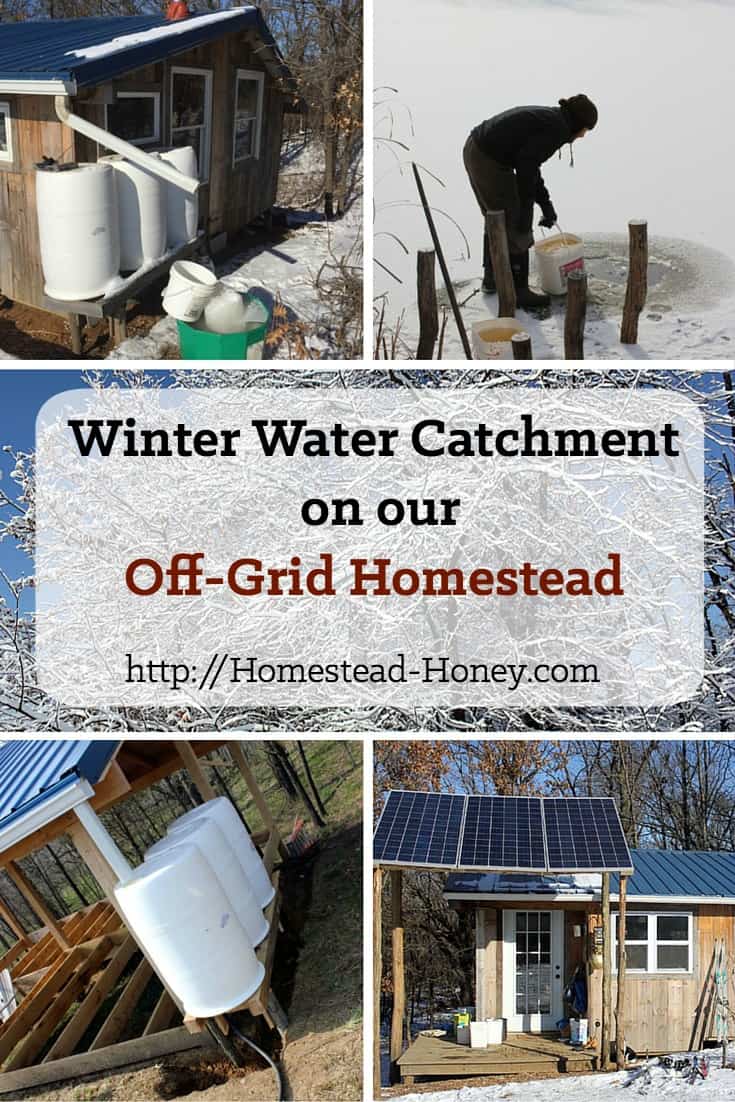

When winter arrives and temperatures plummet, homesteaders without municipal water face a critical challenge: keeping water accessible when pipes freeze and natural sources freeze solid. Unlike summer when a simple rain barrel works fine, winter demands intentional planning, proper storage containers, and strategies to prevent freezing at critical points. Whether you’re collecting snowmelt, maintaining a spring system, or relying on well water, understanding how to store and protect your water supply through the coldest months is essential for both survival and sanitation.
How to Set Up Off-Grid Winter Water Systems
A reliable off-grid winter water system combines storage capacity, freeze protection, and multiple backup sources. Here’s how to build a resilient setup that delivers water reliably even during extended cold snaps.
What You Will Need
- Large storage tanks (100-500+ gallons) made from freeze-resistant materials or heavily insulated
- Insulation materials such as straw, foam board, or commercial tank jackets
- Heat tape or low-wattage heating cables for pipes and tank exteriors
- Indoor storage containers for daily use water to prevent freezing near living spaces
- A gravity-fed distribution system or hand pump as backup to electric systems
Steps
Assess your water sources and quantity needs
Calculate daily water consumption for all household members and livestock, then determine which sources will supply winter water: well systems, springs, collected snow, or hauled water. Document flow rates and freeze points for each source. This baseline determines tank size and backup requirements.
Position primary storage tanks below the freeze line or heavily insulate above-ground tanks
Bury tanks at least 4-6 feet deep in areas where soil freezes, or construct insulated aboveground enclosures. If burying, ensure proper drainage around the tank. For aboveground storage, wrap tanks with commercial insulation jackets or build wooden frames filled with straw, leaving access points for maintenance.
Install heat protection on all exposed pipes
Wrap vulnerable pipes with heat tape rated for your climate zone, or use foam pipe insulation as a secondary layer. Focus on areas where water enters from cold sources and any pipe runs through unheated spaces. Plug heat tape into a thermostat-controlled outlet that activates only when temperatures approach freezing.
Create an interior water reserve in food-grade containers
Store 5-14 days of water inside your home in sealed, clearly labeled food-grade buckets or containers. This backup prevents the catastrophic scenario where exterior systems freeze completely. Rotate this reserve every 3-6 months to maintain freshness.
Set up a gravity-fed or hand-pump distribution system
Position at least one backup delivery method that doesn’t rely on electricity. A gravity-fed line from elevated storage or a reliable hand pump ensures water access during power outages. Test these systems monthly before winter arrives to confirm they function under cold conditions.
Insulate and protect your distribution point or spigot
Build or purchase an insulated box around outdoor water access points, or install them inside heated structures when possible. Leave the bottom open for drainage so standing water doesn’t freeze and damage the spigot. Add a drip valve that allows slow water movement to prevent line freezing.
Establish a snow and rain capture system for supplemental water
During snow events and winter rains, collect water into tarps or gutters leading to storage tanks. Melt snow outdoors using dark tanks or surfaces, or heat it indoors as a last resort. This reduces dependence on primary sources and extends your water reserves.
- Keep a log of water consumption and freezing events to refine your system year-over-year. Note which components freeze first and adjust insulation accordingly.
- Install multiple small tanks rather than one large tank to compartmentalize your water supply. If one tank or line freezes, you still have backup sources available.
- Test your entire system in early fall before temperatures drop. Run all backup systems, verify heat tape functionality, and identify weak points while conditions are mild.
What to Look For in Off-Grid Winter Water Equipment
- Material and freeze resistance: Tanks must be constructed from materials that won’t crack under ice pressure. Polyethylene tanks are durable, while metal tanks require rust protection. Avoid thin-walled plastic that becomes brittle in extreme cold.
- Insulation R-value and coverage: Higher R-values provide better protection but increase cost and complexity. For most climates, R-15 to R-30 insulation on tanks prevents freezing in temperatures above -20F. Calculate your specific climate needs before selecting materials.
- Capacity relative to daily needs: A good rule is to store 2-4 weeks of water for your household. One person typically needs 1 gallon daily for drinking and cooking, plus additional water for washing and livestock. Oversizing provides security but requires more insulation and space.
- Accessibility and maintenance requirements: Systems must allow for regular inspection, filter changes, and sediment removal without dismantling insulation. Choose tanks with accessible valves and covers. Consider how you’ll add water to reserves and draw it for daily use during winter operations.
Norwesco Vertical Water Storage Tank 250 Gallon
Best for: Homesteaders needing reliable primary storage for off-grid systems
This polyethylene tank offers excellent freeze resistance and durability in extreme cold climates. The vertical design fits easily in tight spaces, and the heavy-duty material won’t crack under ice pressure. Features a cleanout opening and multiple connection ports for plumbing integration. Suitable for burial or aboveground use with proper insulation. A popular choice for off-grid homesteads because it balances capacity, cost, and practical functionality.
Check Current Price on Amazon →Reliance Aqua-Tainer 7 Gallon Drinking Water Container
Best for: Quick backup storage and emergency reserves
Affordable food-grade polyethylene containers ideal for interior emergency water reserves. Stackable design maximizes storage in closets or basements. Includes a pour spout and handle for easy handling. Buy multiple containers to build your interior backup supply over time. At under $10 each, these containers let homesteaders establish redundancy without breaking the budget.
Check Current Price on Amazon →Thermwell Products Frost King Pipe Insulation Foam Wrap Kit
Best for: Budget-conscious freeze protection for exposed pipes
Closed-cell foam tubing provides essential freeze protection for pipes at a fraction of heat tape cost. Self-sealing foam expands slightly for tight fitting around pipe diameters. Easy installation with no tools required. Works well as a secondary layer over heat tape or as standalone protection in milder climates. Essential for winterizing water distribution systems without expensive electrical components.
Check Current Price on Amazon →Watts Water Technologies Lead-Free Outdoor Faucet
Best for: Freeze-resistant water access points on the exterior of homes
Frost-proof silcock design with anti-siphon features prevents backflow contamination and freeze damage. The internal valve mechanism sits deep within the home’s heated space, leaving only a minimal cold-exposed section. Durable brass construction resists corrosion from repeated freeze-thaw cycles. Install these at each exterior water access point for reliable year-round operation without complex insulation boxes.
Check Current Price on Amazon →Building Your Off-Grid Winter Water Resilience
Off-grid winter water reliability isn’t a single product or method—it’s a layered system combining adequate storage, freeze protection, and multiple backup sources. Start by assessing your climate, daily water needs, and available space. Invest first in proper storage tank sizing and insulation, then add heat protection to pipes and access points. Build interior emergency reserves that require no electricity, ensuring your family has water access even if the main system fails completely. Test everything before winter arrives so you discover problems while conditions are mild.
The products above represent the essential categories you’ll need: primary storage capacity, insulation and heat protection, reliable access points, and emergency backup containers. Your specific selection depends on your climate severity, budget, and homestead layout. Many successful off-grid homesteaders use a combination of several products from each category rather than relying on a single solution. Start building your system now, refine it through the winter based on real-world performance, and you’ll enter next winter confident that your water supply is secure.
Frequently Asked Questions
How much water should I store for winter?
Store at least 2-4 weeks of water supply in your primary tanks, plus 5-14 days of backup in interior containers. For a family of four, this means 200-400 gallons minimum. Account for livestock and sanitation needs, which significantly increase daily consumption. Oversizing reserves provides security during unexpected system failures.
Can I use snow as a winter water source?
Yes, but only as a supplemental source. Collect clean snow from roofs or dedicated areas away from animal activity, then melt it in dark outdoor tanks or indoors using low heat. Never rely solely on snow because adequate clean snow isn’t guaranteed during every winter event. Combine snow collection with stored reserves for maximum reliability.
At what temperature do I need heat protection?
Activate heat tape and monitor systems when temperatures approach 40F, as water begins freezing at 32F and vulnerable pipes freeze even faster. In climates colder than 10F regularly, run heat tape constantly from November through March. Thermostat-controlled heat tape only operates when needed, reducing electricity consumption.
What’s the best location for an outdoor water storage tank?
Bury tanks 4-6 feet deep in climates with hard freezes, or position them inside an insulated shed or structure. If above-ground storage is necessary, build an insulated box around the tank with ventilation holes and wrap the entire structure in foam insulation. Ensure gravity-fed water lines from the tank to your home also stay below the freeze line or are heavily insulated.
How do I prevent frozen water lines from damaging my system?
Install heat tape on all exposed pipes, wrap vulnerable sections with foam insulation, and ensure a slow drip flows through lines during extreme cold to keep water moving. For maximum protection, use insulated lines that run underground or through heated spaces. Test all systems in fall before temperatures drop to identify and fix weak points.
As an Amazon Associate, Build & Bloom earns from qualifying purchases. We only recommend products we genuinely think are useful. Prices and availability vary; check Amazon for the latest.
Leave a Reply