
Garden pests can devastate your vegetables overnight, but you don’t need toxic chemicals to win the battle. Whether you’re dealing with aphids, beetles, caterpillars, or mites, organic pest control methods are effective, safe for your family and soil, and often cost just pennies per application. This guide walks you through seven proven chemical-free strategies that experienced homesteaders use to keep their gardens thriving.
7 Organic Pest Control Methods for Your Garden
These methods work best when combined as part of an integrated approach. Start with prevention, add physical barriers, and use sprays only when infestations appear.
What You Will Need
- Spray bottle or garden sprayer for applying liquid solutions
- Row covers or lightweight fabric for physical pest barriers
- Neem oil concentrate or organic insecticidal soap concentrate
- Companion plants: marigolds, nasturtiums, and cilantro seeds
- Diatomaceous earth (food-grade) for dusting affected plants
Pest Control Steps
Use Companion Planting as Prevention
Plant aromatic herbs and flowers around vegetable beds to repel common pests naturally. Marigolds deter aphids and beetles, nasturtiums attract pests away from vegetables, and cilantro brings in beneficial insects. Space these companions within 12-18 inches of vulnerable crops like tomatoes, squash, and beans. This foundational layer works passively all season long.
Install Physical Barriers Early
Cover young seedlings and tender transplants with lightweight fabric row covers immediately after planting. Secure the edges with soil or garden stakes to prevent insects from crawling underneath. This creates a physical wall that stops beetles, moths, and other flying pests from reaching your plants. Remove covers once plants begin flowering to allow pollinator access.
Scout Plants Daily and Remove Pests by Hand
Walk through your garden every morning or evening, inspecting leaf undersides and stems where pests hide. Hand-pick larger insects like beetles and caterpillars directly into a bucket of soapy water. For smaller clusters of aphids, simply spray them off with a strong stream of water from your hose. This early detection prevents infestations from establishing.
Apply Neem Oil or Insecticidal Soap Spray
Mix concentrate with water according to package directions and spray thoroughly, coating both sides of leaves where pests feed and hide. Apply during early morning or late evening when beneficial insects are less active, and spray every 7-10 days if pests persist. These organic sprays disrupt insect feeding and reproduction without harming the soil ecosystem. Always shake the bottle well before each application.
Dust with Food-Grade Diatomaceous Earth
Sprinkle a thin layer of powder directly onto affected plants and surrounding soil, focusing on areas with visible pest activity. The powder damages insect exoskeletons on contact, causing dehydration. Reapply after rain or every 5-7 days during active pest pressure. Wear a dust mask and avoid inhalation, and never mix this product with liquid sprays.
Encourage Beneficial Insects to Stay
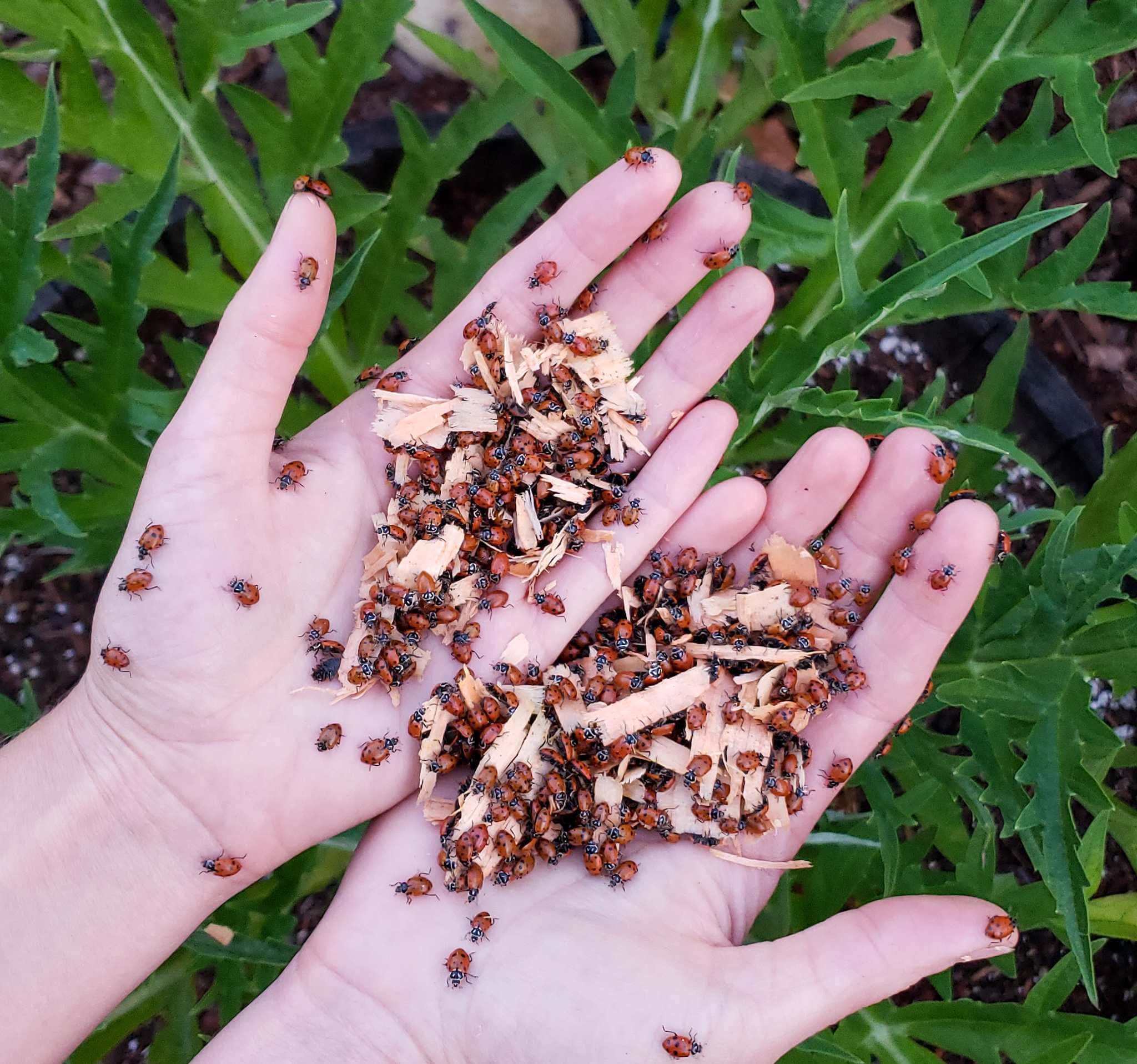
Plant pollen and nectar-rich flowers like alyssum, borage, and sunflowers nearby to attract ladybugs, lacewings, and parasitic wasps that hunt garden pests. Provide a shallow water source with pebbles so insects can drink safely. Leave some areas unmulched where ground-dwelling beneficial insects can nest. These natural predators will do much of the pest control work for you.
Maintain Healthy Soil and Plant Vigor
Water consistently at the soil level and avoid wetting foliage, which can promote fungal disease and stress plants. Strong, well-fed plants naturally resist pest damage better than stressed specimens. Add compost annually to build soil health, which supports both plant immunity and beneficial microorganisms. Healthy plants recover quickly even if pests do cause minor damage.
- Start pest prevention in early spring before problems appear–resistant varieties and companion planting are easier than treating infestations later
- Keep a simple garden notebook to track which pests appear when, so you can preempt them with row covers or sprays at the right time each year
- Always test any spray on a single leaf and wait 48 hours before full application to ensure your plants tolerate it without damage
What to Look For in Organic Garden Pest Control Products
- Spray Application Method: Choose between concentrate (more economical for large gardens) and ready-to-use bottles (convenient for small areas). Consider whether you prefer a hand sprayer, pump sprayer, or hose-end applicator based on your garden size and physical ability.
- Organic Certification: Look for products certified by OMRI (Organic Materials Review Institute) or listed as approved for organic gardening. These certifications ensure the product meets strict standards and contains no synthetic chemicals banned in organic growing.
- Pest Specificity: Some products target specific insects (aphids, caterpillars, beetles) while others are broad-spectrum. Knowing your primary pest problem helps you choose the most effective and least disruptive option for beneficial insects.
- Safety for Pollinators: Verify that the product is safe for bees when applied according to directions. Many organic sprays require evening application to avoid harming pollinators during the day. Always check label restrictions before using around flowering plants.
Trefis Garden Pump Sprayer 2 Gallon
Best for: Homesteaders with medium to large gardens who need reliable, reusable application
This durable two-gallon pump sprayer is the workhorse for applying organic pest control solutions across vegetable gardens. Built with a brass wand, adjustable nozzle, and sturdy plastic construction, it pressurizes with a few pump strokes and delivers consistent coverage to both upper and lower leaf surfaces. The 24-inch wand extends reach to tall plants without straining your arms. Essential for any serious gardener using homemade or commercial organic sprays.
Check Current Price on Amazon →Safer Brand Insecticidal Soap Concentrate
Best for: Gardeners on a tight budget seeking effective aphid and mite control
This OMRI-certified concentrate kills soft-bodied insects on contact through a potassium salt formula that disrupts their cell membranes. Mix one ounce per gallon of water and spray affected plants thoroughly, including leaf undersides. One bottle treats multiple applications across an entire season. Safe for vegetables up to harvest day when mixed properly. A staple in organic pest management for over 30 years.
Check Current Price on Amazon →Bonide Neem Oil Ready-to-Use
Best for: First-time organic gardeners who want simplicity without mixing concentrates
This ready-to-spray bottle eliminates mixing confusion and measuring. It contains cold-pressed neem oil that suffocates insect eggs and disrupts feeding patterns across mites, aphids, beetles, and caterpillars. Simply attach the spray nozzle and apply in early morning or evening. The 32-ounce bottle covers small home gardens for an entire season. Beginners appreciate the straightforward approach and visible results within 7-10 days.
Check Current Price on Amazon →Johnny’s Selected Seeds Lightweight Garden Row Cover
Best for: Gardeners committed to prevention-first approach and protecting early plantings
This ultra-lightweight polypropylene fabric (0.6 ounces per square yard) blocks insects while allowing 85% light and water penetration. Cover young plants immediately after transplanting to create an impenetrable physical barrier against beetles, moths, and aphids. The durable weave withstands an entire season and can be reused for years. Available in 6×25 and 10×25 sizes to fit most home vegetable beds. Industry-tested durability for serious growers.
Check Current Price on Amazon →Start Your Chemical-Free Garden This Season
Organic pest control is not about accepting damaged vegetables or abandoned gardens–it’s about working with natural systems to keep your plants healthy. By combining prevention through companion planting, physical barriers like row covers, and targeted sprays only when needed, you’ll achieve better results than harsh chemicals while building soil health that improves year after year. The methods in this guide have sustained homestead gardens for generations.
Start with one or two strategies that match your garden size and pest history. Most gardeners find that healthy soil, vigilant scouting, and early intervention prevent 80% of pest problems before they require any spray at all. Once you experience your first chemical-free harvest, you’ll never look back.
Frequently Asked Questions
How often should I apply organic pest control sprays?
Most organic sprays work best applied every 7-10 days during active pest season, or immediately after noticing pest damage. Always follow the label directions, as some products can be applied more frequently than others. Adjust frequency based on pest pressure–heavy infestations may require weekly applications until controlled.
Is it safe to spray vegetables right before eating them?
Check your product’s harvest interval (waiting period) on the label. Most organic sprays allow harvest within 0-7 days of application, but always wash vegetables thoroughly under running water before eating. When in doubt, apply sprays in the evening so you harvest the next morning or later.
Can I mix different organic pest control products together?
No–mixing different sprays can create unpredictable reactions and reduce effectiveness. Neem oil and insecticidal soap, for example, should never be combined. Use them separately on different days, rotating products to prevent pest resistance.
Will organic pest control harm beneficial insects like bees?
Most organic sprays are relatively safe for bees when applied correctly. Always spray in early morning or late evening when pollinators are inactive, and avoid spraying flowering plants during bloom time. Read the label for specific pollinator warnings before application.
How long does it take to see results from organic pest control?
Physical removal and row covers work immediately. Neem oil and insecticidal soap typically show results within 3-7 days as pests stop feeding and die. Diatomaceous earth works on contact but may take 2-3 days for full effect. Patience and repeated applications are key to success.
As an Amazon Associate, Build & Bloom earns from qualifying purchases. We only recommend products we genuinely think are useful. Prices and availability vary; check Amazon for the latest.
Leave a Reply