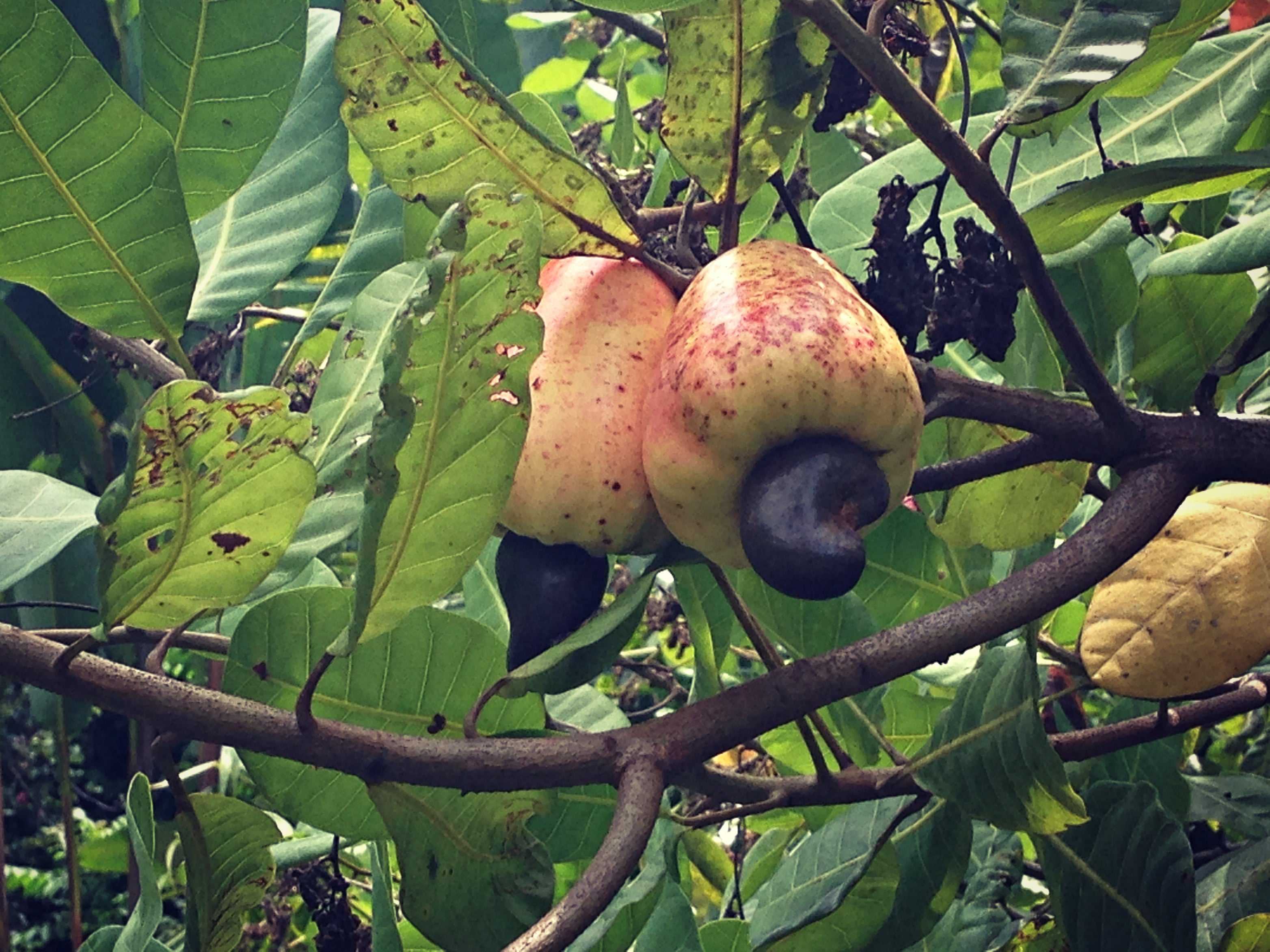

If you’re dreaming of stepping outside to harvest fresh food year-round without constant maintenance, a permaculture food forest might be your answer. Unlike traditional gardens that demand seasonal tilling and replanting, a food forest works with nature’s patterns to create a permanent, multi-story edible landscape that becomes more productive over time. Whether you’re off-grid or simply want to reduce your dependence on grocery stores, understanding the core design principles will help you create a thriving system tailored to your climate and goals.
The 7 Core Principles of Food Forest Design
A food forest succeeds when you understand how it mimics natural forest ecosystems. These principles guide every decision from plant selection to spacing.
Key Concepts
- Canopy layer awareness – tall trees (30-50 feet) that form the forest roof
- Understory layer – medium trees and shrubs (15-30 feet) creating the middle story
- Herb and shrub layer – productive plants (3-15 feet) bearing fruits, nuts, and berries
- Groundcover and root layer – nitrogen fixers and perennial vegetables on the forest floor
- Site assessment tools – soil testing kit, light mapping, water drainage observation
- Native species knowledge – plants adapted to your specific climate zone and rainfall patterns
Design Principles
Assess Your Site’s Microclimates
Spend at least one full seasonal cycle observing your land. Note where water pools during rain, where sun hits longest, where wind channels through, and which areas stay moist or dry. Mark these zones on a map. Your food forest will thrive when you place moisture-loving plants in low-lying areas and drought-tolerant species on slopes. Understanding these patterns prevents plant failure and reduces future watering needs.
Test Your Soil and Build Foundation
Conduct a soil test to determine pH, nutrient levels, and drainage capacity. Most food forests perform best in slightly acidic soil with good organic matter. Amend compacted areas with compost before planting. If your soil drains poorly, consider building raised beds or swales to manage water. A strong soil foundation means your plants establish quickly and need fewer inputs.
Select Your Canopy Layer Species
Choose 2-4 tall tree species native or well-adapted to your region that provide multiple benefits: nitrogen fixation, pest management, or harvestable fruit and nuts. Space these 30-50 feet apart, as they’re your long-term investment. Examples include nitrogen-fixing legumes like acacias in warm climates or walnuts in temperate zones. These mature trees create shade and habitat that make the entire system viable.
Plant the Understory Layer Within 3-5 Years
Once canopy trees are established, add understory species that benefit from dappled shade. Include fruit and nut trees (15-30 feet tall), along with dynamic accumulators that bring deep nutrients to shallow-rooted plants. Space these 15-20 feet apart. This layer fills in gaps while you wait for canopy maturity, providing early harvests that build momentum.
Establish Productive Shrub and Herb Zones
Fill the 3-15 foot zone with berry bushes, fruit shrubs, and perennial herbs. These are your workhorse plants – they produce food within 2-3 years and require minimal care once established. Include nitrogen-fixing shrubs like pigeon pea to improve soil. Space them 6-10 feet apart and arrange taller varieties on the north side to avoid shading shorter plants.
Design Your Groundcover Strategy
The forest floor should never be bare soil. Plant perennial vegetables, deep-rooted accumulator plants, and nitrogen fixers that suppress weeds and improve soil. Examples include comfrey, chicory, and perennial kale. These plants create a living mulch that protects soil, retains moisture, and enriches the ecosystem. They also provide chop-and-drop material for composting.
Create Edge and Connection Zones
The most productive forests have varied edges – transitions between different zones where sunlight and nutrients create abundance. Plant guilds (groups of complementary plants) around your canopy trees. A classic guild pairs a nitrogen-fixing tree with a deep-rooted accumulator and surface-rooting vegetables. These relationships reduce pests, maximize nutrient cycling, and create resilience.
- Start small with 1-2 canopy trees and one guild rather than planting your entire vision at once. This lets you observe how water flows, where shade lands, and what grows well before making larger commitments.
- Visit established food forests in your region to see which species perform best. Your local permaculture guild or native plant society can connect you with examples that work in your exact climate.
- Plan for 3-5 years of establishment before your forest reaches peak productivity. Year one focuses on root development, years two and three bring early harvests, and years four-five see exponential abundance. Patience compounds into long-term food security.
What to Look For in Food Forest Planning Tools
- Site Assessment Equipment: A quality soil test kit and pH meter help you understand your foundation. Accurate data prevents wasted plants and ensures species selection matches your actual conditions, not assumptions.
- Plant Reference Materials: Regional guides specific to your climate zone are invaluable. Generic gardening books often miss native species and locally-adapted varieties that perform best in your food forest.
- Design and Layout Tools: Measuring tape, graph paper, and stakes help translate your vision to the actual landscape. Accurate spacing prevents overcrowding and ensures each plant gets the light and resources it needs.
- Soil Preparation Supplies: Quality compost, mulch, and amendment materials give new plantings the best start. Cheap or contaminated materials can introduce weeds and pathogens that damage your long-term system.
Soil Savvy Soil Test Kit
Best for: Homesteaders starting food forests
Soil Savvy delivers accurate nutrient analysis directly to your phone through their laboratory testing service. Mail in soil samples from different zones of your land and receive detailed pH, nutrient, and organic matter data within two weeks. This foundational information guides all your plant selection and amendment decisions. Worth the investment to prevent costly mistakes on a multi-decade food forest project.
Check Current Price on Amazon →Dr. Meter S30 Soil pH Meter
Best for: Quick field assessment
This affordable analog pH meter gives immediate soil acidity readings without waiting for laboratory results. Use it to spot-check different areas of your property, identify variations in microclimates, and adjust planting zones accordingly. Not as detailed as a full test but essential for the ongoing adjustments as your food forest matures.
Check Current Price on Amazon →Permaculture: A Designers’ Manual by Bill Mollison
Best for: Learning permaculture principles
The foundational text that explains permaculture design from first principles. While dense, this book teaches you to think like a food forest designer rather than just follow recipes. Understand stacking functions, guild relationships, and how to work with your land’s existing patterns. Essential knowledge for making confident decisions in your specific climate.
Check Current Price on Amazon →Sepp Holzer’s Permaculture by Sepp Holzer
Best for: Climate-specific food forest design
Austrian farmer Sepp Holzer shares real examples of food forests and guilds working in cool temperate climates. His practical approach balances ideology with on-the-ground results, showing which species perform reliably and which partnerships actually function. This book bridges theory and practice in ways generic guides cannot.
Check Current Price on Amazon →Start Your Food Forest Today
A food forest represents a fundamentally different relationship with your land – one where you work with natural patterns instead of against them. The initial design and planning phase takes months, and establishment takes years, but you’re building a system that feeds you with minimal ongoing effort for decades. Begin by assessing your actual site conditions, not imagined ones. Understanding your soil, water, and light patterns is the foundation that determines whether your food forest thrives or merely survives.
The beauty of permaculture food forest design is that it rewards patience and observation. Each year your system becomes more resilient, more productive, and more beautiful. You’re not just planting trees and shrubs; you’re establishing a living ecosystem that supports wildlife, builds soil, and provides abundance. Whether your goal is complete off-grid self-sufficiency or simply reducing grocery bills while creating a beautiful landscape, food forest principles give you the framework to succeed in your specific climate and conditions.
Frequently Asked Questions
How long before my food forest produces significant food?
Year one focuses on establishment with minimal harvest. Years two and three bring increasing production from berry bushes and perennial vegetables. Years four and five see exponential increases as shrub and understory layers mature. Canopy trees take 7-10 years for substantial production, but their long-term output justifies the wait.
What’s the difference between a food forest and a food garden?
A food garden requires annual replanting and seasonal labor inputs. A food forest establishes once and becomes more productive over time while requiring less work. Gardens work against natural patterns; forests work with them, creating a self-sustaining ecosystem.
Can I create a food forest in a small space?
Yes. Even a quarter-acre can produce substantial food with proper design. Use dwarf or semi-dwarf varieties, reduce canopy spacing, and maximize vertical zones. The principles remain identical; only the scale changes.
Which plants should I start with first?
Plant canopy trees first, then wait 1-2 years before adding understory. This sequence prevents competition and lets you observe how shade and water move before planting shade-dependent species. Planting everything at once creates failure as young plants fight for light.
Do food forests work in cold climates?
Absolutely. Food forests succeed in zones 2-10 with species selection adjusted for your climate. Cold-climate forests emphasize hardy nuts like chestnuts, cold-tolerant berries, and perennial vegetables that survive winter dormancy.
As an Amazon Associate, Build & Bloom earns from qualifying purchases. We only recommend products we genuinely think are useful. Prices and availability vary; check Amazon for the latest.
Leave a Reply