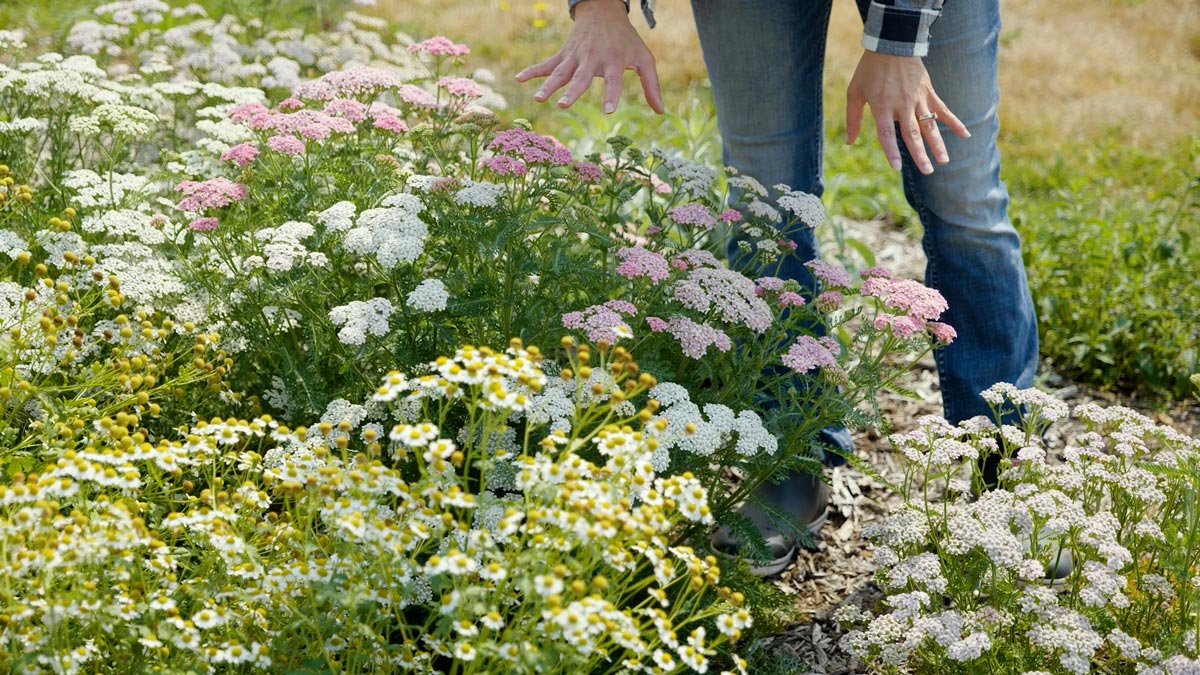

Growing your own medicinal herbs transforms your homestead into a natural wellness resource, but many beginners feel overwhelmed deciding where to start, what to plant, and how to set up their space. The good news: medicinal herb gardening is remarkably forgiving once you understand the essentials. This guide walks you through planning a functional medicinal garden that fits your climate, space, and health goals—no experience required.
How to Plan and Plant Your Medicinal Herb Garden
Creating a medicinal herb garden requires thoughtful planning before you dig the first hole. By assessing your space, choosing appropriate herbs, and preparing your growing area, you’ll set yourself up for thriving plants and reliable harvests.
What You Will Need
- Garden soil or potting mix high in organic matter
- Raised beds or containers (at least 12 inches deep for most herbs)
- A sunny location with 6+ hours of direct sunlight daily
- Basic hand tools: spade, cultivator, and pruning shears
- Watering can or drip irrigation system
- Mulch for moisture retention and weed suppression
Steps
Assess your available space and sunlight
Walk your property at different times of day and note areas receiving at least 6 hours of direct sun. Most medicinal herbs thrive in full sun conditions. Consider proximity to your kitchen for easy access during cooking and preparation. Mark potential garden locations on a simple sketch of your property, noting any shade from trees or structures that changes seasonally.
Choose 5-7 foundational medicinal herbs for your climate
Select herbs suited to your USDA hardiness zone. Beginners should start with resilient perennials like peppermint, chamomile, echinacea, and sage, plus annuals like basil and calendula. Research which herbs address your family’s health priorities—whether that’s digestive support, immune boost, or relaxation. Write your selections on paper with their mature size, water needs, and harvest timing.
Create a garden layout plan on paper
Sketch your garden space to scale, marking sun exposure patterns. Position taller herbs toward the north so they don’t shade shorter plants. Group herbs by water needs: thirsty herbs like peppermint together, drought-tolerant herbs like sage in another zone. Allow 12-18 inches between plants for air circulation. Include pathways for walking and harvesting without trampling plants.
Prepare your soil or growing medium
Test your existing soil with a simple pH kit if planting in-ground; most medicinal herbs prefer slightly acidic to neutral soil (pH 6.0-7.0). Amend with compost to improve drainage and organic content. If building raised beds or containers, fill with a quality mix of garden soil and compost. Ensure whatever medium you use drains well—medicinal herbs rot in soggy conditions.
Build raised beds or arrange containers according to your plan
Construct or position your growing structures along the layout you sketched. Raised beds should be at least 12 inches deep; 18 inches accommodates deeper-rooted perennials better. Arrange containers so you can reach plants easily and water them consistently. Leave space between beds or containers for movement and harvesting access.
Establish a watering and maintenance schedule before planting
Determine your irrigation method: hand-watering, soaker hoses, or drip systems all work for medicinal gardens. Most herbs prefer drying slightly between waterings rather than constant moisture. Create a simple written schedule noting which herbs need water on which days. Plan for mulching around plants to reduce watering frequency and suppress weeds.
Plant your herbs and apply mulch
Transplant seedlings or seeds according to their spacing requirements from your plan. Water gently after planting. Apply 2-3 inches of mulch around each herb, keeping it 2 inches away from stems to prevent rot. Label each planting location so you remember what’s where—medicinal herbs look similar before flowering.
Document your garden with photos and notes for future seasons
Take photos of your new garden from a fixed spot. Note planting dates, soil conditions, weather patterns, and which herbs thrived or struggled. Record when plants flowered and when you harvested. This journal becomes invaluable for refining your plan next year and troubleshooting problems.
- Start small with 5-7 herbs rather than overextending yourself; it’s easier to add plants than rescue a neglected garden.
- Group herbs by water needs to avoid over-watering drought-tolerant varieties like sage and thyme.
- Harvest regularly once plants are established to encourage bushier growth and prevent flowering too early for leaf-based herbs.
What to Look For in Medicinal Herb Garden Supplies
- Raised bed material and construction: Choose untreated wood, composite, or galvanized metal to avoid chemical leaching into your medicinal plants. Cedar and composite materials last longer than pine. Ensure your beds are at least 12-18 inches deep to accommodate herb root systems and provide good drainage.
- Soil quality and organic matter content: Select potting mix or garden soil with at least 30-40% compost or aged organic material. Avoid heavy clay soils; medicinal herbs need well-draining medium to prevent root rot. Test pH if possible, aiming for 6.0-7.0 for most medicinal species.
- Watering system reliability: Drip irrigation or soaker hoses deliver water directly to roots with less waste than overhead sprinklers. Look for timers that work with your system so you can maintain consistent moisture without daily attention. Hand-watering works fine for small gardens if you’re committed to daily checks.
- Tool ergonomics and durability: Invest in hand tools with comfortable grips and quality construction to reduce hand fatigue during digging and harvesting. Stainless steel resists rust; forged tools handle rocky soil better than cast iron. Your primary spade should feel balanced and match your height and strength.
Raised Garden Bed Kit 4x8x12 (untreated cedar or composite)
Best for: Gardeners wanting a contained, drain-friendly space for medicinal herbs
A pre-constructed or easy-assembly raised bed provides the ideal shallow-to-medium depth for medicinal herbs while keeping roots separated from potentially contaminated ground soil. Cedar naturally resists rot without chemicals, and the 4×8 footprint accommodates 5-7 different herb varieties with proper spacing. Raised beds warm faster in spring, extend your growing season, and make harvesting and maintenance ergonomic for all ages and abilities.
Check Current Price on Amazon →Miracle-Gro Raised Bed Soil Mix (40 quart bag)
Best for: First-time gardeners filling raised beds or containers
A pre-formulated blend of garden soil, compost, and coco coir designed to drain well while retaining adequate moisture for herbs. The balanced nutrient profile supports healthy growth without requiring amendments for most medicinal herb varieties. Individual bags are manageable in size for hand-carrying, making it practical for small to medium gardens. The coco coir component improves soil structure and reduces compaction over multiple seasons.
Check Current Price on Amazon →Corona Stainless Steel Spade with Fiberglass Handle
Best for: Budget-conscious gardeners needing reliable soil preparation tools
A lightweight, affordable stainless steel spade that resists rust and handles digging, turning soil, and edging raised beds without requiring major investment. The fiberglass handle is durable and won’t splinter like wood, and the tool is light enough for extended use without excessive fatigue. Corona tools are recognized for balancing durability with affordability, making this ideal for establishing your first garden without overspending.
Check Current Price on Amazon →Drip Irrigation Kit 100 feet (timer-compatible soaker hose)
Best for: Gardeners wanting consistent watering without daily hand-watering
A complete drip system with soaker hose, connectors, and stakes delivers water directly to herb roots with minimal evaporation. The 100-foot length covers a substantial garden area; you can customize branch lines for different herb zones. Timer compatibility allows hands-free watering while you’re away or busy, reducing plant stress from inconsistent moisture. Drip irrigation is especially valuable for thirsty herbs like peppermint, preventing both underwatering and overwatering mistakes.
Check Current Price on Amazon →Start Your Medicinal Herb Garden This Season
Planning a medicinal herb garden is an investment in your family’s wellness and food security. By following these steps—assessing your space, choosing appropriate herbs, preparing soil properly, and establishing consistent care routines—you create a thriving, productive garden that requires minimal maintenance once established. The key is thinking through your layout before planting, grouping herbs by water needs, and starting with 5-7 forgiving varieties that match your climate.
Your medicinal garden will improve each year as you observe what thrives in your specific conditions, refine your harvesting techniques, and expand to additional herbs. Whether you’re growing chamomile for evening tea, echinacea to support immunity, or sage for culinary and wellness purposes, you’re building agricultural resilience into your homestead. Begin with the planning phase outlined here, invest in quality tools and soil, and trust that consistent care will reward you with abundant, potent medicinal plants for years to come.
Frequently Asked Questions
How much sun do medicinal herbs actually need?
Most medicinal herbs thrive with 6-8 hours of direct sunlight daily. Peppermint and lemon balm tolerate 4-6 hours of partial shade, but chamomile, echinacea, sage, and basil perform best in full sun. West-facing exposure (afternoon sun) is preferable to east-facing in very hot climates where it helps prevent wilting.
Can I grow medicinal herbs in containers instead of raised beds?
Absolutely. Containers work excellently for medicinal herbs—use pots at least 12 inches deep with drainage holes. This method is ideal for renters, small spaces, and moving herbs closer to your kitchen. Container gardening requires more frequent watering than in-ground beds, but offers flexibility and easier pest management.
What’s the best time to plant a medicinal herb garden?
Spring (after your last frost date) is ideal for most regions, allowing herbs the full growing season. Fall planting works for perennial herbs in mild climates. Avoid planting during extreme heat or cold. Starting seeds indoors 6-8 weeks before your frost date gives a head start on transplants.
How do I know which medicinal herbs are safe to harvest and use?
Start with well-researched, common herbs like chamomile, peppermint, and sage that have established safety profiles. Use reputable sources like herbalism textbooks or certified herbalist websites. Never harvest wild plants without expert identification. When in doubt about medicinal uses, consult a healthcare provider or certified herbalist—growing herbs is one thing; using them medicinally requires knowledge beyond gardening.
Do medicinal herbs need fertilizer if I use good soil?
Not usually. Quality soil rich in compost provides sufficient nutrients for most medicinal herbs, which prefer lean conditions to rich fertilization. Over-feeding encourages excessive foliage at the expense of medicinal compound concentration. A thin compost layer as mulch each spring is typically sufficient; avoid synthetic fertilizers that can concentrate in herbs you’ll consume.
As an Amazon Associate, Build & Bloom earns from qualifying purchases. We only recommend products we genuinely think are useful. Prices and availability vary; check Amazon for the latest.
Leave a Reply