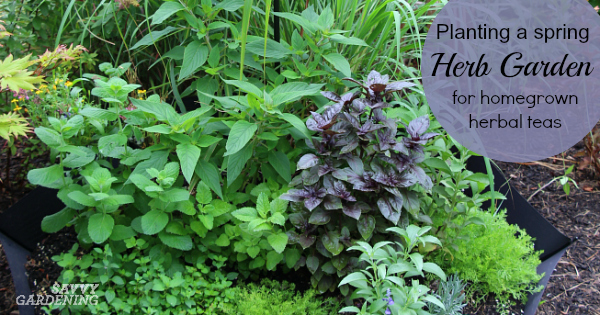

Growing your own herbal tea garden transforms a small patch of soil or a few containers into a year-round source of fresh, chemical-free tea blends. Instead of buying expensive packaged teas, you’ll harvest fragrant leaves from plants you’ve nurtured yourself, saving money while enjoying superior flavor and quality.
How to Start Your Herbal Tea Garden
Creating a thriving tea garden requires careful plant selection, proper soil preparation, and consistent care. Follow these steps to establish a productive herbal tea garden that will reward you with fresh harvests.
What You Will Need
- Herb seeds or seedlings (chamomile, peppermint, lemon balm, lavender, or echinacea)
- Containers or garden bed space with good drainage
- Quality potting soil or garden soil enriched with compost
- Watering can or drip irrigation system
- Full sun location (6-8 hours daily minimum)
- Basic pruning shears or scissors for harvesting
Steps
Select Your Tea Herb Varieties
Choose herbs that thrive in your climate zone and suit your tea preferences. Beginner-friendly options include chamomile for calming blends, peppermint for digestive teas, lemon balm for uplifting flavors, and lavender for floral notes. Start with 4-6 different varieties to create diverse flavor combinations and ensure continuous harvests throughout the season.
Prepare Your Growing Space
Select a location receiving at least 6-8 hours of direct sunlight daily, as most tea herbs require strong light for optimal growth. If using containers, choose pots at least 6-8 inches deep with drainage holes to prevent waterlogging. If planting in garden beds, space plants 12-18 inches apart to allow air circulation.
Amend Your Soil Properly
Fill containers or beds with high-quality soil mixed with organic compost at a 2:1 ratio. Tea herbs prefer well-draining soil with a pH between 6.0-7.0. If your garden soil is heavy clay, add sand and compost to improve drainage, which prevents root rot and disease in these water-sensitive plants.
Plant Seeds or Transplants
If starting from seeds, plant them indoors 6-8 weeks before your last frost date, following packet instructions for depth and spacing. Alternatively, purchase seedlings from a nursery for faster results. Transplant hardened-off seedlings to your garden after all frost danger has passed, gently firming soil around each plant.
Establish a Watering Schedule
Water deeply and consistently, keeping soil moist but not waterlogged. Check soil moisture daily during establishment; most tea herbs need water when the top inch feels dry. Once established (after 3-4 weeks), reduce frequency but water more thoroughly, encouraging deep root development that strengthens plants.
Pinch Back Young Growth
When seedlings develop 2-3 sets of true leaves, pinch off the top growth to encourage bushier, fuller plants. This simple step increases leaf production and creates a more compact plant structure, resulting in more harvestable material throughout the growing season.
Begin Harvesting After Establishment
Wait 6-8 weeks before harvesting to allow plants to establish strong root systems. Pinch or cut leaves from the top of stems, removing no more than one-third of the plant at a time. Morning harvest after dew dries yields the best flavor and potency.
Dry and Store Your Herbs
Tie harvested stems in bundles and hang them upside down in a warm, dark, well-ventilated space for 1-2 weeks until completely dry. Store dried herbs in airtight containers away from light and heat. Properly dried tea herbs maintain flavor and medicinal properties for 6-12 months.
- Deadhead flowers before they fully bloom to redirect energy into leaf production, maximizing your tea harvest
- Companion plant mint varieties together but away from other herbs, as mint spreads aggressively and can overtake neighboring plants
- Label each container or garden section clearly so you remember which herbs you planted, especially important when growing multiple similar-looking varieties
What to Look For in Herbal Tea Garden Supplies
- Seed Quality and Germination Rate: Choose seeds from reputable suppliers with high germination rates. Look for recent harvest dates on seed packets and organic or heirloom varieties known for superior flavor. Quality seeds reduce waste and ensure healthy plants.
- Container Drainage and Material: Select containers with multiple drainage holes to prevent waterlogging and root disease. Terracotta breathes well but dries quickly; plastic retains moisture longer. Choose size based on mature plant height, typically 6-12 inches deep for most tea herbs.
- Soil Composition and Nutrient Content: Use potting soil specifically formulated for containers or garden soil enriched with compost. Avoid garden soil alone in containers, as it compacts and restricts drainage. Good soil should contain organic matter and beneficial microorganisms.
- Water Delivery System Consistency: Whether using a watering can or drip system, ensure you can deliver water consistently without splashing foliage. Drip irrigation maintains even moisture and reduces fungal disease risk on leaves used for tea.
Burpee Organic Herb Seed Collection
Best for: Beginners starting a complete tea garden
This curated 6-pack seed collection includes chamomile, peppermint, lemon balm, lavender, and other tea-friendly herbs. Each packet contains organic, non-GMO seeds with high germination rates. The set comes with planting instructions and is perfectly sized for a beginner establishing their first herbal tea garden without overwhelming choices.
Check Current Price on Amazon →Jiffy Seed Starting Kit with Peat Pellets
Best for: Starting seeds indoors before transplanting
This complete seed-starting system includes compressed peat pellets, a tray, humidity dome, and detailed instructions. The pellets expand with water to create perfect germination medium. Ideal for indoor seed starting 6-8 weeks before your growing season, giving seedlings a strong head start before garden transplanting.
Check Current Price on Amazon →Mainstays Terracotta Pot Set
Best for: Container tea gardens on a budget
Affordable set of 5-6 terracotta pots in graduated sizes (6-10 inches) with drainage holes. Terracotta naturally breathes and regulates moisture, ideal for tea herbs. The neutral color complements any garden aesthetic while providing excellent drainage for healthy herb growth.
Check Current Price on Amazon →Miracle-Gro Indoor Potting Mix
Best for: Container and raised bed soil preparation
Lightweight potting mix designed for containers with perlite for drainage and coconut coir for moisture retention. This 6-quart bag mixes well with compost (2:1 ratio) to create ideal growing medium for tea herbs. Consistent results and widely available at competitive prices.
Check Current Price on Amazon →Start Your Herbal Tea Garden Today
Growing your own herbal tea garden is an achievable project that delivers rewards for months. By selecting quality seeds, preparing proper soil, and following consistent care practices, you’ll create a sustainable source of delicious, fresh tea blends. Start small with 4-6 herb varieties, master the basics, then expand as your confidence grows. Within weeks of planting, you’ll harvest aromatic leaves that taste infinitely better than commercial alternatives.
The investment in containers, soil, and seeds pays dividends through an entire growing season and beyond. Fresh tea herbs reduce your monthly grocery spending while providing the satisfaction of sipping beverages you grew with your own hands. Whether you garden in containers on a balcony or in a sprawling backyard bed, an herbal tea garden adapts to your space. Start planning today, and by next month you’ll be enjoying the first harvests of your homegrown tea garden.
Frequently Asked Questions
When is the best time to plant an herbal tea garden?
Spring is ideal, timing planting so seedlings establish before peak summer heat. Start seeds indoors 6-8 weeks before your last frost date. In mild climates, fall planting also works well, allowing herbs to establish through cooler months. Always check your USDA hardiness zone for specific timing.
Can I grow tea herbs indoors year-round?
Yes, with adequate lighting. Use grow lights providing 14-16 hours daily to supplement natural light. Indoor containers need excellent drainage and lower watering frequency than outdoor plants. Many gardeners grow tea herbs indoors during winter and transition them outside in spring.
How long does it take to harvest tea herbs after planting?
Most tea herbs are ready for light harvesting 6-8 weeks after planting. Pinch small amounts initially, gradually increasing harvest size as plants mature. Full harvests typically occur 3-4 months after planting, with production continuing throughout the growing season.
What’s the difference between using fresh and dried tea herbs?
Fresh herbs offer brighter flavor but require more leaf volume per cup. Dried herbs concentrate flavor, requiring less material per serving and storing longer (6-12 months). Many gardeners use fresh herbs in summer and switch to dried winter batches.
Do tea herbs need fertilizer?
Container herbs benefit from light feeding every 4-6 weeks with balanced, diluted liquid fertilizer. Garden-bed herbs typically need fertilizer only once at planting if soil was amended with compost. Avoid over-fertilizing, which increases vegetative growth while reducing flavor intensity.
As an Amazon Associate, Build & Bloom earns from qualifying purchases. We only recommend products we genuinely think are useful. Prices and availability vary; check Amazon for the latest.
Leave a Reply