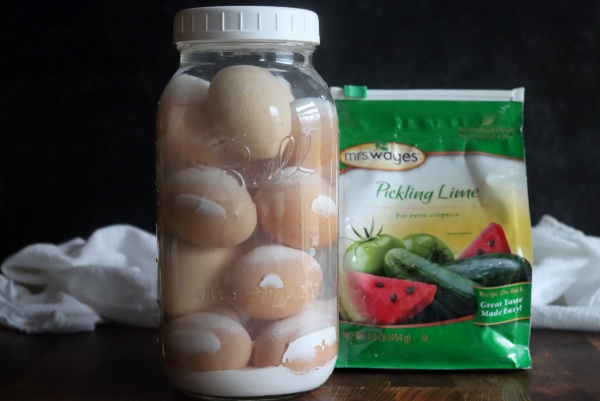

Homesteaders and off-grid living enthusiasts know that fresh eggs are precious–but what happens when your flock produces more than you can eat, and you don’t have reliable refrigeration? Whether you’re building food security for emergencies, living off-grid, or simply want to extend your harvest season, preserving eggs in lime water is a time-tested solution that requires minimal equipment and no electricity. In just a few minutes of preparation, you can store a month’s worth of eggs and enjoy them for over a year.
How to Preserve Eggs in Lime Water
The lime water method works by creating an alkaline environment that seals the egg’s porous shell and prevents bacterial growth. This ancient preservation technique is simple, affordable, and requires only a few basic materials.
What You Will Need
- Food-grade calcium hydroxide (hydrated lime) – approximately 1 ounce per quart of water
- Clean glass jars or food-grade plastic containers with tight-fitting lids
- Filtered or dechlorinated water – tap water can be left standing 24 hours to allow chlorine to evaporate
- A spoon or stick for stirring
- Clean, unwashed eggs at room temperature – do not use cracked or dirty eggs
- Labels and a marker for dating your containers
Steps
Mix Your Lime Water Solution
In a clean container, combine one part food-grade lime with ten parts water. Stir thoroughly for several minutes until the lime is fully dissolved and the mixture becomes clear. The solution should have a slightly milky appearance initially but will clarify as it sits. Allow the mixture to settle for 24 hours before use to ensure all particles have dropped to the bottom.
Prepare Your Storage Containers
Select glass jars or food-grade plastic containers that are tall enough to hold eggs covered by at least two inches of lime water solution. Wash containers thoroughly with hot water and allow them to dry completely. Ensure lids seal tightly to prevent evaporation and contamination. One-gallon jars work well for storing 12-15 eggs.
Inspect and Sort Your Eggs
Examine each egg carefully for cracks, chips, or thin spots. Do not wash the eggs–the natural bloom (protective coating) helps preserve them. Remove any visible dirt with a dry cloth or soft brush. Never use eggs that have been refrigerated before, as temperature fluctuations compromise the preservation process. Room-temperature, freshly laid eggs work best.
Layer Eggs Into the Solution
Carefully place eggs into your prepared lime water solution, allowing them to settle on the bottom. Gently layer additional eggs, ensuring each egg is completely submerged and surrounded by lime water. Leave at least two inches of solution above the top layer. Work slowly to avoid cracking eggs against the container sides.
Seal and Store Properly
Secure the container with a tight-fitting lid and label it with the date started. Store in a cool, dark location away from direct sunlight–a basement, root cellar, or dark closet works well. The ideal temperature range is 50-70 degrees Fahrenheit. Avoid warm areas, as heat will reduce storage longevity.
Check and Maintain Monthly
Once monthly, inspect your containers for any signs of mold, cloudiness, or unusual odors. The lime water may become slightly cloudy over time, which is normal. If you notice sediment building up on the bottom, you can carefully pour off the top portion of clear solution into a fresh container and re-submerge eggs. Top off solution levels if evaporation has occurred.
Remove and Use When Needed
When you want to use an egg, carefully remove it from the lime solution and rinse thoroughly under running water. Rub gently to remove any white residue from the shell. The egg can be used immediately for cooking. Once removed from lime water, the egg should be used within 7-10 days if not refrigerated, or within 2-3 weeks if refrigerated after rinsing.
- Start with a small batch of 6-12 eggs to test your technique before committing to larger quantities. This lets you verify your solution strength and storage conditions.
- Use recycled glass jars from pickles, pasta sauce, or canning supplies to reduce costs. Food-grade plastic buckets with lids also work and are easier to manage for large batches.
- Keep a notebook documenting when eggs were stored, how many per container, and when you use them. This data helps you refine the process and ensures eggs are used within the 12-month window for best quality.
What to Look For in Egg Preservation Supplies
- Food-Grade Calcium Hydroxide Quality: Ensure your lime is explicitly labeled food-grade and free from additives or contaminants. Agricultural or construction lime contains harmful substances and should never be used for food preservation. Purchase from homesteading suppliers or reputable online retailers.
- Container Size and Material: Glass or food-grade plastic containers with airtight seals work best. One-gallon and two-gallon sizes are most practical for homestead use. Avoid metal containers, which can react with the alkaline lime solution.
- Water Quality: Use filtered, dechlorinated, or distilled water when possible. Chlorine and some minerals can interfere with the lime solution’s effectiveness. Well water or collected rainwater works well if your water quality is good.
- Storage Environment Stability: Select a storage location with consistent temperatures between 50-70 degrees Fahrenheit and minimal light exposure. Root cellars, basements, and dark closets are ideal. Avoid areas near furnaces, water heaters, or windows.
Calcium Hydroxide Food Grade Powder by Homesteaders Essentials
Best for: Serious homesteaders preserving large egg quantities
This certified food-grade calcium hydroxide is specifically formulated for egg preservation and pickling applications. It comes in a resealable pouch containing enough lime to treat hundreds of eggs. The powder dissolves quickly and creates a reliable, consistent solution. Users report successful 12+ month storage with minimal cloudiness or issues. This is the most trusted option among off-grid and homesteading communities.
Check Current Price on Amazon →Pickling Lime by Ace Chemicals
Best for: Budget-conscious homesteaders wanting to test the method
A traditional pickling lime that has been used for food preservation for decades. This affordable option provides reliable results at a fraction of premium prices. While it may take slightly longer to fully dissolve, it creates an effective preservation solution. Perfect for those new to lime water egg preservation who want to experiment before investing more heavily in supplies.
Check Current Price on Amazon →Homesteader’s One Gallon Glass Jar with Airlock Lid
Best for: Homesteaders storing 12-15 eggs per container
These heavy-duty glass jars feature graduated volume markings and airtight lids that create a true seal without requiring special equipment. The one-gallon size is ideal for most small-to-medium flocks. Durable borosilicate glass resists staining and odors, and the containers are stackable for efficient storage. Comes as a set of four, providing excellent value for long-term egg preservation.
Check Current Price on Amazon →Egg Preservation Kit by Backyard Bounty
Best for: First-time users wanting all supplies in one package
This comprehensive starter kit includes food-grade lime, detailed instructions, measurement guides, and labels. Everything needed for your first batch is included, eliminating guesswork and research. The instruction booklet walks through each step with photos and troubleshooting tips. This is the easiest entry point for homesteaders curious about lime water preservation but uncertain where to start.
Check Current Price on Amazon →Start Preserving Eggs This Season
Preserving eggs in lime water is one of the most reliable, affordable, and low-tech food preservation methods available to homesteaders and off-grid living enthusiasts. With just a few dollars in supplies and thirty minutes of preparation, you can create a year’s worth of backup protein storage that requires no electricity, no canning equipment, and no special skills. Whether you’re protecting against supply chain disruptions, living without refrigeration, or simply maximizing your flock’s productivity, this ancient method has sustained homesteads for centuries.
The key to success is starting with quality food-grade calcium hydroxide, clean containers, and proper storage conditions. Begin with a small test batch of 6-12 eggs to gain confidence and verify your technique before scaling up. Keep detailed records of storage dates and container locations. Within a few preservation cycles, you’ll develop an intuitive sense for the process and be storing eggs with absolute confidence. Your future self–whether facing an unexpected power outage or simply craving farm-fresh eggs in midwinter–will be grateful for the foresight.
Frequently Asked Questions
Can I use regular garden lime or hydrated lime from the hardware store?
No–never use non-food-grade lime. Construction and agricultural lime contain heavy metals and contaminants unsafe for food preservation. Only purchase calcium hydroxide explicitly labeled as food-grade from homesteading suppliers or reputable online retailers.
Why do my eggs smell sulfurous when I crack them open after lime storage?
This strong sulfur smell is completely normal for preserved eggs, especially after several months of storage. It indicates that anaerobic bacteria have created hydrogen sulfide gas inside the shell. The egg is still safe to eat and the smell dissipates quickly during cooking. If the smell is accompanied by actual rotten odor or mold on the shell, discard the egg.
How long can I actually store eggs using this method?
Properly stored eggs in lime water remain safe and usable for 12-15 months, though quality and yolk freshness gradually decline after 6-9 months. For best flavor and cooking performance, use stored eggs within the first 6-8 months. Always inspect for cracks or mold before opening.
Do I need to refrigerate eggs after removing them from lime water?
Not immediately–you can use the egg right away for cooking. However, once removed from the lime solution and rinsed, the egg loses its preservation protection and should be used within 7-10 days if left at room temperature, or within 2-3 weeks if refrigerated.
Can I reuse the same lime water solution for new batches of eggs?
Yes, you can reuse lime water for multiple batches over several months. However, monitor the solution for sediment buildup, cloudiness, or odor. If sediment accumulates on the bottom, carefully pour the clear portion into a fresh container. After 6-8 months of use, discard the old solution and prepare fresh lime water for best results.
As an Amazon Associate, Build & Bloom earns from qualifying purchases. We only recommend products we genuinely think are useful. Prices and availability vary; check Amazon for the latest.
Leave a Reply