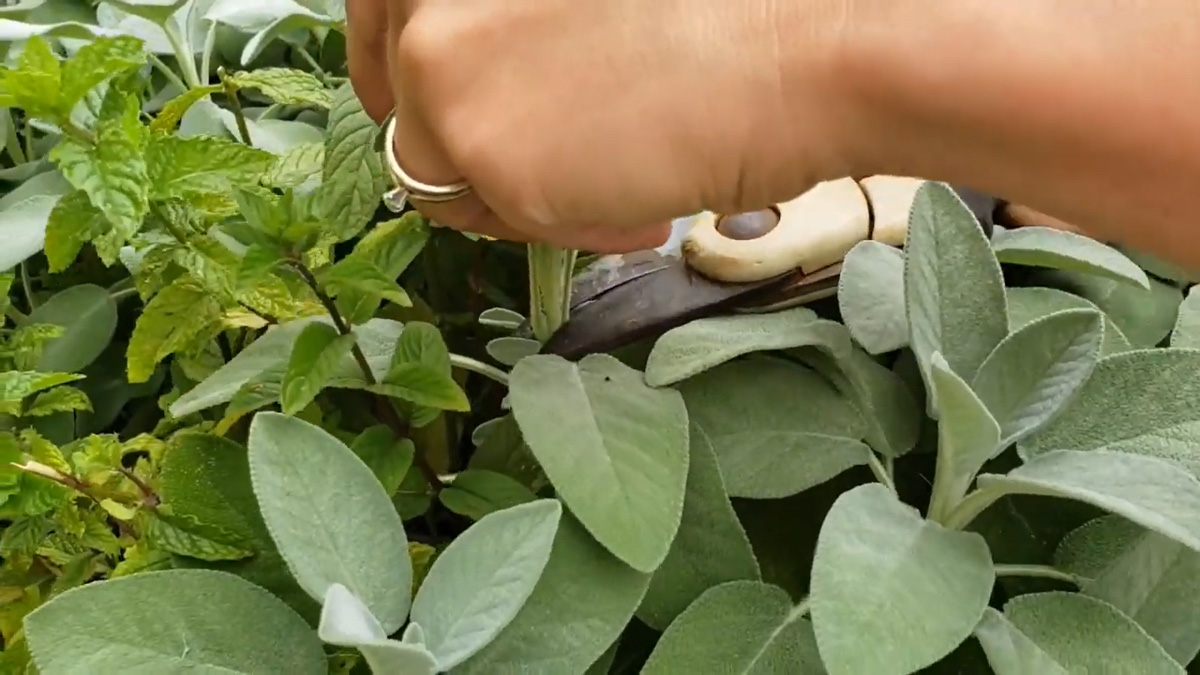

If you’re growing basil in your garden or containers, you’re probably frustrated by how quickly plants bolt and stop producing leaves. The secret to doubling your harvest isn’t fertilizer or better soil–it’s understanding when and how to prune. Regular pruning keeps your basil plant in its productive vegetative stage, prevents premature flowering, and encourages dense, bushy growth that gives you far more harvestable leaves. Let’s walk through the exact pruning method that transforms a single basil plant into a prolific leaf machine.
How to Prune Basil for Maximum Leaf Production
Basil responds dramatically to pruning. By removing the growing tip at the right time and harvesting strategically, you’ll force the plant to develop multiple stems instead of one tall shoot–multiplying your usable leaves.
What You Will Need
- Sharp pruning shears or clean scissors for making precise cuts
- Basil plants at least 6-8 inches tall with 3-4 sets of true leaves
- A garden or container location with at least 6 hours of direct sunlight daily
- Optional: a small bowl or harvest basket to collect leaves as you work
Steps
Wait Until Plants Reach Proper Size
Allow your basil seedlings to grow until they have developed at least 3-4 sets of true leaves and reach approximately 6-8 inches in height. Pruning too early on weak plants can stunt their development. Be patient during the first 4-6 weeks of growth.
Identify the Top Growing Tip
Look at the topmost part of your basil plant. You’ll see the newest, smallest leaves clustered together–this is the apical meristem or growing tip. This is where you’ll make your first cut. Pinching here redirects the plant’s energy into developing lateral buds lower down the stem.
Pinch Off the Top Two Leaf Sets
Using your clean pruning shears or pinching with your fingers, remove the very top of the plant down to just above the second set of true leaves from the tip. Make your cut at a slight angle just above a leaf node. This single action triggers the plant to branch into two new stems below your cut.
Repeat the Process on New Growth
Within 7-14 days, you’ll see two new stems growing from the leaf nodes where you made your cut. When each of these reaches 6-8 inches and develops several new leaves, pinch off their tips the same way. Continue this process throughout the growing season.
Harvest from the Top Regularly
Once your plant is well-established and bushy, begin harvesting leaves by removing the top 1-2 inches of stem multiple times per week. Pinch just above a leaf node. This continuous light harvesting keeps the plant in growth mode and prevents it from flowering, which extends your productive season.
Remove Any Flower Buds Immediately
Watch for small flower buds forming at the tip of stems. The moment you spot buds, remove them by pinching. Once basil flowers, the plant redirects energy into seed production and leaf quality declines. Removing flowers keeps the plant focused on producing tender, flavorful foliage.
Maintain Consistent Pruning Schedule
For peak productivity, establish a pruning rhythm of every 1-2 weeks during active growing season. Never remove more than one-third of the plant’s foliage at once. Consistent light pruning maintains bushiness and encourages faster regrowth than occasional heavy harvests.
- The best time to prune is early morning after dew dries but before heat sets in. Fresh-cut basil recovers faster and regrows more vigorously during cool parts of the day.
- Always cut above a leaf node (the point where leaves emerge from the stem). Cutting randomly between nodes wastes plant tissue and heals slower.
- Basil grows slower in cool weather and faster in heat. During peak summer, you may need to harvest every 3-4 days to prevent flowering.
What to Look For in Basil Pruning Tools
- Blade Sharpness: Dull blades crush basil stems instead of cutting them cleanly, which causes bruising and slows regrowth. Sharp pruning shears create clean wounds that heal fast and minimize plant stress.
- Ergonomic Grip: Since you’ll be pruning multiple times weekly over months, comfortable handles reduce hand fatigue and RSI. Look for cushioned, non-slip grips that work for both right and left-handed users.
- Easy Maintenance: Tools that are simple to clean and sharpen last longer and perform better. Stainless steel resists rust, and screw-together designs let you replace dull blades without replacing the whole tool.
- Compact Size: Basil pruning requires precision in small spaces. Lightweight, compact pruners let you make exact cuts near the soil line and between tightly-grown stems without accidentally damaging nearby foliage.
Felco F-6 Pruning Shears
Best for: Serious gardeners who want professional-grade durability
The Felco F-6 is the gold standard for hand pruning in herb gardens. Featuring Swiss-made precision blades that stay sharp through hundreds of cuts, these shears deliver clean cuts on tender basil stems without crushing. The lightweight aluminum frame reduces hand fatigue during frequent pruning sessions, and the rotating handle design accommodates both right and left-handed users. Individual components are replaceable, making these shears a lifetime investment for any gardener serious about regular harvests.
Check Current Price on Amazon →Fiskars Softtouch Pruning Shears
Best for: Beginners and casual gardeners on a tight budget
Fiskars Softtouch shears offer excellent value for hobby gardeners starting their basil pruning routine. The low-friction Teflon-coated blades glide through stems cleanly, and the cushioned grip reduces hand strain during multiple pruning sessions. While not as durable as premium options, these shears are affordable enough to replace after several seasons and come with a lifetime warranty. They’re perfect for learning proper pruning technique without a large investment.
Check Current Price on Amazon →ARS HP-VS8Z Pruning Shears
Best for: First-time gardeners who want quality without complexity
ARS pruning shears are engineered with bypass blades that make cutting easier and more intuitive for new gardeners. The lightweight design and perfectly balanced feel make them less tiring to use repeatedly. They feature stainless steel construction that resists rust and corrosion, and the simple one-hand operation requires no learning curve. At a mid-range price point, they offer a smooth introduction to regular basil maintenance without overwhelming options.
Check Current Price on Amazon →Bahco PX-L2 Ergonomic Pruning Shears
Best for: Gardeners with arthritis or hand fatigue concerns
Bahco’s premium ergonomic design is specifically engineered to reduce hand strain and accommodate users with reduced grip strength. The extended lever system provides mechanical advantage, making cuts with minimal hand effort. Premium materials and precision engineering ensure consistent performance across hundreds of pruning cycles. These are ideal for older gardeners or anyone who prunes basil multiple times weekly and needs maximum comfort.
Check Current Price on Amazon →Corona ClassicCUT Pruning Shears
Best for: Home gardeners seeking balanced quality and affordability
Corona ClassicCUT delivers professional performance at a reasonable price point, making it the best value for serious basil growers. The precision-ground blades make clean cuts consistently, and the durable construction withstands months of regular harvesting. The non-slip grip stays comfortable even during longer pruning sessions, and replacement blades are readily available and affordable. This model offers the sweet spot between Fiskars’ budget pricing and Felco’s premium cost.
Check Current Price on Amazon →GARDENA Precision Pruning Shears
Best for: Gardeners who value precision and cutting control
GARDENA’s German engineering combines laser-cut blades with an innovative cutting mechanism that makes precise cuts on delicate basil stems without any crushing. The blade design naturally guides stems into the cutting zone, eliminating the need for perfect positioning. Stainless steel construction means zero rust concerns, and the easy-to-use blade cleaning system keeps everything in peak condition. GARDENA shears are particularly praised by herb gardeners for consistent, clean results.
Check Current Price on Amazon →Tramontina Precision Garden Shears
Best for: Gardeners who prune basil multiple times per week
Designed specifically for frequent cutting, Tramontina shears feature a lightweight, well-balanced frame that makes repetitive pruning feel effortless. The sharp stainless steel blades maintain their edge through dozens of cuts between sharpenings, and the intuitive bypass design works consistently on tender herb stems. The textured grip prevents slipping even when hands are wet from watering, making them ideal for gardeners integrating pruning into their daily garden routine.
Check Current Price on Amazon →Victorinox Swiss Army Pruning Shears
Best for: Container gardeners and those with limited storage space
Victorinox brings Swiss precision and compact design to basil pruning. These miniaturized shears fit comfortably in a apron pocket and deliver the same clean-cutting performance as larger models. The stainless steel blades stay sharp, and the lightweight construction makes them perfect for container herb gardens where space is premium. While best suited for lighter pruning tasks, they’re ideal for balcony gardeners or anyone who values portability alongside quality.
Check Current Price on Amazon →Start Doubling Your Basil Harvest This Week
The difference between a struggling basil plant and a prolific one often comes down to one simple practice: regular, strategic pruning. By pinching off the growing tip when plants reach 6-8 inches, then continuing to harvest from the top every 1-2 weeks, you’re not just picking herbs–you’re training the plant to become bushier and more productive. This technique prevents early flowering, which would otherwise cut your season short, and forces the plant to develop the dense branch structure that yields double or even triple the leaves compared to unpruned plants.
The tools matter too. Sharp, well-designed pruning shears make the work easier and faster, encouraging you to stick with the habit across months of growing season. Whether you choose a budget-friendly option for experimentation or invest in professional-grade shears for years of use, the key is making pruning part of your regular garden routine. Start this week with your current basil plants–even established ones respond dramatically to initial pruning within just 1-2 weeks. You’ll see multiple new stems emerging, and within a month, you’ll understand exactly why this simple technique transforms a single basil plant into an endless supply of fresh, tender leaves for your kitchen.
Frequently Asked Questions
How often should I prune my basil plants?
Once your basil is established and bushy, harvest from the top every 1-2 weeks during the growing season. In hot summer months, you may need to prune every 3-4 days to prevent flowering. The goal is consistent light pruning rather than occasional heavy harvests.
Will pruning basil kill the plant?
No. Proper pruning actually extends the plant’s life by preventing early flowering. Remove no more than one-third of the plant’s foliage at once, and always cut above leaf nodes. Basil is extremely resilient and regrows rapidly after pruning.
What if my basil has already started flowering?
Remove the flowers immediately and pinch back the stems above healthy leaf nodes. The plant can still recover and produce new foliage, though leaf quality may decline slightly. Going forward, catch and remove flower buds before they fully develop to maintain tender leaf production.
Can I use the basil leaves I remove while pruning?
Absolutely. All the leaf material you remove during pruning is perfectly edible and useful for cooking, drying, or making pesto. Pruning and harvesting for kitchen use are the same action–every cut gives you fresh basil while improving plant shape.
Does basil grow back after pruning in cold weather?
Basil grows much slower in cool temperatures below 60F. Pruning in spring or fall will result in slower regrowth than summer pruning. For fastest recovery and maximum yields, do your primary pruning during warm months when basil is actively growing.
As an Amazon Associate, Build & Bloom earns from qualifying purchases. We only recommend products we genuinely think are useful. Prices and availability vary; check Amazon for the latest.
Leave a Reply