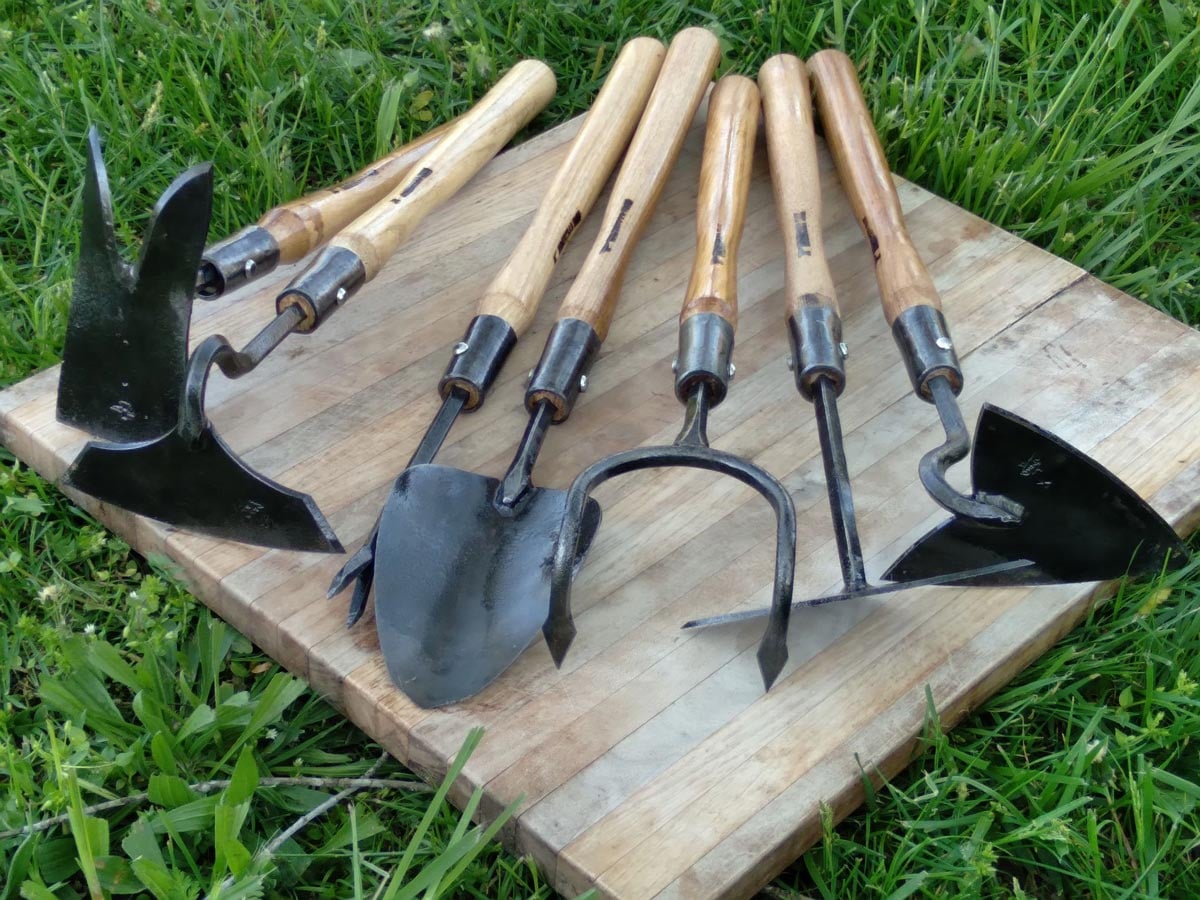

You stand in the garden center staring at two shovels: one costs $25, the other $85. The expensive one feels heavier, has a wood handle instead of plastic, and carries a lifetime warranty. But does it really last longer? And will you actually use your garden tools enough to justify the investment? The truth is nuanced, and understanding the real differences between budget and premium garden tools will save you hundreds of dollars over your homesteading journey.
5 Key Factors for Evaluating Garden Tool Quality
Before comparing prices, you need to understand what separates a quality tool from a disposable one. These five criteria will help you make an informed decision for every garden tool purchase.
Key Concepts
- Material construction — steel type, handle material, and manufacturing process
- Weight and balance — how the tool feels during extended use and its impact on fatigue
- Warranty coverage — manufacturer backing and what it tells you about durability expectations
- Frequency of use — how often you’ll use the tool determines ROI on premium options
- Maintenance requirements — cleaning, sharpening, and rust prevention demands
Principles
Examine the Steel and Metal Components
Quality tools use hardened, high-carbon steel or forged metal that resists bending and maintains sharp edges. Budget tools often use softer steel that dulls quickly and can bend under pressure. Inspect the blade or tines closely — premium tools feel smooth and uniform, while cheap tools show casting marks and inconsistencies. Higher-quality steel also resists rust better, especially important if you live in humid climates.
Assess Handle Material and Construction
Hardwood handles (ash, hickory) absorb shock better than plastic and last decades with basic care. Plastic handles crack in cold weather and splinter after a few seasons. Quality tools often have metal ferrules (bands) at the connection point that prevent splitting. A tool with a solid, well-fitted handle distributes your effort efficiently and reduces hand fatigue during marathon weeding sessions.
Calculate True Cost Over Time
A $25 shovel that needs replacement every 2-3 years costs $100+ over 10 years. A $90 quality shovel lasting 10-15 years costs far less per year. Add in your physical labor time spent shopping and replacing broken handles, and the premium option becomes obviously cheaper. This calculation changes dramatically for tools you use weekly versus once per season.
Evaluate Warranty and Brand Reputation
Manufacturers backing their tools with lifetime or multi-year warranties believe in durability. Budget brands rarely offer warranties because they expect failure. Research online reviews specifically looking for multi-year owner reports. Brands that have been making tools for 50+ years have learned what works; newer cheap brands cut corners systematically.
Consider Your Usage Pattern and Skill Level
If you garden casually on weekends, a mid-range tool offers better value than premium. If you’re digging beds, amending soil, and hand-weeding daily, quality tools prevent injuries and fatigue. Beginners sometimes benefit from cheaper tools to discover which styles they prefer before investing. But experienced gardeners using the same tools constantly should always choose quality.
Test Weight, Balance, and Comfort
A properly weighted tool does the work; a poorly balanced tool makes you work harder. Hold different options and perform the actual motion (digging, chopping, raking). Quality tools distribute weight toward the head for leverage while remaining comfortable. An uncomfortable tool gets used less often and causes repetitive strain injuries that cost far more than any tool.
- Buy quality for tools you use weekly; invest in mid-range for seasonal tasks; skip premium for single-use specialized tools you’ll rarely need.
- Hardwood handles cost more but last decades and feel superior — plastic handles bundled with cheap tools are often the first thing to fail.
- Premium brands often have sales and discounts at end-of-season (late July-August and October); patience rewards you with quality at near-mid-range prices.
What to Look For in Premium Garden Tools
- Blade or Tine Material: High-carbon or stainless steel holds an edge longer and resists corrosion. Forged metal (created by heating and hammering) is stronger than cast metal. Look for tools that specify the steel type rather than vague ‘metal’ descriptions.
- Handle Construction: Solid hardwood handles (ash, hickory, oak) outlast plastic by decades and reduce hand fatigue. Metal ferrules prevent splitting at the connection point. Sealed or treated wood resists weather damage better than raw wood.
- Weight and Balance: Quality tools feel balanced in your hand with weight distributed toward the head for leverage. Pick up the tool and simulate the actual motion — it should feel natural, not exhausting. Heavier isn’t always better; proper weight distribution matters most.
- Warranty and Support: Lifetime or 10+ year warranties indicate manufacturer confidence. Good companies stand behind repairs and replacements. Check if warranty covers normal wear or only defects, as this reveals realistic durability expectations.
Fiskars Steel D-Handle Shovel with Hardwood Handle
Best for: Serious gardeners doing regular digging and soil work
The Fiskars D-handle shovel combines a hardened steel blade with a solid hickory handle and metal reinforcement for decades of reliable use. The ergonomic D-grip reduces hand strain during extended digging sessions, and the 45-inch length suits most gardeners. Users consistently report 10+ years of service, making it the gold standard for round-point shovels. The weight distribution and balance feel professional without being exhausting.
Check Current Price on Amazon →Corona ClassicCut Bypass Pruner
Best for: New gardeners learning proper pruning techniques
Corona’s bypass pruner offers excellent cutting quality at a mid-range price without overwhelming beginners with premium features. The sharp stainless steel blades cut cleanly up to 3/4-inch branches, reducing plant stress. Lightweight at 6.5 ounces, it prevents hand fatigue during long pruning sessions. A lifetime warranty backs the tool, giving new gardeners confidence in a proven brand.
Check Current Price on Amazon →Vremi Garden Tool Set 3-Piece with Soft Grip Handles
Best for: Casual gardeners testing their commitment before investing more
This three-piece set (spade, cultivator, weeder) provides essential tools at minimal investment, perfect for discovering which tools you actually use regularly. The soft-grip handles reduce hand strain for short sessions, and stainless steel resists rust. While not built for daily heavy use, this set offers solid value for weekend gardeners and those new to homesteading.
Check Current Price on Amazon →Wilkinson Sword Stainless Steel Garden Spade
Best for: Professional and experienced gardeners doing intensive soil work
Wilkinson Sword crafts this spade from premium stainless steel with a hand-forged blade for superior edge retention and corrosion resistance. The ash wood handle is sealed with a weatherproof finish, and the brass ferrule prevents splitting. This is a generational tool that owners pass to their children, with reported lifespans exceeding 30 years. The price reflects the quality and engineering built into every aspect.
Check Current Price on Amazon →What’s the real cost difference between budget and premium tools over 10 years?
A $25 budget shovel replaced every 3 years costs $80-100 over 10 years, plus your shopping and replacement labor. A $90 quality shovel lasting 10-15 years costs $90 one-time. Add hand fatigue and discomfort, and quality becomes dramatically cheaper. Break-even point is typically 3-4 years of regular use.
Are vintage or estate sale garden tools better than new budget tools?
Often yes. Vintage tools from established manufacturers (Wilkinson, DeWit, Felco) were built to last generations and cost less used. Check for rust, broken handles, and blade damage, but quality tools are worth restoring. Modern budget tools may never match a well-maintained 40-year-old tool’s durability.
As an Amazon Associate, Build & Bloom earns from qualifying purchases. We only recommend products we genuinely think are useful. Prices and availability vary; check Amazon for the latest.
Leave a Reply