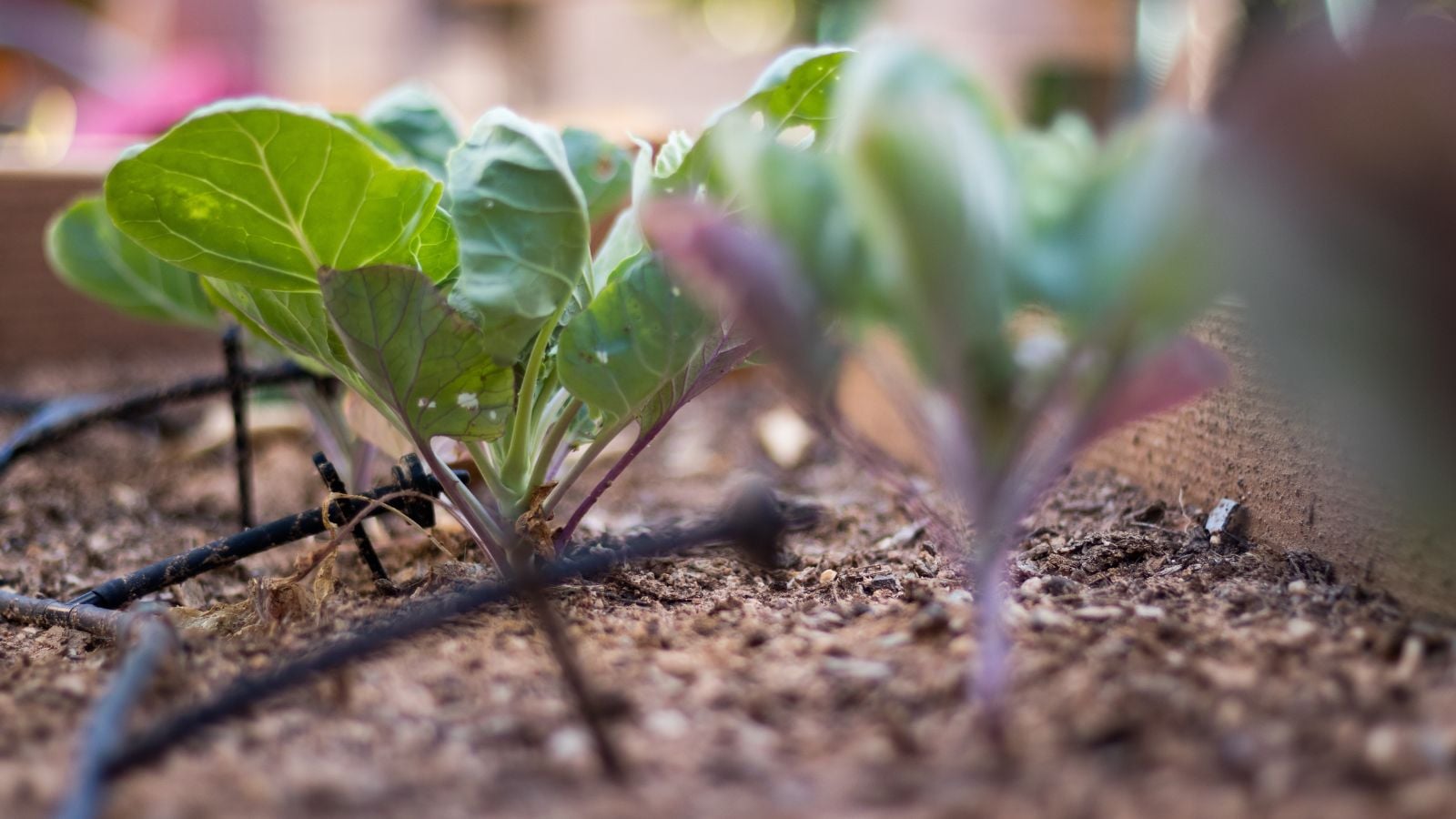

When you build a raised bed garden, one of the most critical decisions isn’t what to plant—it’s how to keep it watered. During hot summer months, inconsistent watering can mean the difference between a thriving harvest and stressed, underperforming plants. You’ve probably wondered whether installing a drip irrigation system is worth the investment, or if you should stick with the simplicity of hand watering. This comparison breaks down the real differences so you can make the choice that matches your garden size, climate, and lifestyle.
Drip Systems vs Hand Watering: Full Comparison
Both watering methods have distinct advantages and limitations. Understanding how they differ across key criteria will help you choose the system that works best for your raised bed garden.
Key Comparison Criteria
- Water delivery mechanism (soil surface contact vs. overhead spray vs. direct root irrigation)
- Time investment (daily monitoring vs. weekly setup and occasional adjustments)
- Initial cost and equipment needs (minimal for hand watering vs. $30-150 for drip systems)
- Water efficiency and runoff rates (50-70% savings with drip vs. 30-40% loss with hand watering)
- Flexibility and adjustment capability (instant changes vs. timer-based consistency)
Comparison Principles
Water Efficiency and Waste
Drip irrigation delivers water directly to the soil near plant roots, reducing evaporation and runoff by 50-70%. Hand watering loses significant moisture to surface evaporation and overspray, especially in hot climates. If water conservation or low utility costs matter to you, drip systems provide measurable savings over a growing season. Hand watering works adequately in humid regions or short growing seasons where water waste matters less.
Consistency and Plant Health
Drip systems maintain steady soil moisture day after day, preventing the stress cycles that weaken plants and invite disease. Hand watering creates variable moisture levels depending on your daily schedule and how much water you apply each time. Plants prefer consistent moisture, so drip systems generally produce healthier, more productive harvests. Hand watering can work if you’re disciplined and water deeply and regularly.
Time and Labor Requirements
Hand watering demands 10-20 minutes of daily attention during growing season, especially in summer heat. Drip systems run automatically on a timer, requiring only weekly checks and seasonal adjustments. If you travel, have limited mobility, or manage multiple beds, drip systems eliminate the daily commitment. Hand watering suits small gardens (1-3 beds) or gardeners who enjoy the meditative, hands-on practice.
Upfront Cost and Installation
Hand watering requires only a watering can or hose you likely already own—essentially zero additional investment. Drip kits cost $30-150 depending on bed size and timer features. Installation takes 30-90 minutes and involves laying tubing, adding emitters, and connecting a water source. The payoff comes through water savings and time reclaimed; break-even typically occurs within one growing season for larger gardens.
Flexibility and Real-Time Adjustments
Hand watering lets you instantly adjust water volume, target specific thirsty plants, or skip watering during rainy weeks. Drip systems require timer reprogramming or manual shutoff to change watering frequency. If you prefer responsive, adaptive garden management, hand watering offers more control. Drip systems excel when you want ‘set and forget’ consistency and don’t want to think about daily decisions.
Best Situations for Each Method
Choose drip irrigation for gardens with 4+ raised beds, hot/dry climates, frequent travel, or limited physical mobility. Hand watering works best for 1-3 small beds, mild climates, gardeners who enjoy daily plant interaction, and those wanting minimal equipment investment. Many experienced gardeners use both: hand watering for small ornamental beds and drip systems for vegetable production areas.
- Start with hand watering your first season to learn your plants’ water needs, then invest in drip systems once you understand your garden’s patterns.
- If you choose drip irrigation, add a battery-operated timer—it enables automatic watering even if you’re away and costs only $25-40.
- Mulch your raised beds regardless of watering method; 2-3 inches of wood chips or straw cuts water needs by 30% and moderates soil temperature swings.
What to Look For When Choosing a Watering System
- Garden Size and Bed Layout: For 1-3 small beds, hand watering remains practical. For 4+ beds or rows exceeding 50 feet total length, drip systems save significant time. Measure your bed dimensions and count how many plants you’re watering to estimate daily time commitment.
- Climate and Growing Season Length: Hot, dry climates with long summers benefit most from drip efficiency and consistency. Cooler, wetter regions can manage with hand watering since evaporation is lower. Consider your typical daily high temperature and average rainfall during peak growing months.
- Water Source and Pressure: Drip systems work with standard garden hose connections and low-pressure water sources. Hand watering needs a functional hose or spigot. Check that your water source can supply steady flow for the size garden you’re managing.
- Gardener Availability and Preferences: If you travel, work long hours, or prefer minimal daily tasks, drip systems with timers are essential. If you enjoy daily plant interaction and have flexible time, hand watering can feel rewarding and meditative rather than burdensome.
DIG Raised Bed Drip Irrigation Kit 100 GPH
Best for: Homesteaders building multiple raised beds who want automation and water savings
This comprehensive drip kit includes 50 feet of drip tubing, 20 adjustable emitters, fittings, and end caps designed specifically for raised bed gardens. The 100 GPH flow rate handles beds up to 4×8 feet. Installation takes under an hour with no tools required. Water savings of 50% compared to hand watering make it economical within one season. Add a battery timer for full automation.
Check Current Price on Amazon →Raindrip Universal Drip Watering Kit
Best for: Budget-conscious gardeners starting with drip systems for the first time
A no-frills drip kit offering reliable functionality at an economical price point. Includes 25 feet of half-inch tubing, basic emitters, and connectors for smaller raised beds. Quality construction means it lasts multiple seasons. Limited customization compared to premium kits, but delivers consistent water delivery without the premium markup. Perfect for testing whether drip irrigation works for your garden before investing more.
Check Current Price on Amazon →Raindrip XT Raised Bed Watering System 45 GPH
Best for: First-time drip system users wanting clear instructions and straightforward setup
Features color-coded components and a detailed instruction guide that makes installation foolproof for gardening newcomers. The compact 45 GPH system works perfectly for single or dual raised beds. Half-inch tubing and quarter-inch micro-drip lines adapt to various bed shapes. Built-in pressure regulator protects the system from water pressure spikes. Reliable performance and customer support make this ideal for building drip confidence.
Check Current Price on Amazon →Orbit B-hyve Smart Hose Timer with WiFi
Best for: Tech-savvy gardeners wanting to automate hand watering or drip systems with smartphone control
This WiFi-enabled timer attaches to any standard outdoor spigot and lets you control watering from your phone via the B-hyve app. Set custom watering schedules, adjust run times remotely, and receive smart alerts about watering status. Works with both hand watering hoses and drip systems. Weather-aware features skip watering after rain, optimizing water use. Premium option for gardeners who value convenience and data-driven garden management.
Check Current Price on Amazon →Gilmour Heavy Duty Watering Wand 18 inch
Best for: Hand watering advocates seeking a durable, ergonomic tool that lasts decades
A heavy-duty watering wand with adjustable spray patterns from mist to full stream, letting you control water delivery precisely. The 18-inch length reduces bending and back strain compared to watering can use. Solid brass construction withstands years of daily garden work without corrosion or cracking. Hose connection is universal standard. Excellent value for hand watering enthusiasts who want quality equipment that justifies the DIY approach.
Check Current Price on Amazon →Raindrip Micro Drip Tubing Only 100 feet
Best for: Gardeners wanting to customize their own drip systems or expand existing setups
This bulk tubing supply offers flexibility for DIYers who design custom drip layouts for unique bed sizes or shapes. Quarter-inch tubing fits standard drip emitters and connectors. One hundred feet enables creative configurations that standard kits can’t accommodate. Pair with individual emitters and fittings to build exactly what your garden needs. Economical when purchasing multiple kits.
Check Current Price on Amazon →Dramm One Touch Watering Wand 30 inch
Best for: Gardeners with tall beds or limited mobility wanting maximum control and comfort
This 30-inch watering wand lets you reach the back of deep raised beds without stretching or climbing. The one-touch valve provides instant on-off control, and adjustable spray patterns deliver water from fine mist to strong stream. Lightweight aluminum construction resists fatigue during extended watering sessions. Premium ergonomic design justifies hand watering for those with physical limitations that make daily garden work a priority.
Check Current Price on Amazon →Hunter Hydrawise Pro Smart Sprinkler Controller
Best for: Homesteaders with large gardens wanting the most advanced automated irrigation system
A commercial-grade smart controller that manages multiple watering zones simultaneously via app or voice commands. Integrates with existing drip systems and sprinklers, providing weather intelligence, soil moisture sensors, and customizable zones. Supports up to 24 stations for complex garden layouts. Premium automation for serious gardeners who want complete control and data logging of their irrigation system. Highest upfront investment but delivers professional-grade reliability.
Check Current Price on Amazon →Making Your Choice
The best watering method depends on your garden scale, climate, available time, and personal preferences. If you’re managing 1-3 small raised beds and enjoy daily outdoor time, hand watering offers simplicity, zero upfront cost, and the meditative pleasure of caring for plants by hand. If you’re growing 4+ beds, live in a hot climate, travel frequently, or value water conservation, drip irrigation pays for itself in reduced water bills and saved time within one growing season. Many experienced homesteaders use both: hand watering for ornamental beds where flexibility matters, and drip systems for vegetable production areas where consistency and automation make sense.
Start by evaluating your specific situation honestly. How many raised beds do you actually have or plan to build? How reliable is your daily schedule during summer months? What’s your local climate—hot and dry, or mild and moist? How much you value saving time versus saving water will shape your decision. Consider starting with hand watering your first season to understand your garden’s needs, then investing in drip systems once you’ve learned what works. You can always add automation later, but the knowledge you gain from hands-on watering becomes experience you’ll use for years.
Frequently Asked Questions
Can I use a drip system if my water pressure is low?
Yes. Drip systems are designed to work efficiently at low pressures (20-40 PSI). Most modern drip kits include pressure regulators that ensure consistent water delivery even with weak water sources. Hand watering works at any pressure, but drip systems often perform better than hand watering with low pressure because tubing maintains steady flow.
How often should I water raised beds with each method?
Hand-watered beds typically need daily watering in summer heat, applying 1-2 inches per week total. Drip systems run 2-4 times weekly for 20-30 minutes, depending on temperature and soil type. Both should maintain consistent soil moisture about 2 inches deep. Adjust frequency based on rainfall and local weather.
Do drip systems clog or require maintenance?
Yes, occasional maintenance extends drip system life. Flush lines yearly to remove mineral deposits. Check emitters monthly for clogs or misalignment. Water from wells or untreated sources clogs more frequently than municipal water. Hand watering requires no maintenance beyond occasional hose inspection.
Can I switch from hand watering to drip systems mid-season?
Absolutely. Installing a drip kit takes 30-90 minutes and won’t disturb established plants if you work carefully. Plants adjust within a few days to the new watering pattern. Many gardeners hand water early season when plants are small, then switch to drip systems for peak summer demands.
What happens to a drip system in winter or when I’m away?
Drip systems need winterization in freezing climates; drain all water and store tubing indoors. When traveling, battery-operated timers continue automatic watering, or ask a neighbor to verify everything runs smoothly. Hand watering requires daily attention, so extended travel is impractical unless you arrange garden sitting.
As an Amazon Associate, Build & Bloom earns from qualifying purchases. We only recommend products we genuinely think are useful. Prices and availability vary; check Amazon for the latest.
Leave a Reply