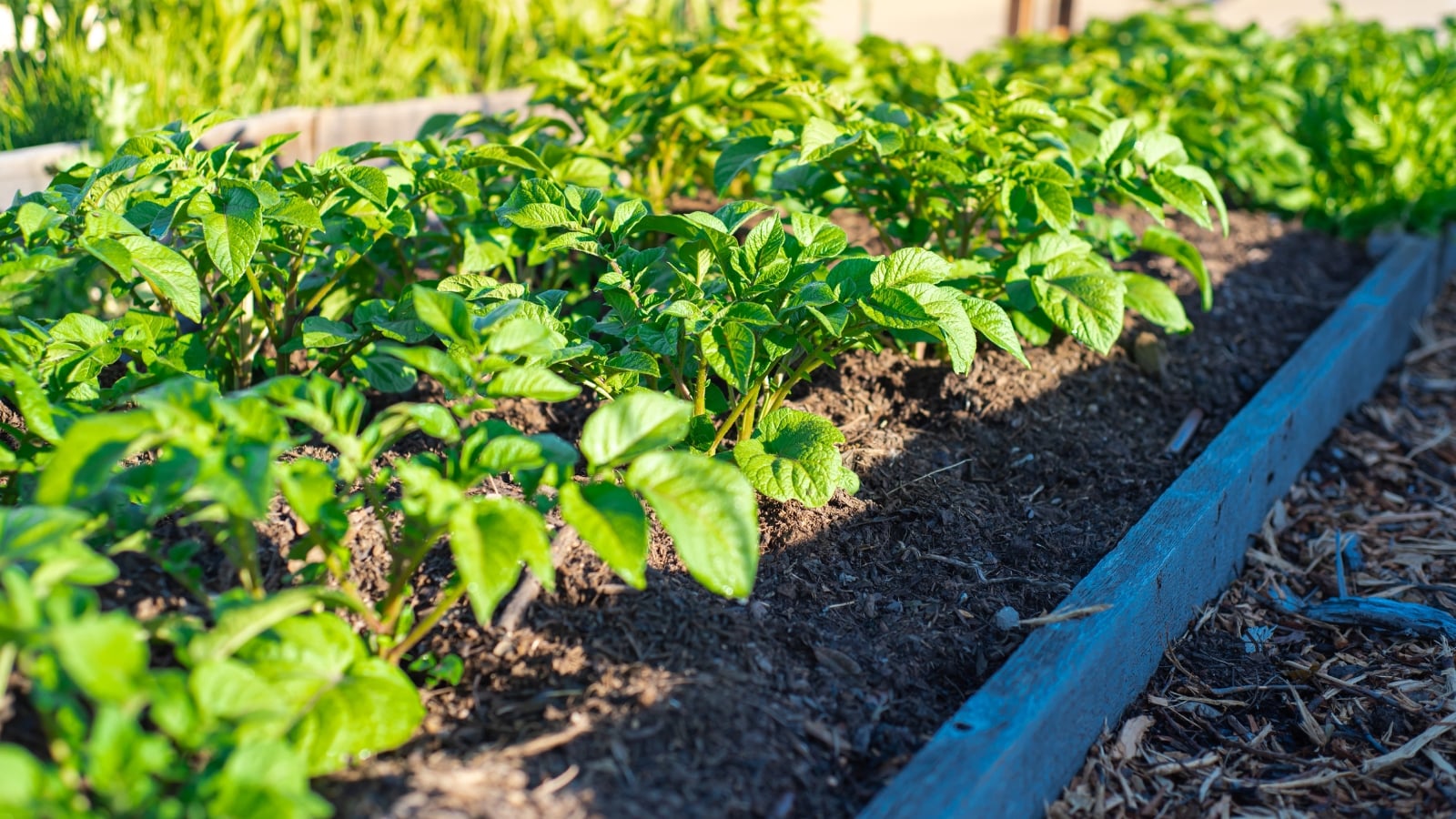

You’ve decided to grow carrots, beets, or turnips in a raised bed, but you’re worried they’ll stay stunted or fork into strange shapes. The secret isn’t special seeds or rare fertilizers–it’s the soil. Root vegetables need loose, crumbly earth that lets them push down without resistance. Raised beds are perfect for this, but only if you fill them with the right mix and prepare them correctly. Learn exactly how to set up your raised bed so your root crops develop into full-sized, beautiful harvests.
How to Set Up Raised Beds for Root Vegetables
Root vegetables require specific soil conditions to grow straight and full-sized. Follow these steps to create an ideal growing environment in your raised bed.
What You Will Need
- Raised bed frame (at least 12 inches deep for shallow-rooted crops, 18+ inches for longer varieties like parsnips)
- Loose soil mix (blend of topsoil, compost, and peat moss or coco coir in roughly equal parts)
- Quality seeds or seed tape for your chosen root vegetables
- Garden rake or cultivator for soil preparation
- Measuring tape or ruler for spacing
- Garden marker or row labels
Steps
Choose the Right Bed Depth
Measure your raised bed to ensure adequate depth. Shallow crops like radishes and beets need 12 inches minimum, while longer varieties like carrots and parsnips require 18 inches or more. If your bed is shallower, select shorter varieties that won’t be restricted. Depth is critical because compressed soil forces roots to split or curl as they encounter resistance.
Build Your Loose Soil Foundation
Fill your raised bed with a specially formulated mix rather than garden soil alone. Combine equal parts topsoil, finished compost, and peat moss or coconut coir. This creates a light, airy medium that root vegetables can penetrate easily. Mix thoroughly with a garden tool to break up clumps and distribute ingredients evenly throughout the bed.
Prepare the Surface and Create Rows
Use a rake or cultivator to level and smooth the soil surface. Gently rake the top inch to create a fine seedbed with no large clumps. If planting multiple rows, use a measuring tape to mark spacing based on your crop–typically 2 inches apart for radishes, 3-4 inches for carrots and beets. You can create shallow furrows with a stick or the rake handle to guide planting.
Plant Seeds at the Correct Depth
Check seed packet instructions for exact depth requirements; most root vegetables plant at roughly 1/4 to 1/2 inch deep. Sow seeds directly into furrows or scatter them evenly across the marked rows. Cover lightly with loose soil and water gently with a fine mist to avoid displacing seeds. Keep the soil consistently moist (not waterlogged) until germination appears.
Thin Seedlings for Space and Size
Once seedlings emerge and develop their first true leaves, thin them to proper spacing. This is essential for root development–overcrowded seedlings compete for space and produce small, twisted roots. Gently remove the weakest seedlings with tweezers or scissors, leaving the strongest plants at recommended spacing. This prevents root damage compared to pulling, which can disturb remaining plants.
Maintain Consistent Moisture and Mulch
Water regularly to keep soil evenly moist at 1-2 inches deep, especially during germination and early growth. Once plants are 3-4 inches tall, apply a 1-2 inch layer of mulch (straw or shredded leaves) around plants to retain moisture and regulate soil temperature. Avoid mulching directly against the crown of the plant to prevent rot.
Monitor Growth and Harvest at Peak Maturity
Most root vegetables are ready 50-80 days after planting, depending on variety. Gently brush back soil from the top of the root to check size without harvesting; you can re-cover if it needs more time. Harvest when roots reach desired size for your crop. Smaller roots are typically more tender, while larger ones are sturdier for storage.
- Amend your soil mix annually by adding 2-3 inches of finished compost before spring planting to maintain loose texture and nutrient levels.
- Use seed tape for tiny seeds like carrots–it spaces them perfectly and eliminates tedious hand-thinning.
- Plant successive crops every 2-3 weeks during the growing season for continuous harvests rather than one large batch.
What to Look For in Raised Bed Supplies
- Raised Bed Material Quality: Look for rot-resistant wood (cedar, composite) or galvanized metal. Avoid treated lumber with chemicals. Thickness should be at least 1 inch to prevent warping. Verify that corner joints are reinforced and corners are square for even soil distribution.
- Soil Mix Composition: Choose a blend specifically formulated for vegetables, ideally with equal parts organic matter. Check labels for finished compost (not fresh), peat moss or coco coir, and topsoil. Avoid pure peat or single-ingredient mixes. Quality mixes drain well while retaining adequate moisture.
- Seed Quality and Germination Rate: Select seeds from reputable suppliers with germination rates above 80%. Check packet dates–seeds older than 2-3 years have reduced viability. Open-pollinated varieties let you save seeds for future seasons. Read varietal descriptions to match root depth to your bed depth.
- Tool Ergonomics and Durability: Choose cultivators and rakes with comfortable, non-slip handles to reduce hand fatigue during soil preparation. Metal heads should be rust-resistant or stainless steel. Look for tools with proper weight balance so they’re easy to maneuver in confined raised bed spaces without excessive effort.
Raised Garden Bed Kit by Greenfduty – 8x4x12 Inches Composite
Best for: Most gardeners starting root vegetable growing
This composite raised bed frame provides 12 inches of depth ideal for root vegetables, made from rot-resistant recycled plastic and wood fibers. It requires no tools for assembly, comes with corner connectors, and resists decay for 15+ years without maintenance. The 8×4 footprint gives ample space for multiple rows while fitting most garden layouts. Customers praise its durability and ease of setup.
Check Current Price on Amazon →Miracle-Gro Raised Bed Soil Mix – 2 Cubic Feet Bags
Best for: New gardeners who want pre-mixed, ready-to-use soil
This premixed soil specifically formulated for raised beds combines peat moss, compost, and aged bark for ideal root vegetable growing. Each 2-cubic-foot bag is ready to use without mixing, making it perfect for first-time growers. Contains a blend designed for drainage and moisture retention. Purchase multiple bags to fill a standard 8x4x12 bed completely.
Check Current Price on Amazon →Cedar Raised Garden Bed – 4x8x12 Inches by Best Garden
Best for: Budget-conscious gardeners preferring natural wood
Natural cedar construction offers rot resistance and attractive appearance at a lower price point than premium brands. The 12-inch depth accommodates root vegetables well, and cedar naturally resists decay without chemical treatment. Frame comes with hardware for assembly. While more affordable than composite options, cedar requires occasional maintenance and may last 5-7 years depending on climate.
Check Current Price on Amazon →Naturalized Redwood Raised Bed – 4x8x18 Inches
Best for: Gardeners growing longer root vegetables like parsnips
Extra-deep 18-inch redwood construction accommodates even parsnips and long carrot varieties without constraint. Redwood provides superior rot resistance (20+ years) and beautiful aesthetics. Fully assembled, requiring only anchoring. Premium option justifies the cost for serious vegetable gardeners planning multi-season use. Natural wood weathers to attractive gray patina.
Check Current Price on Amazon →Johnny’s Seeds Premium Root Vegetable Collection
Best for: Gardeners wanting proven varieties optimized for raised beds
This curated seed collection includes heritage carrot, beet, radish, and parsnip varieties specifically selected for uniform growth in container gardens. Seeds come with detailed spacing guides and germination rates above 90%. Johnny’s Seeds are trusted by commercial growers and home gardeners alike. Package includes multiple varieties for succession planting throughout the season.
Check Current Price on Amazon →Ferry’s Seed Tape – Carrot and Beet Mix – Pre-spaced
Best for: Gardeners wanting to eliminate tedious hand-thinning
Biodegradable seed tape comes pre-spaced at optimal distances for each crop, eliminating the need for thinning seedlings later. Simply unroll into prepared furrows, cover with soil, and water. Reduces seed waste and guarantees proper spacing from day one. Available in carrot, beet, and mixed varieties. Saves significant time during planting season.
Check Current Price on Amazon →Fiskars Garden Cultivator with Ergonomic Handle
Best for: Gardeners wanting a versatile single tool for soil prep
This three-pronged cultivator efficiently loosens compacted soil and prepares seedbeds in confined raised bed spaces. Ergonomic non-slip handle reduces hand fatigue during extended use. Stainless steel tines resist rust and corrosion. Lighter weight than full-size rakes, making it ideal for detail work in raised beds without taking up much storage space.
Check Current Price on Amazon →Espoma Organic Raised Bed Mix – 10 Cubic Foot Bag
Best for: Serious gardeners prioritizing organic certification and quality
This premium OMRI-certified organic soil blend contains aged compost, sphagnum peat moss, and poultry manure for superior nutrient content. Designed specifically for raised beds with balanced drainage and water retention. One 10-cubic-foot bag fills most standard beds. Superior organic ingredients support robust root development and larger harvests compared to standard mixes.
Check Current Price on Amazon →Start Your Root Vegetable Harvest Today
Growing root vegetables in raised beds transforms your harvest from stunted, forked disasters into straight, full-sized crops. The key is investing in the right foundation: a raised bed with sufficient depth, a loose soil mix that mimics nature’s ideal growing conditions, and proper thinning to give each root adequate space. Follow the steps above and your first harvest will prove that loose soil truly equals big results.
Start with one bed and one or two vegetable varieties to build confidence. Carrots and beets are forgiving crops perfect for beginners. Once you experience the satisfaction of pulling a perfectly formed carrot from rich, crumbly soil, you’ll understand why gardeners obsess over soil quality. Next season, expand to multiple beds and experiment with longer varieties like parsnips and turnips. Your raised bed garden will become your most productive and rewarding growing space.
Frequently Asked Questions
How deep should my raised bed be for root vegetables?
A minimum of 12 inches works for shallow crops like radishes and beets. However, 18 inches or deeper is ideal if you plan to grow longer varieties like carrots and parsnips. Deeper beds also provide better root expansion and less restriction, resulting in straighter, larger roots.
Can I use regular garden soil in my raised bed for root vegetables?
Regular garden soil alone tends to be too compacted for root vegetables, causing forked or twisted roots. Instead, use a loose mix combining equal parts topsoil, compost, and peat moss or coco coir. This creates the airy texture roots need to expand freely.
Why do my root vegetables come out small or misshapen?
This typically results from overcrowded seedlings competing for space or overly compacted soil. Thin seedlings to proper spacing as soon as they develop true leaves, and ensure your soil mix contains adequate organic matter for loose texture. Compacted soil forces roots sideways or causes forking as they encounter resistance.
How often should I water root vegetables in raised beds?
Keep soil consistently moist (not waterlogged) at 1-2 inches deep throughout the growing season. In hot weather, this may mean daily watering. Check soil moisture before watering by pressing your finger into the earth–water only when the top inch feels dry. Inconsistent watering causes cracking and poor flavor.
When should I harvest my root vegetables?
Most root vegetables are ready 50-80 days after planting depending on variety. Check maturity by gently brushing back soil to expose the root shoulder without harvesting. Smaller roots are tender, while larger ones are sturdier for storage. Consult seed packet instructions for your specific variety’s expected harvest window.
As an Amazon Associate, Build & Bloom earns from qualifying purchases. We only recommend products we genuinely think are useful. Prices and availability vary; check Amazon for the latest.
Leave a Reply