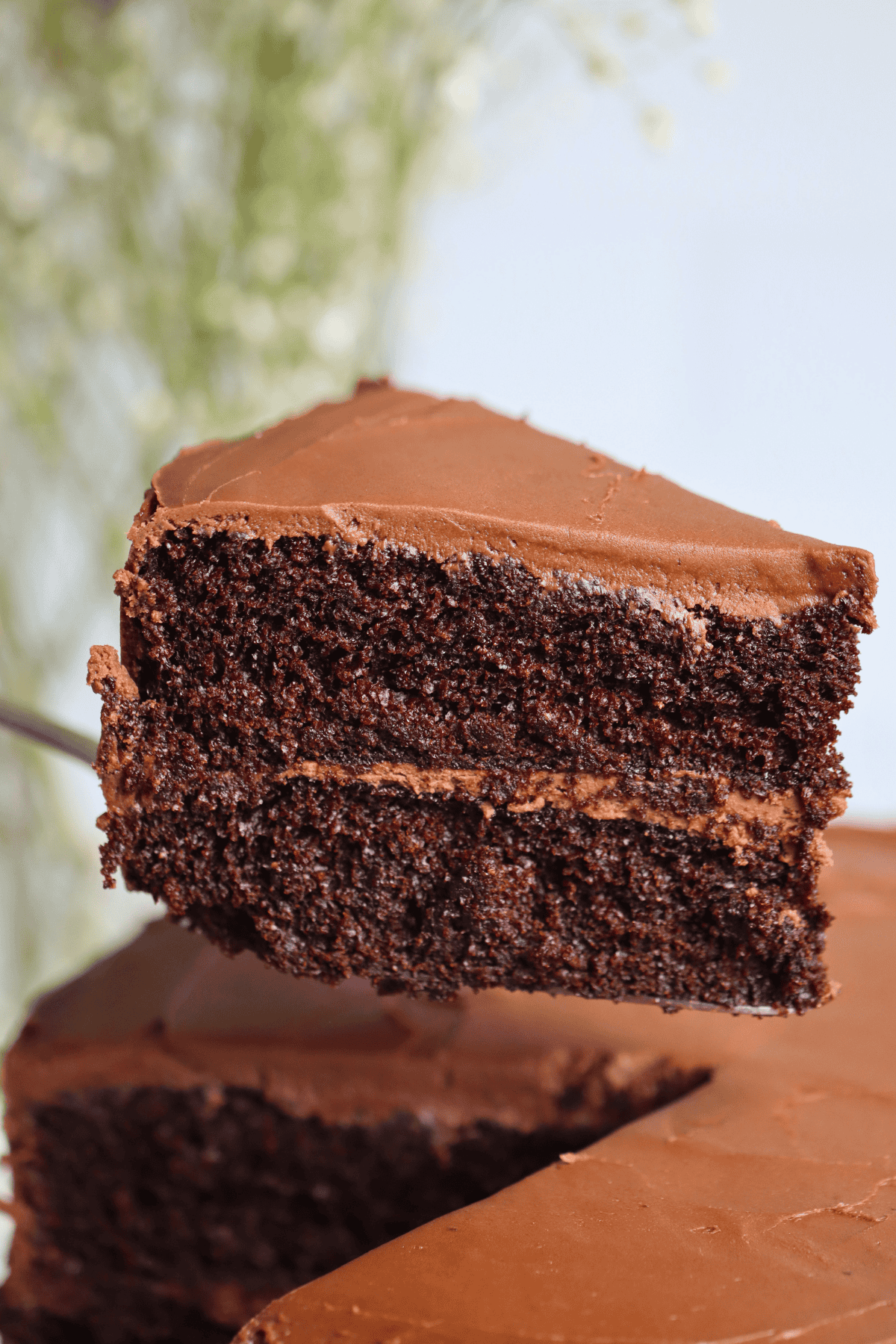

If you’re maintaining a sourdough starter, you already know it’s hungry and prolific—but did you know it belongs in dessert? Sourdough chocolate cake transforms your starter into something unexpectedly delicious, adding subtle tang and moisture that box mixes can’t touch. The fermentation in your starter actually keeps this cake fresher longer while creating a tender crumb. Unlike bread, this uses your starter as an ingredient boost, not the foundation, so you don’t need to feed it days in advance. Let’s turn that starter sitting in your fridge into something your family will actually request.
How to Make Sourdough Chocolate Cake
This cake comes together quickly and rewards simple technique with professional results. The sourdough starter adds complexity without requiring special equipment or timing.
Ingredients
- 1 cup active sourdough starter (fed 4-6 hours prior)
- 1 3/4 cups all-purpose flour
- 3/4 cup unsweetened cocoa powder
- 1 1/2 cups granulated sugar
- 2 large eggs
- 1/2 cup neutral oil
- 3/4 cup buttermilk or milk mixed with vinegar
- 1 1/2 teaspoons baking soda
- 1/2 teaspoon baking powder
- 1/2 teaspoon salt
- 1 teaspoon vanilla extract
- 3/4 cup hot water or hot coffee
Method
Prepare your oven and pans
Preheat your oven to 350°F. Grease a round cake pan (or two 9-inch pans for thinner layers) with oil or butter, then dust lightly with cocoa powder. Line the bottom with parchment paper to ensure easy removal. Set aside while you mix the batter.
Combine dry ingredients
In a medium bowl, whisk together flour, cocoa powder, sugar, baking soda, baking powder, and salt. Break up any cocoa lumps by pressing them against the bowl. This ensures even browning and lift in the finished cake.
Mix wet ingredients
In a separate large bowl, combine your active sourdough starter, eggs, oil, buttermilk, and vanilla extract. Stir until smooth and well combined. The starter should be bubbly and recently fed—this is essential for proper rise and texture.
Create the batter
Pour the dry mixture into the wet ingredients and gently fold together until just combined. Don’t overmix; some small flour streaks are fine. Overmixing develops gluten and creates a tough, dense cake rather than the tender crumb you want.
Add the hot liquid
Slowly pour hot water or coffee into the batter while gently stirring. The batter will become thin and pourable—this is correct. Hot liquid activates the baking soda and creates steam for rise. If using coffee, it intensifies chocolate flavor without tasting like coffee.
Bake until done
Pour batter into prepared pans and bake for 30-35 minutes (35-40 for a single deep pan). Cake is done when a toothpick inserted near the center emerges with just a few moist crumbs. The cake will appear slightly underbaked compared to conventional cakes—that’s the sourdough’s moisture at work.
Cool completely
Allow the cake to cool in the pan for 15 minutes, then turn out onto a wire rack. Cool completely before frosting or storing. Sourdough cakes actually improve overnight as crumbs continue to set—store covered at room temperature for best texture.
- Use your sourdough starter at peak activity (doubled or tripled after feeding), not on the decline. Peak starter has maximum rise power and creates the best texture.
- Cold buttermilk or room-temperature starter both work, but cold ingredients mixed with hot water create beautiful even crumb structure.
- This cake stays moist for 4-5 days, making it ideal for meal prep or gifting. Wrap unfrosted layers individually in plastic wrap for easy use.
What to Look For in Sourdough Baking Essentials
- Mixing bowls: You’ll need at least two sturdy bowls—one for dry ingredients, one for wet. Look for stainless steel or glass that won’t absorb odors and can handle repeated use. Avoid thin plastic that flexes during whisking.
- Cake pans: Light-colored metal pans brown evenly and are easier to read doneness than dark pans. Look for 9-inch rounds that are at least 1.5 inches deep. Avoid glass, which heats too fast and can overbake edges.
- Measuring tools: Accurate measurements matter for cake chemistry. Use dry measuring cups for flour (not the liquid measuring cup) and a kitchen scale for best results. Sourdough cakes especially benefit from weight measurements.
- Whisks and spatulas: A sturdy whisk combines dry ingredients efficiently, while a silicone or rubber spatula gently folds wet and dry without overworking gluten. Look for heat-safe spatulas that won’t melt when washing.
Final Recommendation
Sourdough chocolate cake is the elegant answer to maintaining a hungry starter while impressing your family with minimal effort. This recipe proves that sourdough belongs beyond bread—the fermentation creates complexity and moisture that regular cakes simply can’t achieve. Because the recipe uses straightforward techniques and common pantry items, beginners succeed just as reliably as experienced bakers. The key is using active, bubbly starter and embracing the thin batter as a feature, not a mistake.
Invest in one good cake pan and a kitchen scale, and you’ve set yourself up for success across dozens of recipes, not just this one. Sourdough chocolate cake keeps for nearly a week, gets better the next day, and tastes like you spent far more effort than you actually did. If you’re looking for one recipe that justifies your sourdough starter habit beyond sandwiches and toast, this is it.
Frequently Asked Questions
Can I use inactive or unfed sourdough starter?
No—you need active, bubbly starter at peak rise (doubled or recently tripled after feeding). Inactive starter won’t provide enough rise and will result in a dense, gummy cake. Feed your starter 4-6 hours before baking and use when it’s visibly bubbling and at its peak.
What if I don’t have buttermilk?
Mix regular milk with a tablespoon of lemon juice or white vinegar and let sit 5 minutes. This creates a substitute with similar acidity. The slight tang works beautifully with sourdough chocolate cake.
Why does the batter look so thin?
The hot water creates a pourable batter that’s normal for this recipe. Don’t panic—it bakes into a moist, tender crumb. If you’re used to thick cake batters, this takes trust, but the final texture is superior to thicker mixes.
How long does this cake stay fresh?
Sourdough cakes stay fresh for 4-5 days at room temperature, covered. The acidity in your starter extends shelf life naturally. Store unfrosted cake wrapped individually for best results.
Can I double this recipe?
Yes, double all ingredients and bake in two pans simultaneously, adding 5-10 minutes to bake time. Use two oven racks on the middle and lower positions, and rotate pans halfway through for even browning.
As an Amazon Associate, Build & Bloom earns from qualifying purchases. We only recommend products we genuinely think are useful. Prices and availability vary; check Amazon for the latest.
Leave a Reply