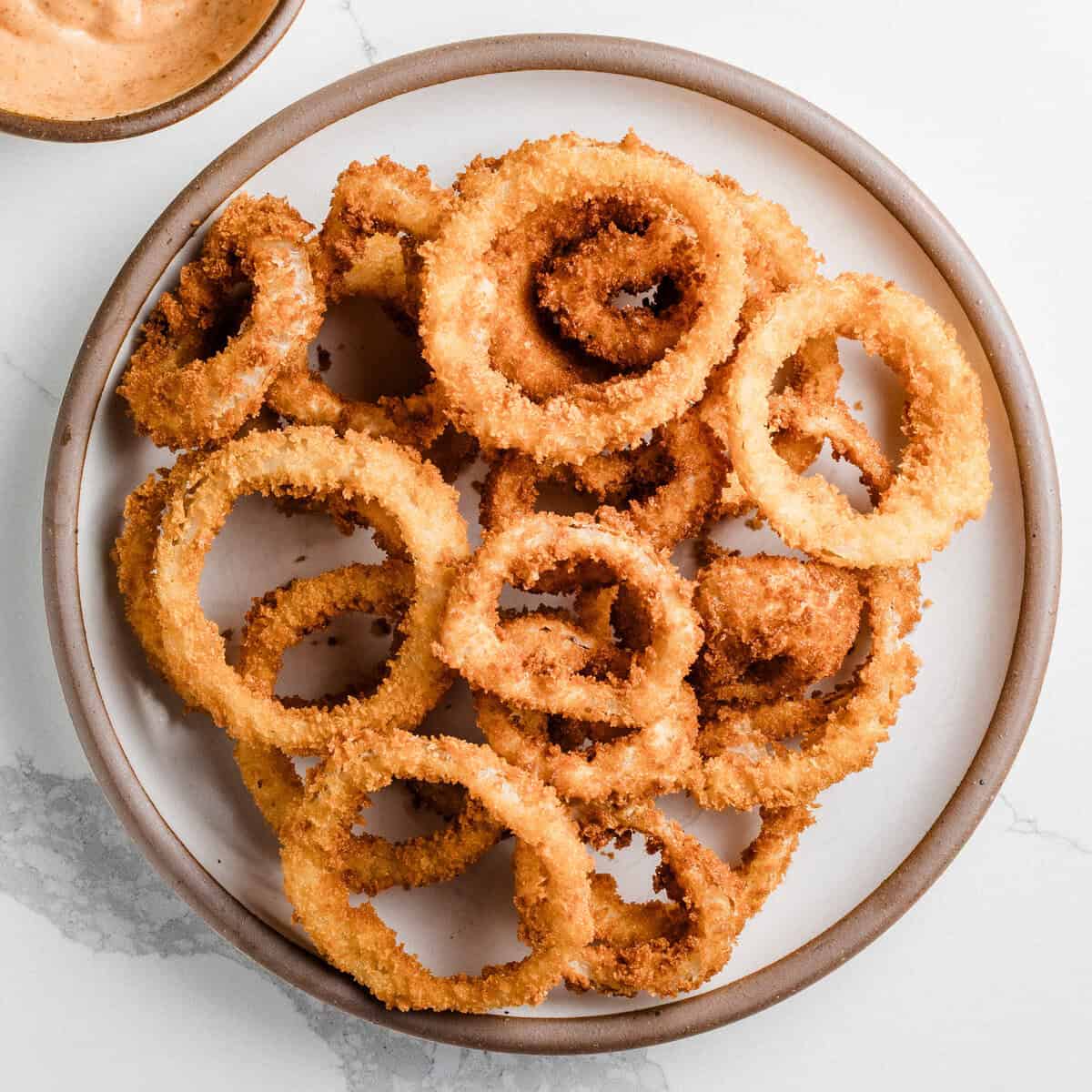

Sourdough onion rings combine the best of two worlds: the satisfying crunch of fried onion rings with the complex, tangy flavor that only a sourdough starter can deliver. If you have an active sourdough culture on hand, you already have the secret ingredient needed to elevate this classic side dish from ordinary to exceptional. These rings are perfect for homestead gatherings, casual weeknight dinners, or whenever you want to impress guests with unexpected flavor depth.
How to Make Sourdough Onion Rings
This recipe transforms humble yellow onions into crispy, tangy rings with a distinctive sourdough flavor. The active starter creates a naturally leavened batter that fries up lighter and more flavorful than standard batters.
Ingredients
- 1 cup active sourdough starter (fed 4-8 hours prior, bubbly and at peak)
- 2-3 large yellow onions, cut into 1/2-inch rings
- 1/2 cup all-purpose flour or cornstarch (or blend of both)
- 1 teaspoon salt, plus extra for finishing
- 1/2 teaspoon black pepper and 1/4 teaspoon paprika (optional but recommended)
- Oil for deep frying (neutral oil like vegetable or canola, 2-3 quarts)
Method
Prepare and separate your onions
Slice onions into rings approximately 1/2-inch thick. Gently separate the rings so they come apart cleanly. Pat them dry with paper towels to remove excess moisture; this helps the batter adhere better and prevents splattering during frying.
Mix your sourdough batter
In a medium bowl, combine your active sourdough starter with flour, salt, pepper, and paprika if using. Stir until you have a thick batter similar to pancake batter consistency. The starter should be bubbly and at peak rise for best results. Let the batter rest for 5 minutes.
Heat your frying oil to temperature
Pour oil into a heavy-bottomed pan or deep fryer and heat to 350-375°F. Use a thermometer for accuracy. The oil must reach proper temperature before frying, as this ensures a crispy exterior and cooked interior. Test with a small piece of onion ring first.
Coat onion rings thoroughly
Working with one ring at a time, dip each onion ring into the sourdough batter, coating all sides completely. Allow excess batter to drip back into the bowl. Place coated rings on a plate until you’re ready to fry a batch.
Fry in small batches
Carefully place 5-7 coated rings into hot oil, spacing them so they don’t stick together. Do not overcrowd the pan, as this lowers oil temperature and creates greasy results. Fry for 2-3 minutes per side until deep golden brown.
Drain and season immediately
Remove cooked rings with a slotted spoon or spider strainer and place on paper towels to drain excess oil. While still warm, sprinkle with fleur de sel or finishing salt. The heat allows salt to adhere better than seasoning after they cool.
Cool slightly before serving
Let rings rest for 2-3 minutes after draining so the exterior sets up while the interior stays tender. Serve warm with your favorite dipping sauce such as aioli, spicy ketchup, or ranch dressing made with fresh homestead herbs.
- Use sourdough starter that is actively bubbling at peak fermentation for the most pronounced tang and the lightest texture. A sluggish starter will produce dense, heavy rings.
- Keep your oil temperature consistent by using a reliable thermometer. Oil that’s too cool creates greasy rings; oil that’s too hot burns the exterior before the batter cooks through.
- If onion rings start browning too quickly, lower the oil temperature by 25 degrees and increase frying time by 30 seconds. Every oven and stovetop behaves differently, so monitor your first batch closely.
What to Look For in Deep Frying Equipment
- Oil temperature control: A reliable thermometer or fryer with built-in temperature regulation is essential for consistent results. Accurate temperature prevents greasy or burnt rings and ensures even cooking throughout each batch.
- Pan size and depth: A heavy-bottomed pan or dedicated fryer should be at least 4-5 inches deep to safely contain hot oil without splashing. Adequate pan size allows you to fry multiple rings without overcrowding.
- Drainage and handling tools: A slotted spoon, spider strainer, or tongs designed for frying allows safe removal of hot rings from oil. Proper tools prevent burns and help shake off excess oil efficiently.
- Stability and safety features: Look for pans with secure handles and wide, flat bases that won’t tip easily. If using an electric fryer, choose one with cool-touch exterior walls and automatic shutoff features for kitchen safety.
Cuisinart Deep Fryer with Oil Filtration System
Best for: Home cooks who fry regularly and want consistent, foolproof results
This electric deep fryer features precise temperature control from 200-375°F with digital readout, eliminating guesswork during cooking. The integrated oil filtration system extends oil life by up to four times, saving money on refills. The 2-liter capacity handles medium batches without crowding, and cool-touch exterior walls make it safe for families. Built-in thermostat maintains steady heat, and the removable basket is dishwasher-safe for easy cleanup.
Check Current Price on Amazon →T-fal Ultimate Hard Anodized Nonstick Deep Frying Pan
Best for: Budget-conscious cooks preferring stovetop frying with minimal equipment
This 5.5-quart hard anodized aluminum pan provides excellent heat distribution and is compatible with all stovetop types. The nonstick interior makes cleanup faster than traditional pans, and the sloped sides facilitate easier draining of fried foods. Durable construction withstands high heat and repeated use. The pan includes a glass lid for storage, though you’ll need a separate thermometer for temperature monitoring during frying.
Check Current Price on Amazon →Presto GranDaddy Electric Deep Fryer
Best for: First-time fryers seeking simplicity and foolproof operation
The Presto GranDaddy is known for its straightforward design and reliable performance. It features adjustable temperature control, a 3-liter capacity basket, and an easy-to-read indicator light showing when oil reaches frying temperature. The basket lowers and raises with minimal effort, and the immersion element heats oil quickly. This fryer is lightweight and compact for kitchen storage, making it ideal for learning the basics before investing in premium equipment.
Check Current Price on Amazon →Miele Deep Fryer with Closed-Lid System
Best for: Serious home cooks and small-scale food enterprises
This premium German-engineered fryer features an innovative closed-lid frying system that reduces odors and spattering while maintaining precise 350°F temperature control. The 7-liter capacity handles large batches effortlessly. Advanced timer and automatic shutdown features prevent overcooking, and the built-in oil filtration system keeps oil cleaner longer. Stainless steel construction ensures decades of durability and professional-grade performance.
Check Current Price on Amazon →Final Recommendation
Making sourdough onion rings at home transforms an ordinary side dish into something genuinely special. The tangy depth of your sourdough starter creates a flavor profile you simply cannot replicate with conventional batters, and the crispy exterior gives way to tender, sweet onion and pillowy, fermented coating. Whether you’re using sourdough to reduce food waste by incorporating your regular starter feedings or simply seeking to elevate your cooking, this recipe delivers restaurant-quality results in under an hour from start to finish.
Invest in reliable frying equipment suited to your household size and cooking frequency. Casual bakers will find an affordable stovetop pan perfectly adequate, while regular fryers benefit from electric models with temperature control and filtration systems. Whichever equipment you choose, your sourdough starter deserves this delicious application beyond bread and pancakes. Serve these rings warm with homemade aioli or locally-sourced dipping sauces for a truly homestead-to-table meal that your family and guests will remember.
Frequently Asked Questions
Can I use sourdough discard instead of active starter?
Discard can work, but active, bubbly starter produces superior results. Active starter contributes more leavening power, creating a lighter, airier batter. If using discard, feed it several hours ahead and let it become bubbly before using in your batter.
How do I prevent my onion rings from sticking together while frying?
Separate rings carefully before battering and avoid overcrowding the pan. Fry only 5-7 rings per batch, leaving adequate space between them. You can also insert wooden picks through the centers of rings to keep them separated as they fry.
What should I do if my batter is too thick or too thin?
Thick batter means more coating per ring but can cook unevenly; thin batter fries faster but provides less texture. Aim for consistency like heavy pancake batter. Add a teaspoon of water at a time to thin, or a tablespoon of flour to thicken.
Can I make the batter ahead of time and refrigerate it?
Not recommended. The sourdough starter loses its bubbles and leavening power when refrigerated for extended periods. Mix the batter just before frying for maximum rise and crispness. You can prep onions several hours ahead and store them in the refrigerator covered with a damp towel.
How can I reuse frying oil and keep it fresh longer?
Strain oil through fine mesh or cheesecloth after each use to remove food particles. Store in a cool, dark place. With proper filtration, quality neutral oil can be reused 8-10 times before becoming too dark and losing flavor. Discard if oil smells rancid or develops a burnt taste.
As an Amazon Associate, Build & Bloom earns from qualifying purchases. We only recommend products we genuinely think are useful. Prices and availability vary; check Amazon for the latest.
Leave a Reply