
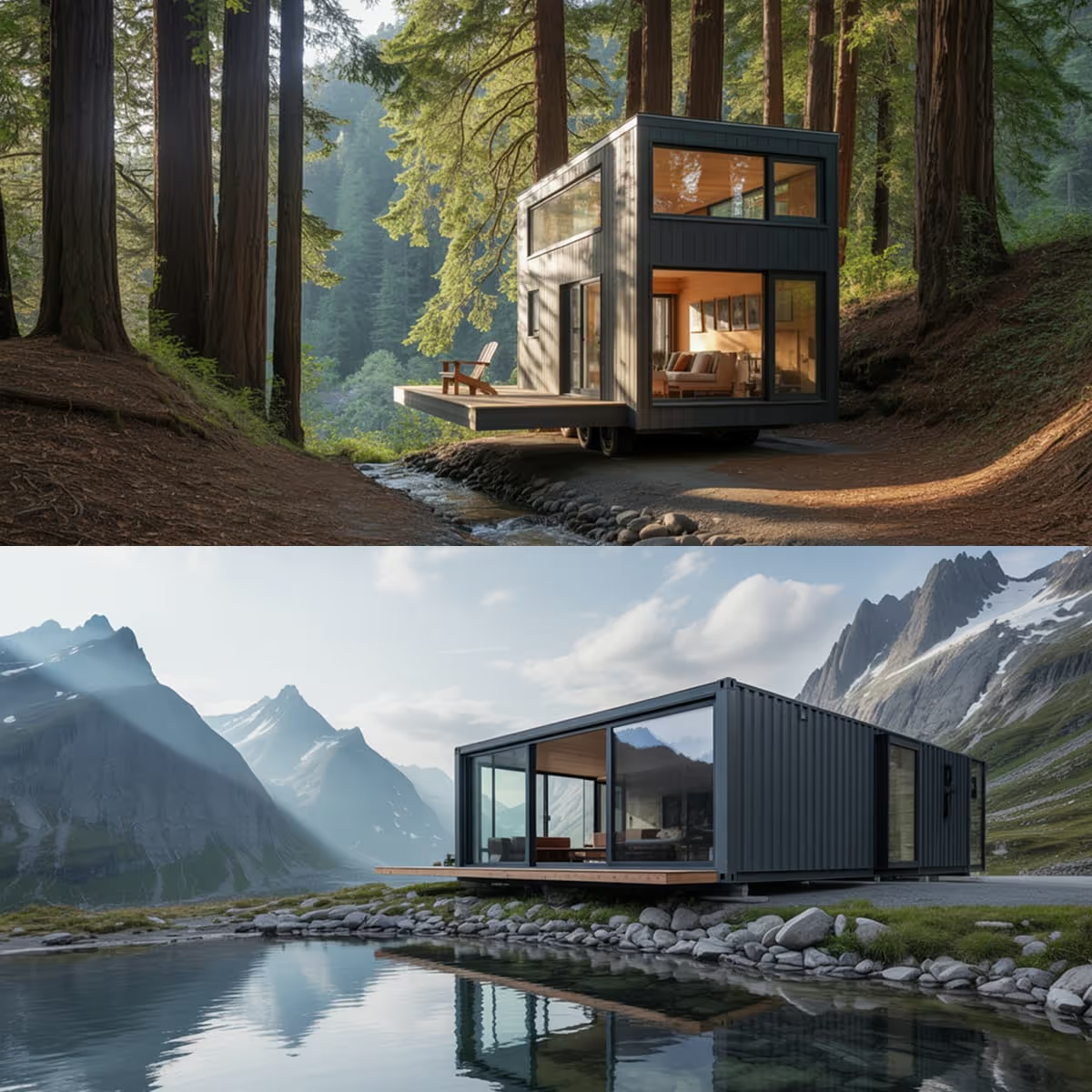
You’ve seen the glossy photos of both tiny houses and container homes on social media, and they both look appealing. But when it comes to actually choosing one for your homestead or alternative living situation, the decision gets complicated fast. Between zoning laws, construction costs, long-term maintenance, and resale value, tiny houses and container homes are fundamentally different builds with different tradeoffs. This guide breaks down the real differences so you can make an informed choice based on YOUR situation, not just Instagram aesthetics.
Key Comparison Points: Tiny Houses vs Container Homes
To make the right choice, evaluate both options across these critical dimensions. Each criterion reveals important advantages and limitations that directly affect your decision.
Comparison Criteria
- Local zoning and building code requirements for your area
- Total budget including land, construction, and permits
- Intended location (urban, rural, or temporary)
- Timeline for completion and occupancy
- Long-term plans (permanent residence vs. short-term investment)
Principles
Compare Construction and Durability
Tiny houses are built on permanent foundations using standard framing materials, making them structurally similar to conventional homes but smaller. Container homes repurpose steel shipping containers, which offer exceptional durability and weather resistance but require specialized modifications. Tiny houses typically last 50+ years with standard maintenance; containers can last decades but rust and corrosion require proactive treatment in humid climates. Consider your local climate and whether you want traditional or industrial construction methods.
Evaluate Zoning and Legal Compliance
Tiny houses often face stricter zoning restrictions because municipalities classify them inconsistently–some allow them as primary residences, others only as accessory dwelling units or on specific properties. Container homes face even tighter regulations since they’re still novel; many jurisdictions lack clear codes, meaning you may need to work with architects and municipalities to get approval. Research your specific location’s regulations before committing. Rural properties generally allow more flexibility than suburban or urban areas. Budget extra time and legal fees for container homes in most regions.
Assess Land Requirements and Flexibility
Tiny houses require permanent land ownership or long-term lease, which increases total project cost but gives you roots and property equity. Container homes can technically be relocated, though moving costs are substantial ($2,000-5,000+). If you’re uncertain about long-term location or want the flexibility to move, container homes theoretically offer more freedom–but only if zoning allows temporary placement. Owning land with a tiny house builds equity over time; renting land keeps costs lower initially but offers no ownership benefits.
Calculate True Project Costs
Tiny houses typically cost $30,000-$60,000+ for construction alone, plus land acquisition, foundation work, and utilities. Container homes cost roughly $10,000-$15,000 per container plus $15,000-$30,000 for modifications and finishing, totaling $25,000-$45,000+ depending on customization level. Land costs vary drastically by region. Container homes often cost less for the structure itself, but don’t underestimate modification expenses. Create a complete budget including permits, utilities, landscaping, and contingencies before deciding based purely on price.
Consider Aesthetic and Customization Options
Tiny houses look like conventional homes and integrate into residential neighborhoods seamlessly, offering unlimited design flexibility through traditional finishes, siding, roofing, and landscaping. Container homes have distinct industrial aesthetics that appeal to specific style preferences but require intentional design to avoid looking temporary or harsh. Some HOAs and neighborhoods actively resist container homes. If you want your home to blend into a conventional neighborhood, tiny houses have a significant advantage. If you prefer bold, modern industrial style, containers shine.
Review Resale Value and Investment Potential
Tiny houses on owned land build equity and have established resale markets, though buyer pools are smaller than conventional homes. Container homes remain novelty purchases for most buyers, limiting resale appeal and creating uncertainty in future market value. If you plan to sell, tiny houses are safer investments. If you’re building for personal long-term use and aren’t concerned with resale, container homes’ lower upfront cost becomes more attractive. This is a critical financial consideration that shouldn’t be overlooked.
Evaluate Utility Infrastructure and Living Space
Tiny houses use standard plumbing, electrical, and HVAC systems identical to conventional homes, making maintenance and repairs straightforward with any contractor. Container homes require specialized modifications for utilities and often offer less finished square footage due to structural constraints of the container format. Tiny houses typically feel more spacious with conventional room layouts; containers require creative vertical storage and multipurpose design. For long-term comfort and ease of maintenance, traditional tiny house systems are more practical.
Factor In Financing and Insurance
Tiny houses qualify for conventional mortgages in many cases (though some lenders have minimum size requirements), making long-term financing feasible. Container homes struggle with conventional financing due to their unconventional nature; you’ll likely need cash or specialized alternative lenders at higher rates. Insurance for tiny houses follows standard homeowner policies; container homes require custom policies and often cost more to insure. These financial realities significantly impact total project affordability over time.
- Contact your local planning and zoning department BEFORE purchasing land or containers–regulations vary dramatically by location and can make either option impossible in your area.
- Visit existing tiny houses and container homes in person rather than relying on photos. Experience the actual space, storage solutions, and feel before committing.
- Budget 20-30% contingency on top of quoted construction costs for both options. Unexpected modifications, permit delays, and material price increases are common in alternative housing projects.
What to Evaluate When Choosing Between Tiny Houses and Container Homes
- Zoning and Legal Status: Research whether your target location permits tiny houses and container homes as primary residences. Some areas restrict both; others allow one but not the other. This single factor can eliminate options entirely.
- Total Project Budget Including Land: Calculate complete costs: structure, land, permits, utilities, finishing, and contingencies. Container homes appear cheaper initially but may cost similarly once all modifications are included. Tiny houses require land investment but build equity.
- Long-Term Location and Flexibility Plans: Decide whether you’re building a permanent residence or exploring options. Tiny houses anchor you to land; containers offer theoretical mobility but still require expensive relocation and new zoning approvals.
- Aesthetic Preferences and Neighborhood Integration: Consider whether you want your home to blend into conventional neighborhoods or stand out. Tiny houses integrate seamlessly; container homes require bold design intention and may face HOA resistance in traditional communities.
Tiny House Floor Plan Design Software – Chief Architect Premier X14
Best for: Planners comparing both options with detailed visualization
Professional-grade design software lets you create detailed floor plans and 3D renderings for both tiny houses and container homes before committing to construction. Includes building codes, material libraries, and cost estimation tools. This is the most practical way to evaluate space utilization and layout efficiency for either option. You can experiment with furniture placement, storage solutions, and utility routing for both formats, making informed decisions based on visual understanding rather than imagination.
Check Current Price on Amazon →Tiny House Floor Plans Book Set – Jay Shafer Collection
Best for: Tiny house builders seeking proven designs
Comprehensive collection of tested tiny house floor plans with detailed construction drawings, material lists, and cost breakdowns. Shafer pioneered modern tiny house design and his plans reflect real-world living experience. Each design includes utilities routing, storage solutions, and living optimization strategies developed through actual use. These plans accelerate decision-making by showing real space configurations and proven layouts rather than theoretical designs.
Check Current Price on Amazon →Container Architecture: Guide to 40ft Shipping Container Conversion
Best for: Container home builders planning modifications
Detailed technical guide covering structural modifications, cutting, reinforcement, utilities integration, and insulation strategies for shipping containers. Explains load-bearing considerations, thermal performance, and customization options essential for container conversion projects. Includes case studies of successful conversions showing before/after results, cost breakdowns, and timeline estimates. Critical reference for understanding container-specific challenges and solutions before committing to construction.
Check Current Price on Amazon →Local Zoning Code Research Service – Municode Database Access
Best for: Evaluating legal feasibility before investing
Affordable subscription service providing complete access to zoning ordinances and building codes for jurisdictions nationwide. Search your specific location to determine whether tiny houses, container homes, or both are legally permitted as primary residences. Includes accessory dwelling unit restrictions, lot size requirements, and setback regulations. This research is essential before any other planning and costs far less than hiring consultants to navigate regulations later.
Check Current Price on Amazon →Tiny House vs Container Home Cost Analysis Spreadsheet – BuildCalc
Best for: Budget-conscious planners comparing total costs
Pre-built Excel spreadsheet template that systematically compares tiny house and container home projects across 50+ cost categories including land, structure, utilities, permits, and finishing. Automatically generates side-by-side cost comparisons and ROI projections. Helps identify which option is financially superior for your specific situation and budget constraints. Updates reflect current material prices and labor rates, providing realistic modern cost estimates.
Check Current Price on Amazon →Professional Site Analysis and Feasibility Report – Licensed Architect Consultation
Best for: Serious planners with complex sites or zoning questions
Comprehensive professional evaluation of your specific property and local regulations by a licensed architect experienced in alternative housing. Includes site analysis, solar potential assessment, utility accessibility review, and detailed zoning interpretation for your exact location. Worth the investment ($1,500-$3,500) if your situation involves complex zoning, difficult terrain, or significant investment. Prevents costly mistakes and identifies site-specific optimization opportunities for either option.
Check Current Price on Amazon →Living Small: The New Measure of Wealth – Book by Dee Williams
Best for: Exploring lifestyle philosophy behind both options
Personal narrative from a tiny house pioneer examining why people choose alternative housing and what living small really means psychologically and practically. Addresses the lifestyle adjustment, space optimization mindset, and financial philosophy underlying both tiny houses and container homes. Essential reading for ensuring you’re choosing based on genuine lifestyle alignment rather than trends. Helps you understand whether downsizing suits your actual values and priorities.
Check Current Price on Amazon →National Association of Home Builders Tiny House Standards – NAHB Guidelines
Best for: Builders and planners understanding construction standards
Official building industry standards for tiny house construction covering structural design, insulation requirements, plumbing and electrical codes, and safety specifications. While container homes lack similar official standards, understanding NAHB tiny house requirements establishes baseline expectations for quality and code compliance. Ensures any tiny house builder you work with meets industry standards rather than improvising. Provides technical reference for evaluating construction proposals objectively.
Check Current Price on Amazon →Making Your Final Decision
The choice between a tiny house and container home isn’t about which is objectively better–it’s about which aligns with YOUR specific situation. Start with zoning research. If your area doesn’t permit either option, the decision is made. If both are legal, evaluate budget constraints (containers often cost less upfront), permanence goals (tiny houses build equity), aesthetic preferences (containers require bold design commitment), and resale intentions (tiny houses have established markets). Visit existing examples of both before committing. Talk to owners about unexpected challenges, maintenance realities, and whether they’d make the same choice again.
Tiny houses offer traditional construction, easier financing, better neighborhood integration, and proven resale value–but require land ownership and higher upfront costs. Container homes provide lower construction costs, industrial aesthetics, and theoretical mobility–but face zoning uncertainty, specialist maintenance needs, and resale challenges. Neither is universally superior. Both represent commitment to intentional living. Make your decision based on realistic assessment of your location, budget, timeline, and lifestyle priorities rather than social media appeal. The best choice is the one that works for your actual situation, not someone else’s highlight reel.
Frequently Asked Questions
Can I get a mortgage for a tiny house or container home?
Tiny houses increasingly qualify for conventional mortgages, though some lenders require them to meet minimum size requirements. Container homes struggle with conventional financing and typically require cash purchases or specialized alternative lenders at higher rates. Check with lenders in your area before assuming financing is available for container homes.
Which option is better for resale value?
Tiny houses on owned land have more established resale markets and build equity over time, making them safer long-term investments. Container homes remain novelty purchases with uncertain future market value and smaller buyer pools. Choose tiny houses if resale potential matters; choose containers if you’re building for personal use without concern for future sale.
Do HOAs allow tiny houses or container homes?
Many HOAs actively restrict or prohibit both, though some permit tiny houses as they resemble conventional homes. Container homes face stronger resistance due to their distinctive industrial appearance. Always verify HOA rules before purchasing property, as both options may be forbidden in your desired neighborhood.
What are the maintenance differences between tiny houses and container homes?
Tiny houses use standard systems (plumbing, electrical, HVAC) any contractor can service. Container homes require specialized expertise for modifications and rust prevention in humid climates. Maintenance costs are typically lower for tiny houses due to standard systems and availability of qualified contractors.
Which option works better for temporary or mobile living?
Container homes theoretically offer mobility, but moving costs ($2,000-5,000+) and new zoning approvals make relocation expensive and complicated. Tiny houses are essentially permanent once placed. For genuinely temporary living, traditional RVs or tiny home rentals may be more practical than purchasing either option.
As an Amazon Associate, Build & Bloom earns from qualifying purchases. We only recommend products we genuinely think are useful. Prices and availability vary; check Amazon for the latest.
Leave a Reply