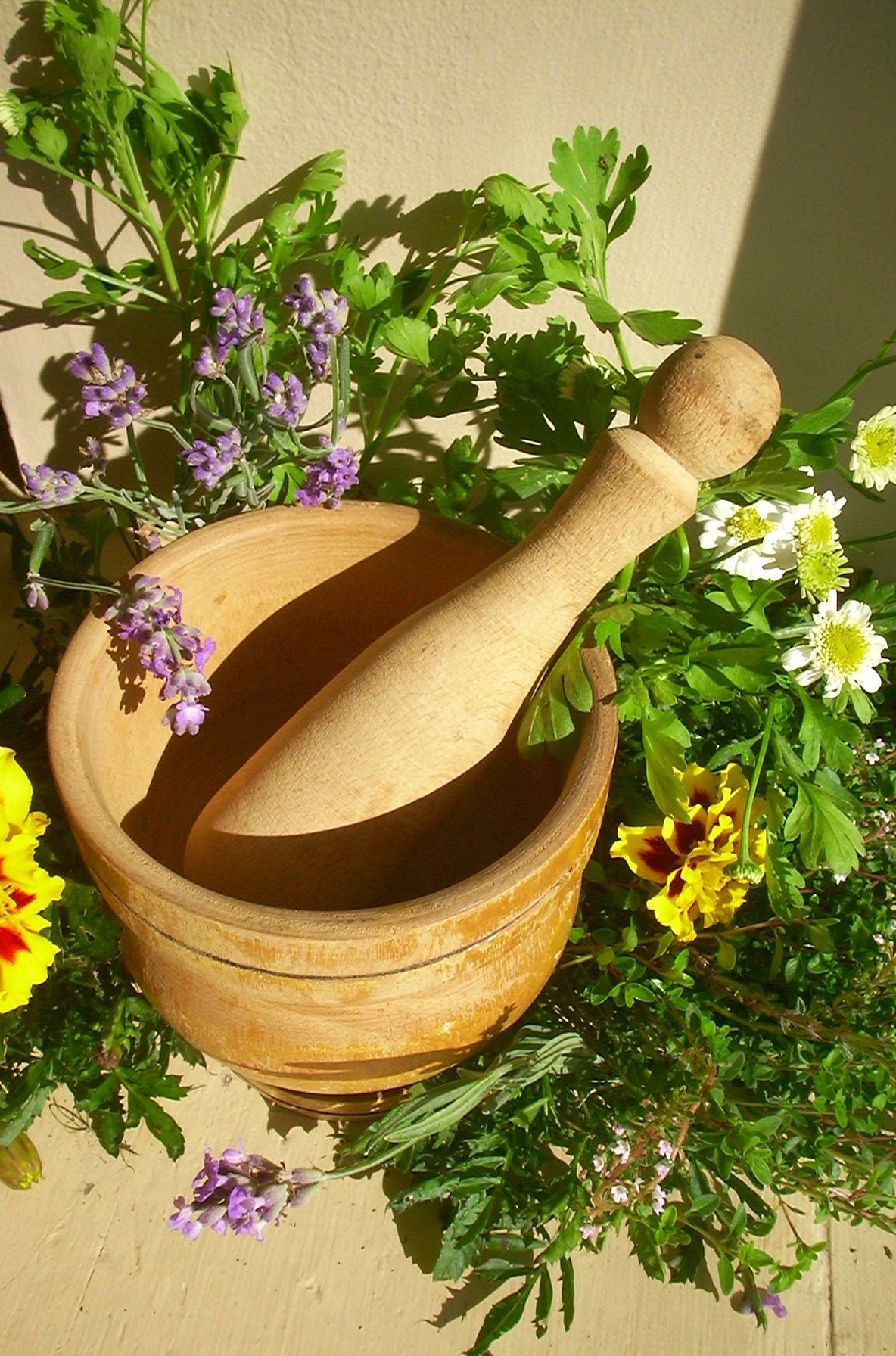

Growing your own medicinal herbs transforms your homestead into a natural pharmacy. Instead of buying dried herbs at premium prices, you’ll have fresh plants at your fingertips for teas, tinctures, salves, and remedies. Whether you’re managing minor ailments or supporting wellness, a well-planned medicinal garden saves money and gives you complete control over what you grow and how it’s treated.
How to Plant and Maintain Your Medicinal Garden
Building a medicinal herb garden is simpler than most people think. Follow these steps to establish a thriving collection of healing plants.
What You Will Need
- A sunny location with at least 6 hours of direct sunlight daily
- Well-draining soil enriched with compost or aged manure
- Gardening tools including a spade, hoe, and hand trowel
- Watering can or hose with adjustable spray
- Plant labels and a garden journal for tracking varieties
- Seeds or seedlings of medicinal herb varieties suited to your zone
Steps
Scout Your Location
Walk your property and identify the sunniest spot available. Most medicinal herbs thrive in full sun with at least 6 hours of direct exposure daily. Avoid areas near large trees that create shade or compete for water. The location should also be easily accessible so you’ll actually use and maintain your garden consistently.
Test and Amend Your Soil
Collect soil samples from your chosen spot and test the pH and nutrient content if possible. Most medicinal herbs prefer slightly acidic to neutral soil with good drainage. Work compost, aged manure, or peat moss into the top 8-12 inches of soil to improve structure and fertility. Break up compacted earth with a spade or garden fork to prevent waterlogging.
Choose Climate-Appropriate Plants
Select medicinal herbs that naturally grow in your hardiness zone. Beginners should start with hardy perennials like echinacea, lemon balm, and oregano that return year after year. Add annuals like chamomile and basil for seasonal variety. Research each plant’s specific requirements for sun, water, and temperature before purchasing.
Plant in Rows or Clusters
Space plants according to their mature width, typically 12-18 inches apart for most herbs. Group plants with similar water needs together for efficient watering. Plant taller varieties on the north side so they don’t shade shorter plants. Gently firm soil around each plant and water immediately after planting to eliminate air pockets.
Establish a Watering Routine
Water deeply and consistently, aiming for about 1 inch of water per week through rainfall or manual irrigation. Water at the soil level early in the morning to reduce disease and evaporation. Check soil moisture by inserting a finger 2 inches deep; water when the soil feels dry at that depth. Reduce watering in fall as plants enter dormancy.
Mulch to Conserve Moisture and Suppress Weeds
Apply 2-3 inches of organic mulch like straw, wood chips, or shredded leaves around each plant, keeping it a few inches away from stems to prevent rot. Mulch regulates soil temperature, reduces water evaporation, and inhibits weed growth. Refresh mulch annually as it breaks down and enriches the soil.
Harvest Regularly to Promote Growth
Begin harvesting leaves and stems once plants are established, typically 6-8 weeks after planting. Pinch off the top 1/3 of the plant to encourage bushier, fuller growth. Harvest in the morning after dew dries but before intense heat. Remove no more than one-third of the plant at a time to ensure continued vigor.
Maintain Records and Plan Expansion
Document what you plant, where, and how each variety performs in your garden. Note harvest dates, yields, and any pest or disease issues. This journal becomes invaluable for refining your garden year to year and deciding which medicinal herbs to expand or remove from your rotation.
- Start small with 5-8 plants your first year. Success breeds confidence, and a manageable garden is more likely to thrive than an overly ambitious one.
- Preserve your harvest by drying herbs in bundles hung upside down in a warm, dry location, or by making tinctures with alcohol. Properly stored dried herbs retain potency for 1-2 years.
- Plant mint and lemon balm in containers rather than directly in the ground, as they spread aggressively and can overtake neighboring plants.
What to Look For in Medicinal Gardening Tools and Supplies
- Tool Quality and Ergonomics: Look for tools with sturdy metal construction and comfortable handles that reduce hand fatigue during digging and turning soil. Lightweight tools are easier to control for extended gardening sessions, especially for seniors or those with joint concerns.
- Soil Amendment Options: Choose compost and manure specifically labeled as aged or fully composted to avoid introducing weed seeds or pathogens. Organic, disease-free amendments ensure your medicinal plants stay healthy and pesticide-free.
- Watering System Flexibility: Select watering cans or hoses with adjustable spray patterns so you can deliver water gently to seedlings or powerfully to loosen soil. Longer hoses reduce the need to refill frequently and reach all corners of your garden.
- Mulch Material Safety: Use only untreated organic mulches like straw, wood chips, or shredded leaves. Avoid treated wood or synthetic materials that may leach chemicals into soil where medicinal plants absorb nutrients.
Fiskars 3-Piece Ergonomic Garden Tool Set
Best for: Beginners starting their first medicinal garden
This three-piece set includes a spade, cultivator, and hand trowel with lightweight aluminum heads and cushioned handles. Each tool is specifically designed for soil preparation, weeding, and planting work. The ergonomic grips reduce hand strain during extended use, making this set ideal for setting up raised beds or in-ground gardens. Fiskars tools are known for durability and come backed by a solid warranty.
Check Current Price on Amazon →Gardman 80-Liter Garden Compost Bin
Best for: Homesteaders creating their own soil amendments
This black polypropylene compost bin holds 80 liters of decomposing material and features easy-access panels for turning and harvesting finished compost. It accelerates decomposition while keeping pests out and odors contained. Perfect for processing kitchen scraps and garden waste into nutrient-rich compost for your medicinal beds. Takes up minimal space in yards of any size.
Check Current Price on Amazon →Rain Bird Watering Wand with Trigger Control
Best for: New gardeners learning proper watering techniques
This lightweight 30-inch wand connects to standard garden hoses and features a pistol-grip trigger for precise water control. The adjustable shower head lets you shift from fine mist to powerful stream depending on plant stage and soil conditions. Perfect for gentle seedling watering or deeper soil saturation. The extended reach means you water plants without bending or kneeling excessively.
Check Current Price on Amazon →Proven Winners Medicinal Herb Seedling Variety Pack
Best for: Gardeners wanting pre-selected herb combinations
This curated pack includes healthy seedlings of five medicinal herbs chosen for complementary growing requirements and therapeutic uses. Includes varieties like echinacea, chamomile, lemon balm, oregano, and sage. Seedlings arrive ready to transplant, saving weeks of seed-starting time. Proven Winners guarantees plant quality and provides growing instructions specific to each herb.
Check Current Price on Amazon →Start Your Medicinal Garden Today
A medicinal plant garden is one of the most rewarding homestead projects you can undertake. You’ll enjoy fresh, potent herbs grown without pesticides, reduce your spending on supplements and dried herbs, and deepen your knowledge of traditional plant medicine. The process is straightforward: select a sunny location, prepare nutrient-rich soil, choose climate-appropriate plants, and commit to consistent watering and harvesting.
Begin small and let success build your confidence. Your first year might include just five to eight plants, but within a few seasons, you’ll have a thriving collection of medicinal herbs tailored to your family’s needs. Keep detailed records, share your harvests with neighbors and friends, and watch as your medicinal garden becomes an essential part of your homestead infrastructure.
Frequently Asked Questions
Which medicinal herbs are easiest for complete beginners?
Start with hardy, forgiving plants like mint, chamomile, lemon balm, oregano, and sage. These survive neglect, tolerate variable watering, and spread vigorously. They’re also among the most useful for common home remedies.
How much space do I need for a medicinal herb garden?
You can start with as little as 4×4 feet of garden bed or several large containers on a patio. Most medicinal herbs are compact plants that don’t sprawl significantly. A small, well-maintained garden produces more than enough for household use.
Can I grow medicinal herbs indoors in containers?
Yes, many medicinal herbs adapt well to containers placed in sunny windows or under grow lights. Use high-quality potting soil, provide 12-16 hours of light daily, and ensure good drainage. Container gardening works well for mint, basil, and oregano in northern climates.
When is the best time to harvest medicinal plant leaves?
Harvest in early morning after dew dries but before peak heat. Most medicinal compounds are strongest at this time. For perennials, wait until the plant is established, then harvest regularly to encourage bushier growth.
How do I prevent pests and disease in a medicinal herb garden without chemicals?
Practice good sanitation by removing diseased leaves immediately, ensure adequate air circulation by spacing plants properly, and use companion planting strategies. Introduce beneficial insects like ladybugs, and hand-pick pests. Neem oil or insecticidal soap are organic options for serious infestations.
As an Amazon Associate, Build & Bloom earns from qualifying purchases. We only recommend products we genuinely think are useful. Prices and availability vary; check Amazon for the latest.
Leave a Reply