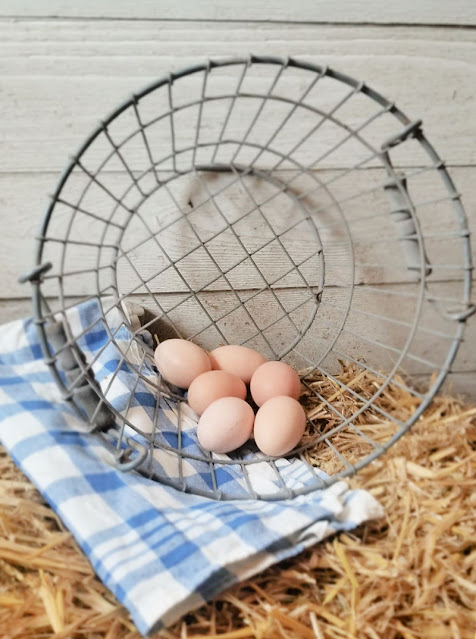

Starting a backyard flock is exciting, but choosing the right breed makes the difference between collecting eggs daily and disappointing empty nests. Not all chicken breeds are created equal when it comes to egg production–some lay consistently through winter while others slow down, some produce small pullet eggs while others deliver jumbo brown eggs, and some are hardy in cold climates while others struggle in harsh weather. Before you buy chicks or pullets, understanding how different breeds perform across key factors will help you build a flock that actually meets your homestead goals.
How to Compare Egg-Laying Chicken Breeds
Selecting the right breed requires evaluating multiple performance factors. Use these comparison criteria to match breeds to your specific situation.
Key Comparison Criteria
- Annual egg production count (250-300+ eggs per year is excellent for production breeds)
- Egg size and color (white, brown, blue, or specialty varieties)
- Broodiness tendency (whether they stop laying to sit on eggs)
- Climate hardiness (cold tolerance and heat sensitivity ratings)
- Temperament and handling ease (important for backyard flock management)
- Lifespan and laying years (when productivity begins declining)
Comparison Process
Assess Your Climate Zone
Determine whether you live in a cold winter climate, hot summer region, or moderate zone. Cold-hardy breeds like Wyandottes and Orpingtons maintain production through winter months, while heat-tolerant breeds like Leghorns and Sussex handle warm climates better. This single factor eliminates unsuitable breeds immediately and prevents disappointing winter egg production shortfalls.
Define Your Egg Production Target
Calculate how many eggs you need weekly. A single production breed lays 5-6 eggs per week, while dual-purpose breeds average 3-4 weekly. If you want 2-3 dozen eggs per week, you’ll need different quantities depending on breed selection. This determines not just which breed, but how many birds to purchase.
Identify Your Preferred Egg Color
Decide whether you want standard brown or white eggs, or if you’d enjoy the novelty of blue, green, or speckled varieties. This is purely aesthetic but influences breed selection significantly. Some people collect eggs for visual appeal in their kitchen, while others prioritize production regardless of appearance.
Evaluate Space and Predator Risk
Assess your run size and predator pressure. Flighty, nervous breeds like Leghorns need more space and can escape enclosures, while calmer breeds like Orpingtons and Australorps are easier to contain. Some breeds go broody frequently, reducing egg output but making them good mothers for raising chicks naturally.
Consider Dual-Purpose vs. Production-Only
Decide if you want birds that lay well but also provide reasonable meat portions, or if you want maximum egg production from leaner birds. Dual-purpose breeds like Rhode Island Reds and Sussex take longer to reach peak production but offer flexibility for breeding or meat use later.
Research Availability in Your Region
Check which breeds are readily available through local hatcheries and breeders. Some specialty breeds have long waiting lists or require ordering months in advance. Starting with established local sources ensures you get healthy chicks and can get expert advice from experienced breeders familiar with your climate.
- Mix 2-3 complementary breeds in your flock to spread out egg production across different seasons and egg colors, reducing the impact if one breed stops laying during molt.
- Purchase point-of-lay pullets (16-18 weeks old) rather than chicks if you want eggs within weeks instead of months, especially important if you’re starting in late summer.
- Track your flock’s actual egg production for the first year to establish baseline numbers, helping you make informed decisions about breeding or replacement purchases.
What to Look For in Egg-Laying Chicken Breeds
- Annual Egg Production: Production breeds should deliver 250-300+ eggs per year, which translates to 5-6 eggs per bird weekly during peak laying months. Lower production breeds average 150-200 eggs annually and are better suited for dual-purpose flocks where you want some meat production.
- Cold Hardiness Rating: If you experience freezing winters, prioritize breeds with small combs and wattles (less frostbite risk) and dense feathering. Cold-hardy breeds maintain laying through winter when other breeds reduce production to nearly zero, making them essential for year-round egg supply.
- Temperament and Broodiness: Broody breeds frequently stop laying to sit on eggs, reducing your annual production by 2-3 months. Non-broody production breeds lay continuously throughout their peak laying years, while some dual-purpose breeds go broody regularly, which is beneficial if you want to hatch your own chicks naturally.
- Lifespan and Production Curve: Peak laying occurs in year one and two, declining gradually after age three. Some breeds maintain decent production through year four, while others drop sharply. Understanding when a breed becomes unproductive helps you plan replacement purchases and breed rotation schedules.
Meyer Hatchery Rhode Island Red Chicks
Best for: Homesteaders wanting reliable production and dual-purpose capability
Rhode Island Reds are the gold standard for balanced backyard flocks, delivering 250-300 brown eggs annually while maintaining reasonable meat weight for processing. Hardy in most climates, moderately broody, and forgiving of beginner mistakes, this breed excels whether you prioritize eggs or want flexibility for meat production. They’ve been the backbone of American homesteads for over a century for good reason.
Check Current Price on Amazon →Murray McMurray Hatchery Leghorn Chicks
Best for: Producers wanting maximum egg output regardless of size
Leghorns are the laying champions, producing 280-320 white eggs annually from a lean, active frame. These nervous, flighty birds aren’t the friendliest backyard companions, but their feed-to-egg conversion rate is unmatched. Best for owners who prioritize egg quantity and don’t mind a less handleable bird that requires secure, spacious housing.
Check Current Price on Amazon →Stromberg’s Hatchery Wyandotte Chicks
Best for: Northern climate homesteaders needing winter production
Wyandottes combine cold hardiness with solid production of 200-260 brown eggs yearly, maintaining reasonable laying through harsh winters when other breeds nearly stop. Their compact body, small comb, and dense feathering provide natural frost protection. Moderately broody and excellent mothers, they’re ideal for integrated flocks that include breeding and chick raising.
Check Current Price on Amazon →Cackle Hatchery Black Australorp Chicks
Best for: Families wanting friendly, docile birds with good production
Australorps are calm, personable birds that produce 250-300 glossy brown eggs yearly while remaining manageable for children and casual handlers. Originally developed in Australia for hot climates but adaptable everywhere, they’re broody enough to hatch eggs but not so broody that production suffers. Excellent dual-purpose birds combining consistent laying with reasonable meat potential.
Check Current Price on Amazon →Greenfire Farms Araucana Chicks
Best for: Homesteaders wanting decorative blue and green eggs
Araucanas produce unique blue-green eggs that command premium prices at farmers markets, delivering 250+ distinctively colored eggs annually. These small, active birds are excellent foragers and surprisingly cold-hardy for their size. Moderate broodiness and friendly temperament make them popular with hobby flocks, though egg production sometimes takes a backseat to their ornamental appeal.
Check Current Price on Amazon →Tractor Supply Red Star/Red Sex Link Pullets
Best for: Budget-conscious beginners wanting quick egg production
Sex-link hybrids like Red Stars are inexpensive point-of-lay pullets that begin laying within weeks of purchase. They produce 250-300 brown eggs yearly during their peak years but decline sharply after year two, making them economical for short-term production rather than long-term flocks. Availability varies seasonally, making this a practical local option for immediate egg production.
Check Current Price on Amazon →Ideal Poultry Orpington Chicks
Best for: Homesteaders wanting substantial meat and respectable egg production
Orpingtons are large, calm birds producing 200-280 brown eggs yearly while reaching excellent meat weight for processing. Available in multiple color varieties, they’re broody and excellent mothers, making them ideal for closed-loop breeding programs. Their size and temperament make them perfect for mixed flocks where you want egg production, chick hatching, and meat options all from one breed.
Check Current Price on Amazon →Meyer Hatchery Sussex Chicks
Best for: Southern and southwestern homesteaders wanting heat tolerance with personality
Sussex chickens produce 250-300 speckled or solid-colored brown eggs yearly while tolerating heat better than most heritage breeds. Curious, friendly birds that actively forage, they reduce feed costs through free-ranging and pest control. Moderate broodiness and excellent dual-purpose qualities make them versatile for diverse homestead systems, particularly in warm regions.
Check Current Price on Amazon →Make Your Final Breed Decision
The best egg-laying chicken breed for your homestead depends entirely on your specific priorities: climate conditions, available space, desired egg color, and whether you want production-only or dual-purpose birds. If you live in a cold climate and want consistent winter eggs, cold-hardy breeds like Wyandottes and Rhode Island Reds outperform everything else. If you want maximum eggs regardless of handling ease, Leghorns deliver unmatched production. If you prioritize temperament and dual-purpose capability, Australorps and Orpingtons provide balanced performance across multiple goals.
The most successful backyard flocks often include 2-3 complementary breeds rather than a single type, spreading out peak production cycles and providing visual variety in your daily egg collection. Start with 3-4 birds per person in your household, choose breeds suited to your climate first and production goals second, and plan to refresh your flock every 2-3 years as production declines. Within weeks of bringing home your first pullets, you’ll be collecting fresh eggs daily and discovering why homesteaders have kept chickens for millennia.
Frequently Asked Questions
At what age do chickens start laying eggs?
Most breeds begin laying between 18-24 weeks of age, with some precocious breeds starting as early as 16 weeks. Point-of-lay pullets purchased at 16-18 weeks old will begin laying within days or weeks of arrival. Large dual-purpose breeds may not lay until 24+ weeks, while production breeds often start earlier.
How long do chickens lay eggs productively?
Peak production occurs during year one and two, when birds lay at 90-95% capacity. Production gradually declines in year three, dropping to 70-80% capacity. Most backyard flocks replace birds after 2-3 years, though some breeds maintain adequate production for 4+ years if managed well.
Will roosters increase my flock’s egg production?
No–roosters are unnecessary for egg production, only for fertilized eggs destined to hatch chicks. A rooster actually decreases laying productivity because hens divert energy to breeding behaviors rather than laying. Add roosters only if you want to breed chicks naturally or control flock dynamics through his presence.
Can I mix different chicken breeds in one flock?
Yes, mixing compatible breeds is advantageous for spreading egg production, egg color variety, and genetic diversity. However, avoid mixing very small breeds with large ones, and monitor for bullying if temperaments clash significantly. Most production and dual-purpose breeds integrate smoothly when introduced at similar ages.
What factors reduce egg production besides breed selection?
Molting (shedding and regrowing feathers) naturally stops laying for 8-12 weeks annually. Stress, predator attacks, poor nutrition, illness, excessive heat, and inadequate lighting also reduce production. Providing 14+ hours of light daily, quality feed with sufficient protein, and secure, comfortable housing maximizes production regardless of breed selection.
As an Amazon Associate, Build & Bloom earns from qualifying purchases. We only recommend products we genuinely think are useful. Prices and availability vary; check Amazon for the latest.
Leave a Reply