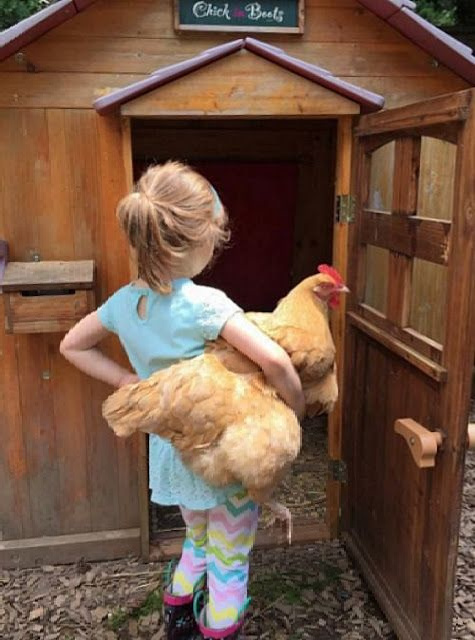

Starting a backyard chicken flock with kids is exciting, but not all breeds have the calm, gentle dispositions that make them safe and enjoyable for young handlers. The wrong breed choice can lead to stressed birds, pecking problems, and disappointed children. Understanding the temperament, size, care requirements, and productivity of different breeds helps you select chickens that will thrive in your family environment while providing fresh eggs and meaningful interactions for years to come.
How to Choose the Best Chicken Breed for Your Family
Selecting the right chicken breed involves evaluating five key factors that determine how well a bird will integrate into your family’s lifestyle and space.
Comparison Criteria
- Temperament assessment – how the breed naturally behaves toward humans and other chickens
- Space requirements – minimum run and coop size per bird for the breed’s typical body size
- Climate tolerance – heat and cold hardiness ratings for your growing zone
- Egg production – annual yield and egg size to match your household needs
- Broodiness tendency – likelihood the hen will want to sit eggs, affecting egg collection
Selection Process
Assess Your Climate Zone
Identify your USDA hardiness zone and average summer/winter temperatures. Some breeds like cold-hardy types with smaller combs handle northern winters better, while heat-tolerant breeds with larger combs thrive in southern climates. Mismatched breeds become stressed, stop laying, and may not survive seasonal extremes.
Measure Available Space
Calculate your coop interior space (minimum 3-4 square feet per bird) and outdoor run area (8-10 square feet per bird). Larger breeds need proportionally more room. Overcrowding creates pecking order aggression and health problems that make birds unfriendly toward handlers.
Research Documented Temperament
Read breed-specific accounts from multiple homesteading sources about how birds interact with humans. Look for descriptors like ‘broody,’ ‘docile,’ ‘curious,’ or ‘skittish.’ Avoid breeds known for aggression or extreme flightiness, especially if young children will handle them regularly.
Compare Egg Production Rates
Check expected annual egg yields per breed (typical range: 150-280 eggs yearly). Match production to your family’s consumption. Higher-producing breeds may be more flighty; broody breeds produce fewer eggs when sitting. Find your balance between fresh eggs and bird docility.
Consider Broodiness for Your Goals
Decide if you want chicks naturally hatched by your flock or if you prefer consistent egg production without interruption. Broody hens stop laying for 8+ weeks. Some families enjoy the educational experience; others want year-round egg collection from non-broody birds.
Evaluate Handling Characteristics
Contact local breeders or hatcheries to handle birds before purchasing if possible. Hold young chickens gently and observe how they respond to human contact. Birds that relax quickly in hands and show curiosity rather than fear will be safer and more rewarding for children.
Plan For Predator Protection
All family-friendly breeds still require secure housing regardless of temperament. Design a sturdy coop with latches children can operate safely, buried fencing against digging predators, and hardware cloth windows. Friendly birds are vulnerable birds, so protection infrastructure is non-negotiable.
- Start with pullets (young hens) rather than chicks if this is your family’s first flock—they’re already socialized, require less specialized care, and reach egg-laying age faster, building your confidence.
- Buy from reputable hatcheries or breeders that select for docile temperament within breeds; not all birds of the same breed have identical personalities, and good genetics matter.
- Plan for predators in your temperament decision—friendly, curious breeds that come running to you are also more vulnerable to hawks during free-range time, so containment strategy varies by breed.
What to Look For in Chicken Breed Selection
- Docile Temperament: The bird should be calm around humans, not easily startled, and willing to be handled. Docile breeds actively seek human interaction, making them ideal for families with children who want to bond with their flock.
- Climate Hardiness: Choose breeds suited to your region’s temperature extremes. Cold-hardy breeds have smaller combs and more insulating feathers; heat-tolerant breeds have larger combs and lighter plumage for cooling. Mismatched breeds face severe stress and health complications.
- Space Efficiency: Smaller-bodied breeds like Silkies need less coop and run space than giant breeds like Orpingtons. If space is limited, select compact breeds to ensure each bird has adequate room, which prevents aggression and behavior problems.
- Egg Production vs. Broodiness Balance: High-production breeds lay frequently but rarely go broody; broody-prone breeds sit eggs regularly but interrupt production. Determine whether your family values consistent eggs or the experience of hatching chicks naturally.
Orpington Chicken Breed (Pullets from Meyer Hatchery)
Best for: Families seeking large, gentle birds with reliable egg production
Orpington chickens are the gold standard for family flocks. These large, fluffy birds have legendary docile temperaments and genuinely enjoy human interaction—they’ll follow children around and sit contentedly in laps. Pullets from reputable hatcheries like Meyer arrive at 16-20 weeks old, ready to lay large brown eggs within weeks. They produce 200-280 eggs annually, tolerate cold climates well due to dense feathering, and make excellent mothers if you want natural brooding. Their calm, curious nature makes them perfect first chickens for families.
Check Current Price on Amazon →Wyandotte Chicken Breed (Started Pullets)
Best for: First-time chicken keepers with limited space
Wyandottes are medium-sized, heritage breeds known for intelligence and calm demeanor around their family. With distinctive laced feathering and compact bodies, they need less space than giant breeds while producing 200-240 brown eggs yearly. These cold-hardy birds excel in northern climates and are efficient foragers, reducing feed costs. Wyandottes bond quickly with caretakers and are curious without being aggressive. Their dual-purpose heritage (meat and eggs) means they’re sustainable long-term flock members that homesteading families respect.
Check Current Price on Amazon →Cochin Chicken Breed (Broody Hens)
Best for: Families wanting to hatch eggs naturally or seeking ultimate broodiness
Cochin chickens are the broody bird of choice for families interested in hatching chicks at home. These extremely docile, fluffy birds go broody regularly and make exceptional mothers, allowing children to witness the complete hatching cycle. Their calm, maternal temperament makes them wonderful with kids, and they’re content to spend weeks sitting eggs without fuss. They produce 150-180 eggs annually. Cochins are cold-hardy with insulating plumage and moderate size, making them manageable for children to handle. Their primary value is breeding and education rather than egg production volume.
Check Current Price on Amazon →Sussex Chicken Breed (Point-of-Lay Pullets)
Best for: Families seeking interactive chickens with excellent egg production
Sussex chickens are prolific layers producing 250-300 large brown eggs annually while maintaining friendly, inquisitive personalities. These colorful, elegant birds are remarkably social and will follow family members around the yard, making them engaging pets and productive layers simultaneously. They’re medium-sized, requiring moderate space, and cold-hardy enough for most climates. Sussex chickens are less broody than some breeds, ensuring consistent egg collection year-round. Point-of-lay pullets from quality hatcheries will begin laying within weeks of arrival, maximizing your return on investment quickly.
Check Current Price on Amazon →Silkie Chicken Breed (Specialty Show Quality)
Best for: Families with limited space seeking uniquely friendly birds
Silkies are the ultimate lap chickens—their fluffy, downy feathering makes them irresistibly cuddly, and their docile temperament is legendary. These compact, small-bodied birds need minimal space while providing consistent companionship and 150-180 eggs annually. Silkies are extremely broody and maternal, making them ideal for families wanting to hatch chicks or teach children about nurturing behavior. Their unique appearance and gentle nature make them ideal backyard pets that happen to lay eggs, rather than egg machines with personality. Specialty quality birds ensure genetic health and true breed characteristics.
Check Current Price on Amazon →Rhode Island Red Chicken Breed (Standard Pullets)
Best for: Budget-conscious families seeking reliable production and hardiness
Rhode Island Reds are utility birds that deliver excellent value for homesteading families. These medium-sized, hardy birds are legendary for laying 250-300 eggs annually in brown shells while requiring minimal specialized care. Their temperament ranges from calm to moderately friendly depending on early handling, but they’re hardy survivors that tolerate various conditions. Rhode Island Reds are cold-hardy, heat-tolerant, and resistant to common chicken diseases. Standard pullets from established hatcheries cost less than fancy breeds while providing proven production. They’re working birds that earn their feed through consistent egg output and reliable hardiness.
Check Current Price on Amazon →Brahma Chicken Breed (Large Breed Specialty)
Best for: Families with adequate space seeking giant, gentle birds
Brahma chickens are among the largest chicken breeds available, with docile temperaments that match their imposing size. These gentle giants produce 150-200 eggs annually and are broody, making them excellent mothers for smaller breed chicks. Children find Brahmas fascinating due to their size and calm demeanor—they’re often friendly enough to sit with kids during yard time. Brahmas require more space and feed than smaller breeds but offer unique educational value for families teaching children about animal diversity. Their cold-hardiness and dual-purpose heritage make them valuable long-term flock members.
Check Current Price on Amazon →Ayam Cemani Chicken Breed (Rare Heritage)
Best for: Enthusiast families seeking rare, exotic breeds with genetic significance
Ayam Cemani chickens are all-black heritage birds from Indonesia, prized for their genetic rarity and elegant appearance. While less docile than Orpingtons and producing fewer eggs (150-200 annually), they’re moderately friendly and excellent mothers with striking visual appeal. These birds generate significant interest and conversations, making them educational for families learning about global chicken diversity and heritage breed preservation. Ayam Cemanis are more expensive than common breeds but represent an investment in genetic diversity and sustainable heritage farming. They’re ideal for families who view chickens as cultural ambassadors rather than purely practical livestock.
Check Current Price on Amazon →Making Your Final Breed Decision
The best chicken breed for your family depends on three interconnected factors: your climate zone, available space, and whether you prioritize egg production or the experience of raising broody mothers. If you’re in a cold climate with limited space and young children, Wyandottes or Silkies excel. In moderate climates with adequate space and families wanting maximum fresh eggs, Sussex or Orpingtons are unbeatable. If hatching chicks naturally appeals to you and broodiness is an asset rather than an obstacle, Cochins or Silkies transform your flock into a complete agricultural learning experience.
Begin with a small flock of 3-6 pullets from a reputable hatchery known for temperament selection. The gentlest birds come from breeders and hatcheries that specifically select for calm genetics, not just randomly sourced chicks. Plan your coop infrastructure before birds arrive—adequate space and predator protection are non-negotiable, even for friendly breeds. Start with point-of-lay pullets rather than chicks to simplify your first season, build confidence, and quickly enjoy the rewards of fresh eggs while your family bonds with their flock. With proper breed selection and care, backyard chickens become cherished family members that deliver years of fresh eggs, daily engagement, and invaluable lessons about animal husbandry.
Frequently Asked Questions
What age of chickens should I buy for a family with young kids?
Pullets (16-20 weeks old) are ideal for families with young children. They’re past the fragile chick stage, already socialized by the hatchery, and begin laying within weeks. Chicks require heated brooders and careful handling; point-of-lay pullets skip these complications and provide faster gratification when eggs arrive.
Can I keep just one or two chickens, or do they need a flock?
Chickens are social animals and should be kept in groups of at least three to prevent loneliness, stress-related behaviors, and pecking problems. A flock of 3-6 birds provides companionship while remaining manageable for families. Lone chickens often become aggressive or depressed, defeating the purpose of family-friendly birds.
How much space do kid-friendly breeds actually need?
Plan for minimum 3-4 square feet per bird inside the coop (where they roost at night) and 8-10 square feet per bird in the outdoor run. Smaller breeds like Silkies can use the lower end; larger breeds like Brahmas and Orpingtons need the upper end. Inadequate space creates stress, aggression, and health problems that eliminate friendliness.
Do friendly chicken breeds cost significantly more than standard layers?
Heritage and specialty breeds like Silkies, Cochins, and Brahmas cost 15-30% more than standard layers like Rhode Island Reds. However, quality pullets from reputable hatcheries (whether fancy or standard breeds) cost similarly. The breed matters more than price—a bargain chick from a disreputable hatchery may have poor temperament genetics regardless of cost.
Which breed is best if I want eggs reliably AND kid-friendly temperament?
Sussex and Wyandotte breeds offer the best balance—they produce 240+ eggs annually while maintaining calm, interactive personalities. If you prioritize broodiness and egg-hatching experience over production volume, choose Cochins or Silkies instead. Your choice depends on whether you value egg quantity or natural breeding behavior.
As an Amazon Associate, Build & Bloom earns from qualifying purchases. We only recommend products we genuinely think are useful. Prices and availability vary; check Amazon for the latest.
Leave a Reply