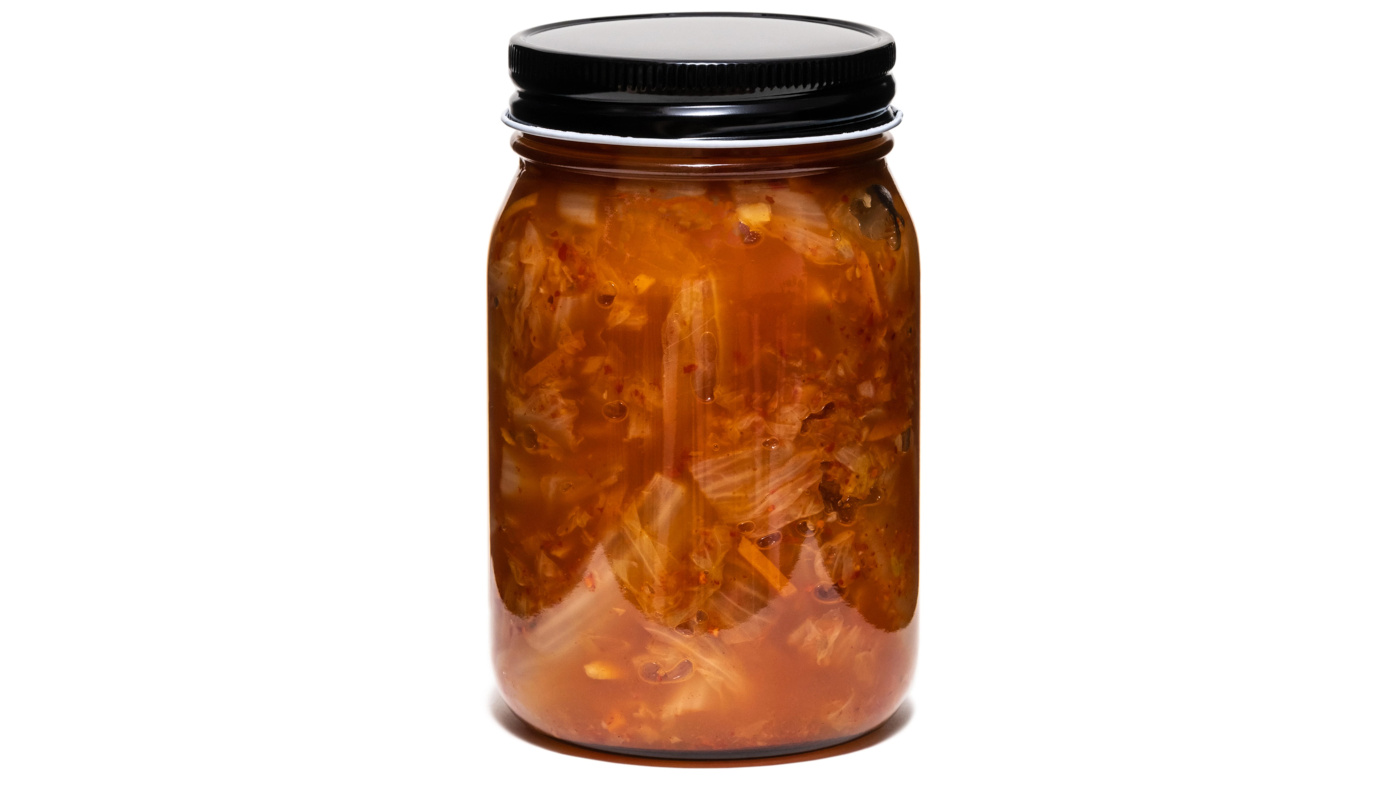

If you’re drawn to fermented foods for gut health but want a plant-based version that doesn’t skimp on depth, vegan kimchi with seaweed is your answer. The combination of napa cabbage, wakame, and kombu creates a naturally salty, umami-rich base that rivals traditional fish-sauce versions. This recipe takes just 15 minutes of active prep and transforms into a tangy, crunchy condiment over a few days on your counter.
How to Make Vegan Kimchi with Wakame and Kombu Seaweed
This fermentation is straightforward: combine prepared ingredients, pack them into a jar, and let beneficial bacteria do the work. You’ll have live kimchi ready to eat in as little as three days.
Ingredients
- One head of napa cabbage, chopped into 2-inch pieces (about 2 pounds)
- 2 tablespoons dried wakame seaweed, rehydrated in cool water for 5 minutes
- 2 tablespoons dried kombu seaweed, finely sliced or minced
- 4 cloves garlic, minced fine
- 2 tablespoons fresh ginger, grated or minced
- 3-4 tablespoons gochugaru (Korean red chili flakes), adjusted to taste preference
- 2 tablespoons sea salt, plus additional salt for initial cabbage massage
- 1 tablespoon rice vinegar or apple cider vinegar
- 1 teaspoon sugar or sweetener (optional)
Method
Salt and massage the cabbage
Place chopped napa cabbage in a large mixing bowl. Sprinkle generously with sea salt (about 1 tablespoon per pound of cabbage). Using your hands, massage the salt into the leaves for 5-10 minutes until the cabbage releases its liquid and becomes limp. This brine will be essential for fermentation.
Rehydrate and prepare the seaweed
Place wakame in a small bowl with cool water and let sit for 5 minutes until soft and expanded. Drain well and squeeze out excess moisture. Slice kombu into very thin strips or mince finely. Both seaweeds add umami depth and minerals that support fermentation.
Mix the flavor base
In a small bowl, combine minced garlic, grated ginger, gochugaru chili flakes, sea salt, vinegar, and optional sugar. Stir well to create a paste-like consistency. This mixture will coat the cabbage and initiate fermentation while building complex flavor.
Combine cabbage with seasoning and seaweed
Return the salted, massaged cabbage to your mixing bowl (keep the brine it released). Add the garlic-ginger-chili paste, the rehydrated wakame, and the minced kombu. Using clean hands or a spoon, toss everything together thoroughly until every piece of cabbage is coated with seasoning and seaweed is evenly distributed.
Pack into a fermentation vessel
Transfer the mixture into a clean glass jar, pressing down firmly with the back of a spoon or a small glass. The cabbage should be submerged under its own brine. If liquid doesn’t cover everything by at least 1 inch, add a small amount of additional salt water (1 tablespoon salt per cup of water).
Weigh down the vegetables
Place a smaller jar, glass weight, or clean object inside the fermentation jar to keep the cabbage submerged below the liquid surface. This prevents mold and ensures anaerobic fermentation. Cover loosely with a cloth or coffee filter so air can escape but contaminants cannot enter.
Ferment at room temperature
Leave the jar on a kitchen counter away from direct sunlight for 3-7 days, depending on temperature and taste preference. Warmer conditions (68-72 degrees F) ferment faster. After day three, open the jar and taste. When it reaches your preferred tanginess and crunch level, seal tightly and move to cold storage.
Store and serve
Transfer your finished kimchi to the refrigerator where it will continue fermenting slowly and keep for several weeks. Serve as a side dish, condiment for grain bowls, or atop soups. A small spoonful provides beneficial probiotics with every meal.
- If your kitchen is cold, place the jar in a slightly warm spot like the top of the refrigerator or near a window to speed fermentation by 1-2 days.
- Taste your kimchi daily starting on day three so you catch it at your preferred flavor intensity. Fermentation accelerates once it gets going.
- Save the brine after eating the kimchi to use as a starter culture for your next batch or to dress salads and grain bowls.
What to Look For in Fermentation Equipment
- Glass jar with tight-sealing lid: Choose wide-mouth glass jars in quart or half-gallon sizes. Wide openings let you pack vegetables easily, and airtight lids preserve your finished product. Avoid plastic, which can leach chemicals during fermentation and doesn’t seal as reliably.
- Fermentation weights or airlocks: These keep vegetables submerged under brine, preventing mold and surface oxidation. Glass weights, ceramic weights, or even small jars work perfectly. Some modern lids include built-in airlocks that let CO2 escape while blocking oxygen and contaminants.
- High-quality gochugaru (Korean red chili flakes): Look for pure, coarsely ground chili flakes without added salt or fillers. Korean markets or reputable online suppliers offer the most authentic flavor. Fresher gochugaru (produced within the last year) delivers better color and heat.
- Dried wakame and kombu seaweed: Source from Asian markets or specialty food retailers for the freshest product. Wakame should be bright green and fragrant; kombu should be dark green to black. Store in airtight containers away from moisture and light to maintain potency.
Bormioli Rocco Fido Glass Fermentation Jar with Rubber Seal
Best for: Serious home fermenters seeking reliable, food-grade glass
This Italian glass jar features a hinged ceramic lid with a rubber gasket that creates an airtight seal without requiring additional weights. The wide mouth accommodates large vegetable pieces, and the durable glass handles fermentation heat swings. Available in multiple sizes, the 2-liter capacity is ideal for one large batch of kimchi. The transparent glass lets you monitor fermentation progress daily without opening the jar.
Check Current Price on Amazon →Ball Wide Mouth Mason Jars 1-Quart, Set of 12
Best for: Budget-conscious beginners trying fermentation for the first time
Classic Mason jars cost less than specialty fermentation vessels but work reliably with proper technique. This set includes metal lids and bands; pair with a fermentation weight or small jar to keep vegetables submerged. The quart size makes perfect single-serving batches. While not as convenient as airlocking lids, these ubiquitous jars are food-safe, transparent, and widely available.
Check Current Price on Amazon →Fermentools Glass Fermentation Weight Set with Airlock Lid
Best for: Beginners who want foolproof fermentation with minimal guesswork
This kit bundles a 1.5-liter fermentation jar with specially designed glass weights and a burping airlock lid. The lid allows CO2 to escape while preventing oxygen from entering, eliminating the need for daily burping. Glass weights keep vegetables fully submerged without extra steps. Perfect for first-time fermenters who want confidence and clarity throughout the process.
Check Current Price on Amazon →Kahm Glass Fermentation Weight with Large Jar Bundle
Best for: Experienced fermenters making large batches regularly
Kahm offers hand-blown borosilicate glass jars paired with thick glass weights designed to stay submerged without floating. The large half-gallon jars accommodate substantial napa cabbage batches in a single vessel. Borosilicate glass withstands temperature fluctuations better than standard glass, extending jar lifespan. Premium construction justifies the higher price for serious fermentation practitioners.
Check Current Price on Amazon →Start Your Vegan Kimchi Fermentation Today
Vegan kimchi with wakame and kombu seaweed is one of the easiest ferments to master. With just 15 minutes of prep and basic equipment, you’ll create a live probiotic food that transforms alongside your palate preferences. The seaweed components add minerals and umami depth that elevate this beyond simple spicy cabbage, delivering a condiment worthy of your best grain bowls and noodle dishes.
Invest in one quality fermentation jar and glass weights, source authentic gochugaru and seaweed from specialty retailers, and commit to tasting your batch daily starting on day three. You’ll quickly develop intuition for your preferred fermentation timing, temperature variables, and spice levels. Once you nail your technique, double batches and gift jars to friends who want to heal their guts naturally.
Frequently Asked Questions
How do I know if my kimchi is fermenting correctly versus molding?
Good fermentation produces bubbles rising when you open the jar, a pleasantly sour smell, and cloudy liquid brine. Mold appears as fuzzy white, green, or black growth on the surface. If vegetables stay fully submerged under brine and your jar is clean, fermentation will succeed and mold won’t develop.
Can I use fresh seaweed instead of dried wakame and kombu?
Fresh seaweed contains too much moisture and can introduce unwanted organisms into your fermentation. Dried versions are shelf-stable, concentrated in flavor, and safe for fermentation. If using fresh, you’d need to dry it first at low temperature for several hours.
Why does my vegan kimchi taste less spicy than traditional versions?
Korean red chili flakes vary in heat level based on origin and harvest year. Start with 3 tablespoons and add more in future batches if desired. Also, fermentation naturally mellows perceived spice as lactic acid develops, so taste after day seven rather than day three for final spice assessment.
How long will finished kimchi keep in the refrigerator?
Properly fermented and refrigerated vegan kimchi lasts 4-8 weeks. The cold slows fermentation but doesn’t stop it, so flavor continues evolving slowly. If liquid gets cloudy or unusual odors develop, discard. The brine extending above vegetables indicates freshness and prevents spoilage.
Can I adjust the salt level to reduce sodium in my kimchi?
Salt is essential for safe fermentation, preventing harmful bacteria while encouraging beneficial lactobacillus. Don’t reduce salt below 2% of cabbage weight (roughly 2 tablespoons per 2-pound head). Instead, rinse finished kimchi briefly before eating or use smaller portions to manage sodium intake.
As an Amazon Associate, Build & Bloom earns from qualifying purchases. We only recommend products we genuinely think are useful. Prices and availability vary; check Amazon for the latest.
Leave a Reply