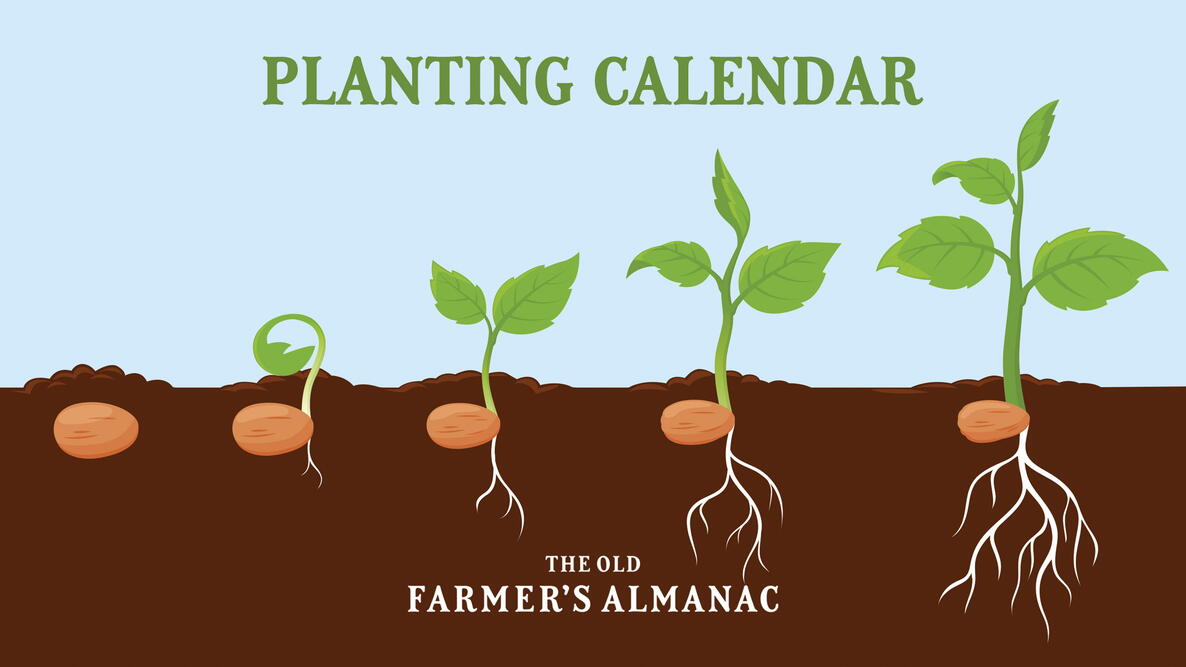

One of the biggest mistakes new gardeners make is planting on the calendar instead of the climate. You might see a neighbor plant tomatoes in April and assume that’s the right time, but if your last frost date isn’t until mid-May, those seedlings will suffer. A zip code-based planting calendar removes the guesswork by giving you precise planting dates tailored to your exact location, taking into account spring and fall frost dates, growing season length, and regional weather patterns.
How to Use Your Vegetable Planting Calendar
Understanding your local planting calendar requires knowing three key climate markers. Once you have these, you’ll be able to plan your entire garden year with confidence.
Key Information You’ll Need
- Your 5-digit zip code to determine exact location
- USDA Hardiness Zone (find at planthardiness.ars.usda.gov)
- Last spring frost date for your area
- First fall frost date for your area
- Garden growing season length in days
Principles
Find Your USDA Hardiness Zone
Visit the USDA Plant Hardiness Zone Map and enter your zip code. This zone indicates the average minimum winter temperature in your area, which determines which perennial plants will survive winter. Write down your zone number—it’s essential for selecting varieties suited to your climate. This single number tells seed companies and nurseries what will thrive in your region.
Determine Your Last Spring Frost Date
Search ‘last frost date [your city, state]’ or use your local cooperative extension website. This date marks the final expected frost in spring and is critical for warm-season crops like tomatoes, peppers, and squash. Planting tender seedlings before this date will result in frost damage and death. Mark this date prominently on your garden calendar as your dividing line between early spring cool-crops and summer heat-lovers.
Identify Your First Fall Frost Date
Similarly, find your first expected frost date in fall. This tells you when to stop planting new long-season vegetables and helps you calculate whether late-season crops like cabbage or kale will have time to mature before hard freezes arrive. Knowing this date lets you succession-plant throughout summer without wasting seeds on varieties that won’t finish before winter.
Calculate Cool-Season Planting Windows
Cool-season crops (lettuce, spinach, peas, broccoli) tolerate frost and should be planted 4-6 weeks before your last spring frost date. Count backward from that date on your calendar to find when to direct-sow seeds outdoors. These crops also thrive in fall, so plant them again 8-10 weeks before your first fall frost to extend your harvest season.
Plan Warm-Season Planting Around Last Frost
Heat-loving plants like tomatoes, peppers, eggplant, and beans should be started indoors 6-8 weeks before your last frost date, then transplanted outside after that danger has completely passed. Count forward from your last frost date to schedule seed-starting in containers. This timing ensures seedlings are hardened off and ready to thrive in warm soil.
Map Out Your Succession Planting Schedule
Fast-growing crops like lettuce, beans, and radishes should be planted every 2-3 weeks for continuous harvests rather than one overwhelming glut. Use your calendar to mark planting dates throughout the season. This prevents feast-or-famine situations and ensures fresh vegetables all summer long.
Account for Days to Maturity
Check seed packet ‘days to maturity’ information and work backward from your first fall frost date to identify which vegetable varieties will actually finish before cold weather arrives. A 90-day tomato variety needs to be planted 90 days before your frost date, so calculate accordingly. This prevents planting varieties that won’t have time to produce before winter.
- Create a simple spreadsheet or printed chart with your frost dates at the top, then list each vegetable with its planting date and days to maturity for easy reference throughout the year.
- Start seeds indoors 6-8 weeks early to give warm-season crops a head start, but don’t transplant outside until soil temperature reaches 60-65°F, regardless of calendar date.
- Join your local cooperative extension or gardening group to access region-specific planting guides that account for microclimates and actual weather patterns in your area.
What to Look For in Gardening Planning Tools
- Zip Code Specificity: The best tools provide exact frost dates for your precise location rather than generalizations by state. Look for calendars that use USDA data and allow zip code entry to ensure accuracy for your microclimate.
- Vegetable Variety Coverage: A comprehensive calendar should include 30+ vegetables with specific planting windows for each. Make sure it covers both common crops and specialty varieties you might want to grow.
- User-Friendly Format: Whether digital or printed, your planning tool should display information at a glance with clear visual organization. Printable calendars, apps with notifications, or interactive charts all serve different preferences.
- Days-to-Maturity Information: The most useful tools include the number of days until harvest for each variety, allowing you to calculate whether a crop will finish before your first fall frost date.
Almanac Garden Planner Membership
Best for: Serious gardeners wanting the most detailed zip code-based planning tool
The Almanac’s interactive garden planner customizes your entire planting calendar by zip code with precise frost dates for your location. It includes 100+ vegetables with specific planting dates, days to maturity, and succession planting schedules. The digital platform sends reminders for when to plant and provides growing tips. You can save multiple garden beds and track what you’ve planted year to year.
Check Current Price on Amazon →Gardening Know How Planting Calendar Guide
Best for: New gardeners wanting a simple, printable reference
This colorful printable planting calendar works for most temperate zones and includes 40+ common vegetables with clear planting windows. The straightforward design shows month-by-month what to plant with visual icons for ease of understanding. It’s perfect for those who prefer a paper reference to post in the garden shed or kitchen.
Check Current Price on Amazon →Bonnie Plants Planting Guide Booklet
Best for: Budget-conscious gardeners who want free or very affordable references
Bonnie Plants offers a free downloadable planting guide organized by region with recommended varieties and planting dates. While not as customized as zip code-specific tools, it’s accurate for broad regional areas and includes helpful growing tips for each vegetable. Great for beginners who want to start without spending money.
Check Current Price on Amazon →Johnny’s Selected Seeds Master Gardener Planning Tool
Best for: Experienced gardeners planning succession crops and varieties
Johnny’s comprehensive online planning tool is designed for serious food gardeners with detailed information on 200+ vegetable varieties, precise planting windows, and advanced succession planting calculations. It includes days to maturity, harvest window information, and the ability to create custom planting schedules for multiple plantings throughout the season.
Check Current Price on Amazon →Start Planning Your Garden Year
Your zip code holds the key to a successful garden year. By taking 15 minutes to find your USDA hardiness zone, last spring frost date, and first fall frost date, you unlock the ability to plant with confidence instead of guessing. A customized planting calendar transforms these climate facts into actionable planting dates for every vegetable you want to grow, ensuring you’re working with nature’s rhythms rather than against them.
Whether you choose a digital planning tool with notifications, a printable calendar on your shed wall, or a detailed reference book, the investment pays dividends in stronger plants, better harvests, and less wasted seed. Start with your zip code today, build your calendar this week, and you’ll be ahead of most gardeners who plant by tradition or neighbor example. The best time to plan your garden is before the spring rush begins.
Frequently Asked Questions
What’s the difference between my USDA hardiness zone and my frost date?
Your hardiness zone indicates average minimum winter temperatures and determines which perennial plants survive winter. Your frost dates mark when spring freezes end and fall freezes begin, controlling when you can plant tender annuals. You need both pieces of information for complete planting accuracy.
Can I plant by the calendar date instead of frost dates?
Not reliably. Frost dates vary year to year and don’t always align with calendar dates. Planting before your last frost date risks losing tender seedlings to surprise cold snaps. Always prioritize local frost dates over general calendar recommendations.
How do I know if a vegetable is a cool-season or warm-season crop?
Cool-season crops (lettuce, broccoli, peas, spinach) tolerate frost and prefer temperatures below 70°F. Warm-season crops (tomatoes, peppers, squash, beans) need soil above 60°F and air above 50°F. Seed packets always specify this information.
Should I adjust planting dates if I use row covers or a greenhouse?
Yes. Season extension tools like row covers, cold frames, and low tunnels can extend your planting windows by 2-4 weeks in spring and fall. Plan these adjustments into your calendar once you know what tools you’ll use.
What happens if I plant too early and get frost?
Cool-season crops will survive light frosts below 32°F depending on the variety. Warm-season crops will be killed by frost. If unexpected frost threatens after you’ve planted, water the soil thoroughly the evening before and again after the frost passes to minimize damage.
As an Amazon Associate, Build & Bloom earns from qualifying purchases. We only recommend products we genuinely think are useful. Prices and availability vary; check Amazon for the latest.
Leave a Reply