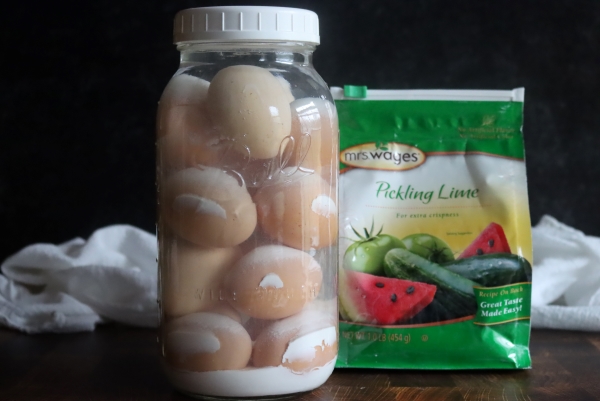

If you raise chickens or buy eggs in bulk during peak season, you’ve faced the same problem: eggs don’t stay fresh forever, and peak production doesn’t match year-round demand. Water glassing is one of the oldest food preservation methods, allowing you to store fresh eggs for 12-18 months without refrigeration or special equipment beyond what most homesteads already have. This guide walks you through the exact process so you can preserve your surplus and enjoy farm-fresh eggs during winter months when production drops.
How to Water Glass Eggs for Long-Term Storage
Water glassing works by submerging clean, unwashed eggs in a food-grade alkaline solution that seals the porous shell and prevents bacterial penetration. The process takes minutes but requires attention to detail.
What You Will Need
- Food-grade sodium silicate solution (water glass)
- Food-safe container with lid (ceramic crock, glass jar, or food-grade bucket)
- Cool, dark storage space (50-60°F ideal)
- Clean, unwashed eggs (fresh from nest or farm preferred)
- Filtered or dechlorinated water
- Soft cloth or paper towel for gentle cleaning
Steps
Prepare Your Container
Select a clean, airtight-sealing container large enough to hold your eggs with several inches of headspace. Glass or food-grade plastic works best since sodium silicate can damage some materials over time. Wash thoroughly with hot water but no soap, then dry completely. The container must be truly clean to prevent any bacterial contamination before the solution seals everything.
Mix the Water Glass Solution
Combine one part food-grade sodium silicate with nine parts clean, filtered water. Stir thoroughly until completely mixed. The solution should be clear and uniform. This ratio creates the correct alkalinity to seal eggs without damage. Cold or room-temperature water works fine; avoid hot water as it can affect the solution’s properties.
Gently Clean the Eggs
Use a soft cloth or paper towel to remove any visible dirt, mud, or debris from the eggshells. Do not wash eggs with water, as this removes the protective bloom and creates openings for bacteria. Gentle dry-cleaning only. Handle eggs carefully to avoid cracks, as even tiny fractures compromise the preservation.
Layer Eggs in the Container
Carefully place eggs in the container, arranging them in single layers separated by small amounts of solution if you’re stacking. Avoid stacking too many layers as pressure can crack lower eggs. Eggs should be completely submerged with at least one inch of solution covering the top layer. Gently pour solution around and between eggs rather than dropping them in.
Top Off and Seal
Pour additional solution until all eggs are covered by at least one inch of liquid. Top off the container, leaving minimal air space. Seal the container with an airtight lid. Label with the date clearly so you know when eggs were preserved and can monitor their age during storage.
Store in Cool, Dark Conditions
Place the sealed container in a cool (50-60°F), dark location such as a root cellar, basement, unheated garage, or cool pantry. Avoid temperature fluctuations and direct sunlight. Properly stored water-glassed eggs remain viable for 12-18 months. Check periodically for any signs of leakage or contamination, though sealed containers should show no changes.
Remove and Use as Needed
Simply lift eggs from the solution as you need them throughout the year. Gently rinse the egg under running water to remove the sodium silicate coating before cracking. The solution remains usable for the entire storage period, though you may need to top it off if any evaporation occurs around the seal.
- Use the freshest eggs possible, ideally unwashed eggs collected the same day you begin water glassing. Older or store-bought eggs have less storage longevity.
- Keep your storage area consistently cool and undisturbed. Temperature swings and frequent container movement increase the risk of bacterial growth and egg damage.
- Buy your sodium silicate in food-grade form specifically labeled for egg preservation. Do not substitute industrial-grade water glass or any other chemical solution.
What to Look For in Water Glassing Supplies
- Sodium Silicate Grade & Purity: Choose only food-grade sodium silicate specifically sold for egg preservation. Industrial grades contain additives that make eggs unsafe for consumption. Verify the product explicitly states food-safe or culinary use on the label.
- Container Material & Durability: Select ceramic, glass, or food-grade plastic with a secure, airtight lid. Avoid metal containers, which corrode when exposed to sodium silicate. The container should hold at least 1.5 times the volume of eggs you plan to preserve to allow proper solution coverage.
- Solution Concentration & Shelf Life: Pre-mixed solutions save time but check expiration dates carefully. Concentrated sodium silicate keeps longer than diluted versions but requires accurate mixing. Calculate whether buying pre-mixed or concentrate makes sense based on your egg volume.
- Storage Environment Capability: Ensure you have access to a consistently cool space (50-60°F) for the duration of storage. Basements, root cellars, and unheated garages work well. Temperature stability matters more than extreme cold; fluctuations cause more spoilage than steady cool temperatures.
The Survival Garden Food Grade Sodium Silicate Solution
Best for: Homesteaders wanting pre-mixed convenience
This food-grade sodium silicate comes ready to use, eliminating mixing calculations. The 32-ounce bottle treats approximately 30-40 eggs depending on container size. Clearly labeled for culinary egg preservation and packaged in food-safe containers. No additives or industrial chemicals—specifically formulated for long-term egg storage. Customer reviews consistently praise the clarity of instructions and reliability over multiple seasons of use.
Check Current Price on Amazon →Harris Concentrated Food Grade Sodium Silicate
Best for: Large-scale egg producers
Concentrated formula reduces shipping weight and cost when preserving large egg quantities. One quart of concentrate makes multiple gallons of working solution, significantly cheaper per-ounce than pre-mixed options. Harris is an established agricultural supplier with decades of reputation. The concentrate remains stable for years if stored properly, making it ideal for homesteaders who preserve eggs seasonally.
Check Current Price on Amazon →Backyard Chicken Coop Water Glassing Complete Kit
Best for: First-time egg preservers
This all-in-one kit includes pre-measured sodium silicate packets, detailed illustrated instructions, storage labels, and a guide for determining egg freshness. Each packet treats one dozen eggs, removing guesswork from mixing ratios. Perfect for small flocks or first attempts before investing in bulk supplies. Includes troubleshooting tips and storage condition guidelines tailored for residential settings.
Check Current Price on Amazon →Earthenware Ceramic Egg Preservation Crock with Lid
Best for: Traditional storage and display
This 2-gallon ceramic crock specifically designed for water glassing eggs holds 40-50 eggs with proper solution coverage. The glazed interior resists sodium silicate corrosion better than most containers. Includes a tight-sealing ceramic lid and drainage spigot for easy egg removal. Traditional aesthetic looks attractive in root cellars or kitchens, and the ceramic material naturally maintains cooler temperatures than plastic alternatives.
Check Current Price on Amazon →Start Preserving Eggs Today
Water glassing is one of the most reliable, chemical-free methods to extend your egg season from weeks into months. Whether you keep a dozen chickens or manage a larger flock, this technique requires minimal equipment and virtually no ongoing maintenance once eggs are sealed. A cool storage space, food-grade sodium silicate, and an airtight container are all you need to enjoy farm-fresh eggs through winter when production naturally declines.
The beauty of water glassing lies in its simplicity and proven track record spanning centuries. Start with a small batch to build confidence, then scale up as you find your ideal storage space and workflow. By next winter, you’ll be cracking preserved eggs that taste nearly indistinguishable from fresh ones, solving the real problem that brought you here: consistent fresh eggs year-round, regardless of season.
Frequently Asked Questions
Can I use regular table salt instead of sodium silicate?
No. Sodium silicate is chemically different from salt and creates an alkaline seal that prevents bacterial entry. Salt brine-preservation uses a different mechanism and doesn’t achieve the same long-term results. Always use food-grade sodium silicate specifically formulated for egg preservation.
Do water-glassed eggs taste different than fresh eggs?
Most people report no noticeable taste difference, particularly in baked goods and cooking. Eggs preserved at their peak freshness and stored in ideal conditions remain indistinguishable from fresh eggs. Some homesteaders notice a very subtle difference in aged eggs, but quality dramatically exceeds store-bought alternatives held in refrigeration for weeks.
What temperature range is best for storing water-glassed eggs?
Ideal storage is 50-60°F in a cool, dark location. Eggs can tolerate slightly warmer temperatures (up to 65°F) if conditions are stable, but warmer than 70°F significantly reduces storage longevity. Avoid freezing temperatures and temperature fluctuations, which are more damaging than slightly elevated constant temperatures.
How do I know if a water-glassed egg has gone bad?
Float test the egg in fresh water—a bad egg floats, while properly preserved eggs sink. You can also candle eggs by holding them against a bright light to check for cracks or abnormal contents. Most properly water-glassed eggs show no signs of spoilage for 12+ months if stored correctly.
Can I reuse the sodium silicate solution if I remove some eggs?
Yes. The solution remains effective for the entire storage period. Simply ensure eggs remain fully submerged, and top off the container if evaporation occurs around the seal. You can add fresh eggs throughout the preservation period as long as they’re added within the first few weeks before the initial batch ages significantly.
As an Amazon Associate, Build & Bloom earns from qualifying purchases. We only recommend products we genuinely think are useful. Prices and availability vary; check Amazon for the latest.
Leave a Reply