
Raising ducklings is rewarding, but getting their nutrition right from day one determines whether they grow into healthy, productive adults. Unlike chicks, ducklings have different protein requirements and need consistent access to water for proper digestion. This guide walks you through exactly what your ducklings need at each growth stage, so you can confidently feed them from hatch day straight through to laying or meat production.
Duckling Nutrition by Life Stage
Ducklings progress through three main feeding phases, each with specific nutritional requirements. Understanding these stages ensures optimal growth, feather development, and overall health.
Key Concepts
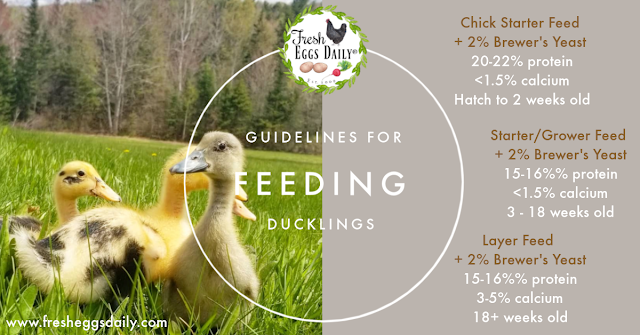
- High-protein starter feed (20-24% protein) for ducklings aged 0-3 weeks
- Grower feed (16-18% protein) for ducklings aged 3-7 weeks
- Layer or maintenance feed (14-16% protein) for ducklings 7+ weeks old
- Grit (both insoluble for grinding and soluble for calcium) to aid digestion
- Fresh greens, vegetables, and vegetation as dietary supplements
- Constant access to clean water for drinking and dabbling
Feeding Stages
Start with Medicated Starter Feed (Days 1-21)
From hatch through day 21, ducklings need a specialized waterfowl starter feed containing 20-24% protein. This high protein content supports rapid growth and feather development. Offer feed free-choice in shallow feeders, and replace uneaten portions daily to prevent spoilage. Medicated formulas help prevent common duckling diseases like coccidiosis during this vulnerable period.
Transition to Grower Feed (Weeks 3-7)
Around week 3, gradually transition to a grower feed with 16-18% protein by mixing increasing amounts of the new feed with starter feed over 5-7 days. At this stage, ducklings are developing muscle and bone structure. Continue offering greens daily and introduce treats like lettuce, peas, and insects to encourage natural foraging behavior while maintaining balanced nutrition.
Switch to Layer or Maintenance Feed (Week 7+)
Once ducklings reach 7-8 weeks old, transition to layer feed (14-16% protein) if keeping females for eggs, or maintenance feed if raising for meat or pets. This lower protein level suits adult maintenance while supporting egg production. Make the switch gradually over several days, mixing the old and new feeds to avoid digestive upset.
Provide Grit for Digestive Health
Adult ducks and ducklings over 2-3 weeks old need access to grit to grind food in their gizzard. Offer insoluble granite grit (small pea-sized pieces) separate from feed, and provide oyster shell or soluble grit if your feed doesn’t contain added calcium. Ducks will consume grit as needed, improving feed conversion and preventing impaction.
Supplement with Fresh Greens Daily
Provide dark leafy greens, garden vegetables, and vegetation as daily supplements to commercial feed. Ducks naturally forage for greens, insects, and aquatic plants, so lettuce, kale, clover, and grass cuttings improve overall nutrition and behavior. These supplements reduce feed costs while providing essential vitamins and minerals that support immune function and egg quality.
Maintain Unlimited Access to Clean Water
Water is critical throughout every duckling life stage because ducks rely on water for proper digestion, feather maintenance, and thermoregulation. Provide water deep enough for ducklings to dunk their heads (at least 2-3 inches). Change water daily and ensure feeders are nearby so ducklings can wash feed down easily, reducing choking risk.
Monitor Growth and Adjust Portions
Watch for signs of proper growth: steady weight gain, smooth feather development, and active behavior. If ducklings appear lethargic or feathers look dull, increase protein or check for disease. As ducklings mature, they require less feed relative to body weight, so monitor body condition and reduce portions if they become overweight, which can lead to leg problems.
- Never feed ducklings bread, crackers, or corn as a primary diet—these lack essential nutrients and create nutritional imbalances that stunt growth
- Keep feed in a cool, dry storage container away from moisture and rodents; old feed can develop harmful molds, especially in humid climates
- If raising ducklings without access to outdoor foraging, supplement with quality greens at least 3-4 times weekly to replicate natural nutrition
What to Look For in Duckling Feeding Supplies
- Protein Content and Feed Type: Choose waterfowl-specific feeds rather than chicken feeds, as ducks have different nutritional requirements. Verify protein percentages match the duckling’s age: 20-24% for starters, 16-18% for growers, and 14-16% for adults. Look for feeds containing essential amino acids and balanced calcium-to-phosphorus ratios.
- Medicated vs. Unmedicated: Medicated starter feeds contain coccidiostats that prevent parasitic infections common in young ducklings. Unmedicated options work for ducklings raised in very clean environments or with outdoor access, but most backyard producers benefit from the protection medicated feed provides during the vulnerable first weeks.
- Feeder and Waterer Design: Select feeders and waterers designed for ducklings—shallow troughs prevent drowning and allow comfortable head access. Look for durable plastic or metal construction that withstands water, chewing, and daily cleaning. Waterers should be 2-3 inches deep minimum to allow head dunking, which is essential for duck health and feather conditioning.
- Storage and Freshness: Purchase feed in quantities your flock will consume within 4-6 weeks to ensure freshness and prevent mold growth. Check manufacturing dates and expiration dates on bags. Store feed in airtight containers in cool, dry locations away from rodents and direct sunlight, which degrades nutrients and promotes spoilage.
Purina Waterfowl Starter Medicated Crumble
Best for: Ducklings from hatch through 3 weeks
Purina’s waterfowl-specific starter formula delivers 20% protein and contains amprolium for coccidiosis prevention, addressing the two most critical needs for newly hatched ducklings. The crumble texture encourages natural pecking behavior, and the balanced mineral profile supports bone and feather development. Available in 5-lb and 25-lb bags for backyard and small farm operations, this feed is widely recommended by hatcheries and experienced duck keepers.
Check Current Price on Amazon →Scratch and Peck Feeds Organic Duckling Starter
Best for: Budget-conscious growers seeking organic options
This organic, non-GMO duckling starter provides 20% protein without medications, making it ideal for homesteaders prioritizing organic production. The formula includes probiotics and kelp for gut health and immunity support. While priced slightly higher than conventional feeds, the organic certification and natural ingredient list appeal to pasture-based operations. Best for ducklings with strong outdoor access and clean brooding environments.
Check Current Price on Amazon →Manna Pro Waterfowl Grower Pellet
Best for: Transitioning ducklings aged 3-7 weeks
Manna Pro’s waterfowl grower formula at 16% protein bridges the gap between starter and adult feeds seamlessly. The pellet form reduces feed waste compared to crumbles, saving money on larger flocks. This feed contains balanced calcium and phosphorus plus essential amino acids for lean muscle development. The pelleted texture also makes it easier to mix with greens and treats during the transition phase.
Check Current Price on Amazon →Dumor Waterfowl Layer Pellet
Best for: Adult ducks in production for eggs
Dumor’s waterfowl layer formula delivers 16% protein with elevated calcium (3.5-4%) to support consistent egg production and shell quality in adult ducks. The premium formulation includes vitamin E, selenium, and probiotics for immune support and feed efficiency. Dumor is a trusted regional brand in poultry nutrition, offering consistent quality and availability through farm stores and online retailers.
Check Current Price on Amazon →Confident Duckling Raising Starts with Proper Nutrition
Successfully raising ducklings from hatch to adulthood depends on understanding their three distinct feeding stages and providing age-appropriate nutrition. By starting with high-protein medicated starter feed, transitioning strategically to grower and maintenance feeds, and supplementing with greens and grit, you create the nutritional foundation for healthy growth, strong feather development, and productive laying. The equipment you choose—from feeders to waterers—supports this nutrition plan by ensuring ducklings can access feed and water safely and comfortably.
Invest in waterfowl-specific feeds rather than generic poultry options, maintain consistent water access (a non-negotiable requirement for ducks), and monitor your ducklings for signs of optimal growth like steady weight gain and glossy feathers. With this feeding guide and quality supplies, you’ll raise resilient ducklings that become productive, healthy members of your homestead for years to come.
Frequently Asked Questions
Can I feed ducklings chicken feed instead of waterfowl feed?
No, waterfowl-specific feeds are formulated to meet ducks’ unique nutritional requirements, including higher niacin content and different mineral balances. Chicken feed lacks these critical nutrients and will result in poor growth, weak legs, and developmental problems in ducklings. Always use waterfowl-specific starter and grower feeds.
How much feed should my ducklings eat daily?
Ducklings typically consume 0.25-0.5 pounds of feed daily depending on age and size, with feed consumption increasing as they grow. Offer feed free-choice (always available) during the brooder stage, then transition to twice-daily feeding once moved to outdoor housing. Monitor body condition rather than strict portions, as individual ducklings have varying appetites.
What treats are safe to give ducklings?
Dark leafy greens (lettuce, kale, spinach), garden vegetables (peas, corn, squash), insects, earthworms, and small aquatic plants are all safe and nutritious treats. Avoid bread, crackers, processed foods, and anything with mold. Treats should comprise no more than 10% of total daily nutrition to maintain balanced diets.
Do ducklings need water to eat?
Yes, ducklings must have water available while eating because they naturally wash feed down with water. Without water access, ducklings risk choking and impaction. Provide waterers near feeders and ensure water is deep enough (2-3 inches) for head dunking, which ducks require for eye and nasal passage health.
When should I stop using medicated starter feed?
Transition away from medicated feed at week 3 when ducklings move to grower feed. If ducklings are raised outdoors with excellent sanitation and no disease history, you can switch to unmedicated feed earlier. Always transition gradually over 5-7 days by mixing increasing amounts of new feed with old feed to avoid digestive upset.
As an Amazon Associate, Build & Bloom earns from qualifying purchases. We only recommend products we genuinely think are useful. Prices and availability vary; check Amazon for the latest.
Leave a Reply